Wrecks & Recoveries
New adventures
new discoveries
Preserving aircraft wrecks and wartime relics
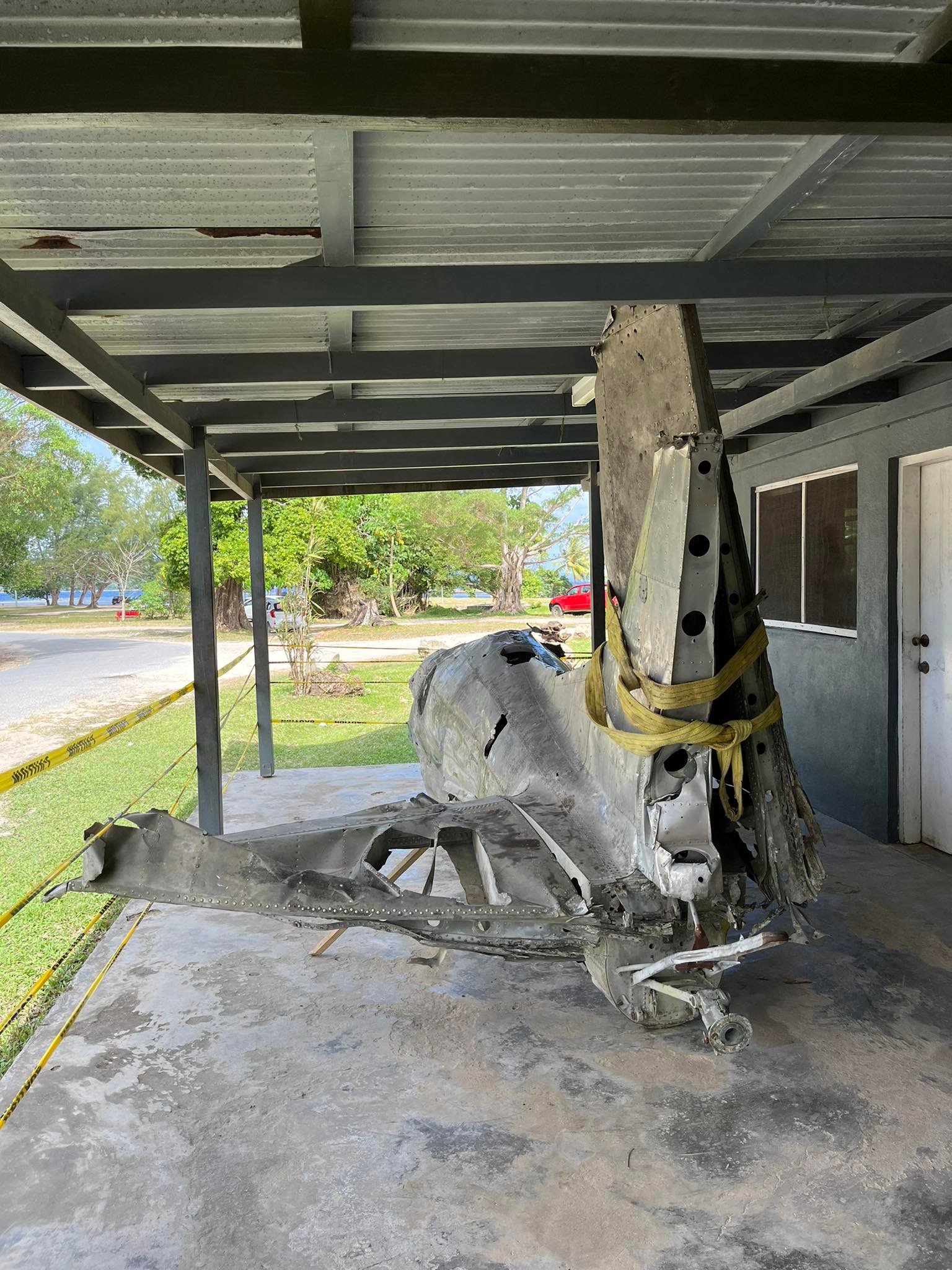
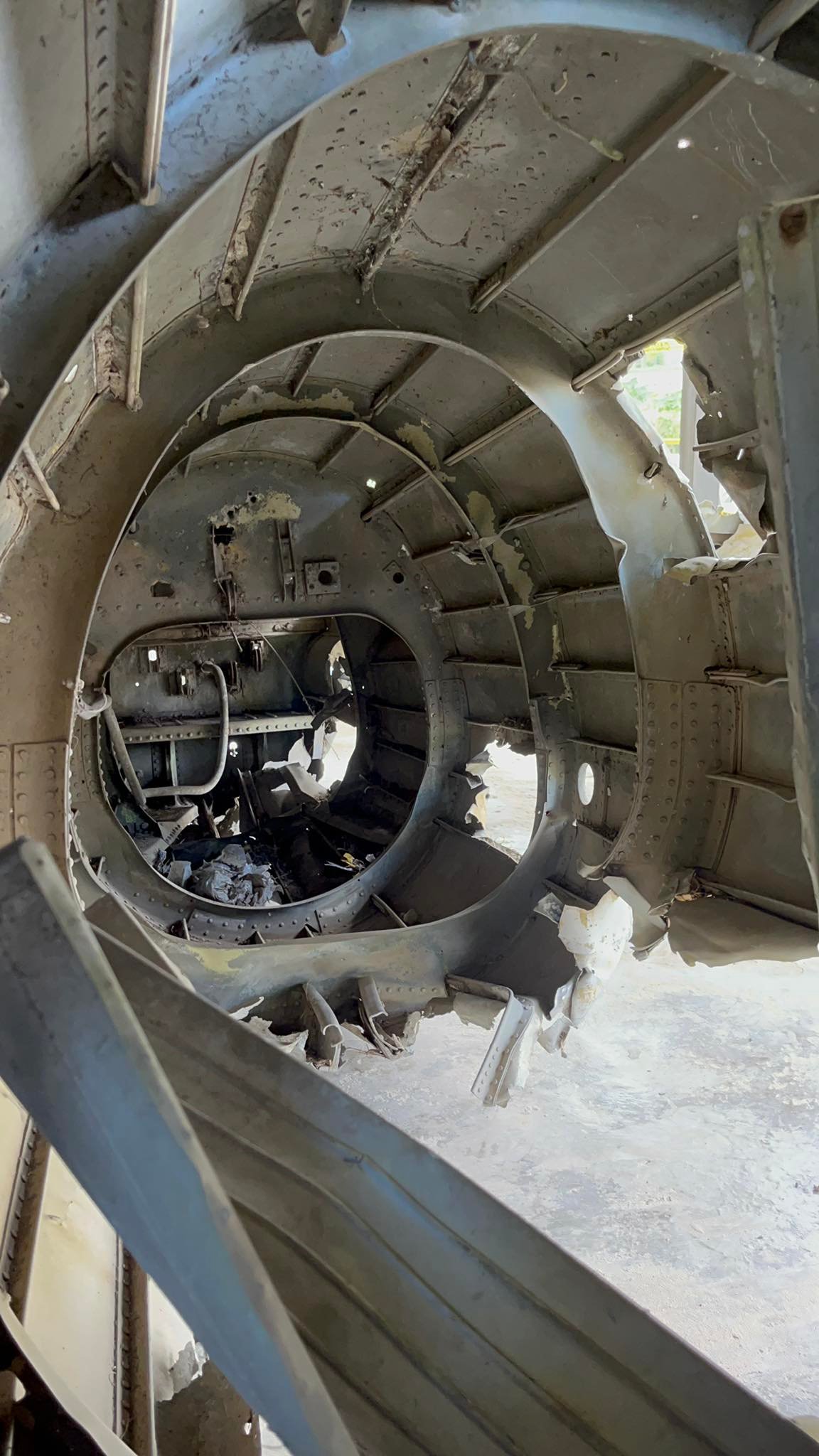
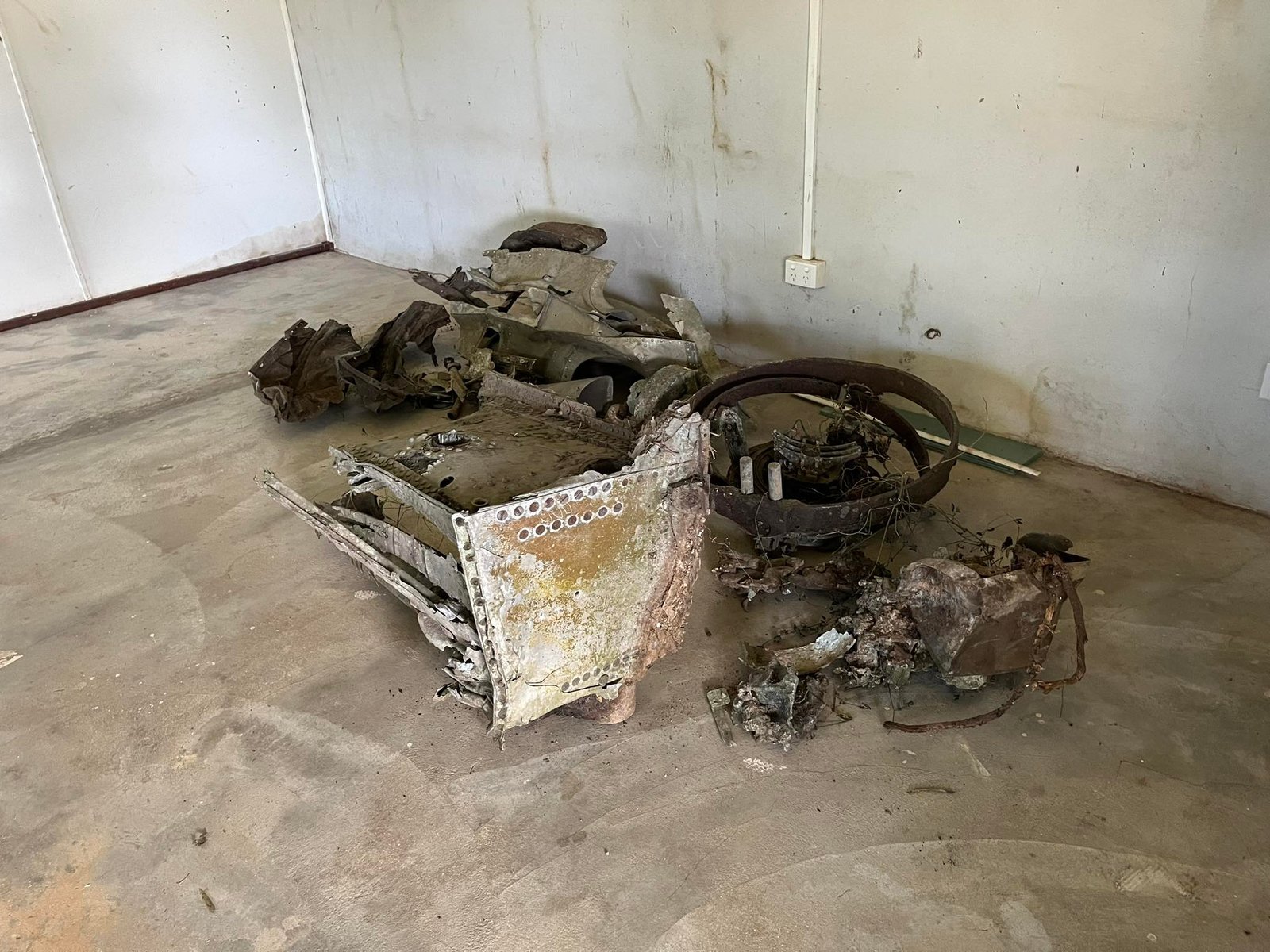
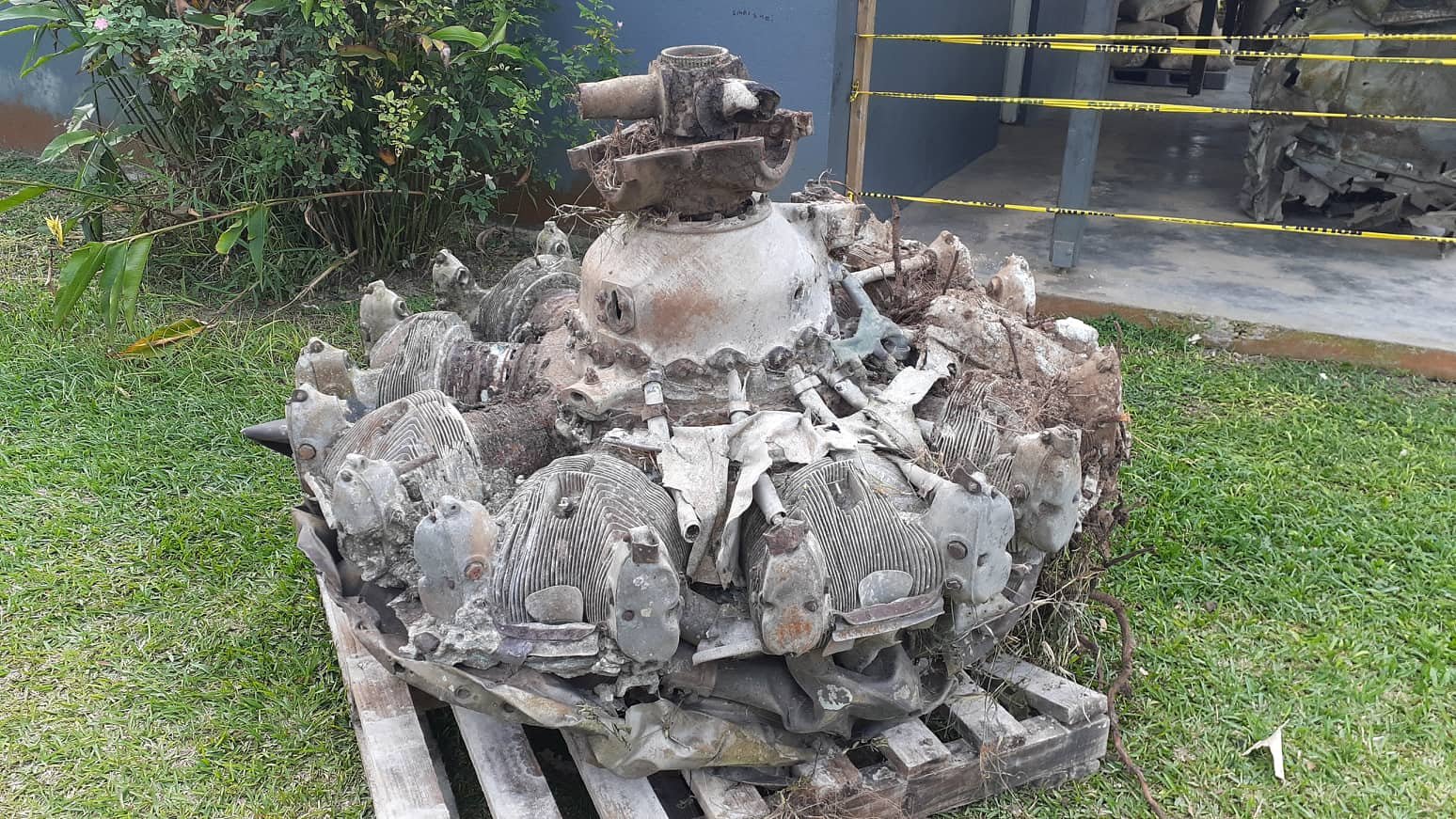
One of the Museum’s key roles is the identification, documentation and preservation of Vanuatu’s World War II heritage. Across Espiritu Santo and beyond, aircraft wrecks and relics remain scattered in jungles, rivers and coastal waters. These galleries highlight a selection of recovery efforts and known wreck sites, contributing to a broader understanding of the Pacific War in this region.
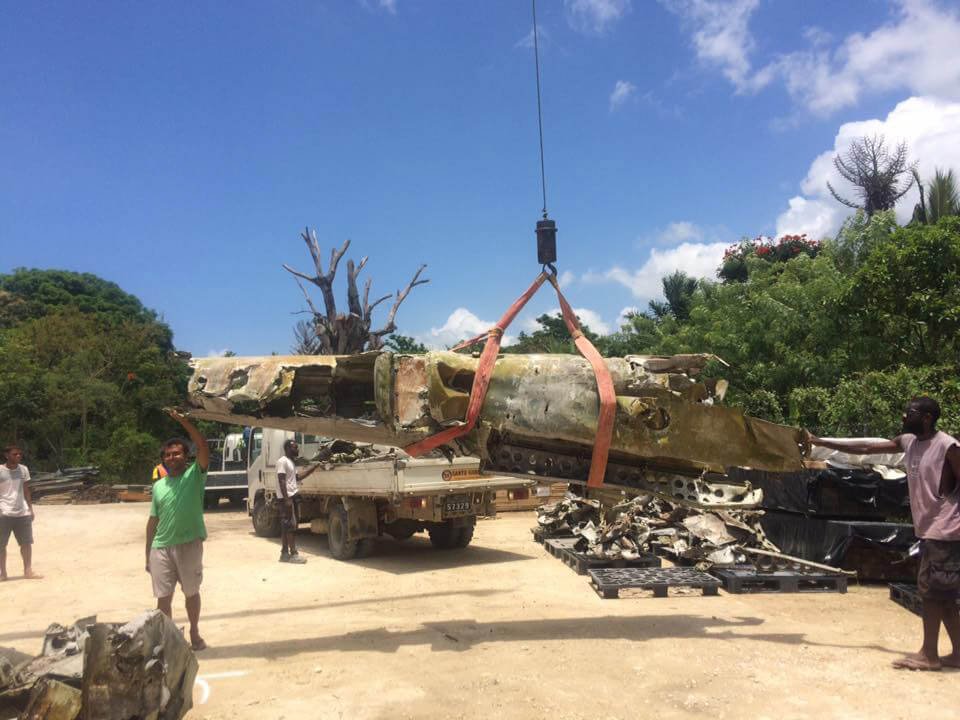
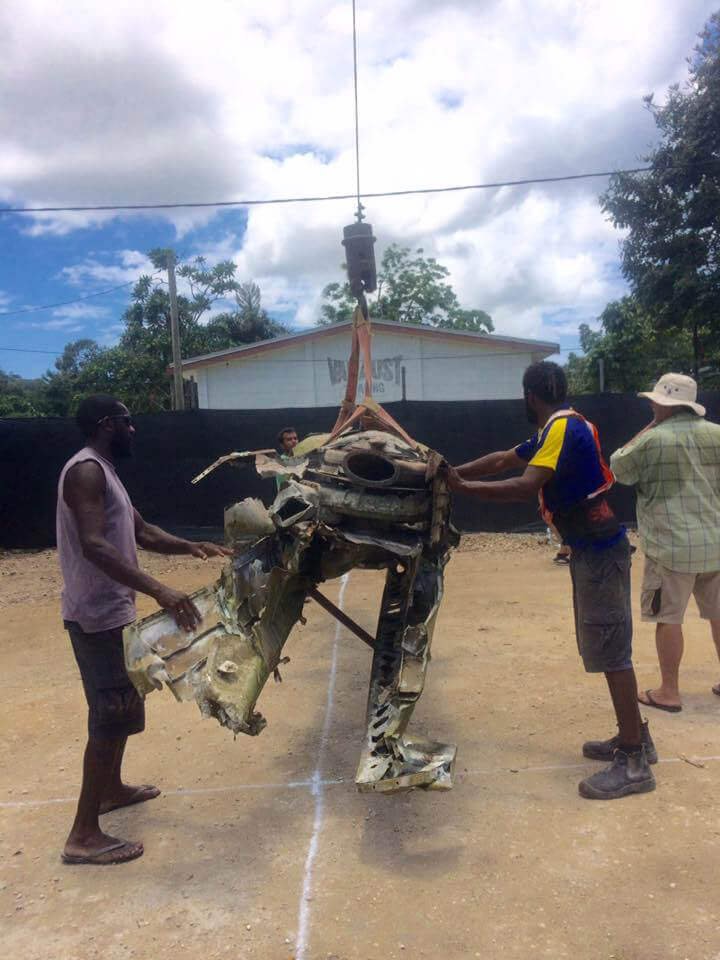
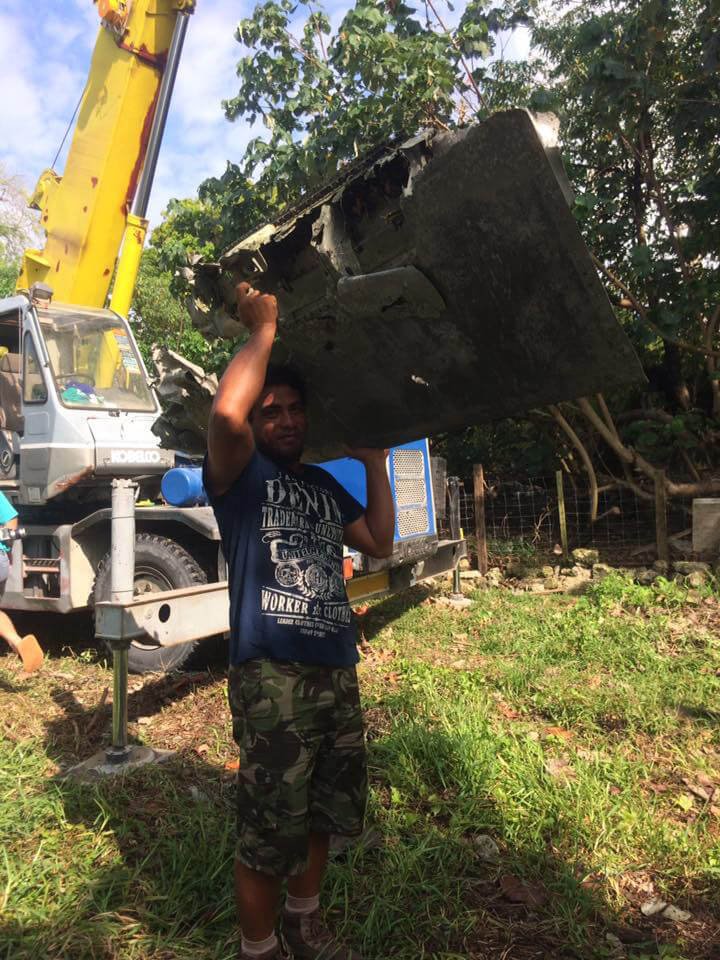
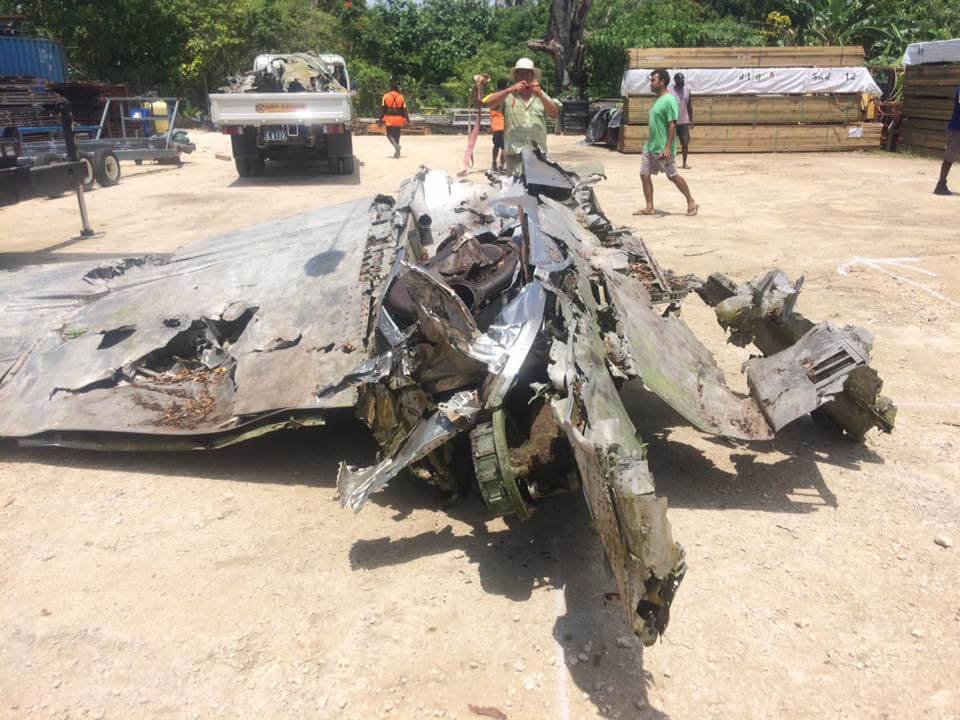
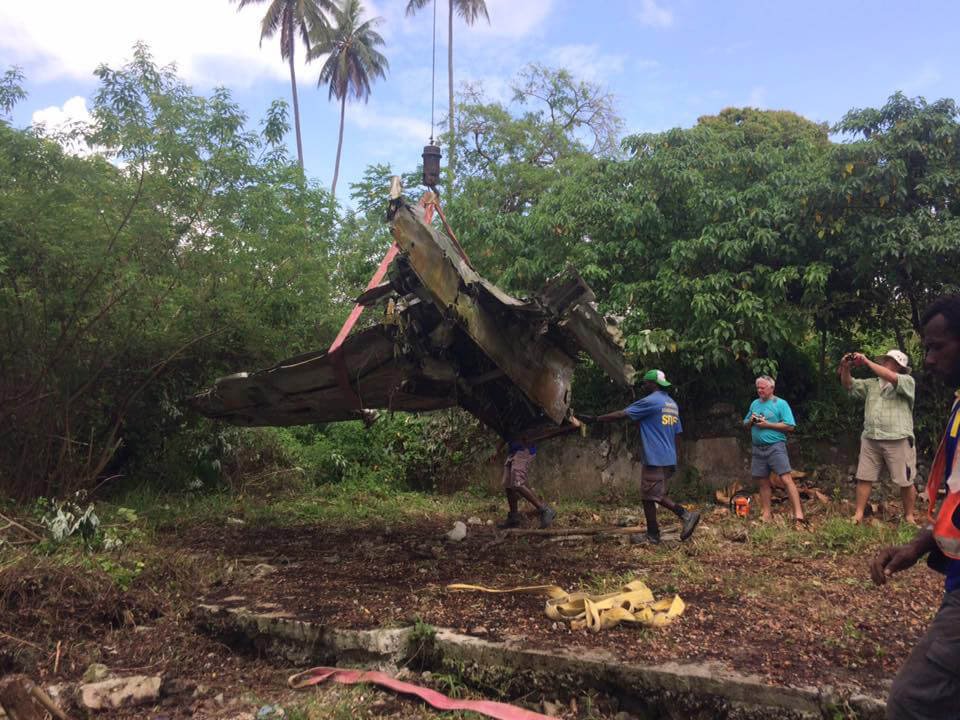
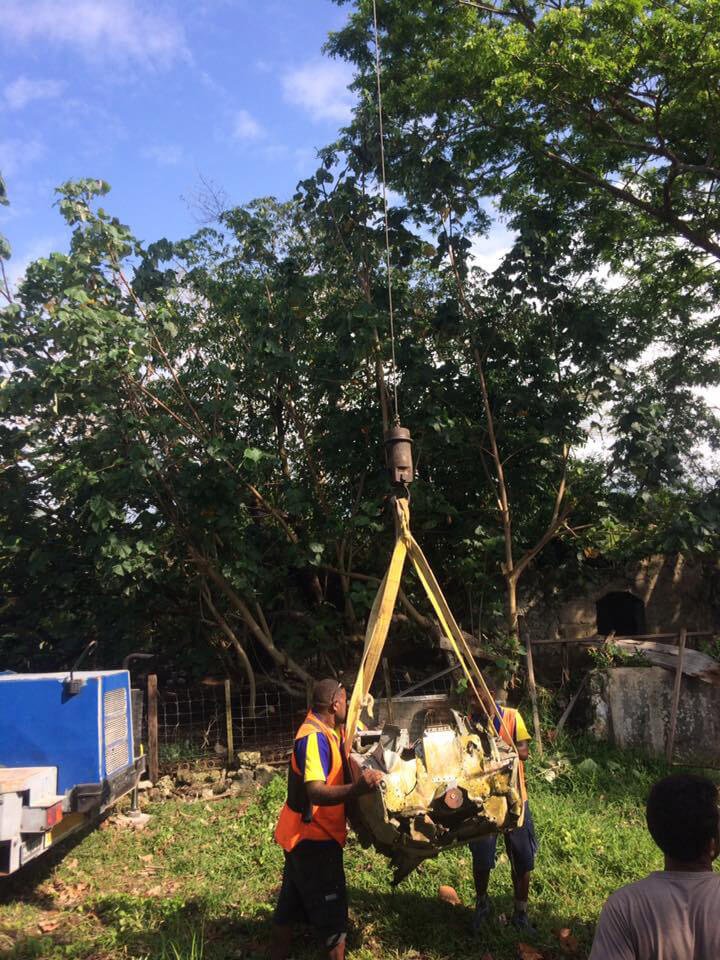
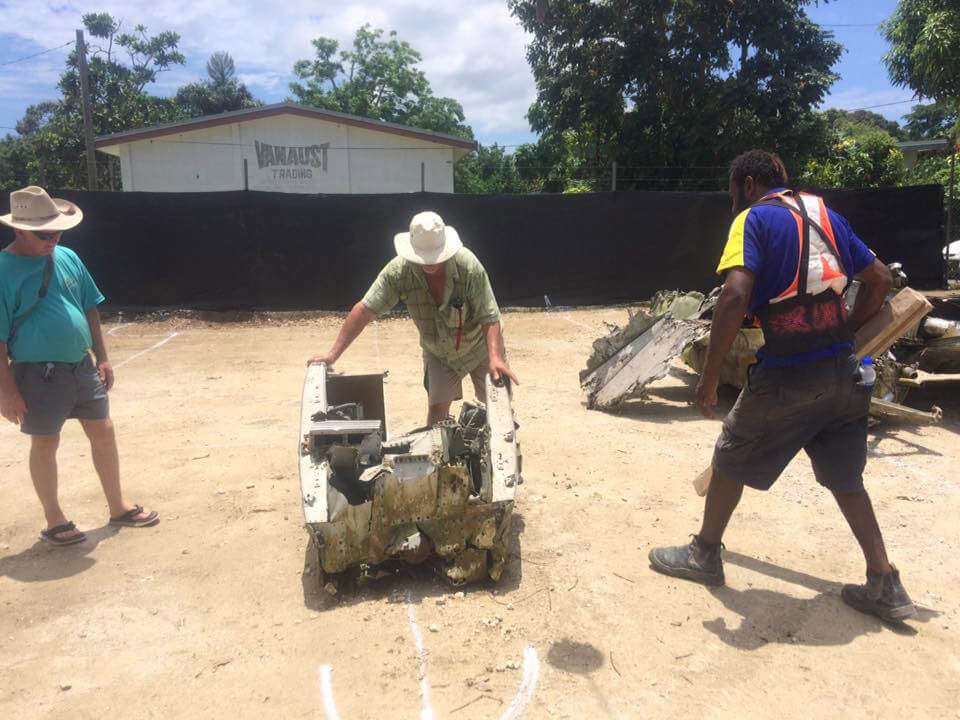
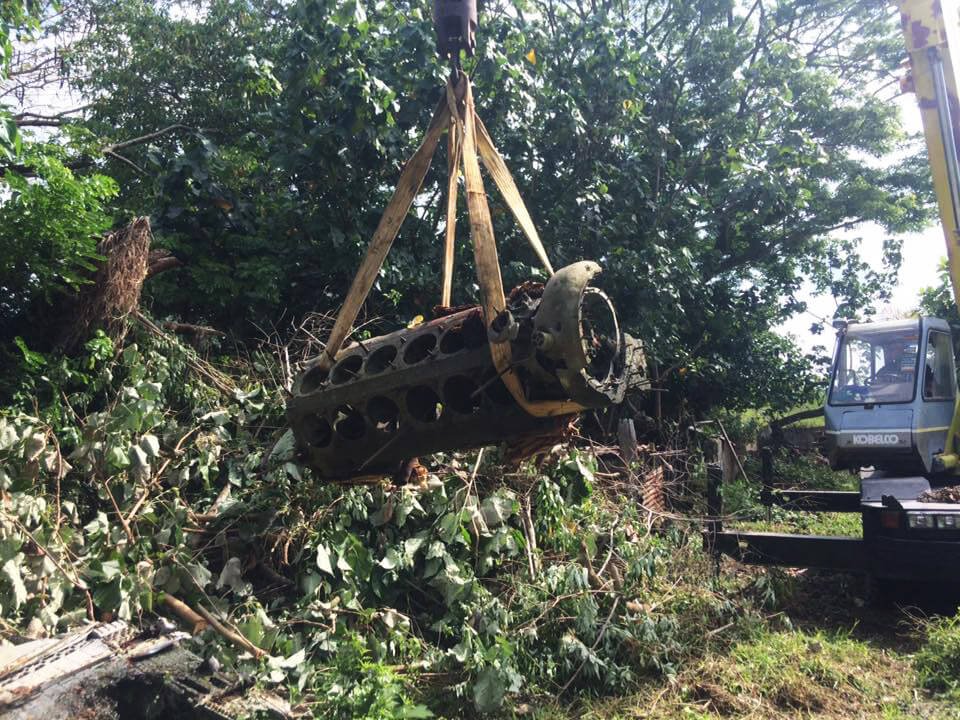
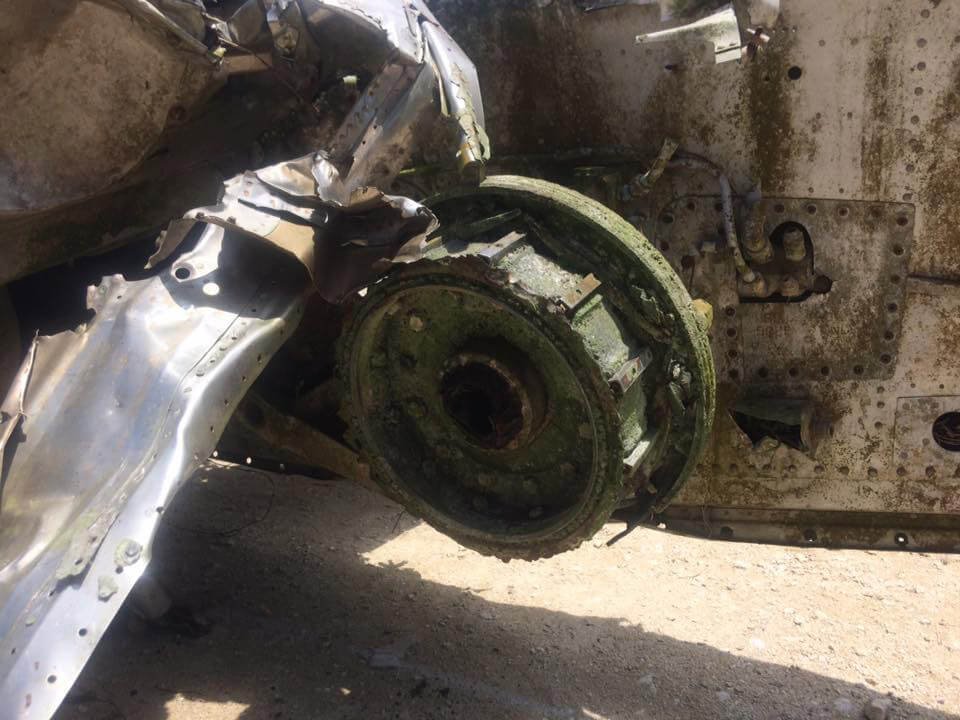
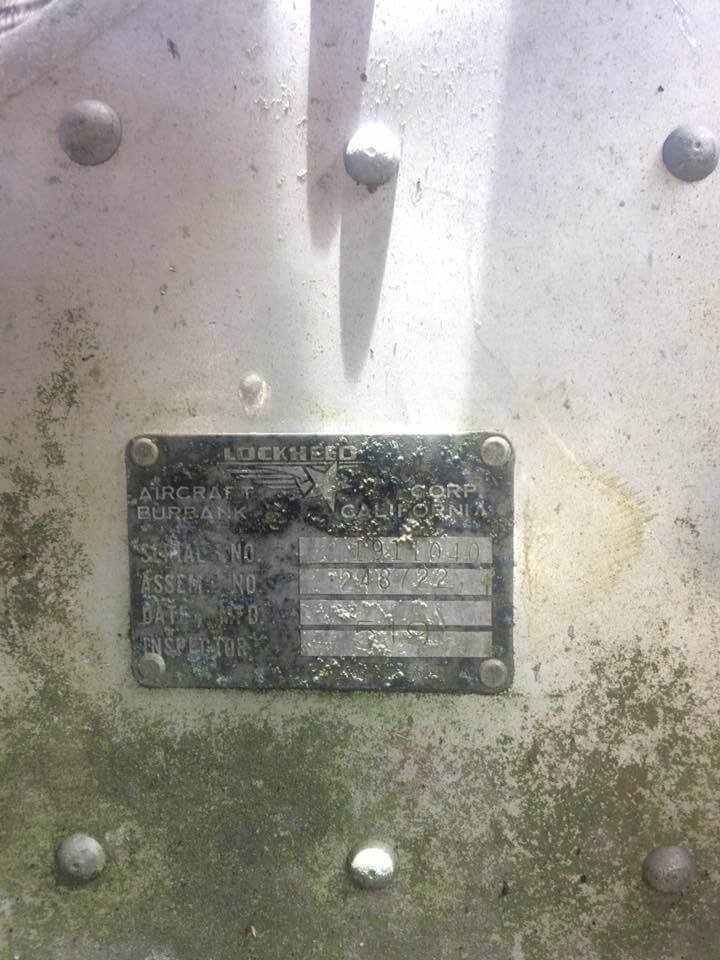
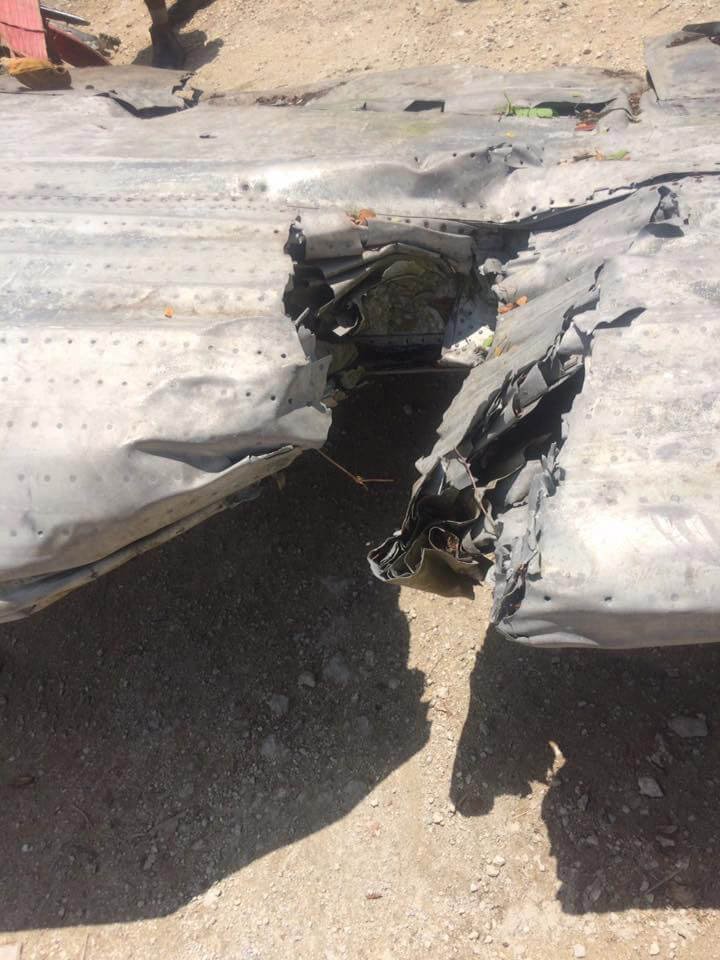
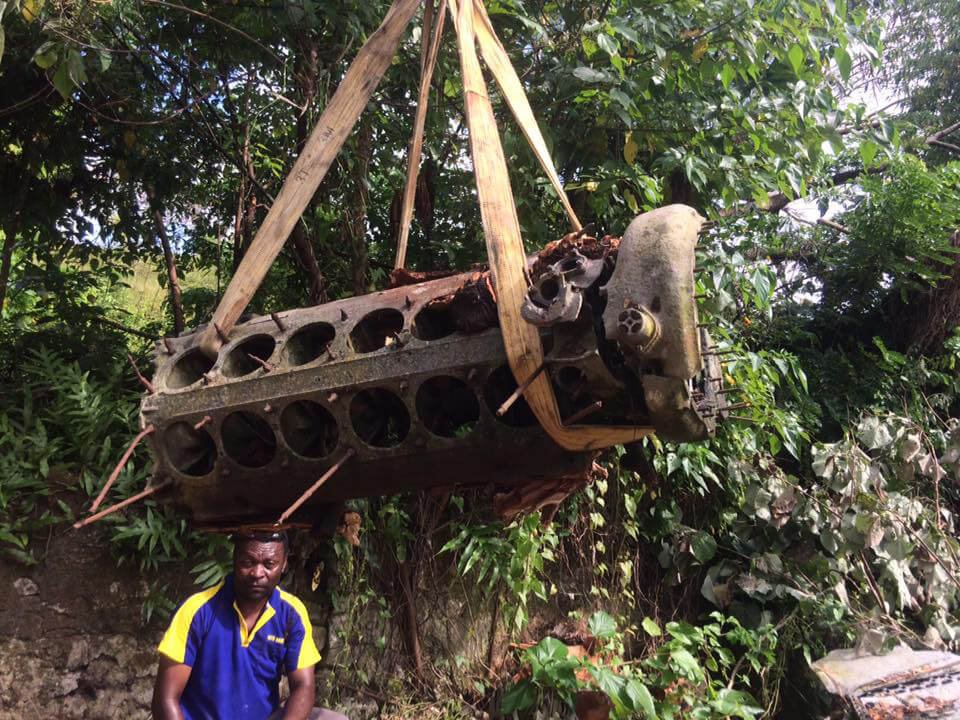
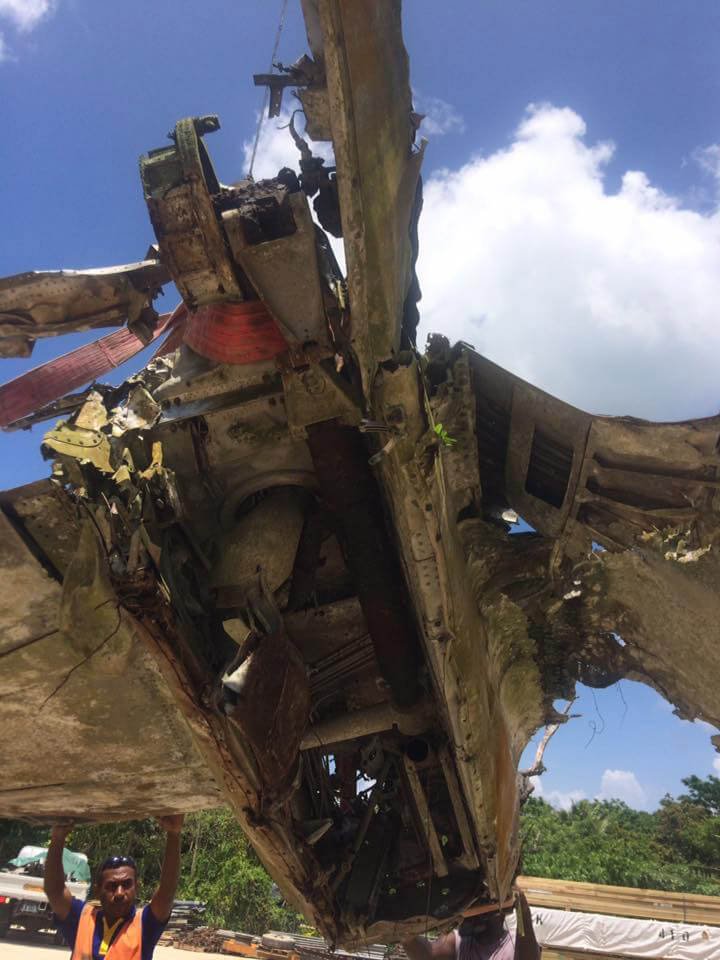
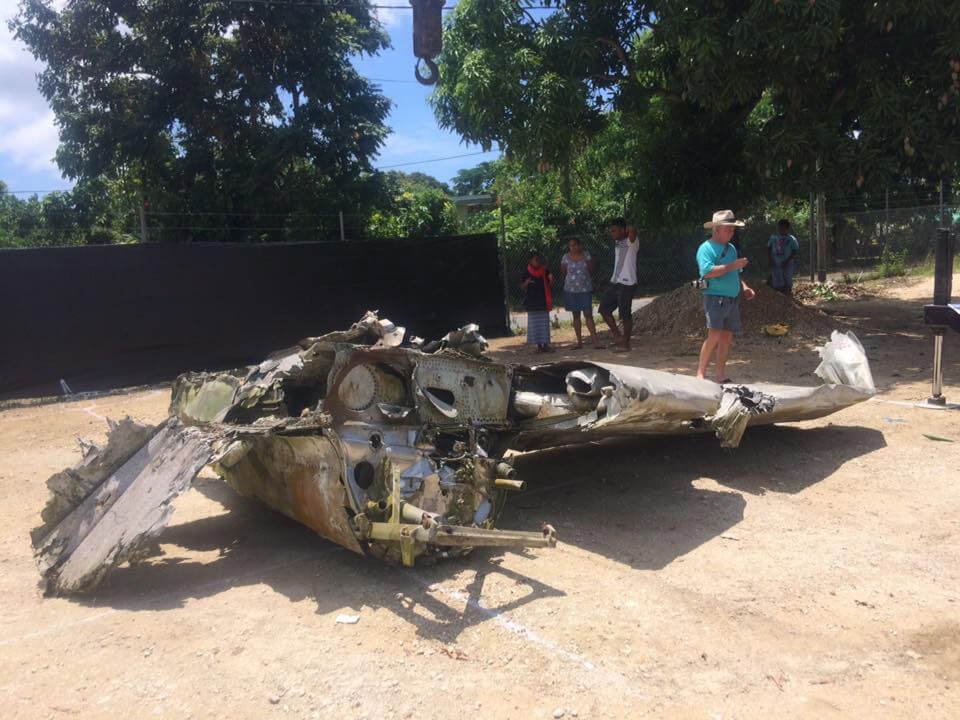
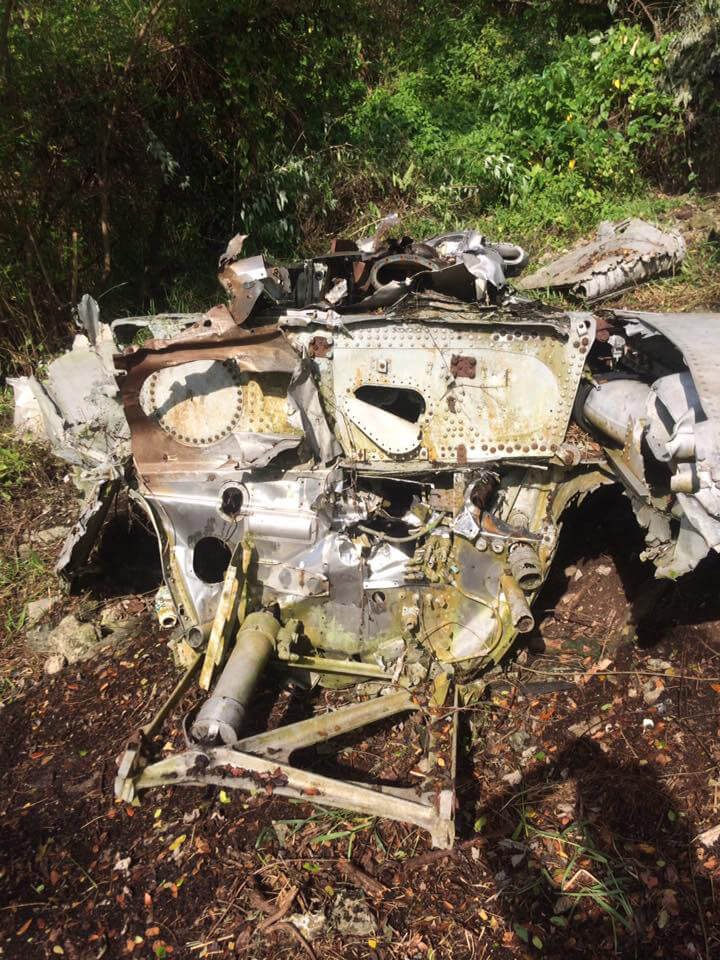
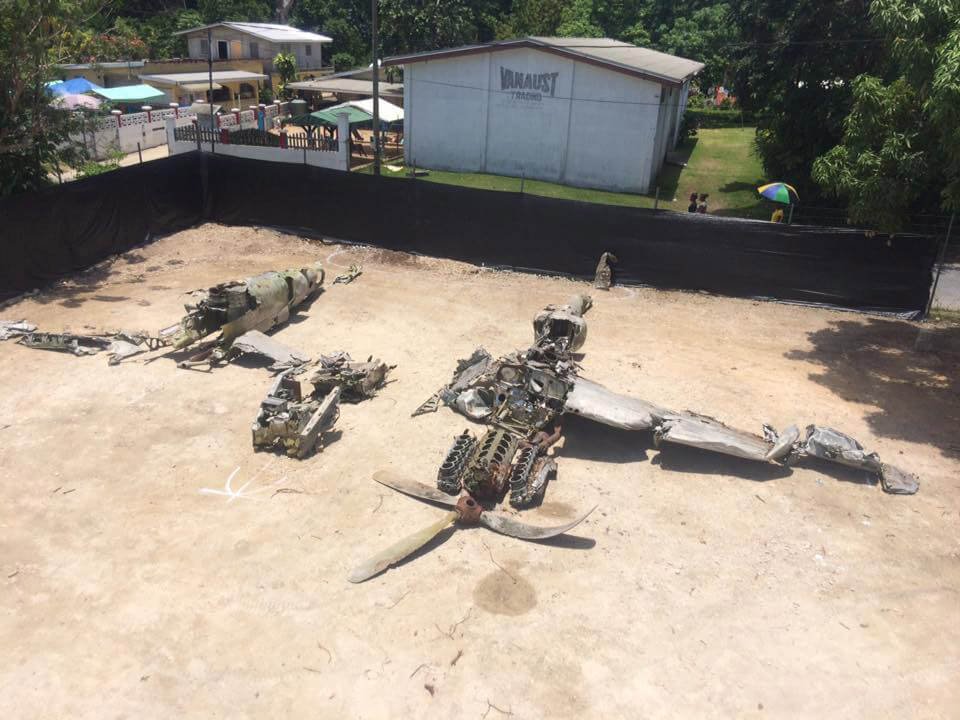
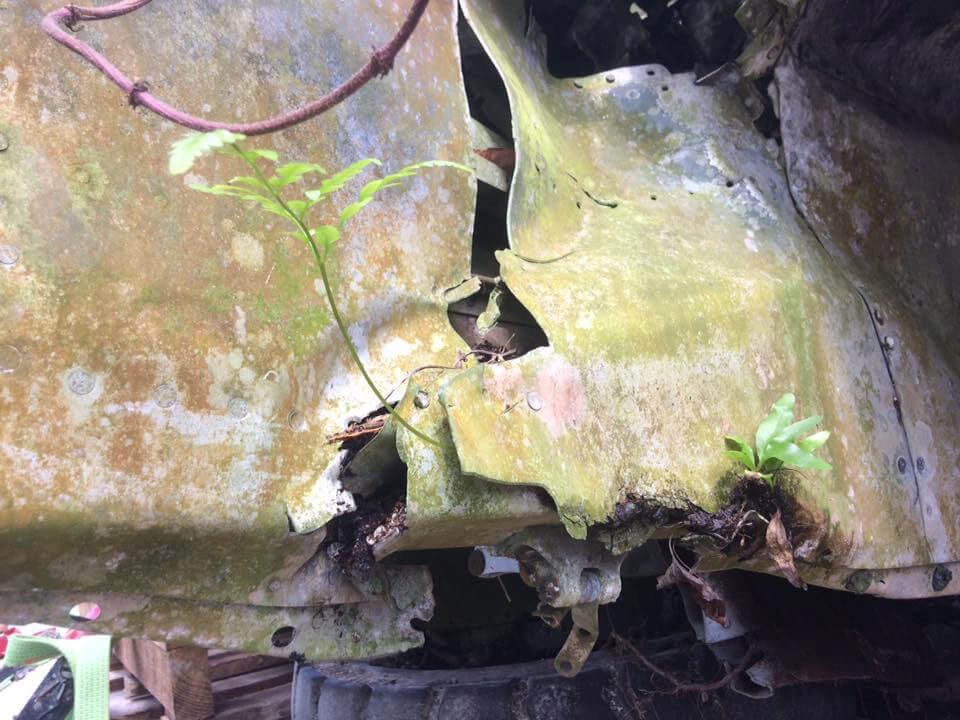
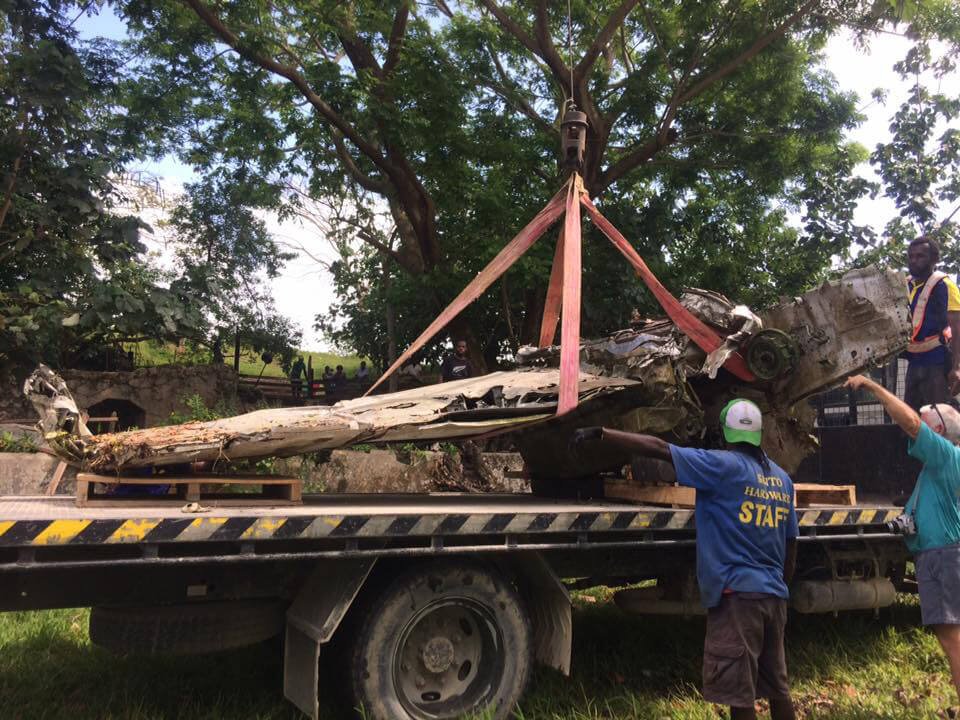
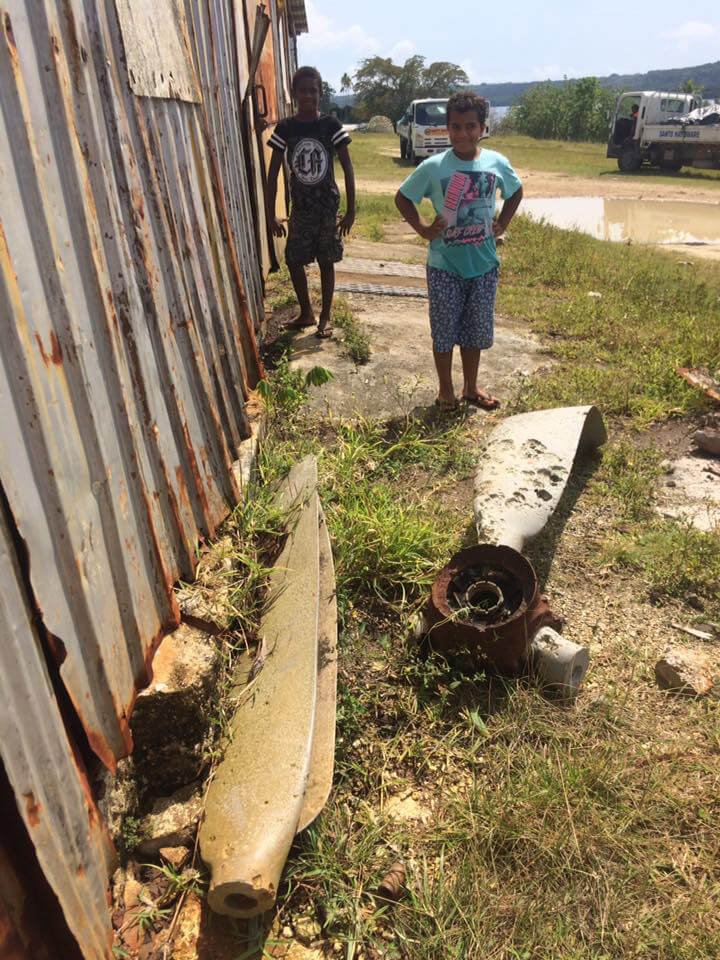
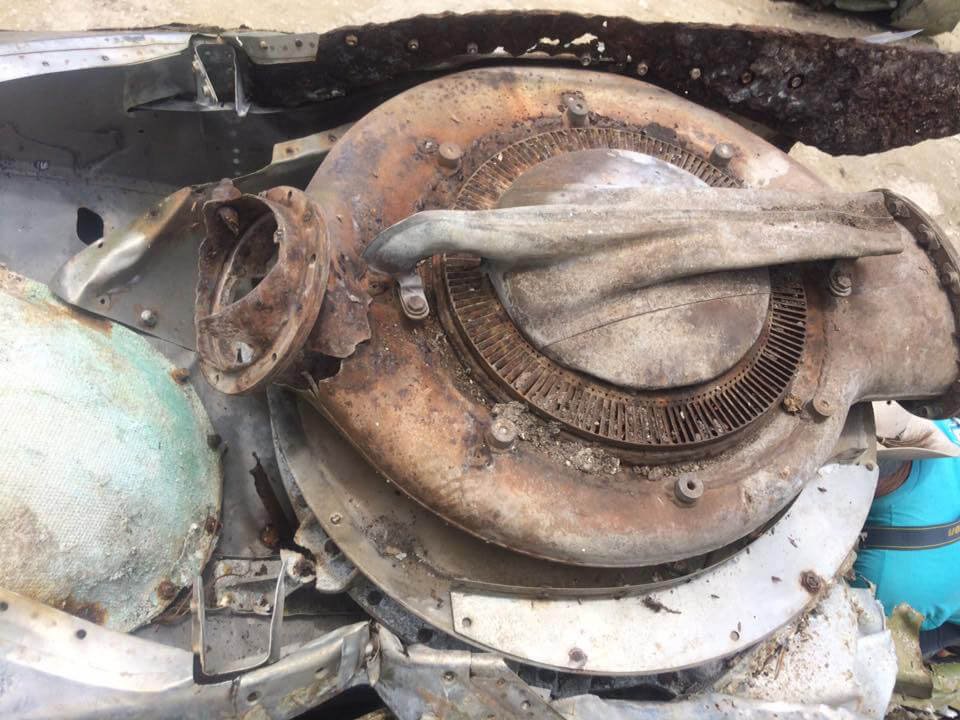
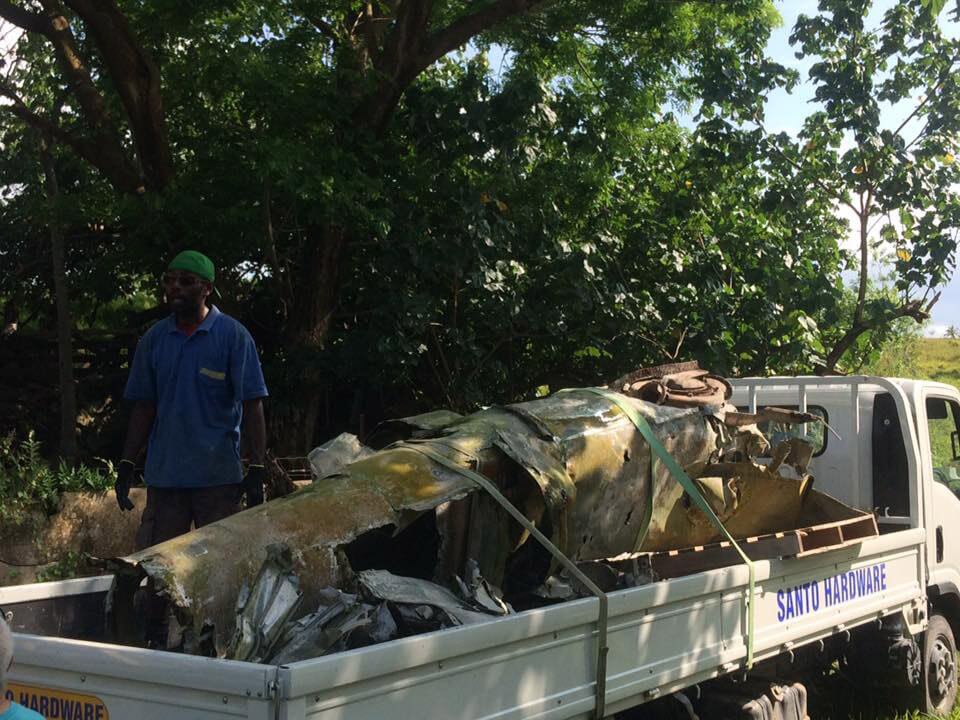
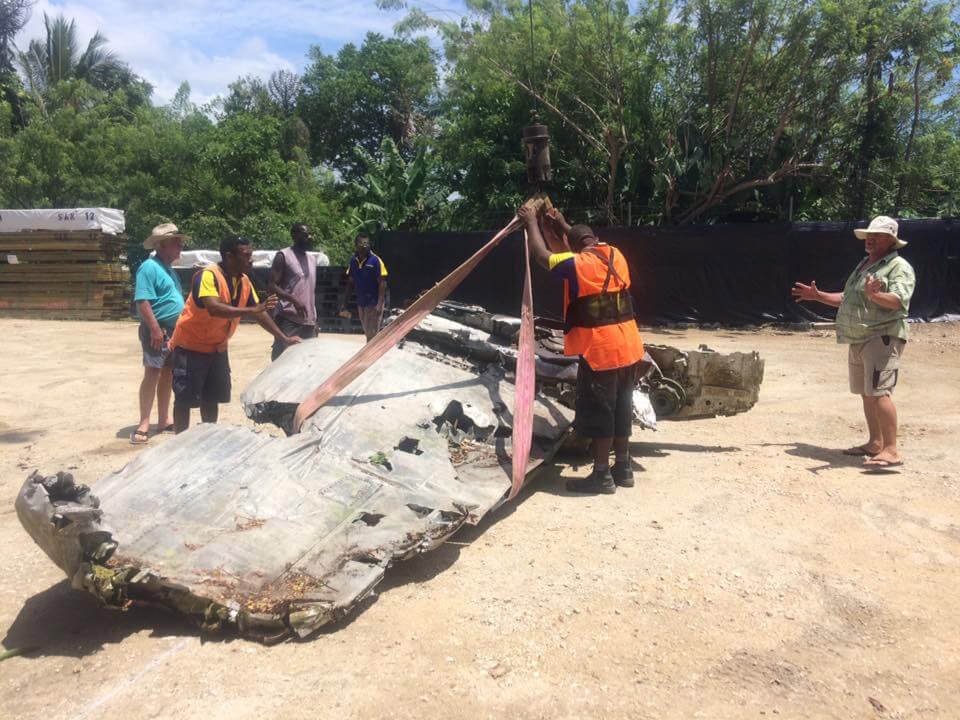
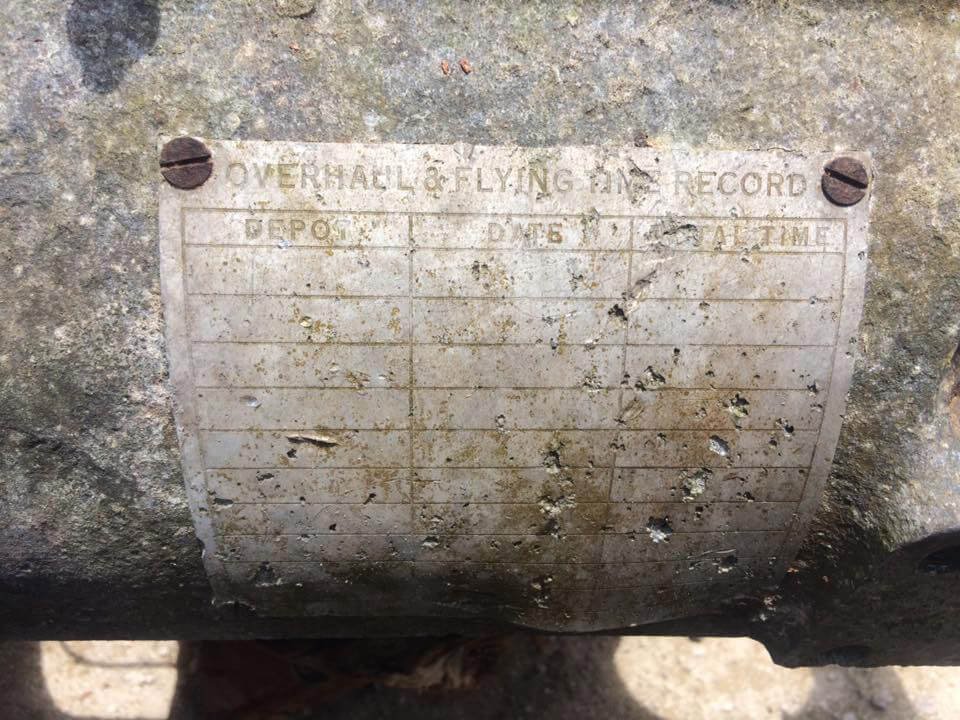
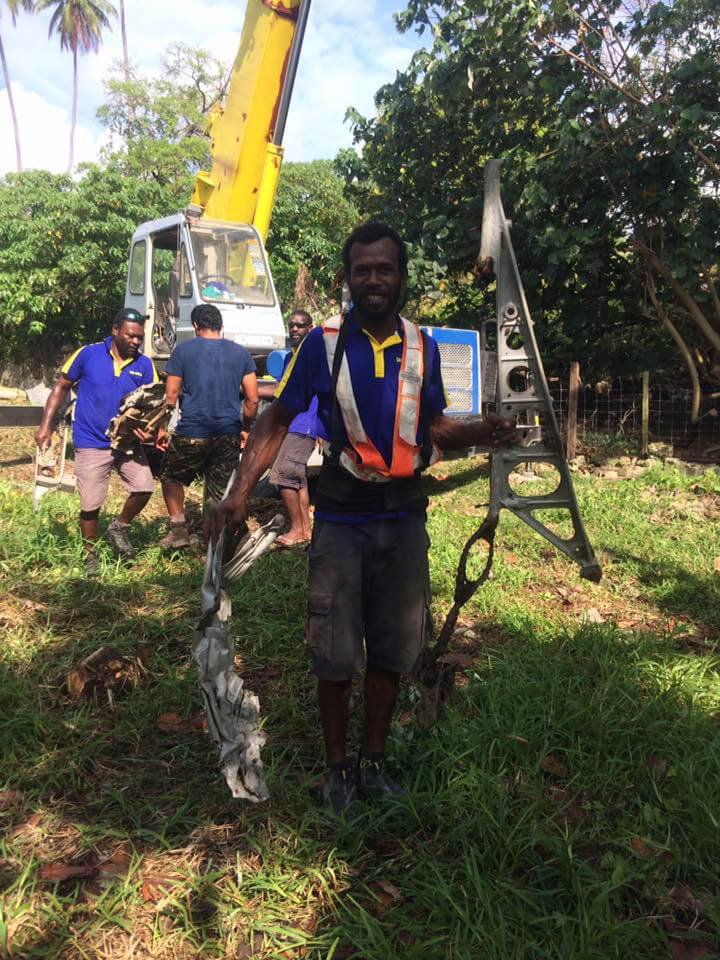
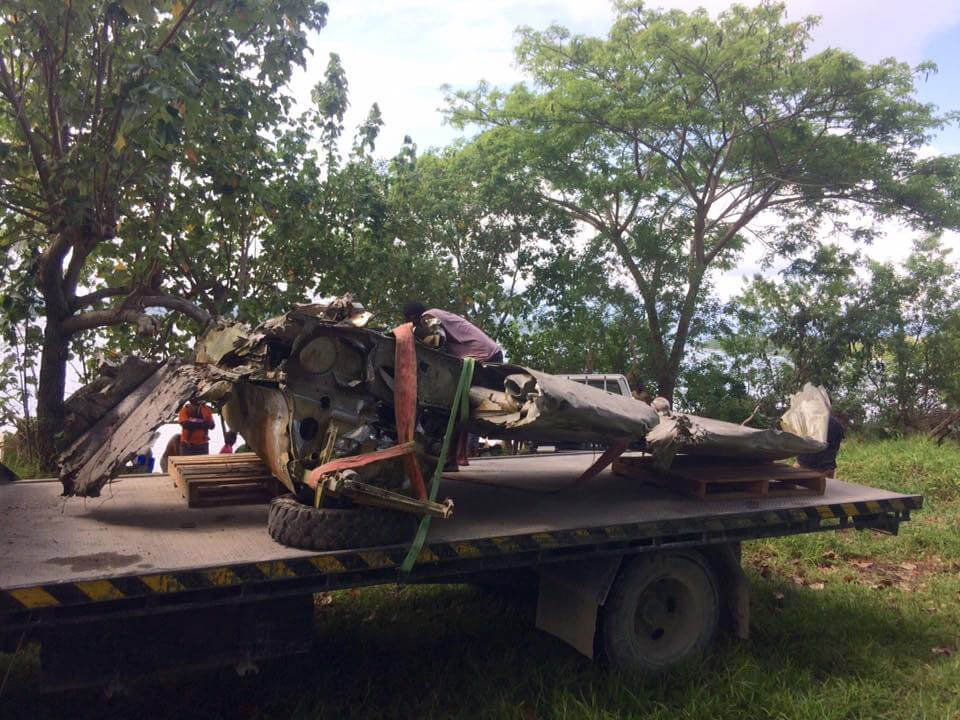
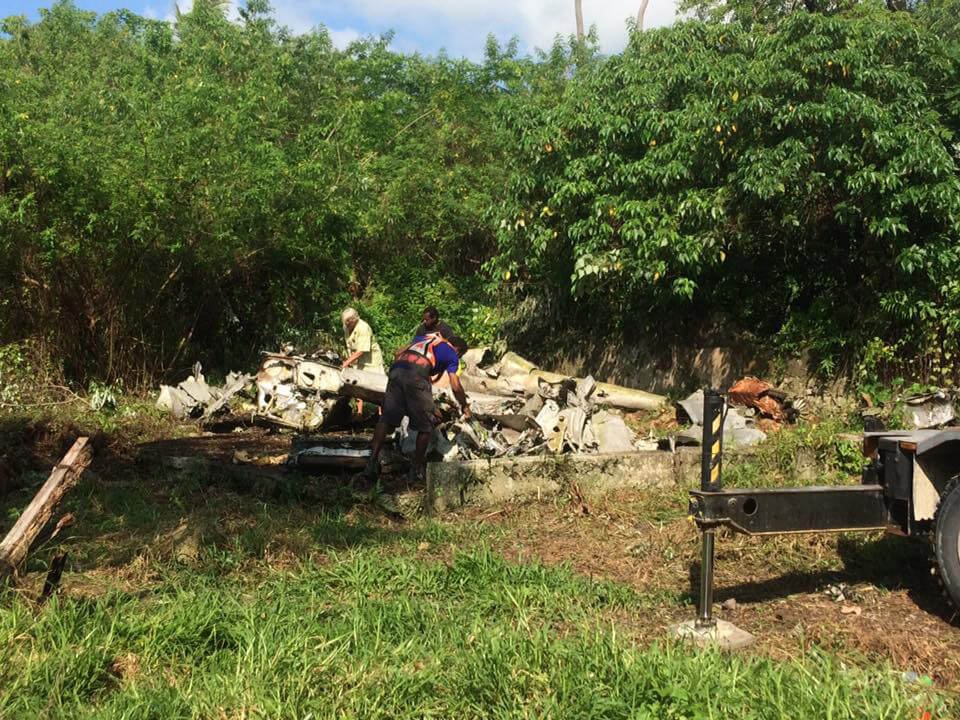
Lockheed P-38 Recovery
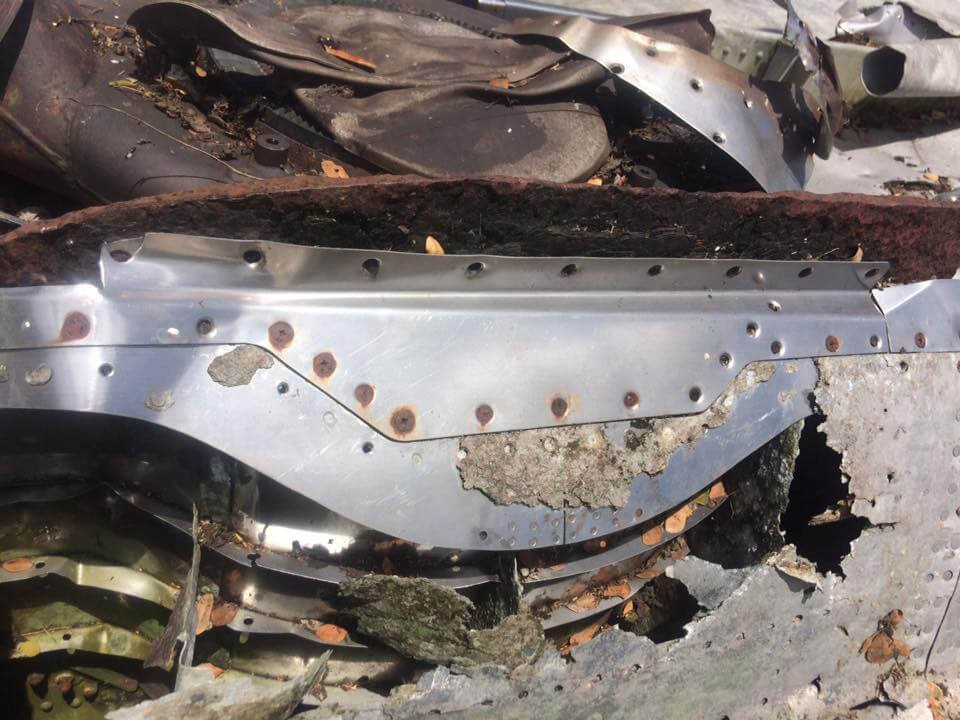
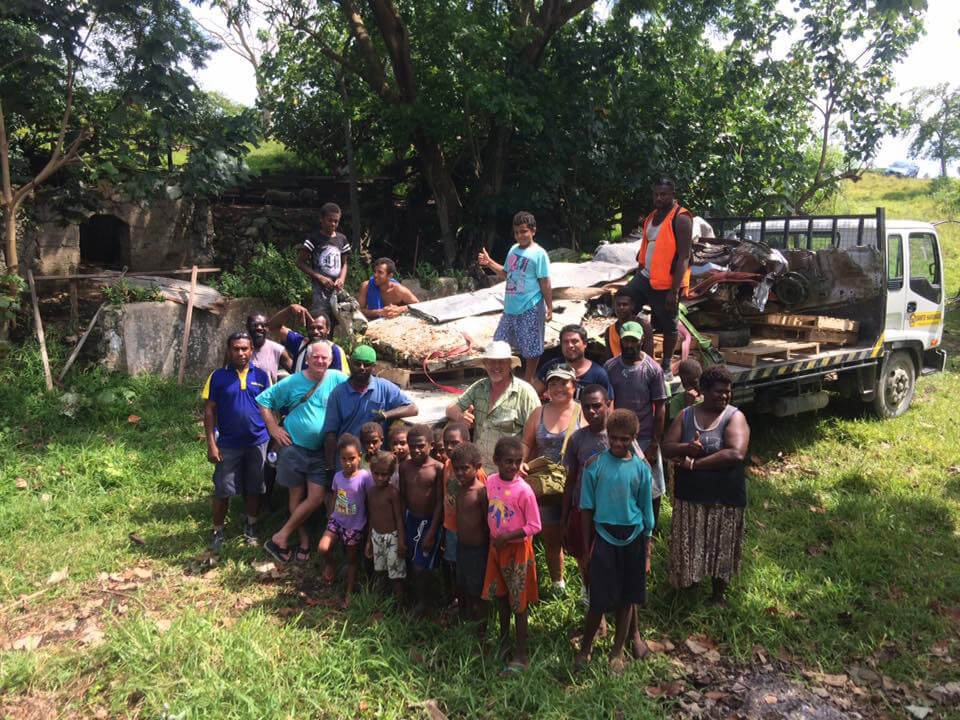
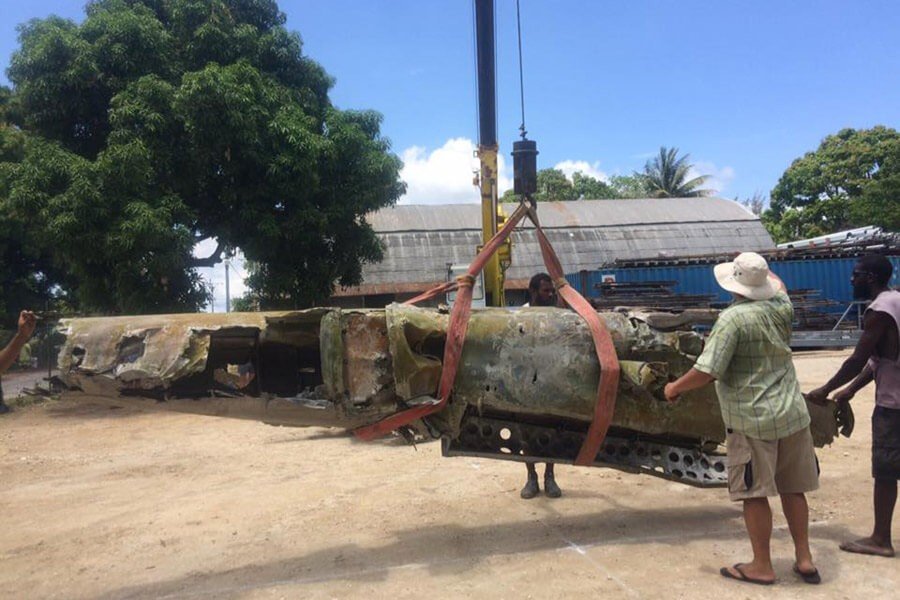
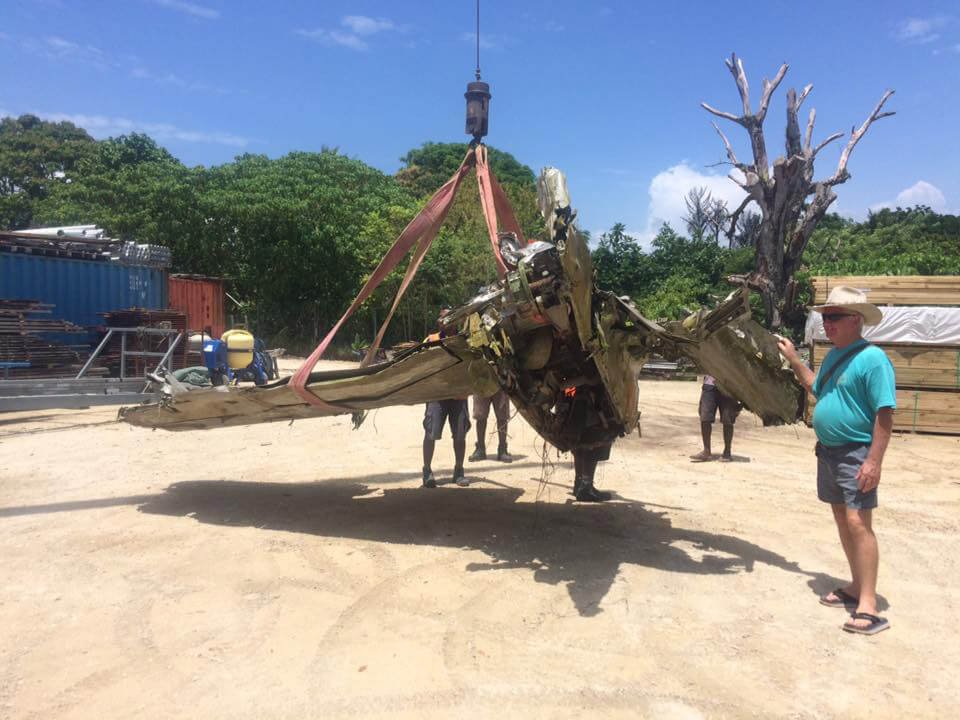
A Lockheed P-38 Lightning wreck located on Espiritu Santo was preserved through the generosity of a local landowner, who chose to donate the aircraft rather than sell it overseas. The recovery process involved careful planning and coordination with local communities. This gallery documents the extraction and initial preservation of the aircraft for future display and research.
Boeing B-17 Wreck Site
The remains of a Boeing B-17 bomber, believed to be “Yankee Doodle Jr,” lie near Luganville where it crashed during the war. Due to extensive corrosion and structural deterioration, the aircraft has not been recovered. The site remains in situ and serves as a significant historical location associated with Allied operations on Espiritu Santo.
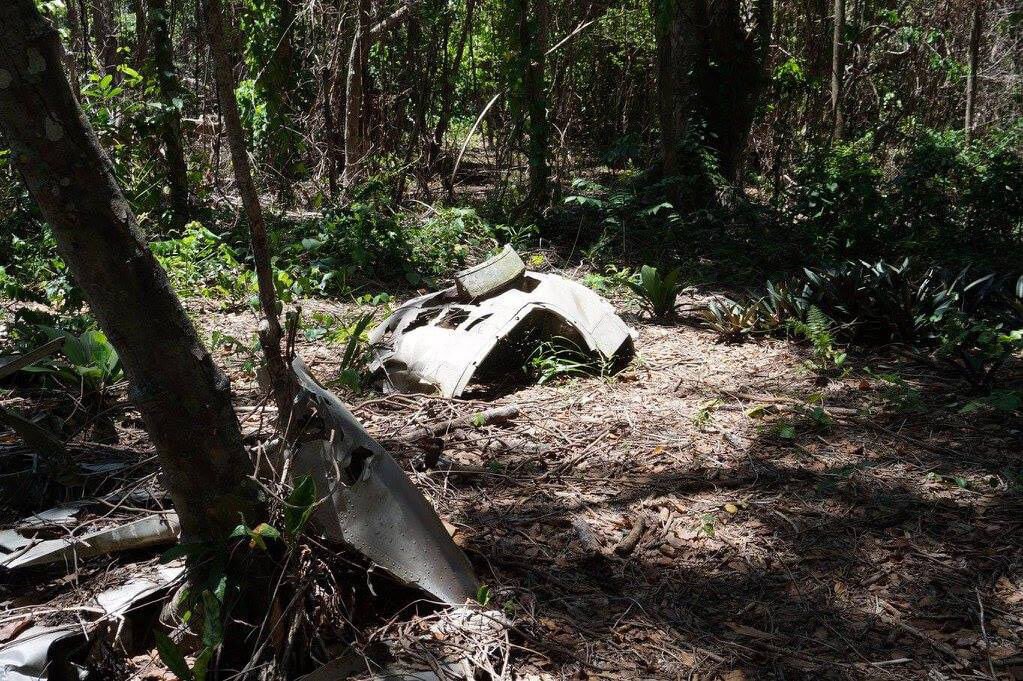
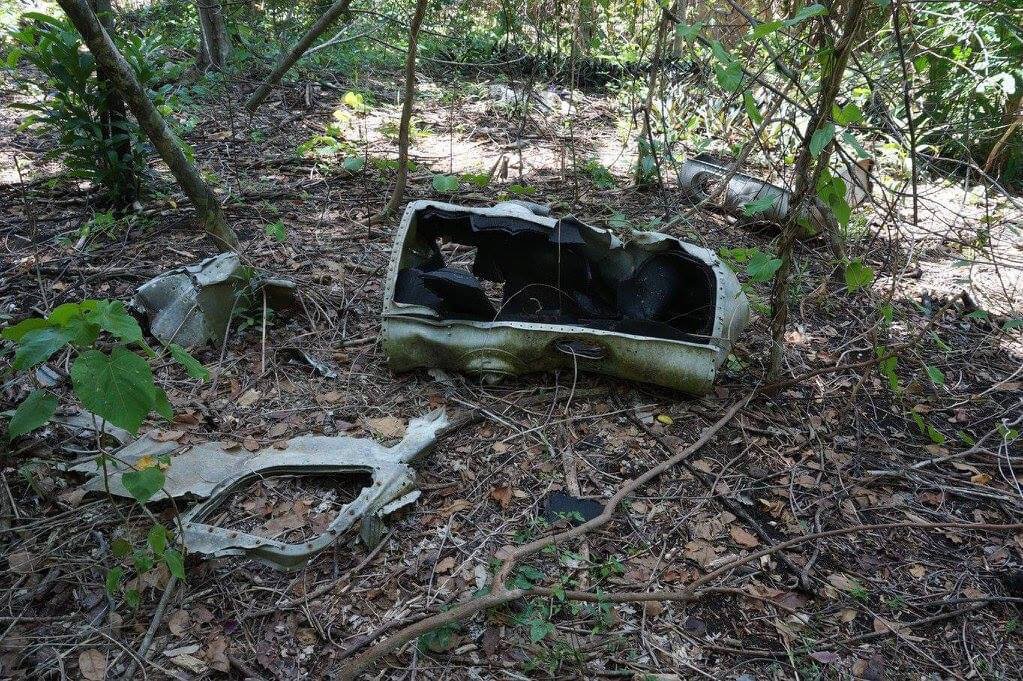
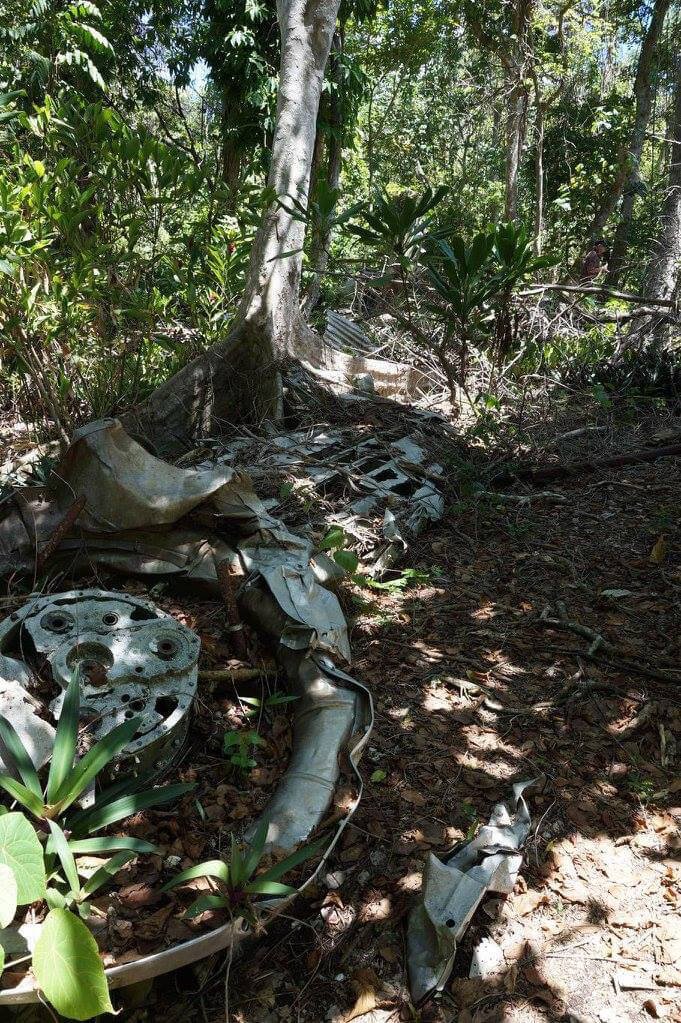
Vought F4U Corsair Wreck Site
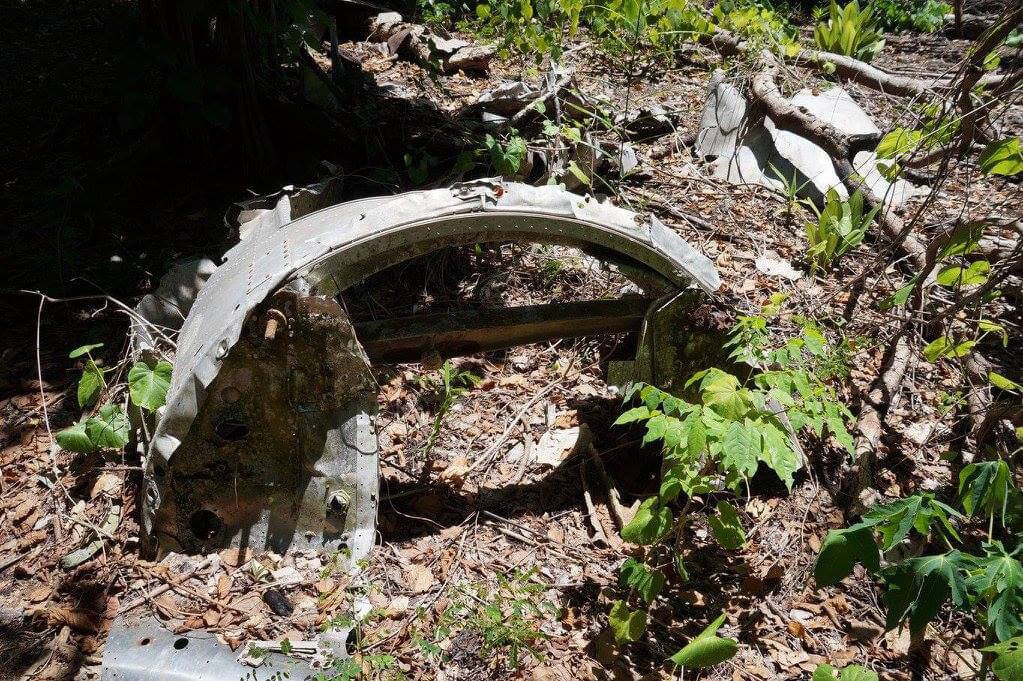
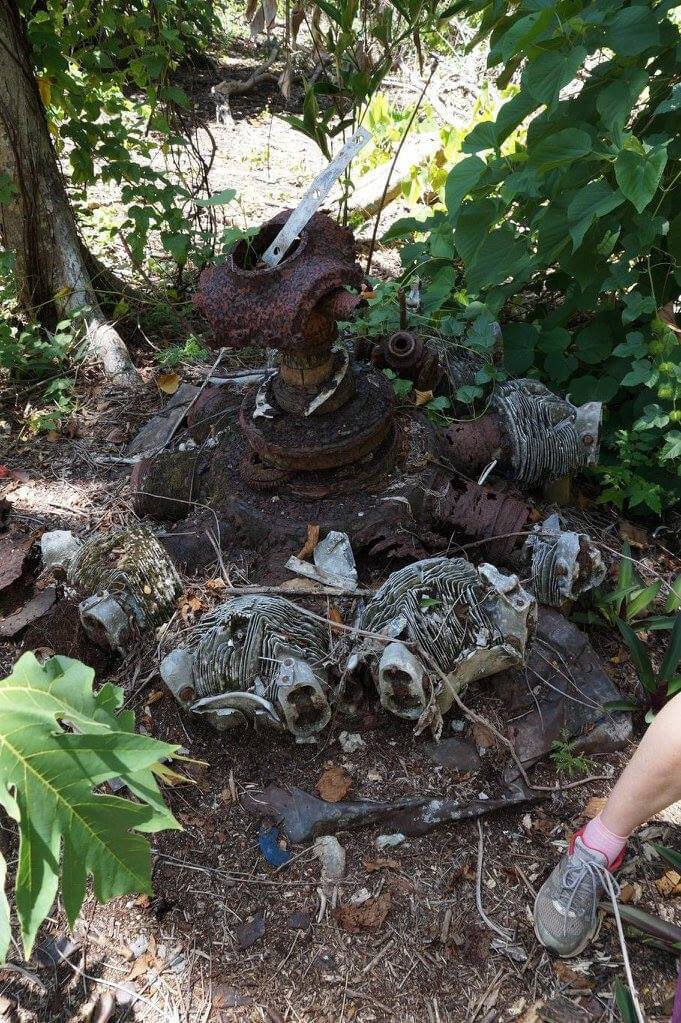
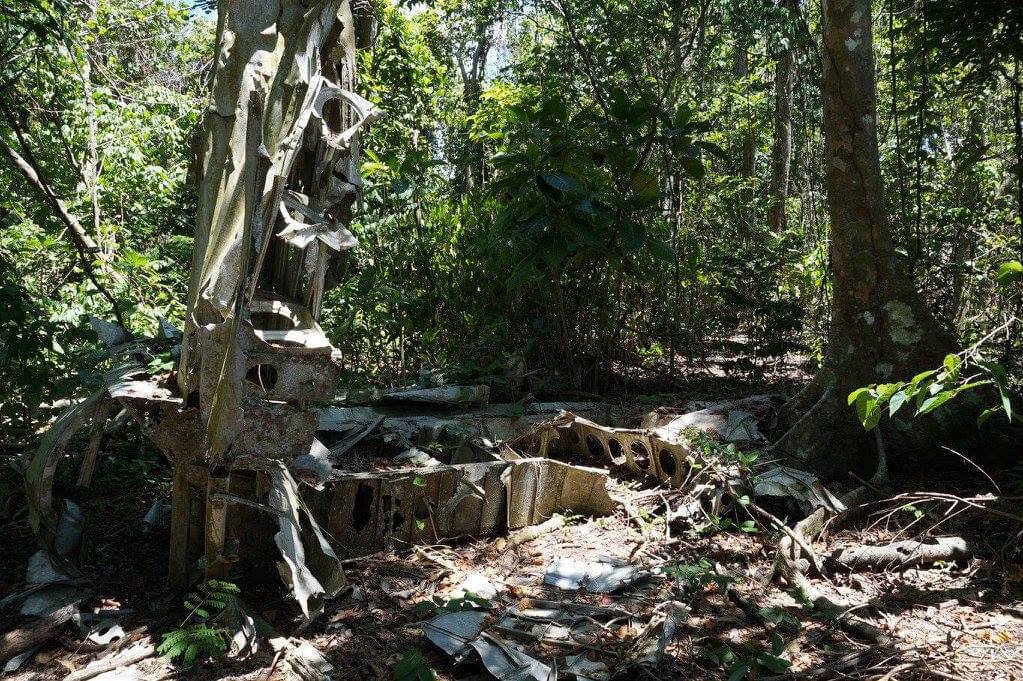
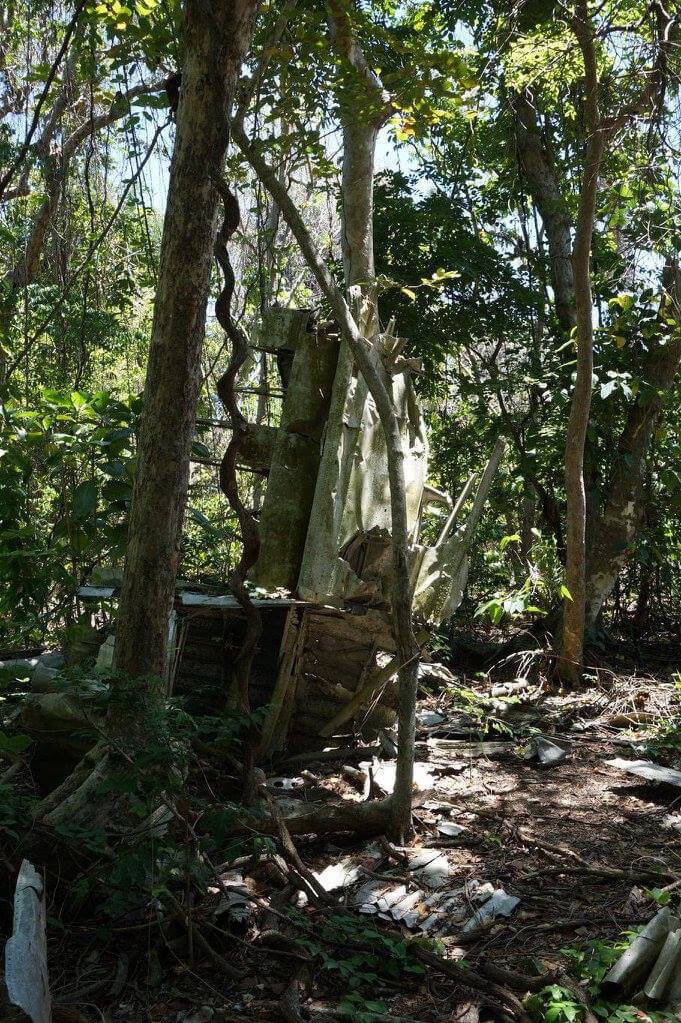
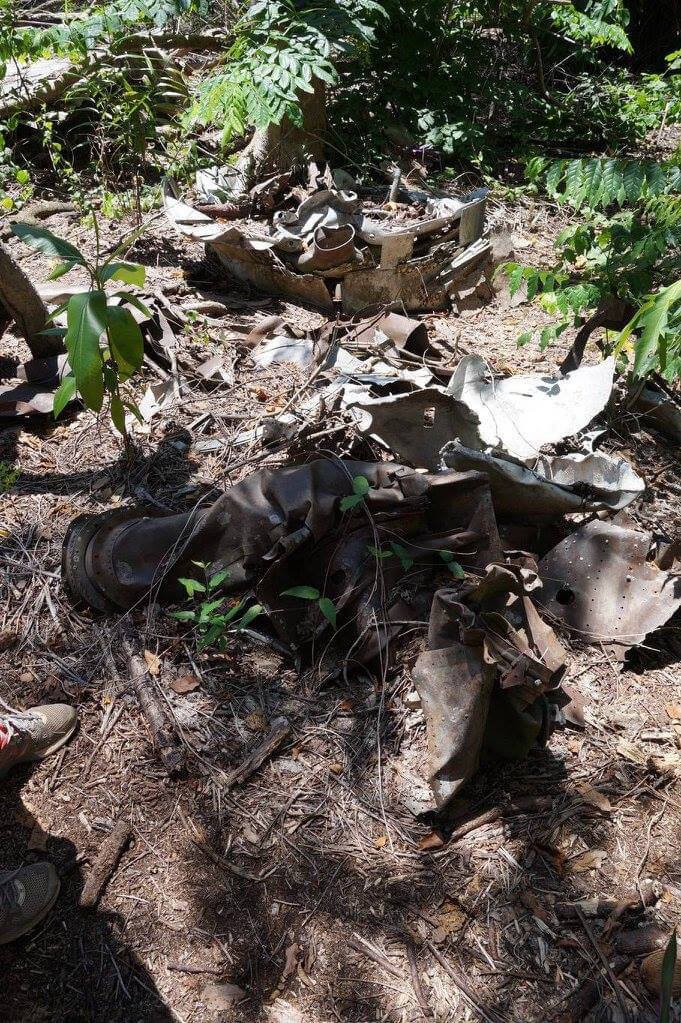
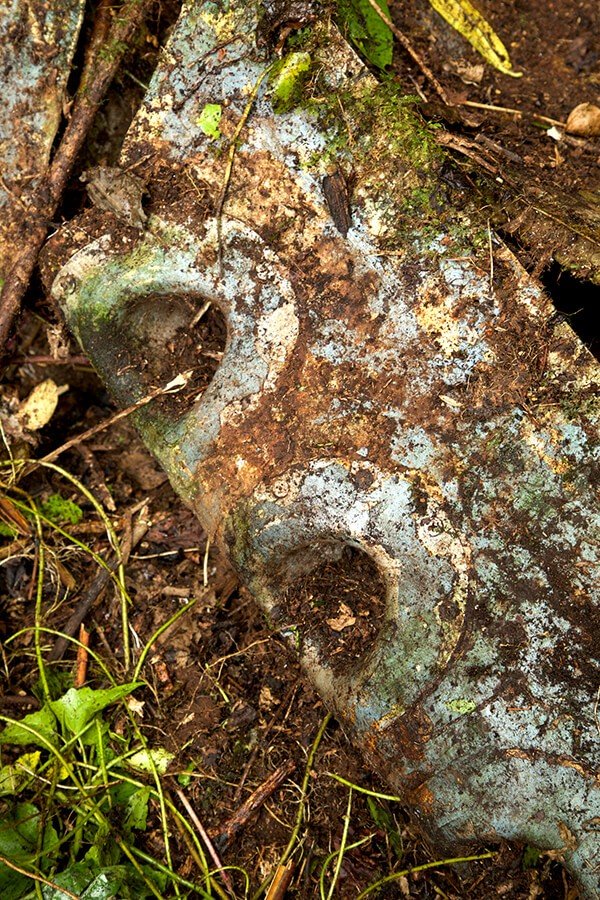
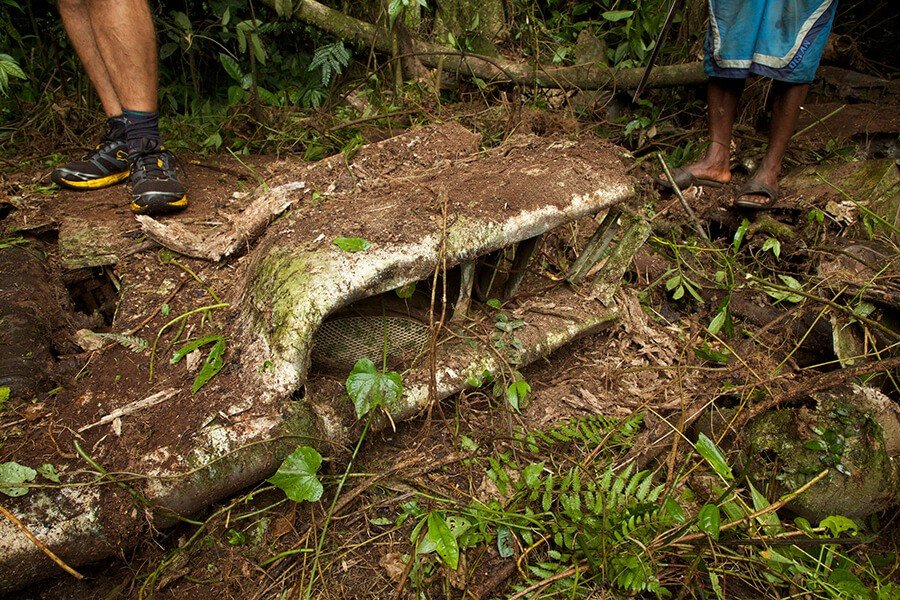
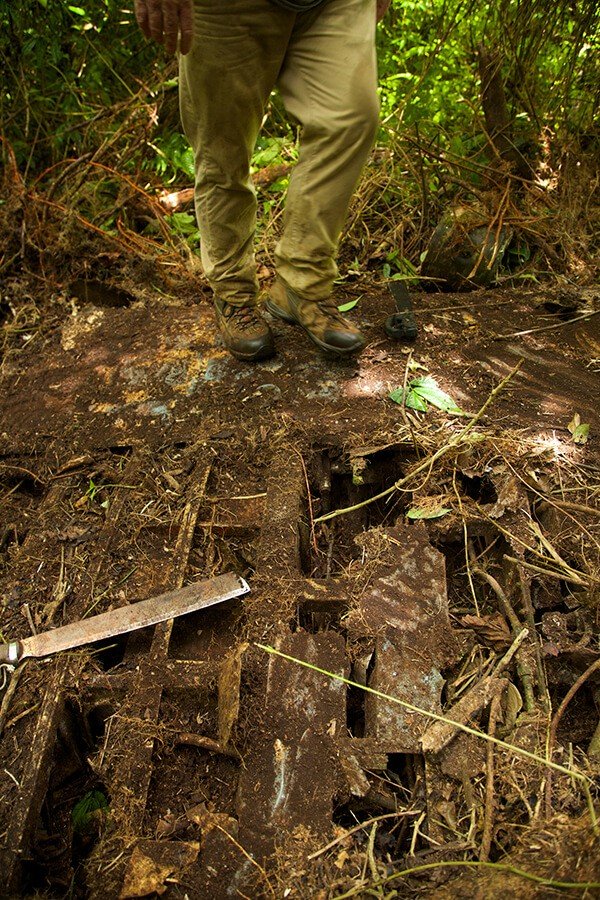
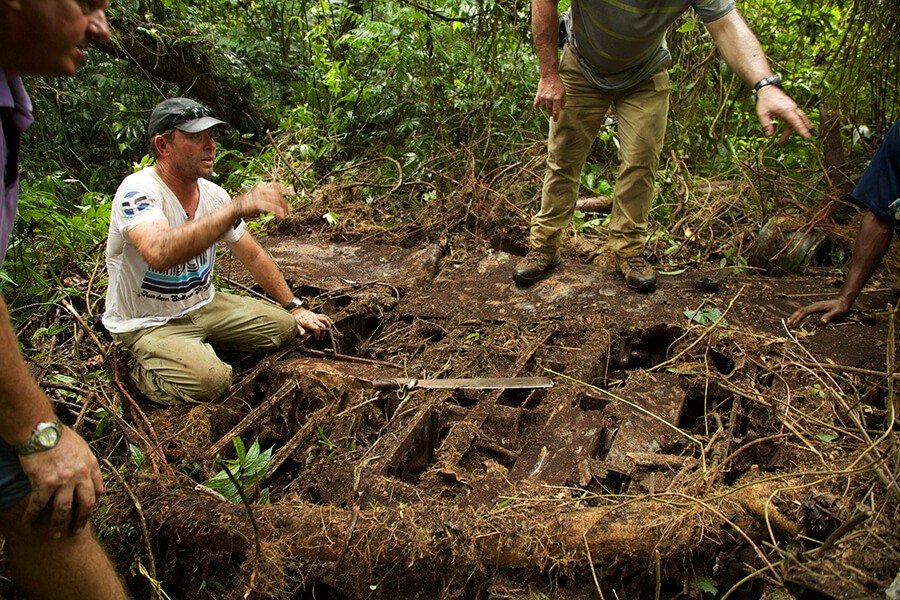
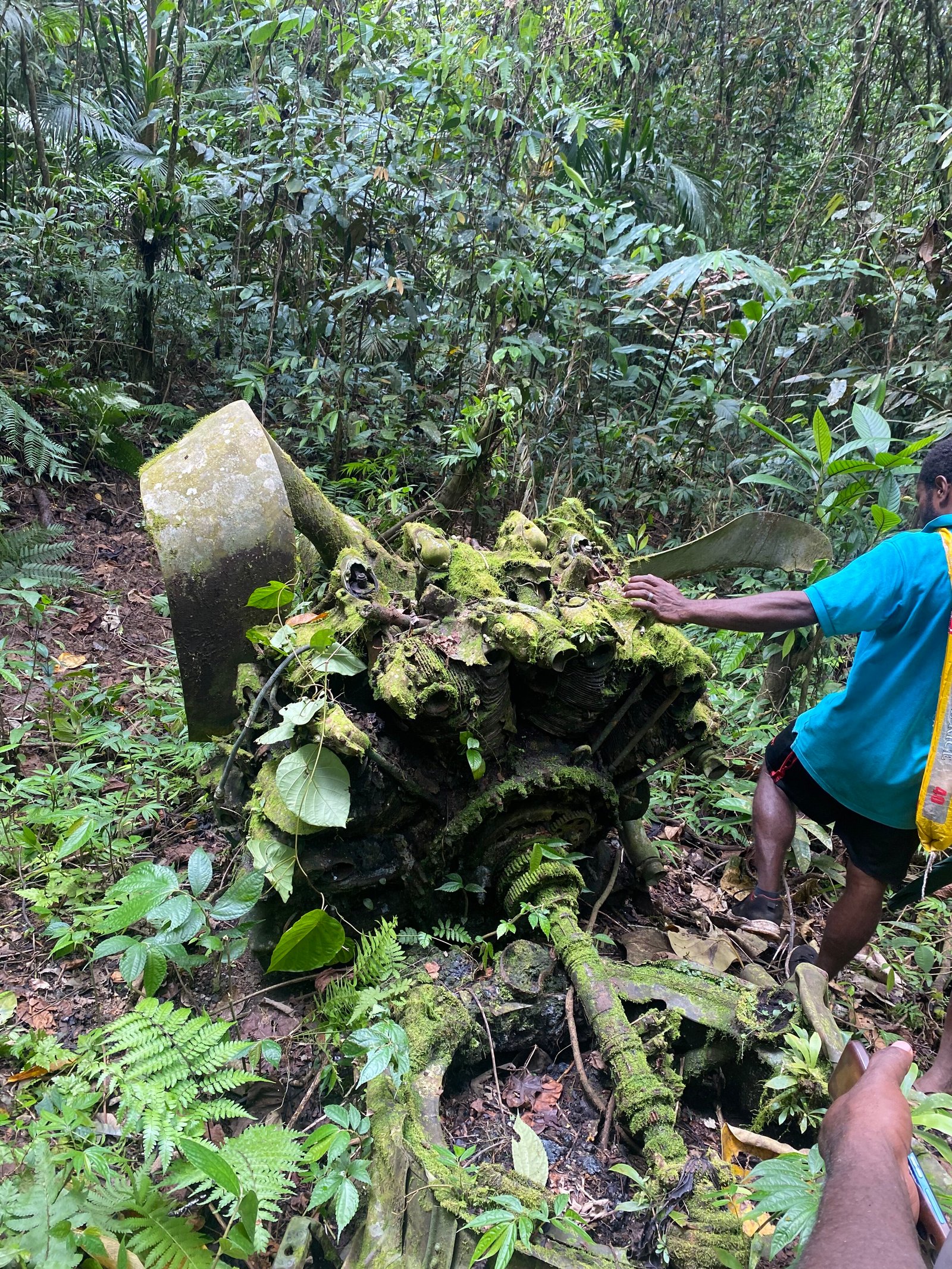
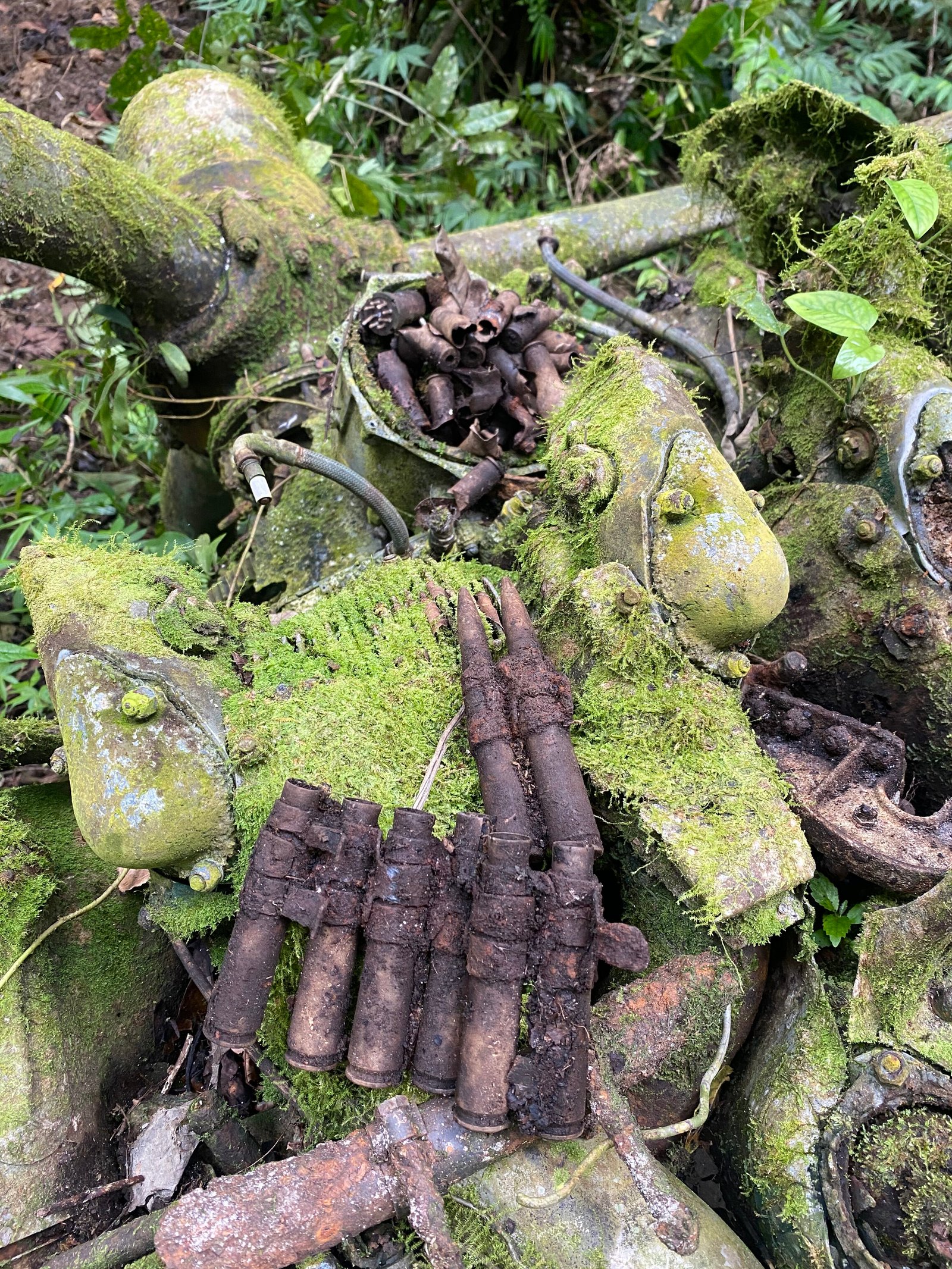
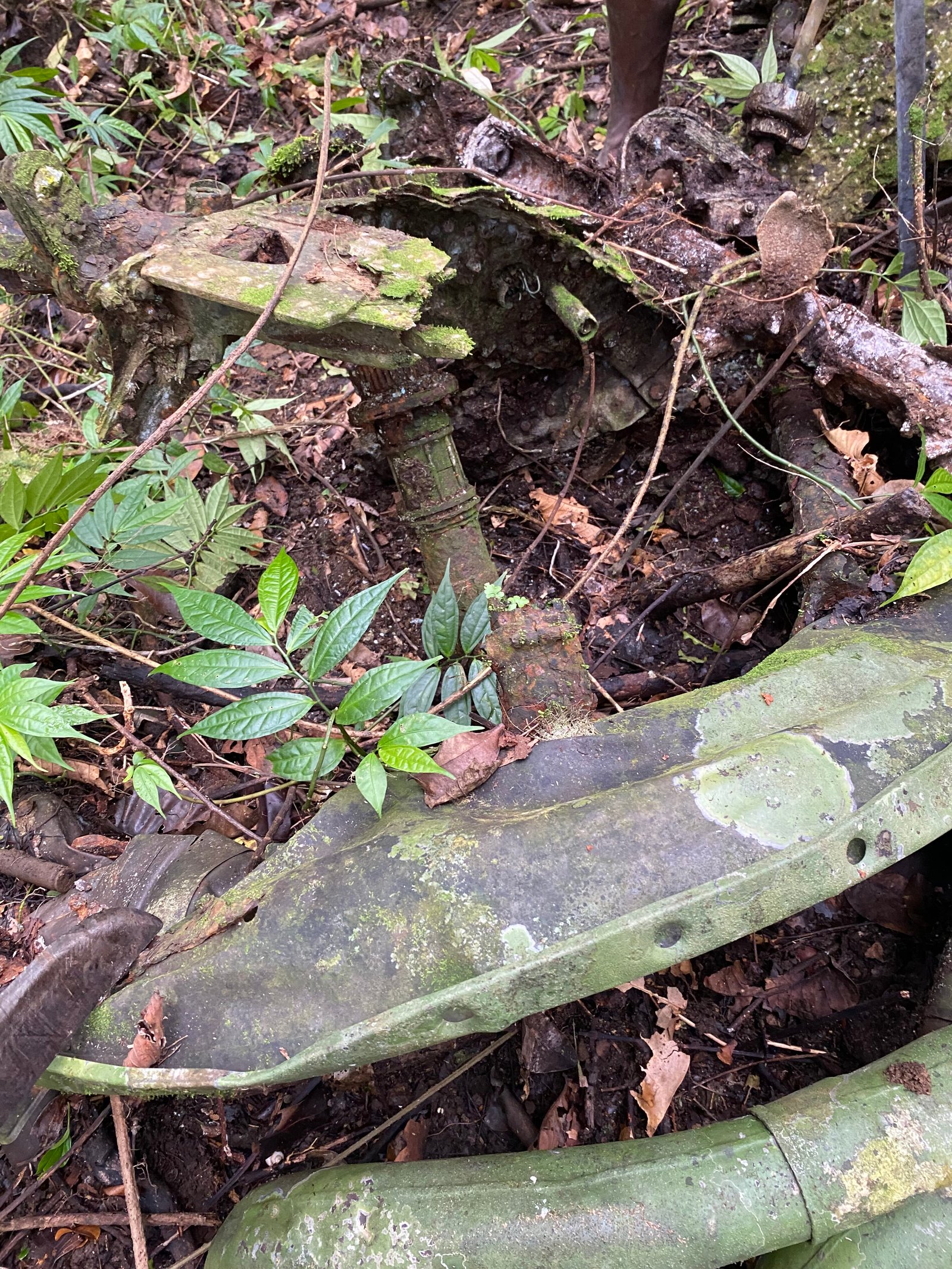
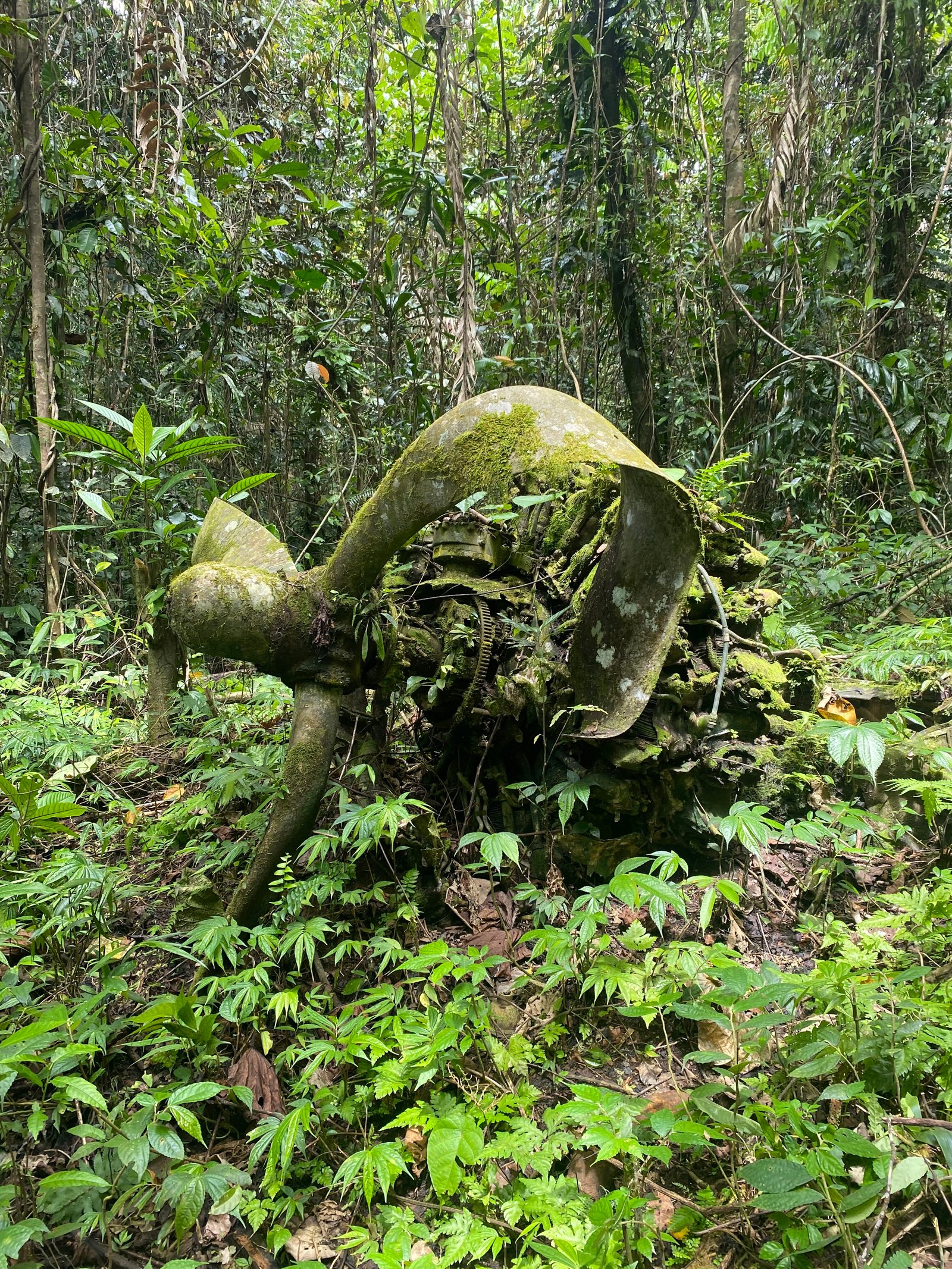
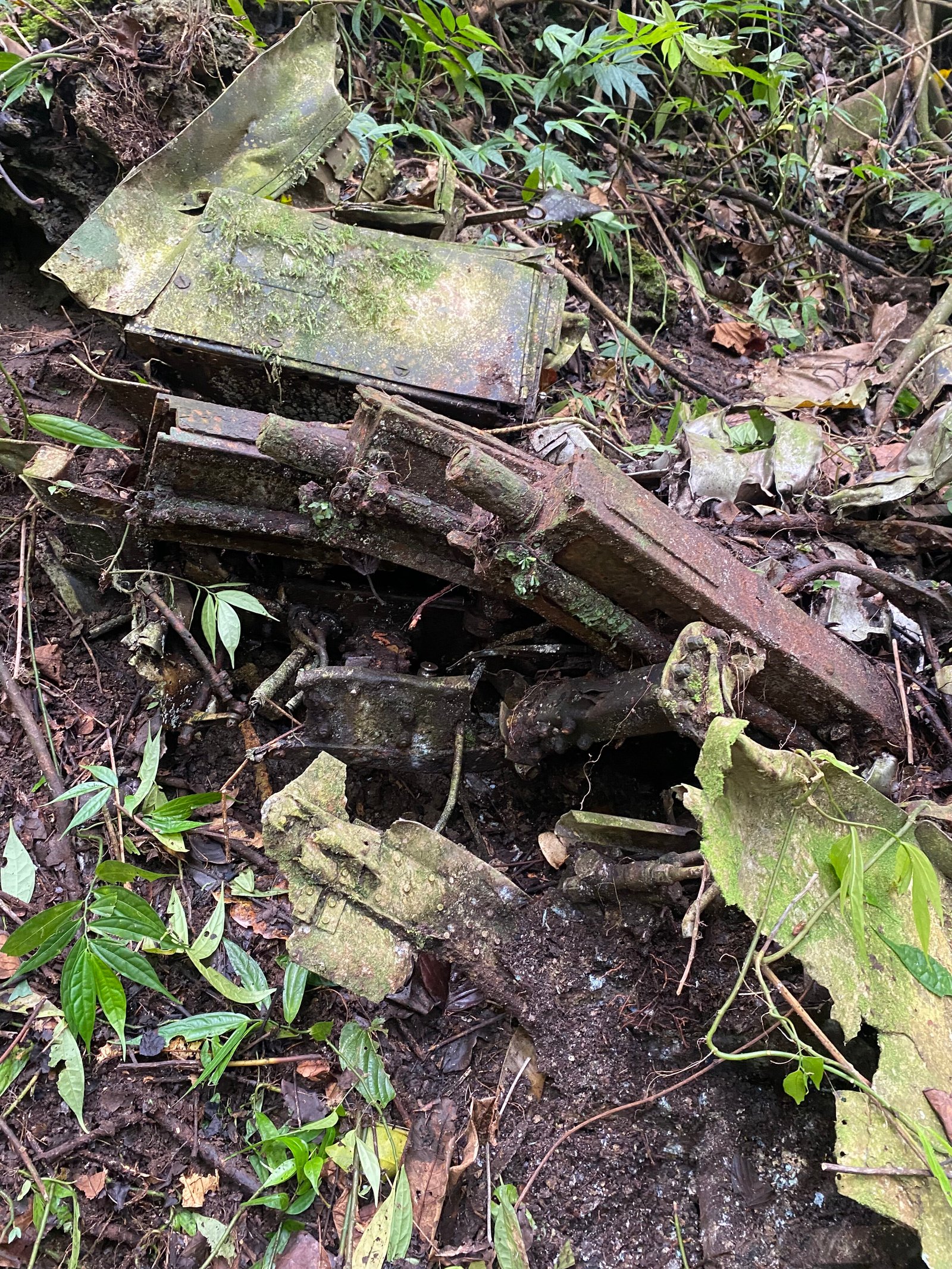
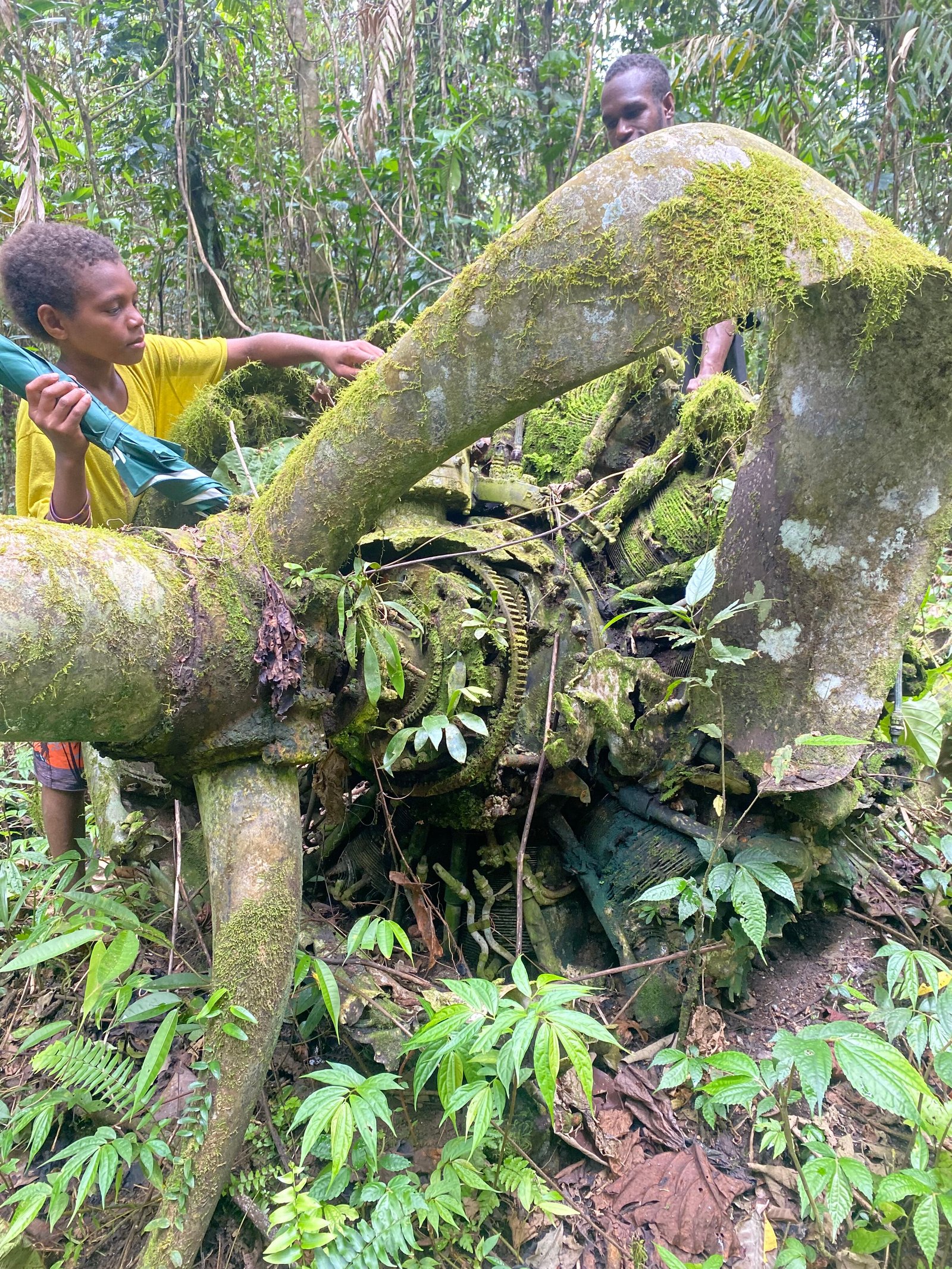
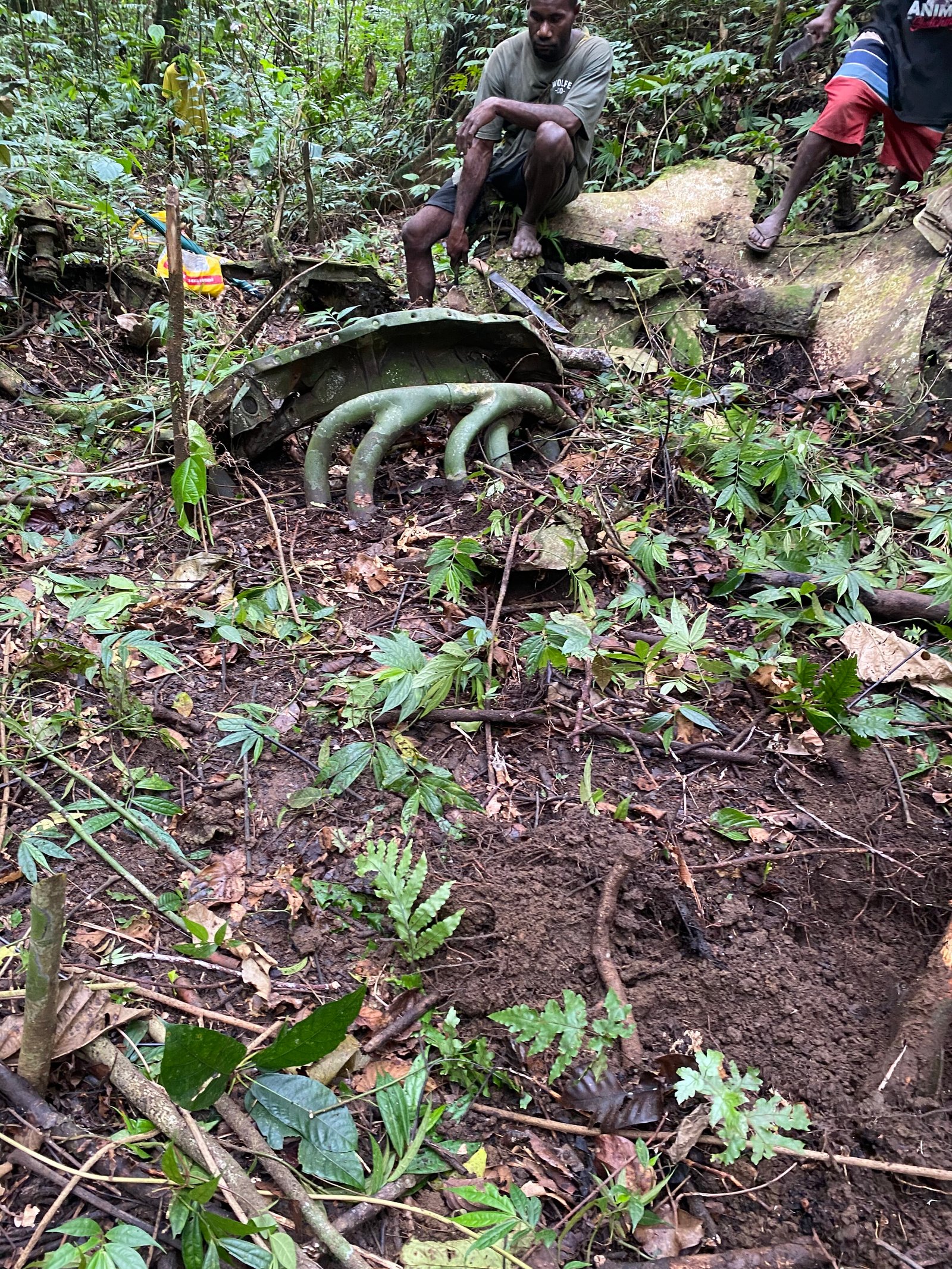
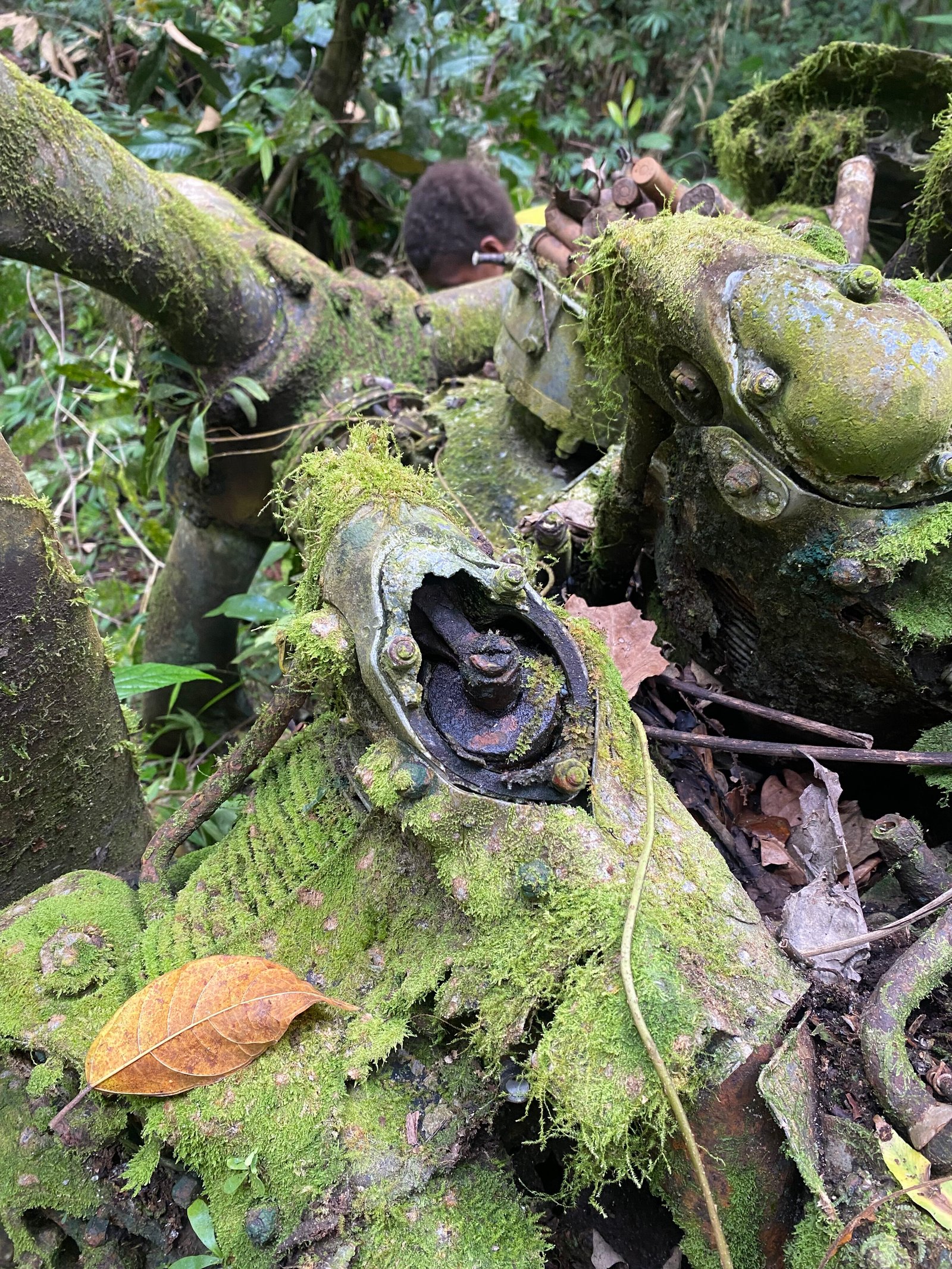
This F4U Corsair wreck is located inland on Espiritu Santo. Like many aircraft lost during the war, it remained hidden for decades in dense jungle terrain. The site provides insight into the scale of wartime air operations and the number of aircraft lost across the islands.
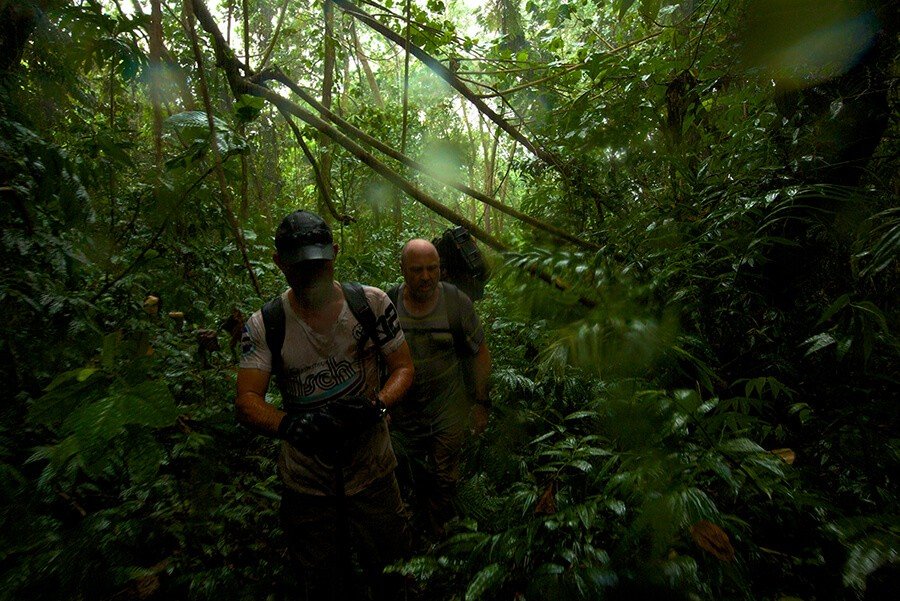
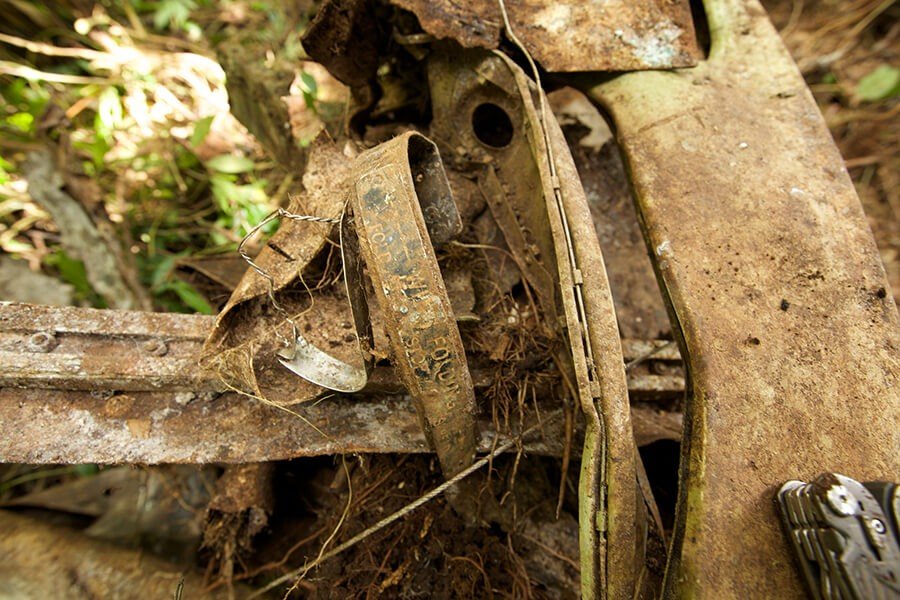
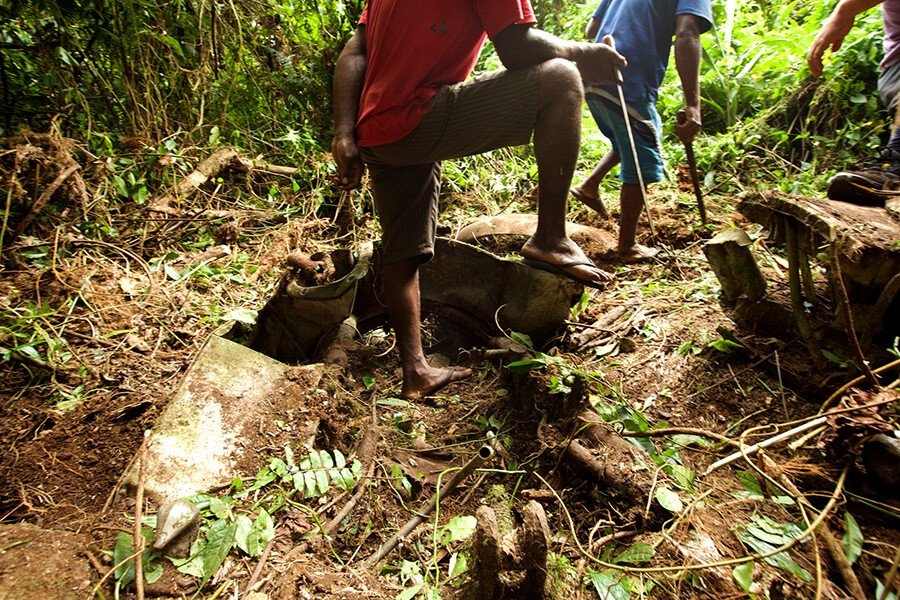
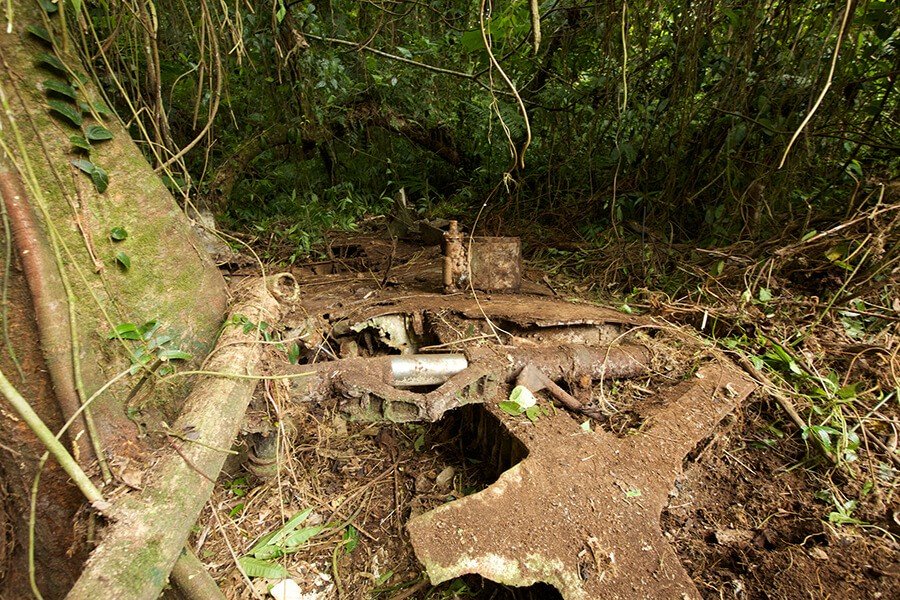
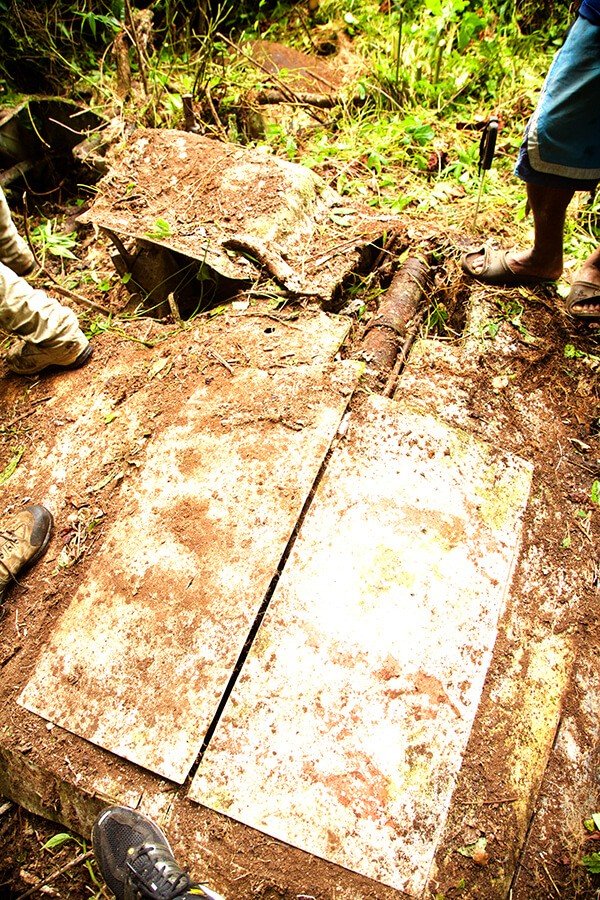
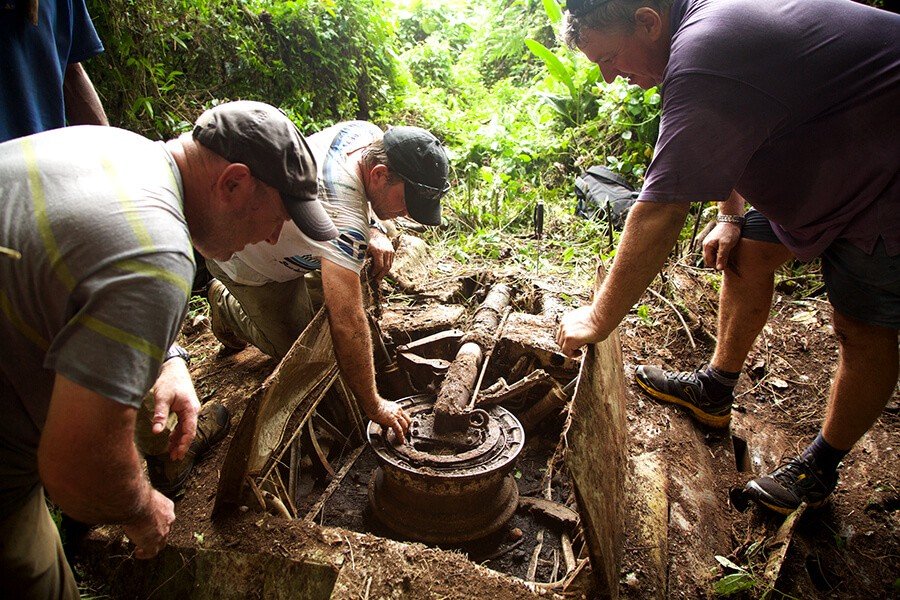
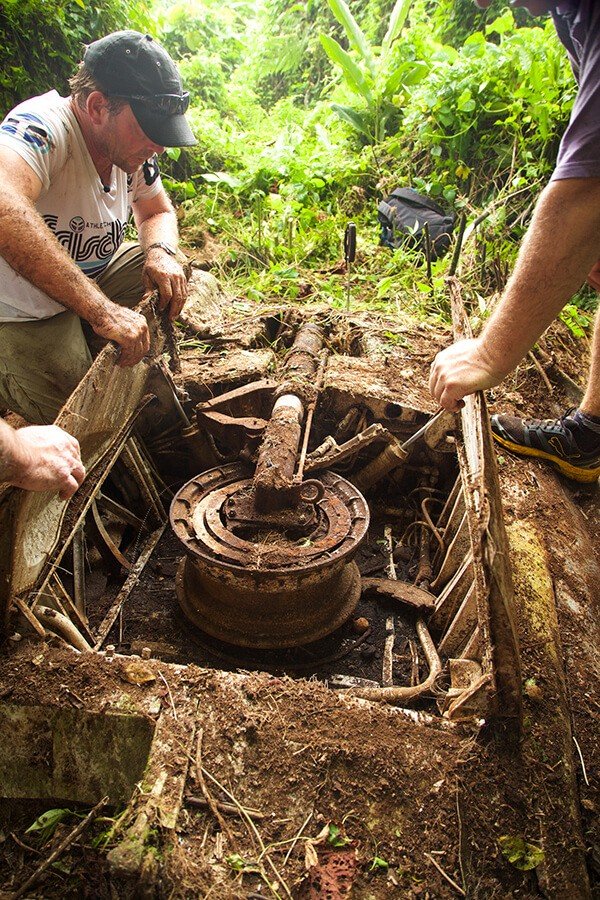
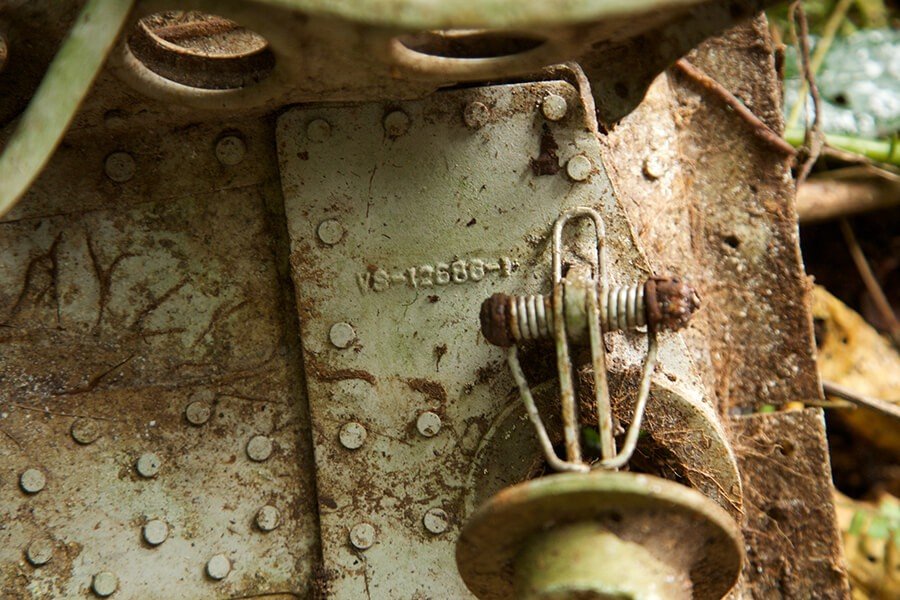
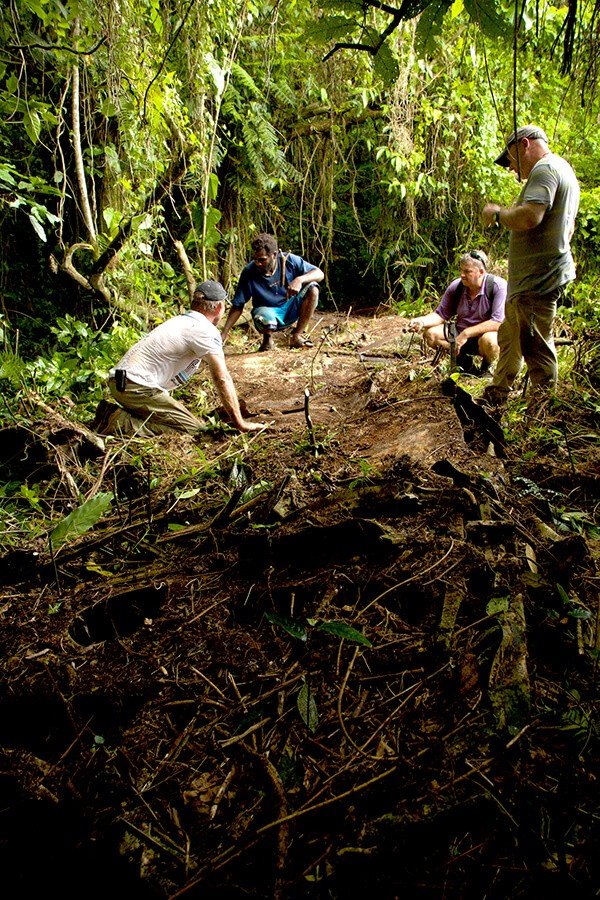
Vought F4U Corsair Wreck Site
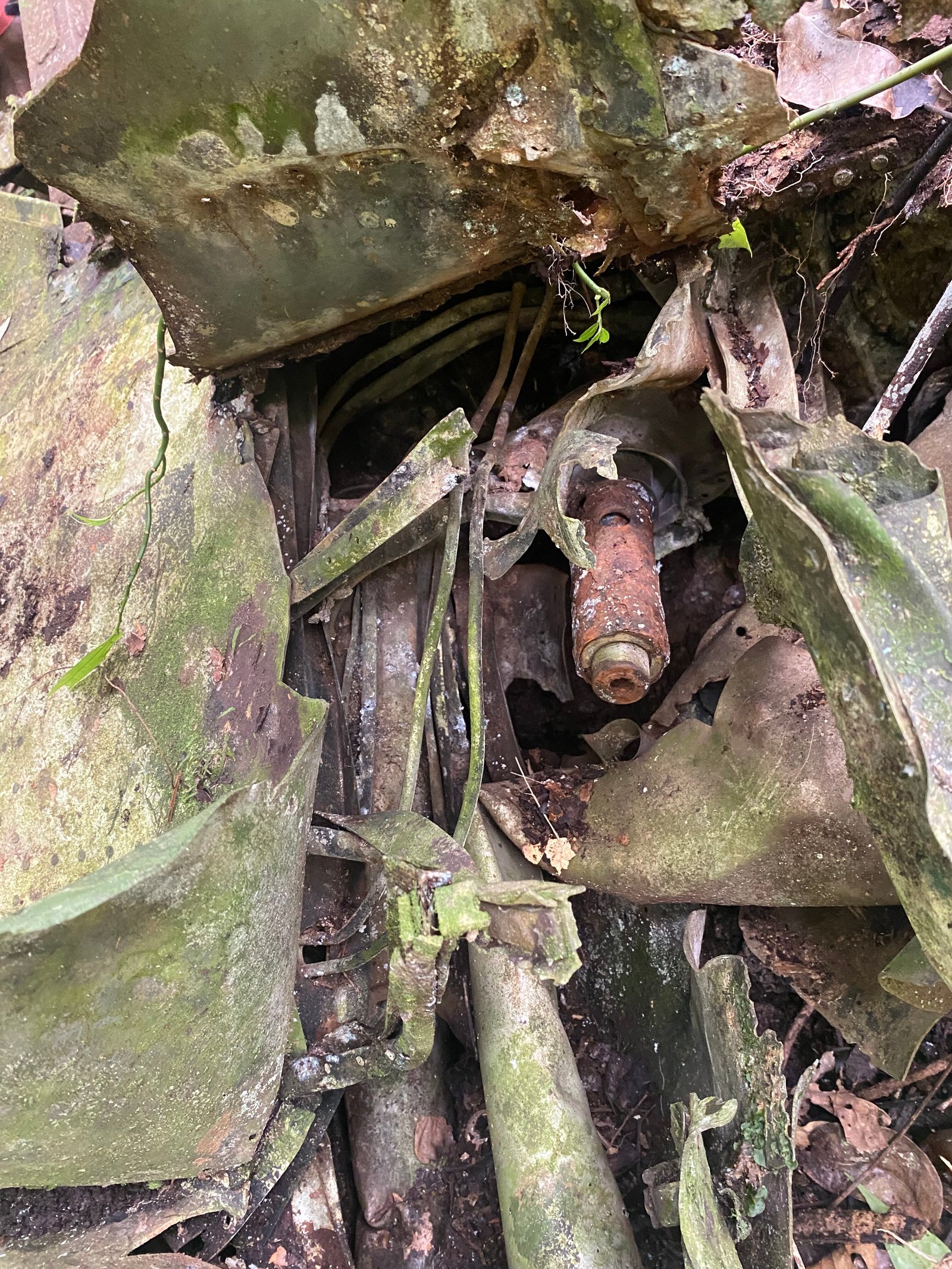
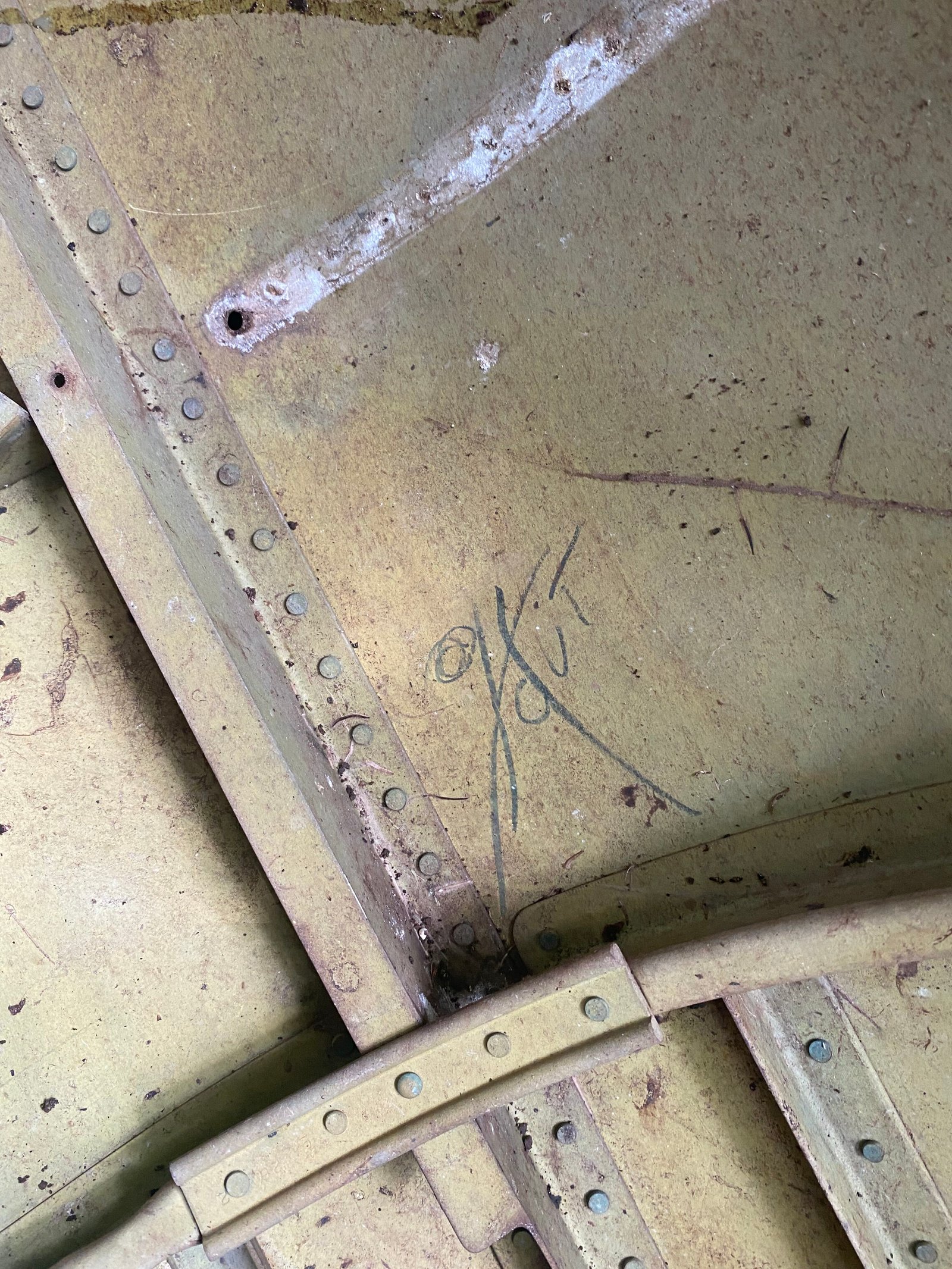
– Big Bay 1
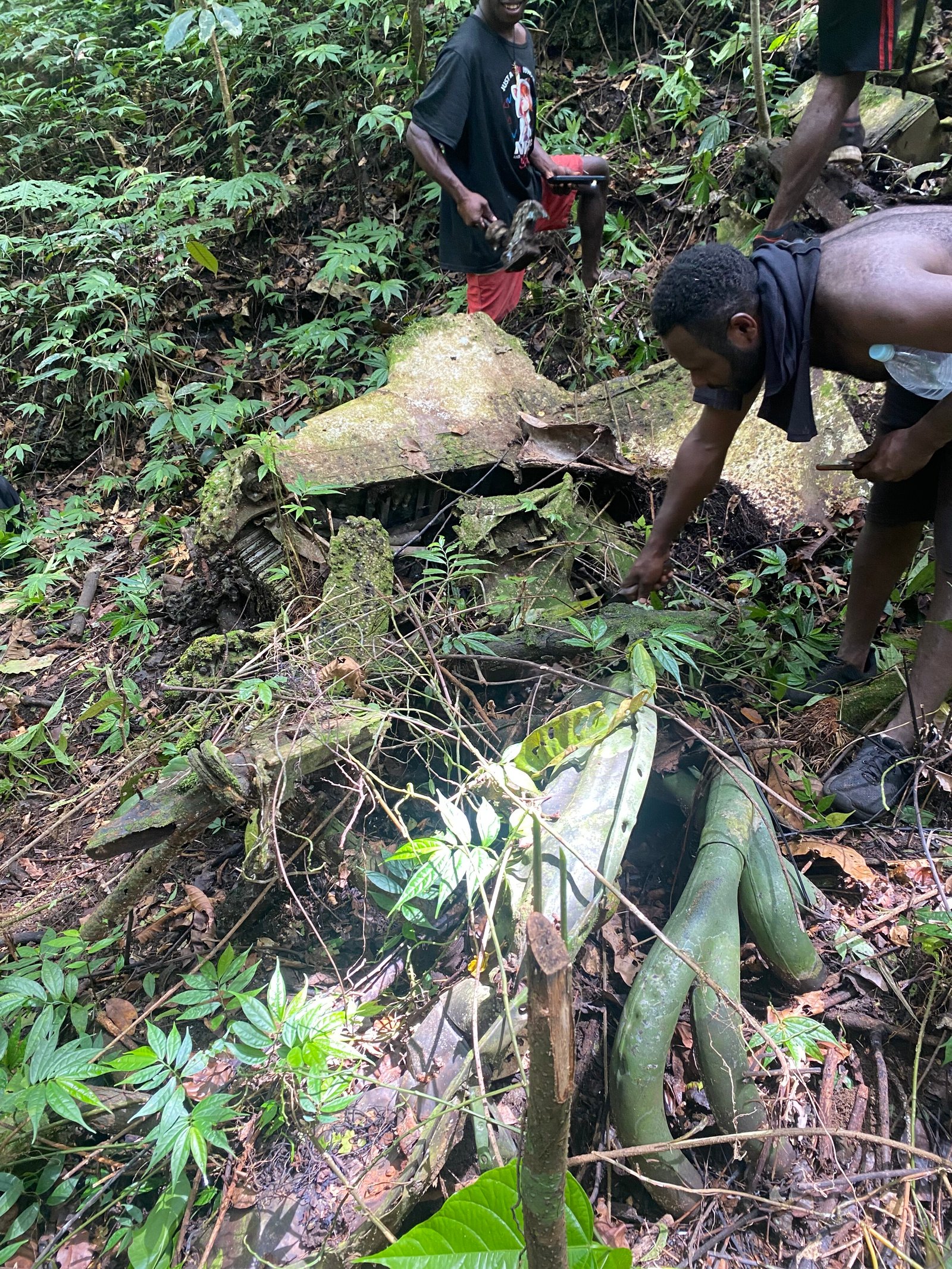
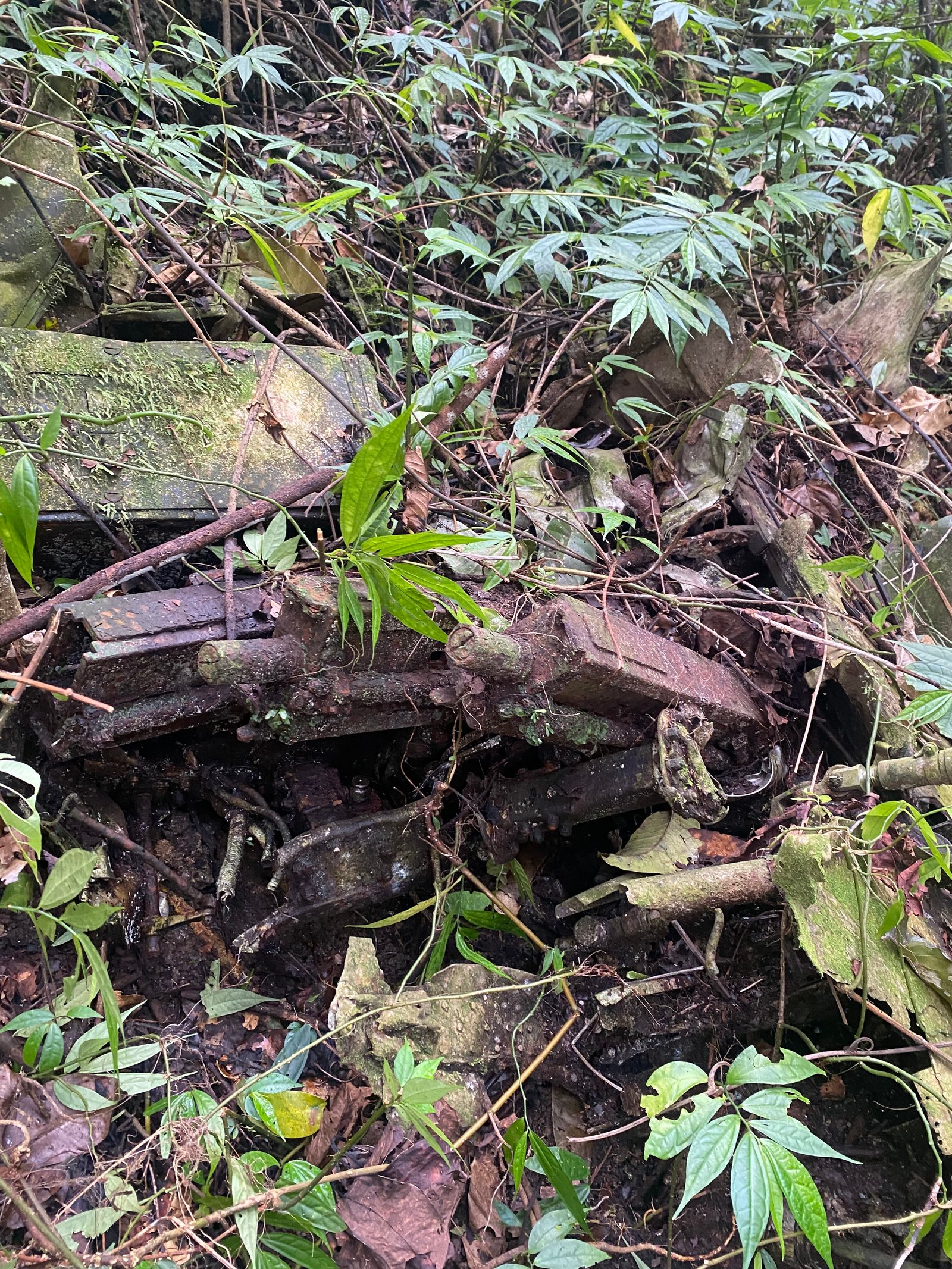
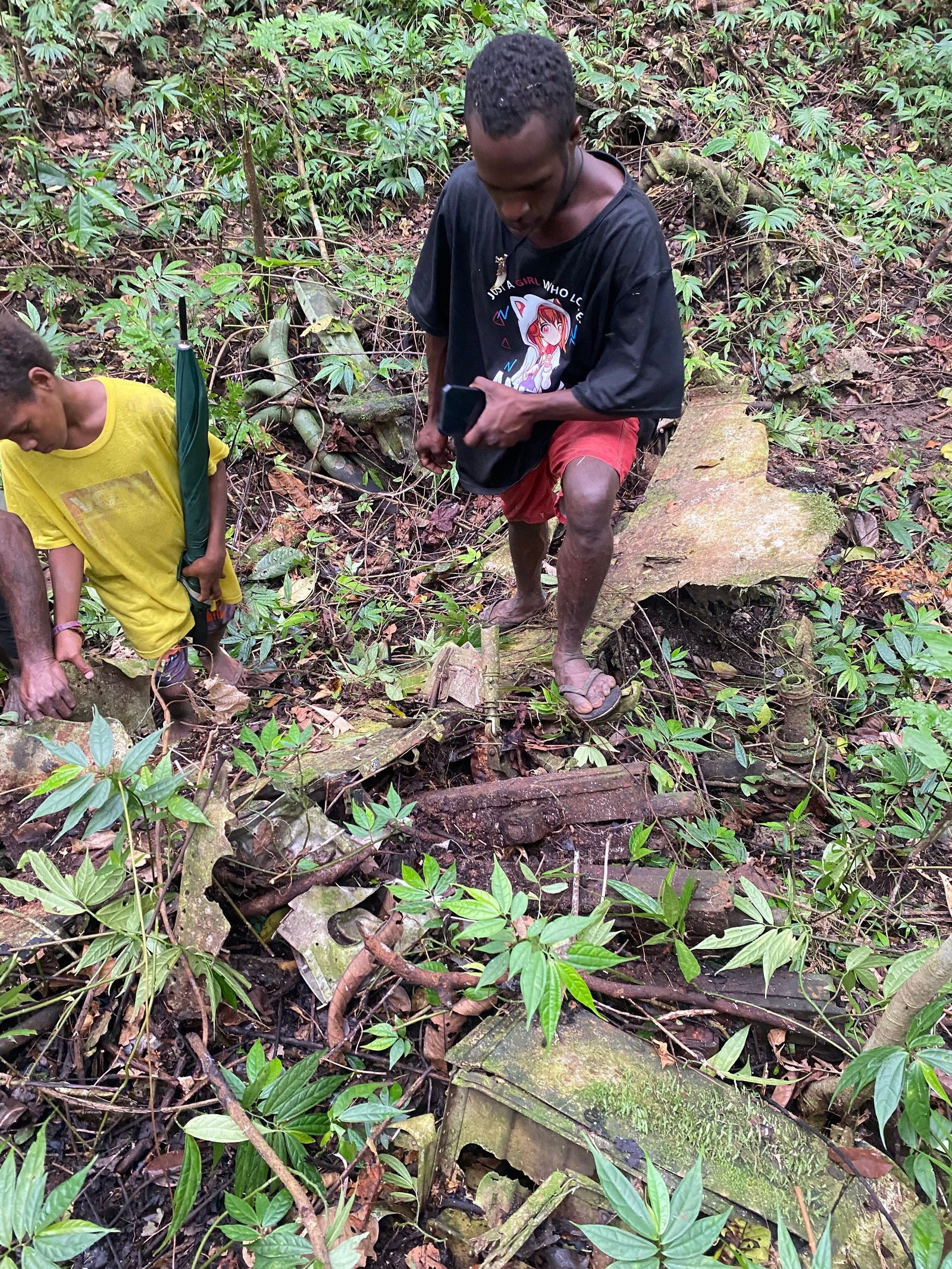
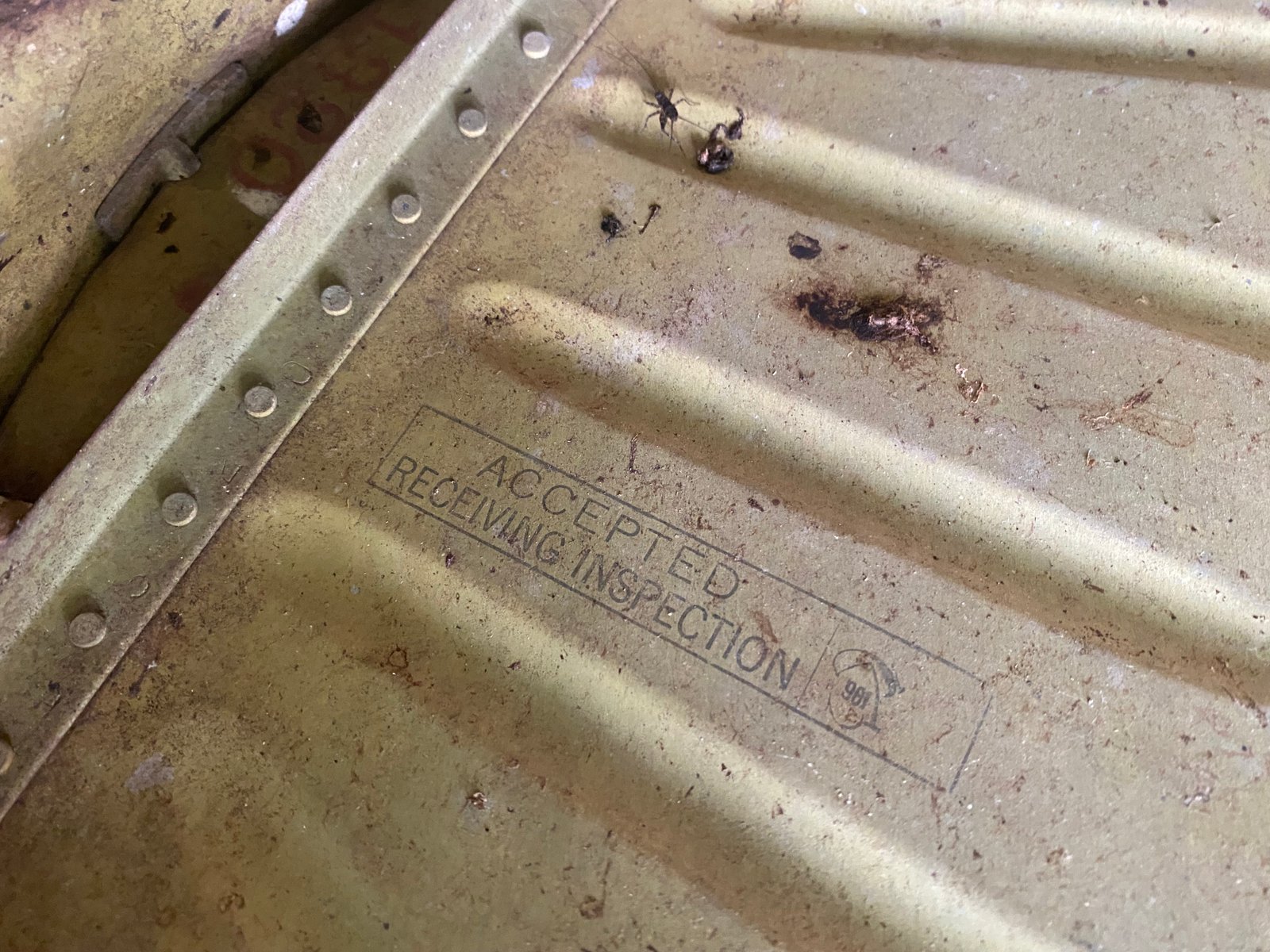
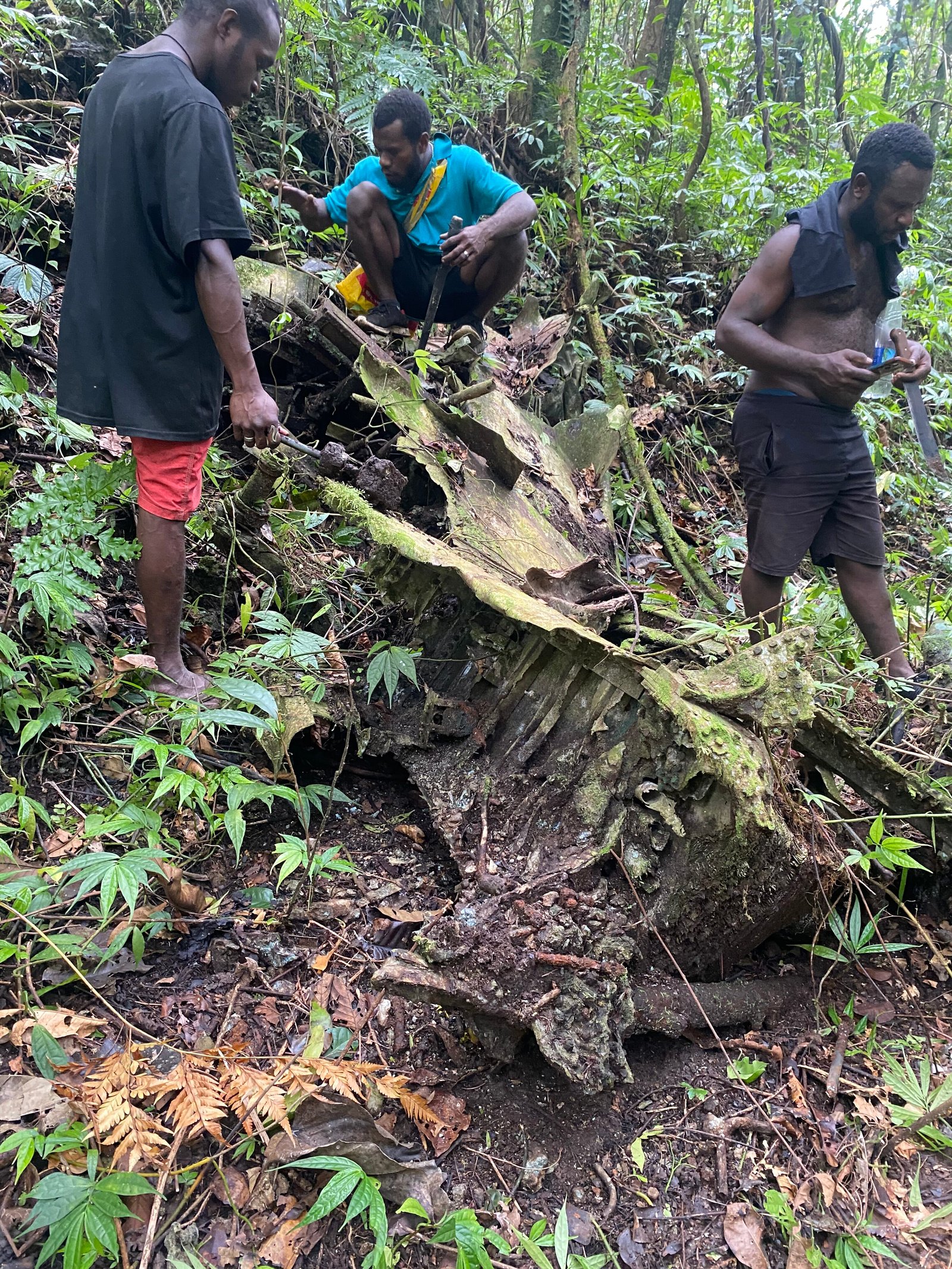
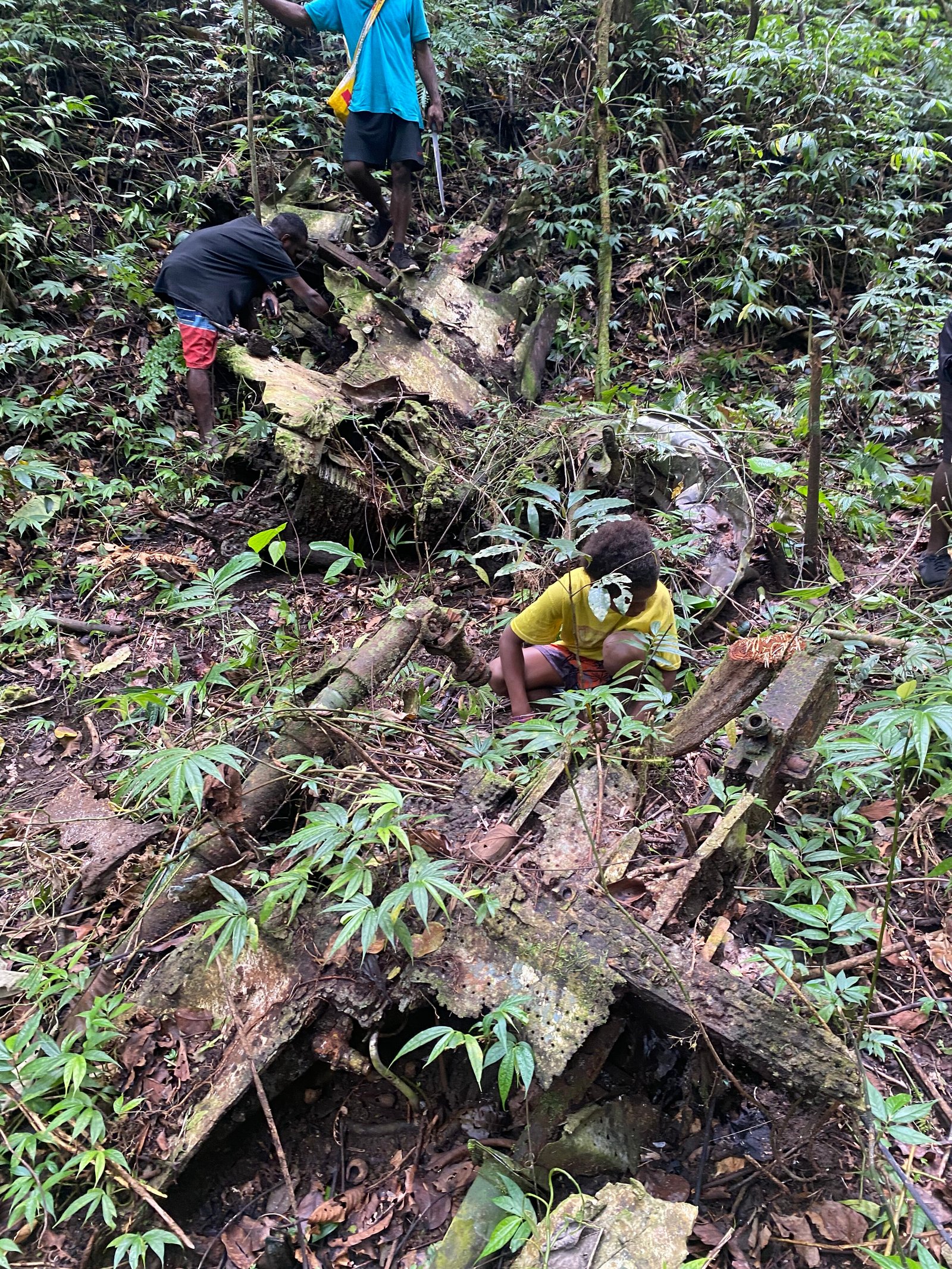
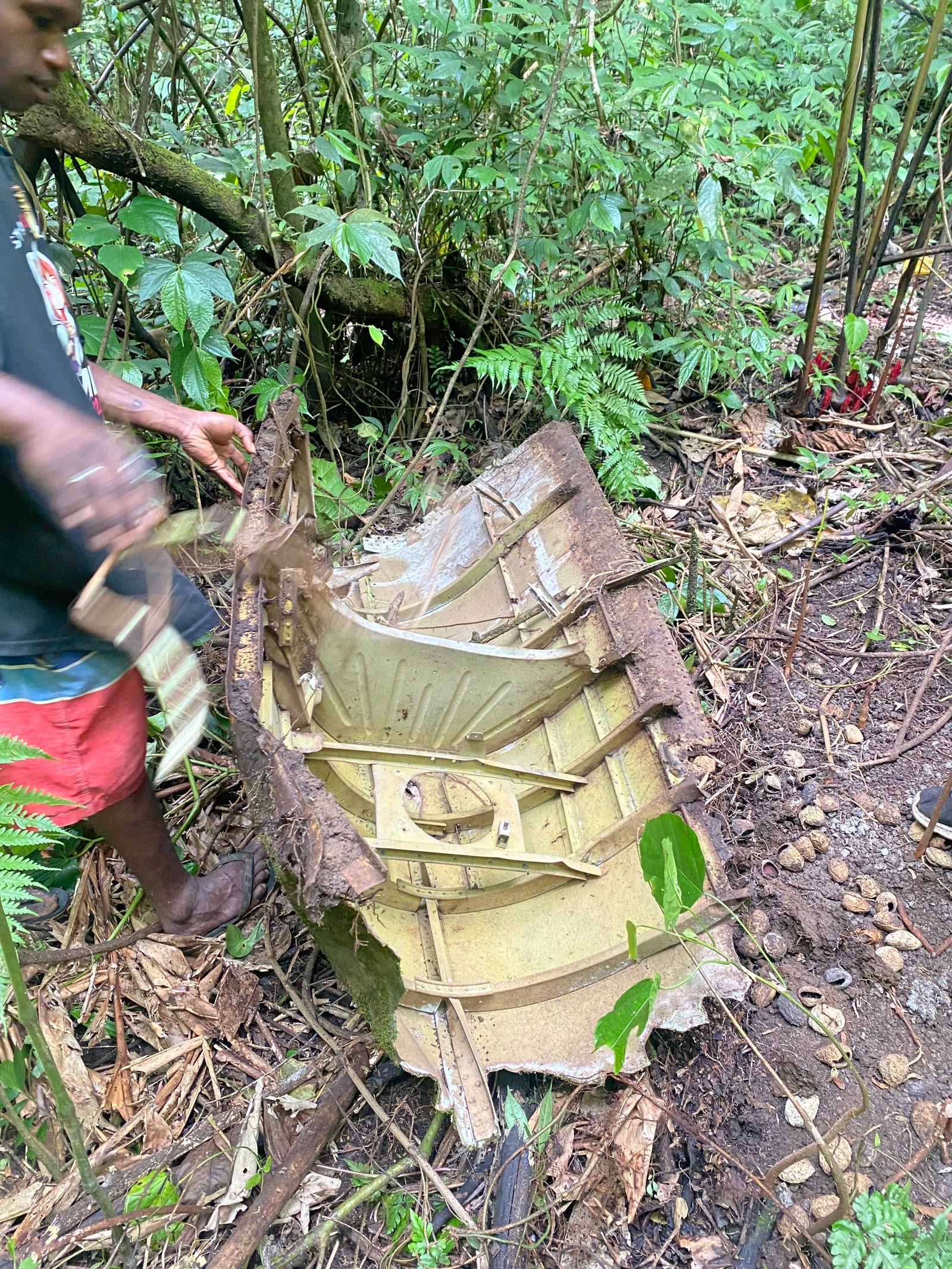
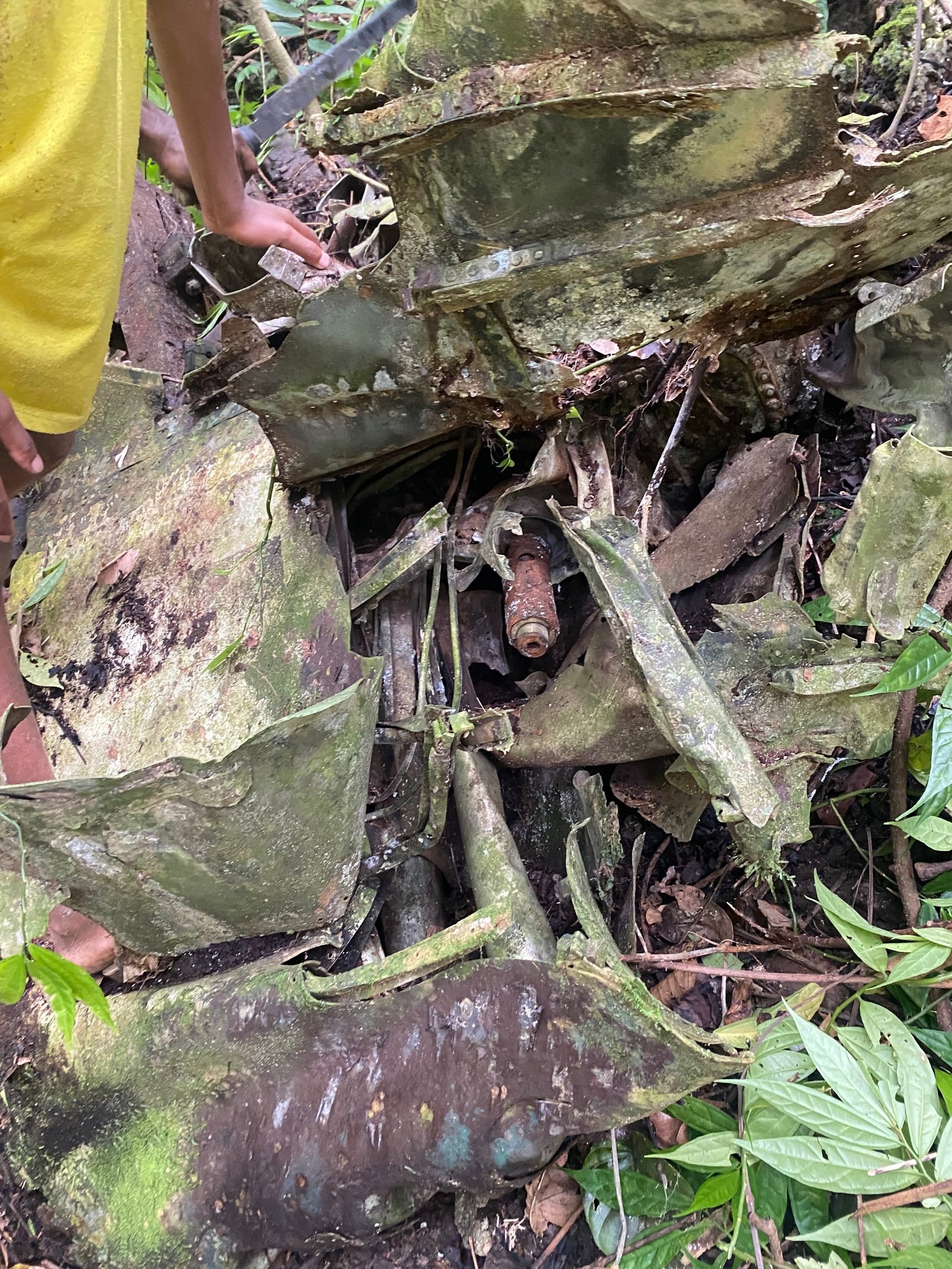
This aircraft is believed to be one of two F4U Corsairs that collided during a training exercise near Big Bay on 7 April 1944. The pilots were Lt. Larry W. DeCamp and Lt. Harold M. Shafer of Marine Corps Squadron VMF-225. Shafer was killed in the crash, while DeCamp survived after reaching the coast.
Vought F4U Corsair Wreck Site
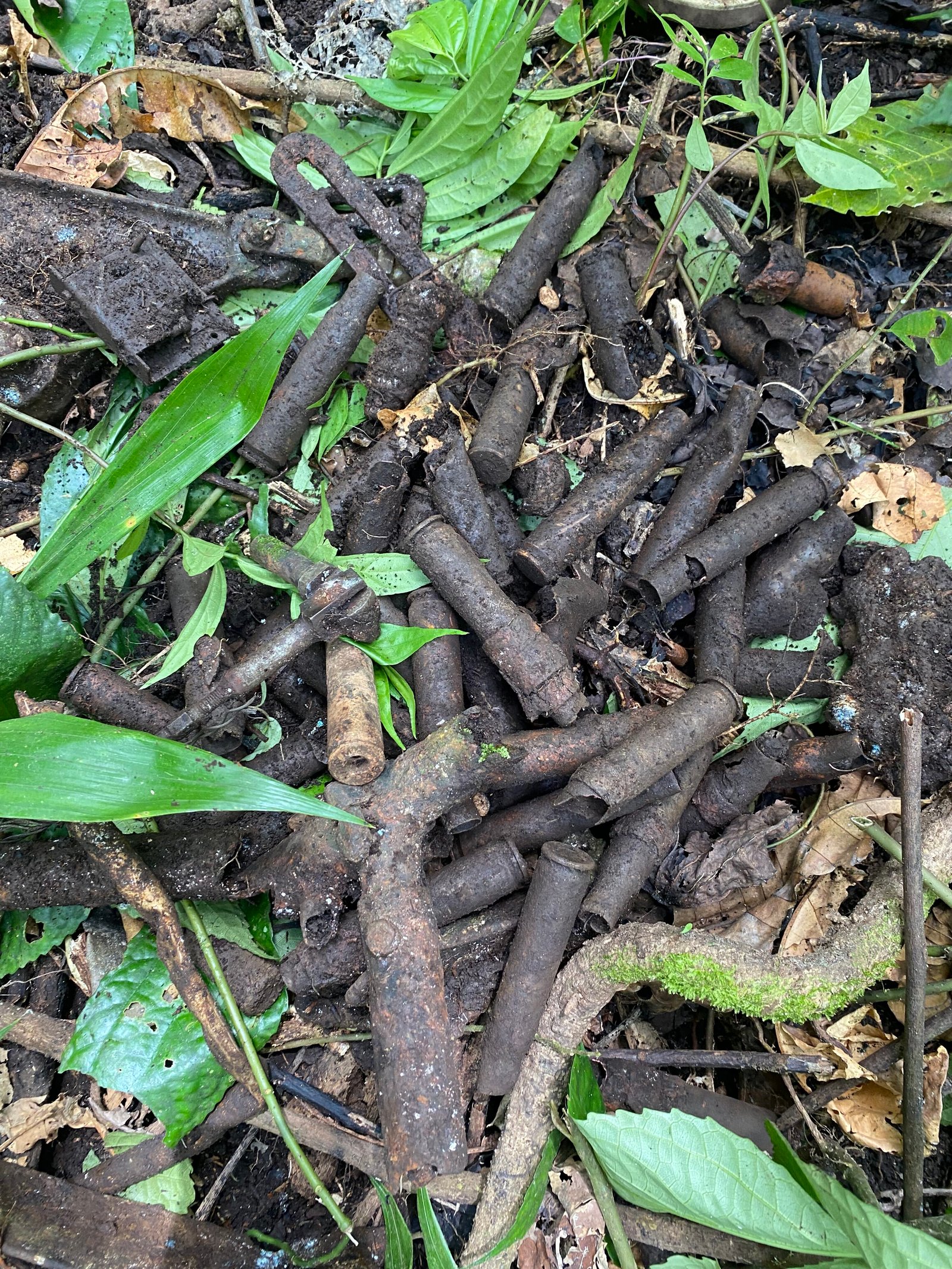
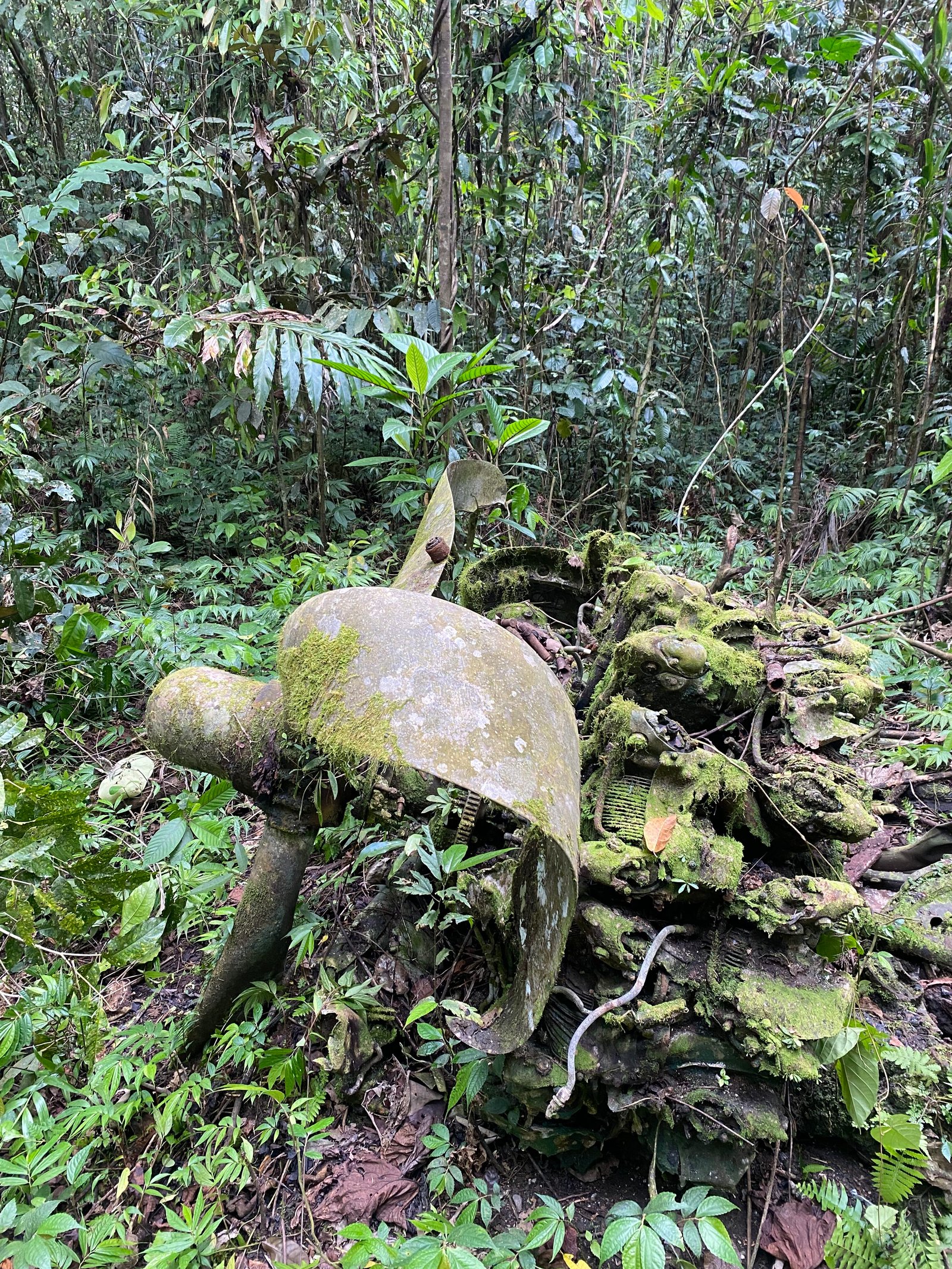
– Big Bay 2
This wreck is the second aircraft involved in the mid-air collision near Big Bay in April 1944. Both Corsairs came down in close proximity following the training incident. Together, the sites provide a clear record of the event and contribute to the identification and documentation of aircraft losses in the region.
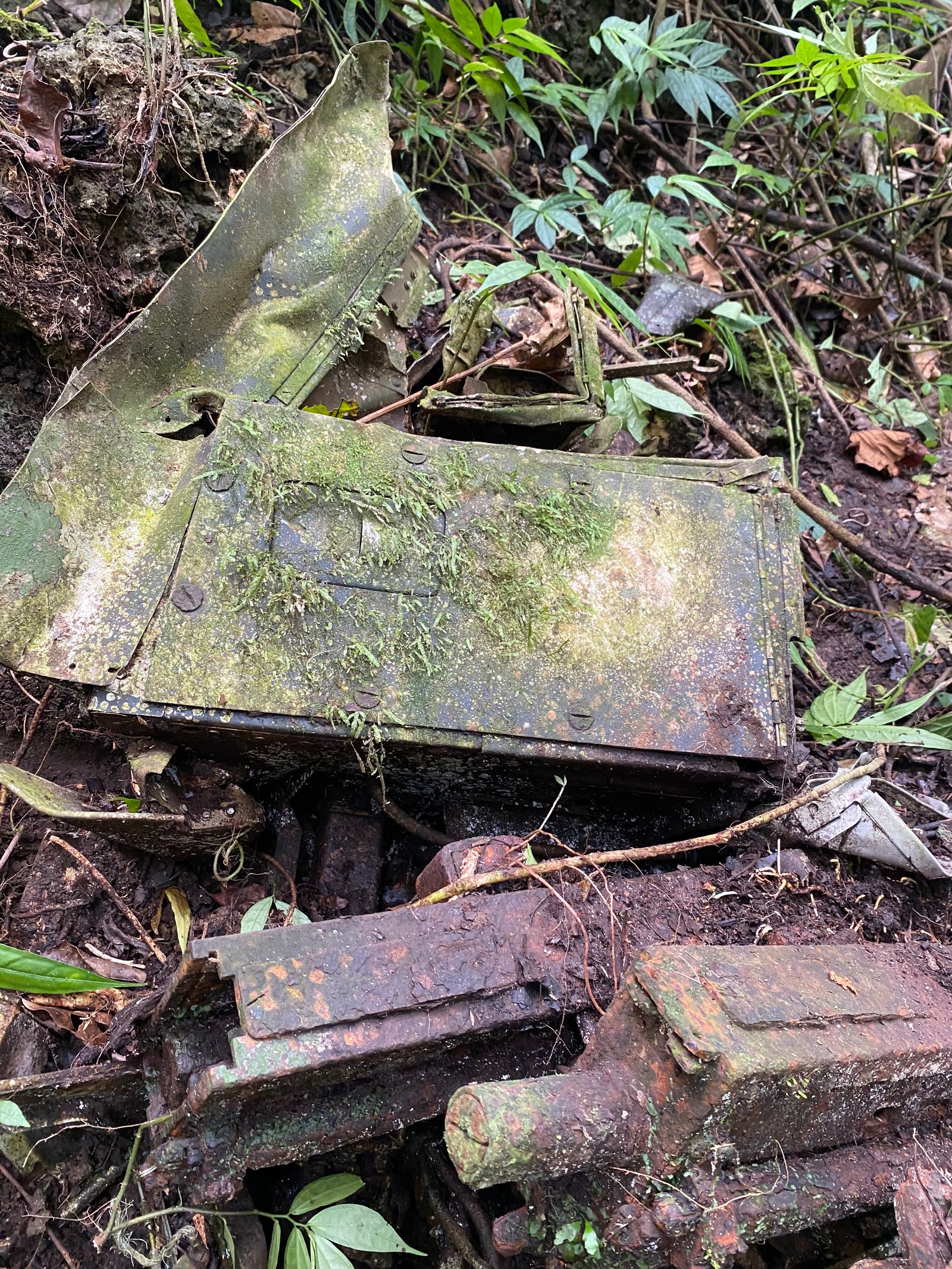
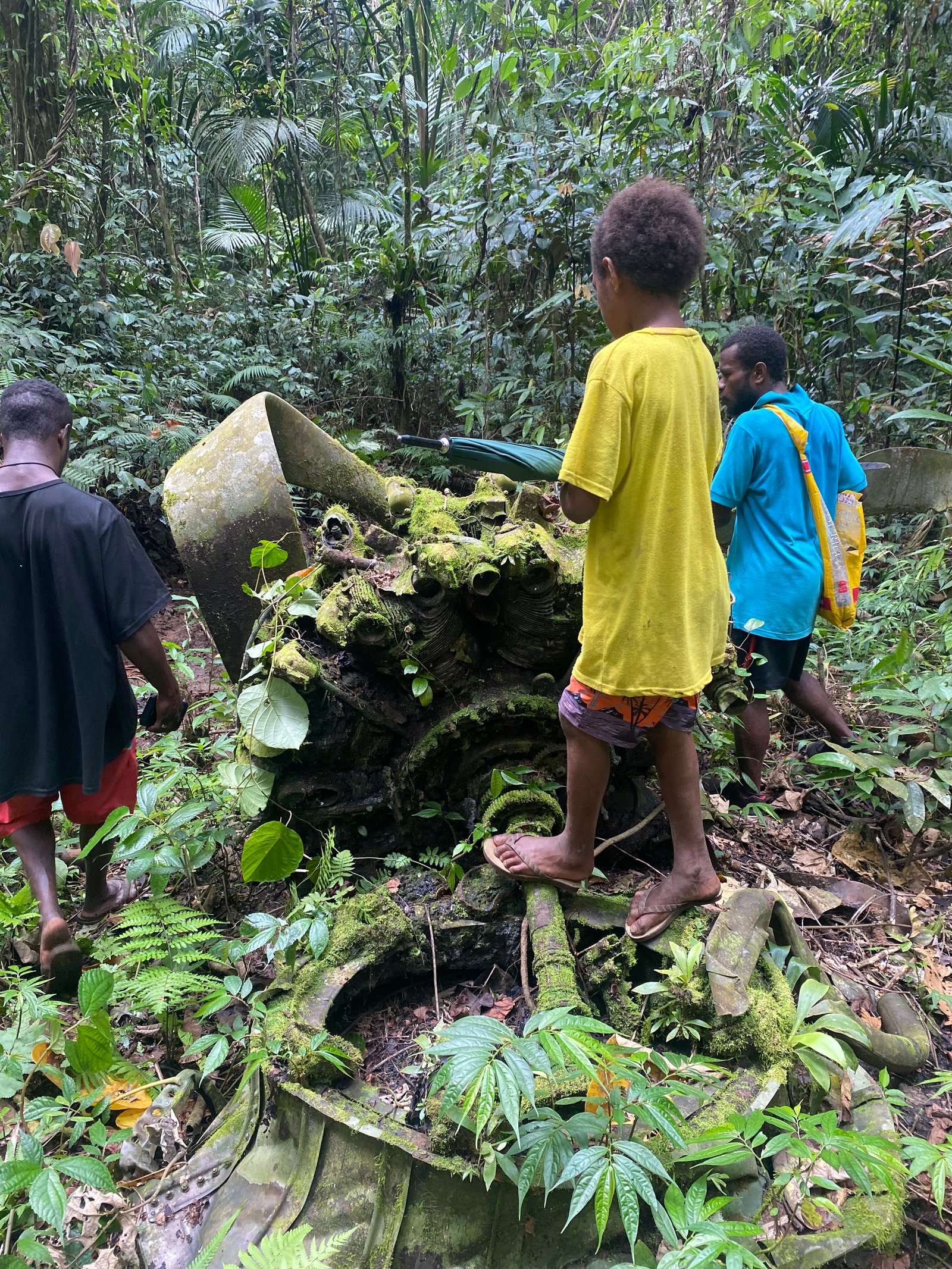
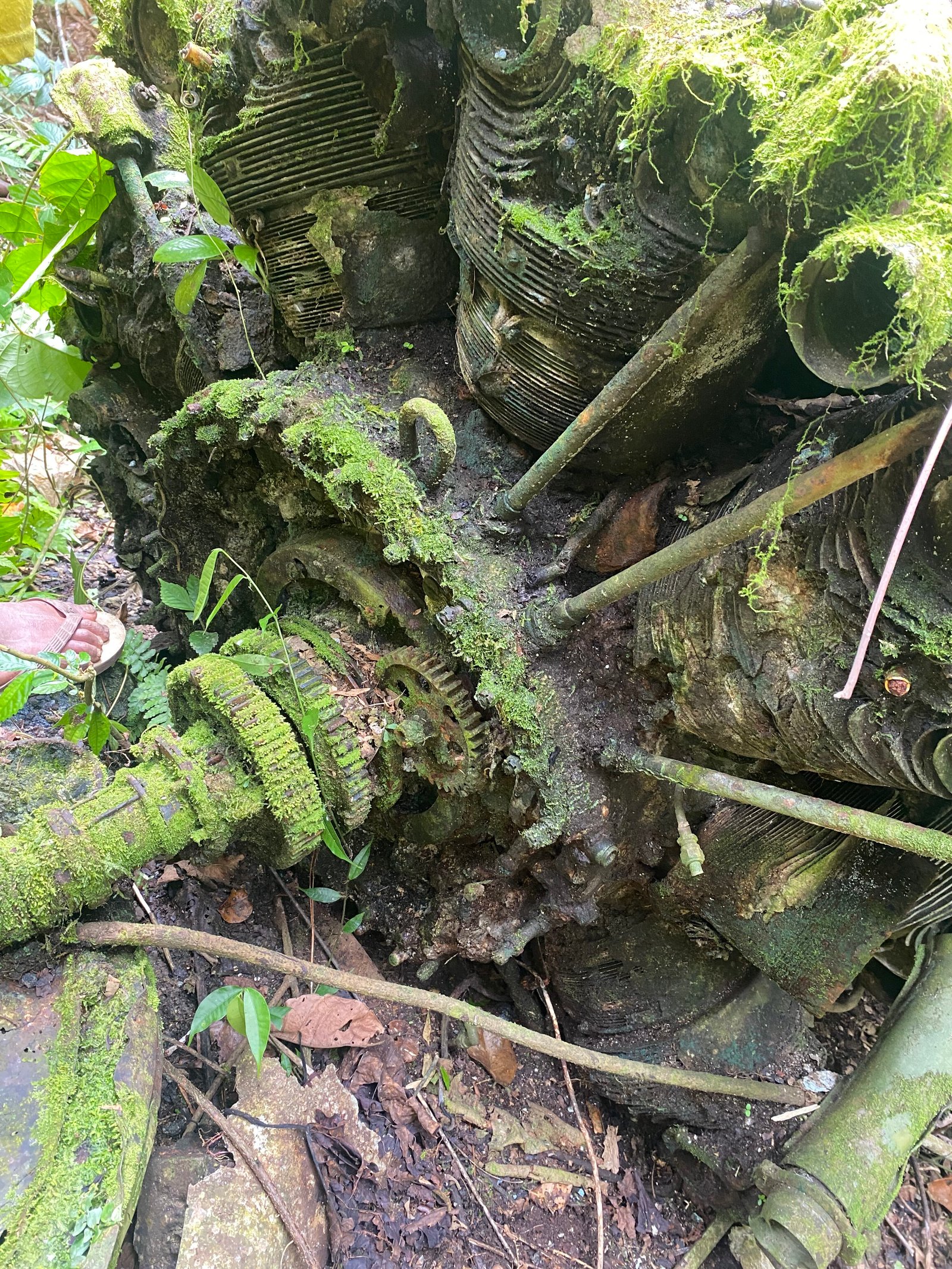
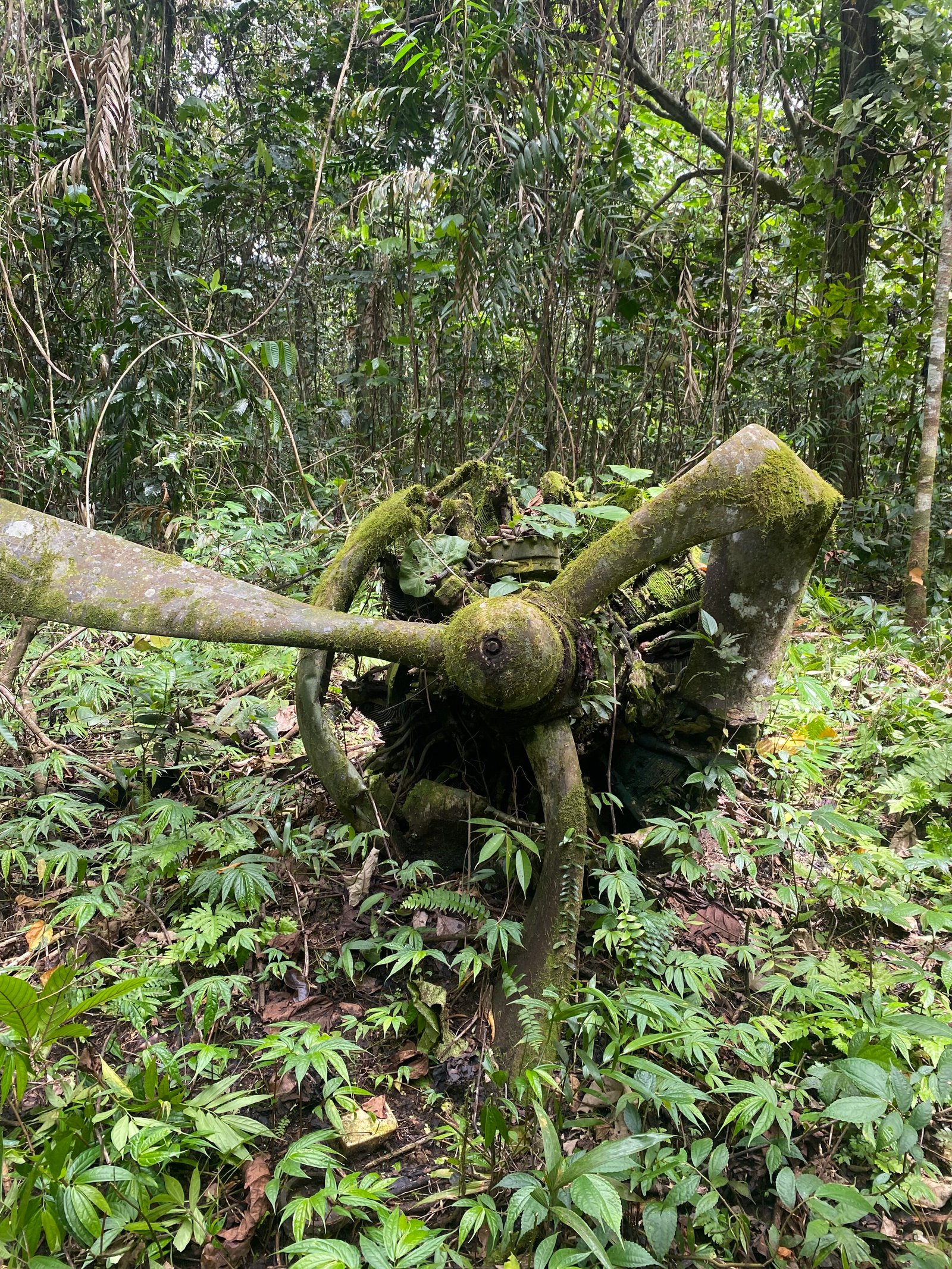
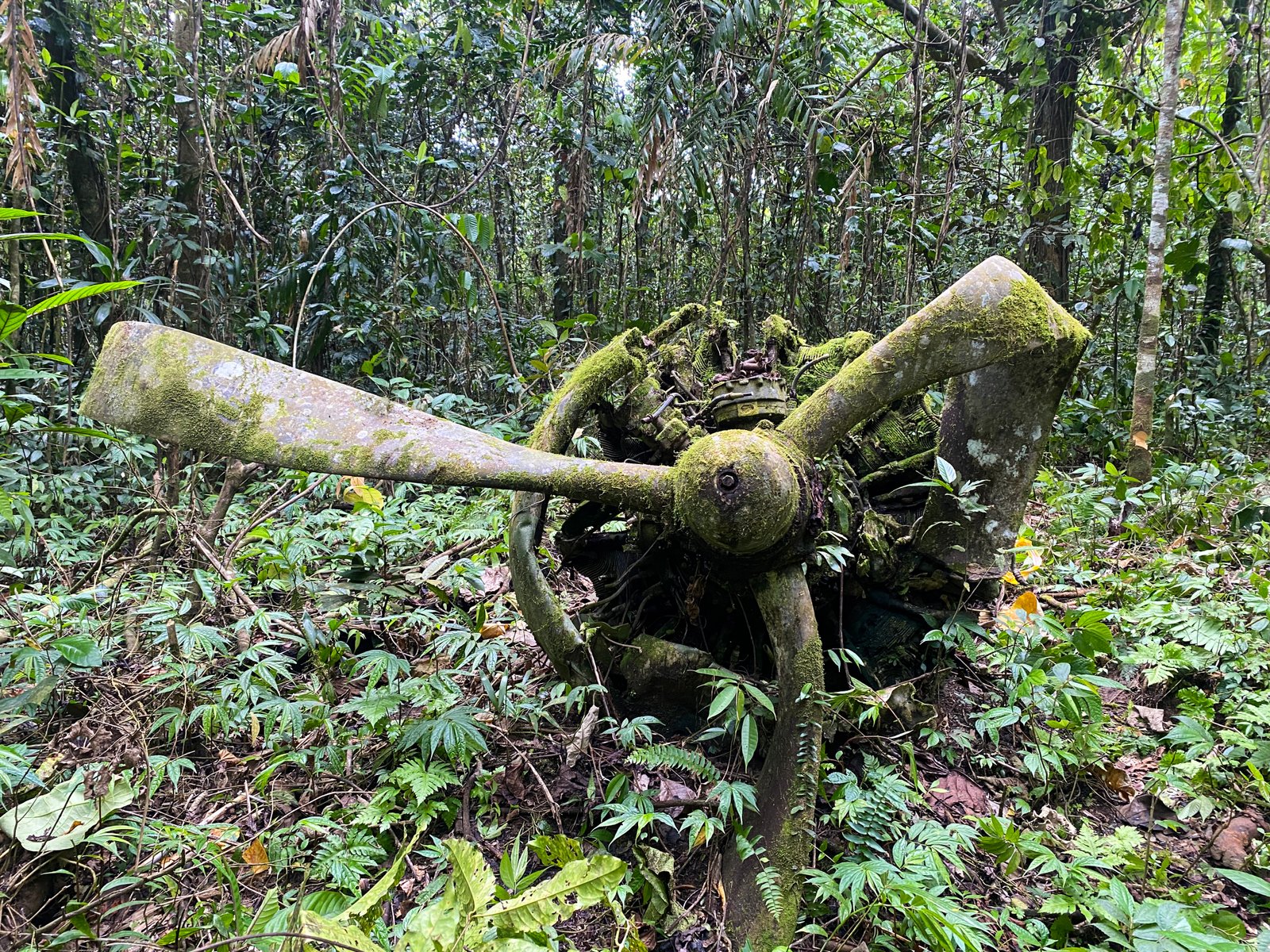
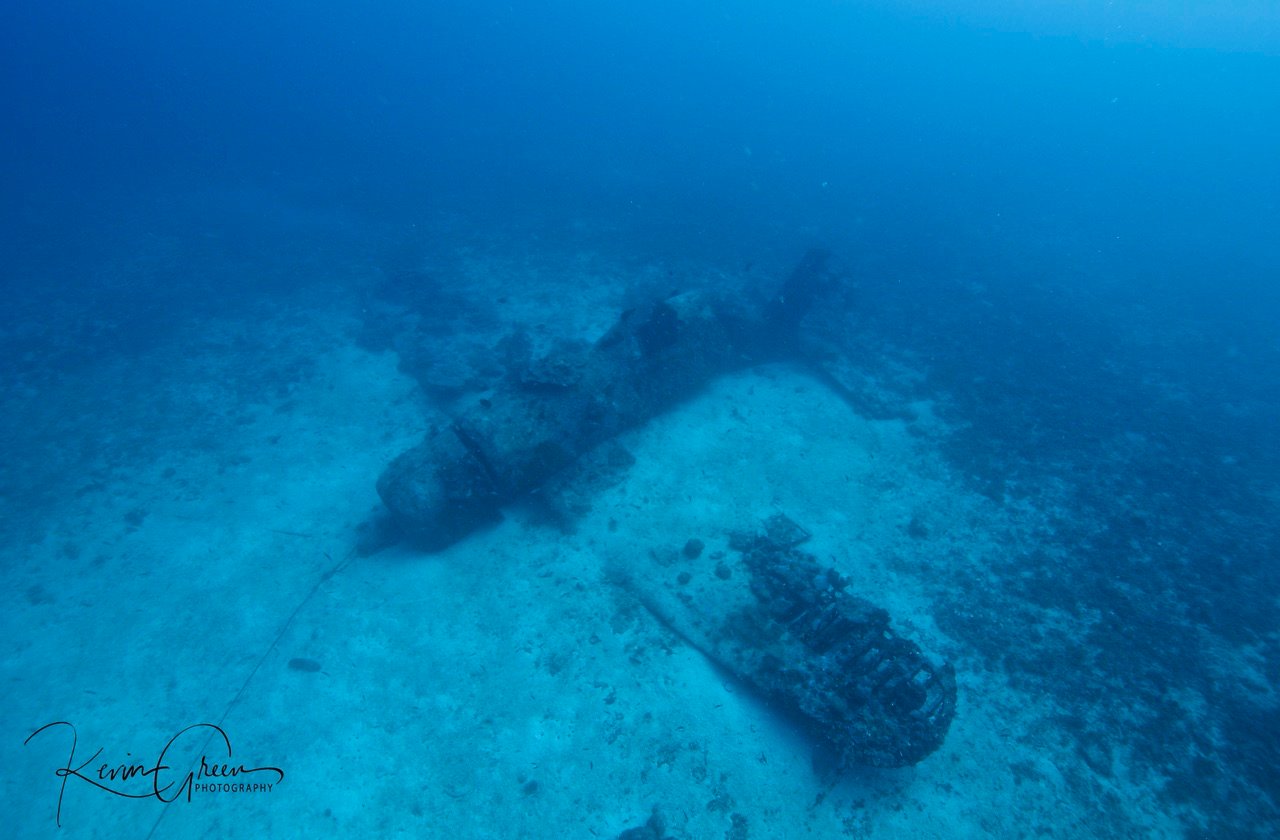
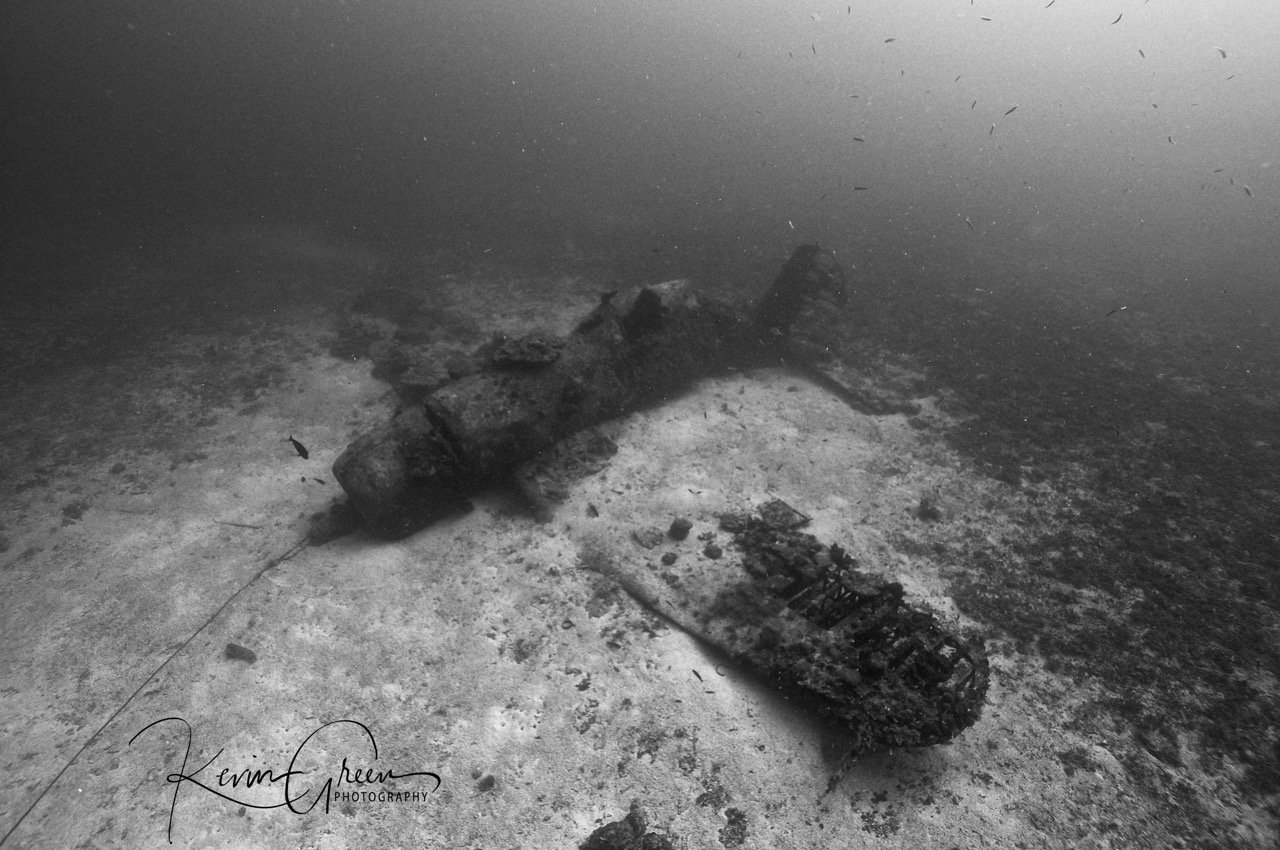
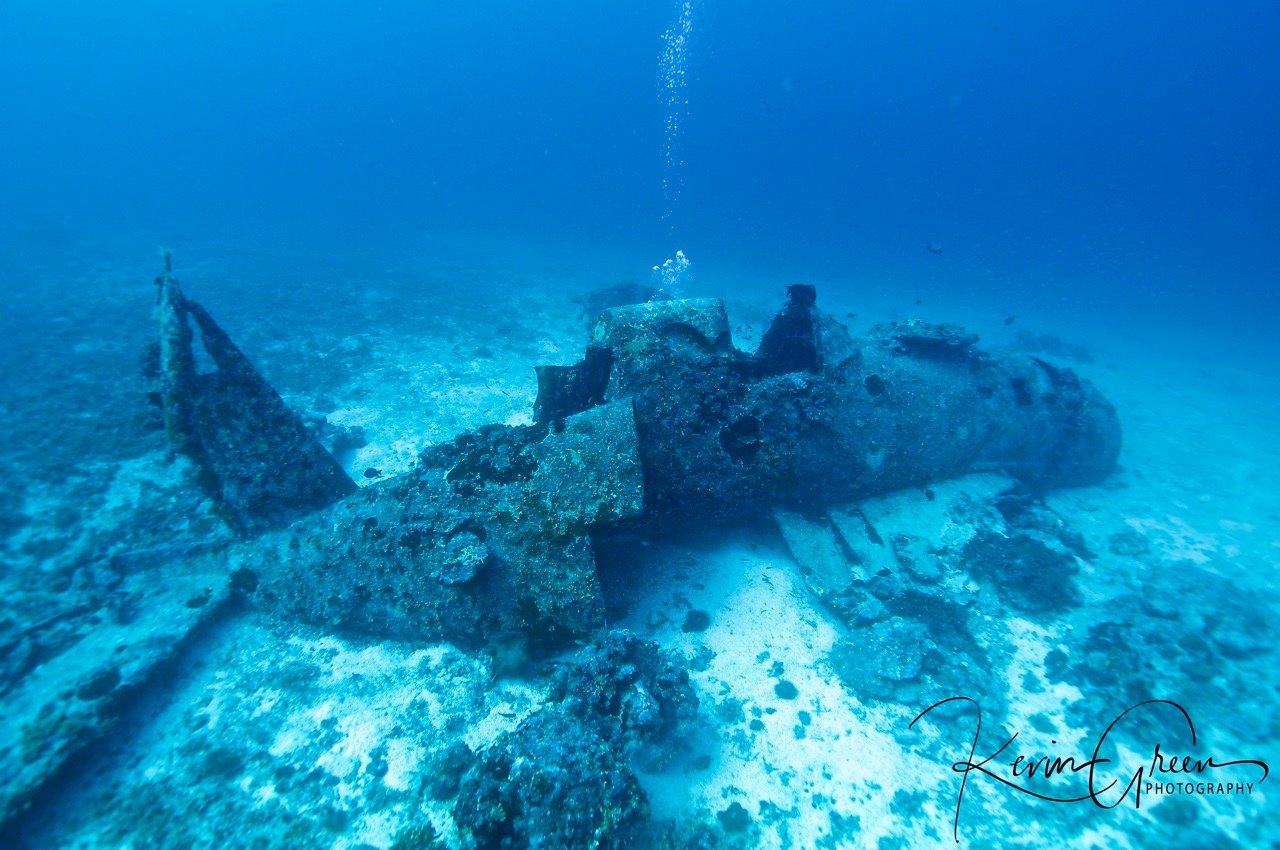
Vought F4U Corsair Wreck – Turtle Bay
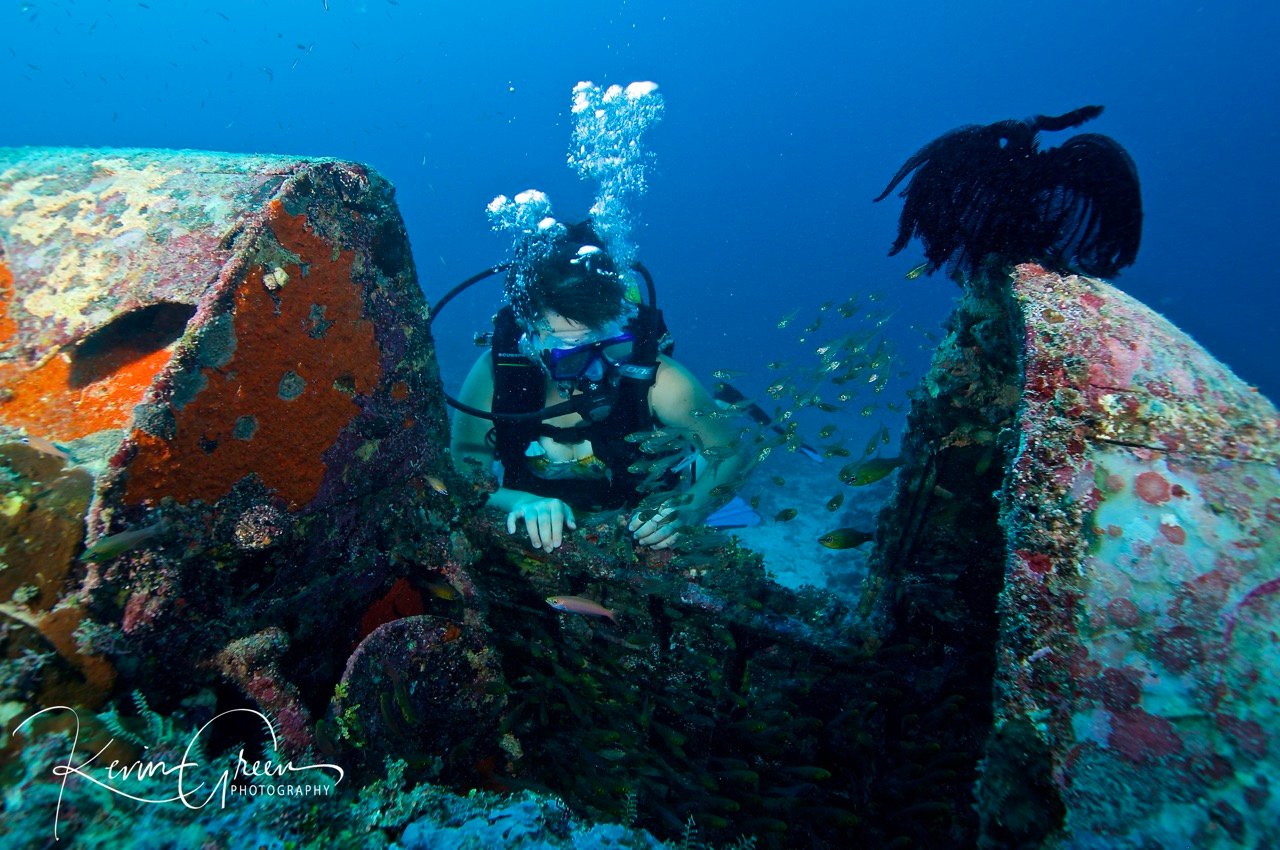
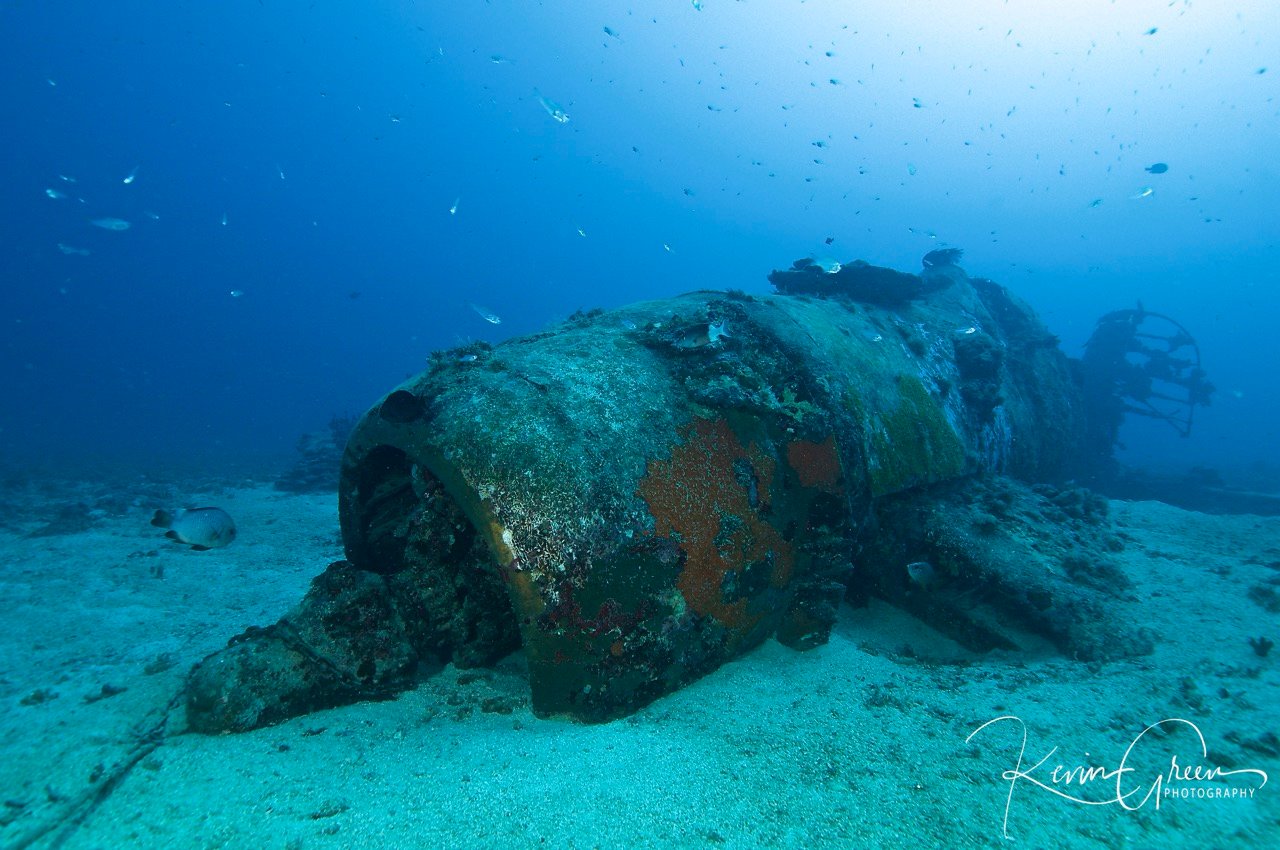
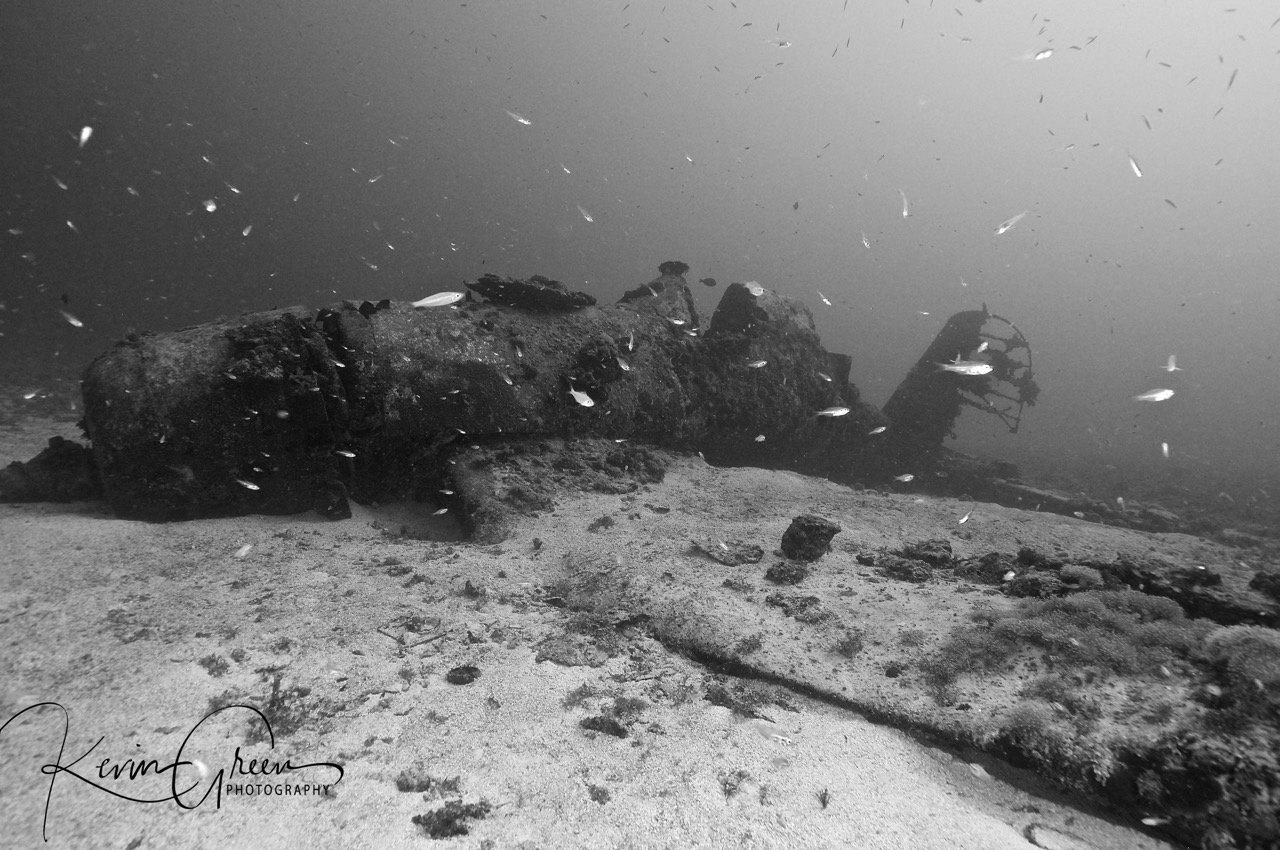
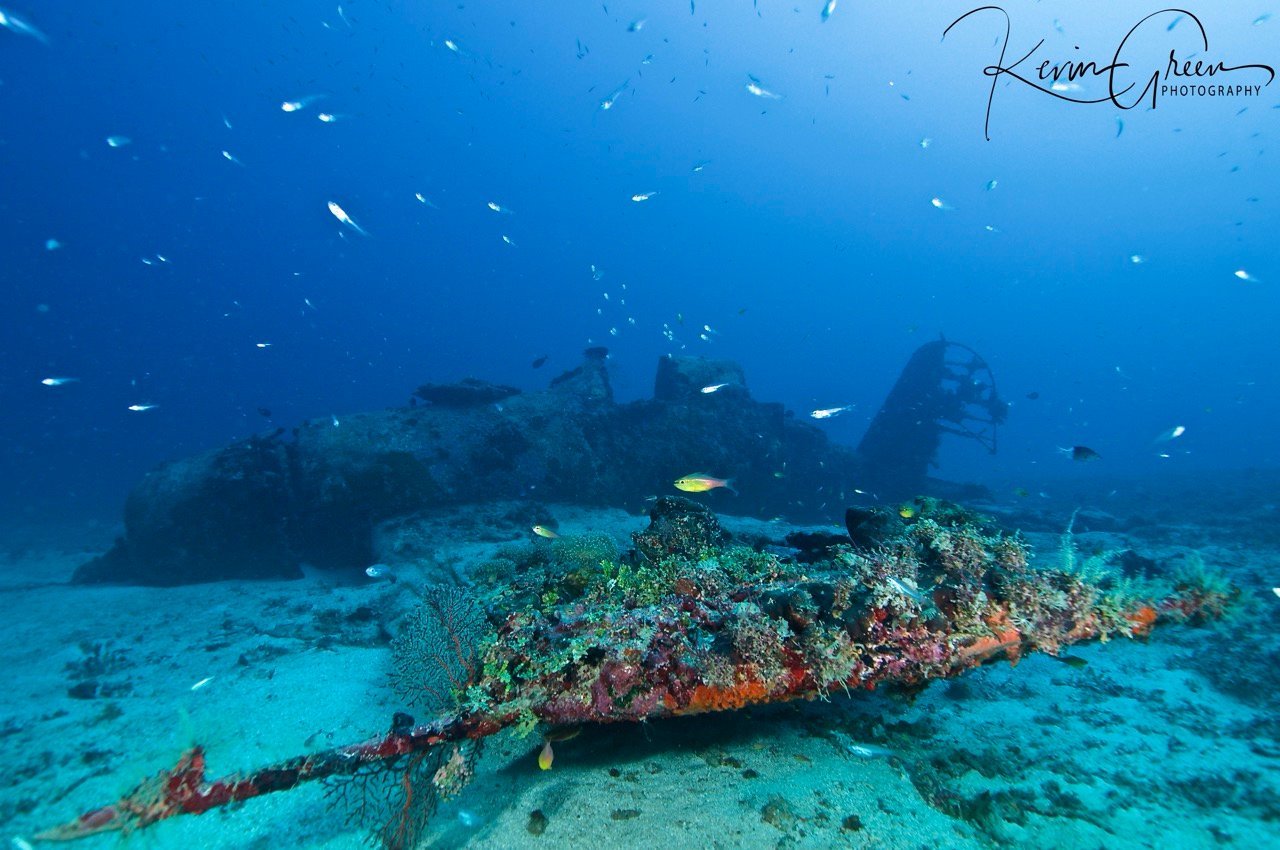
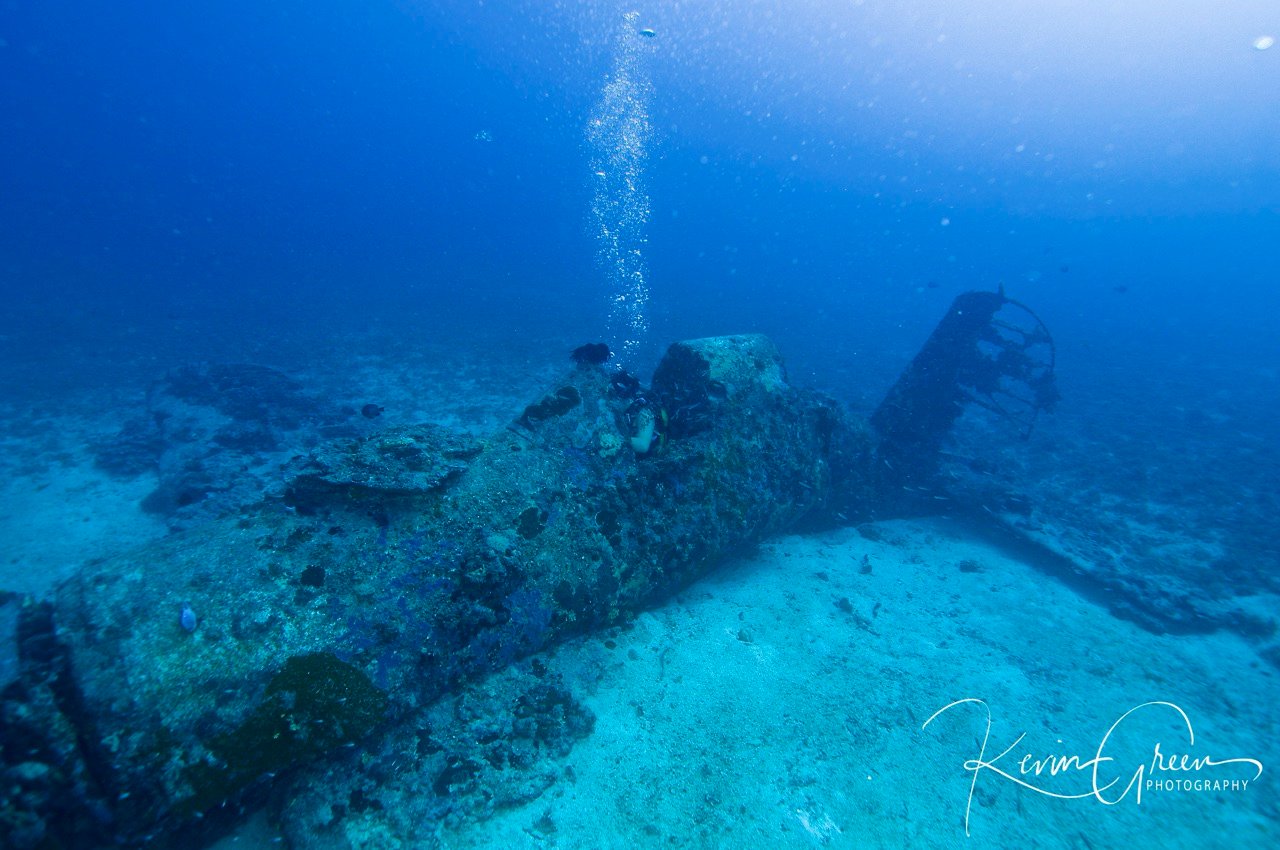
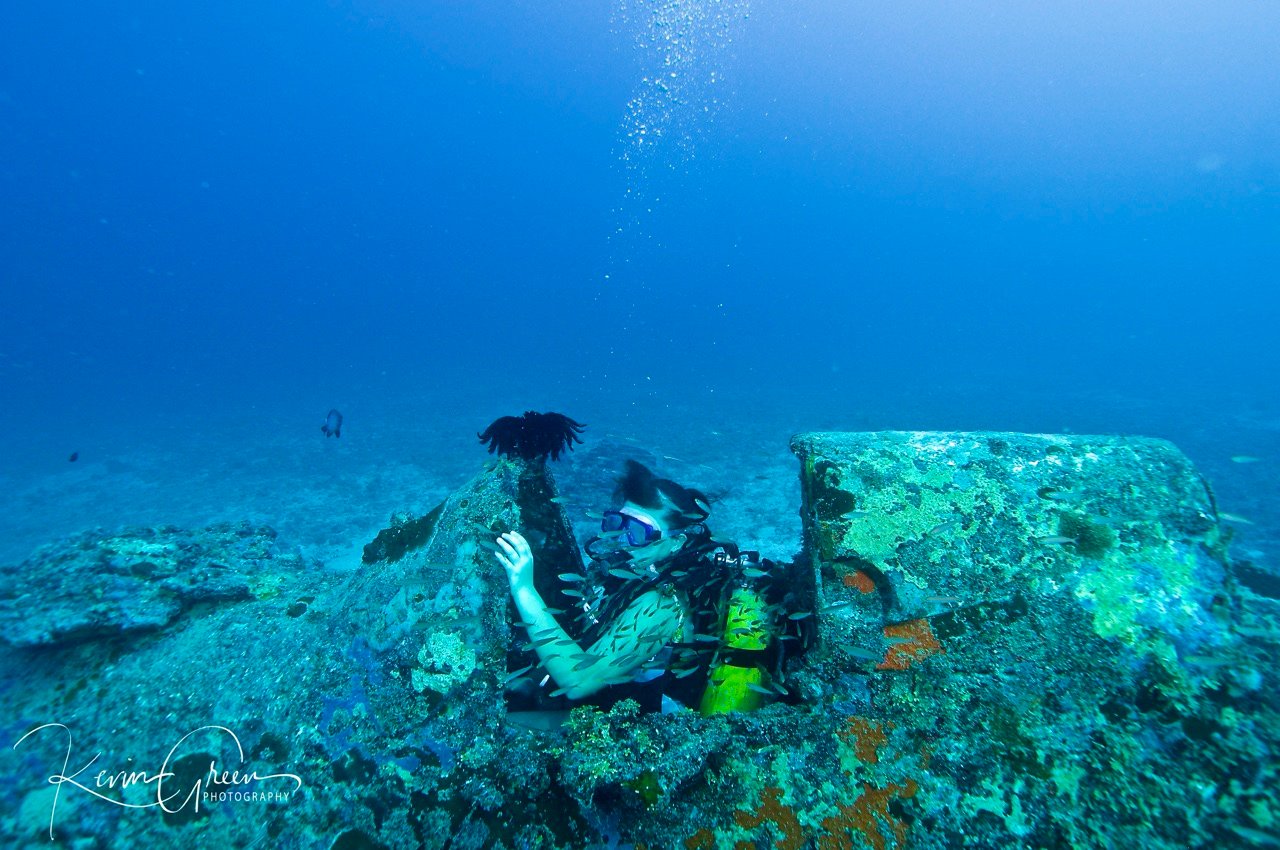
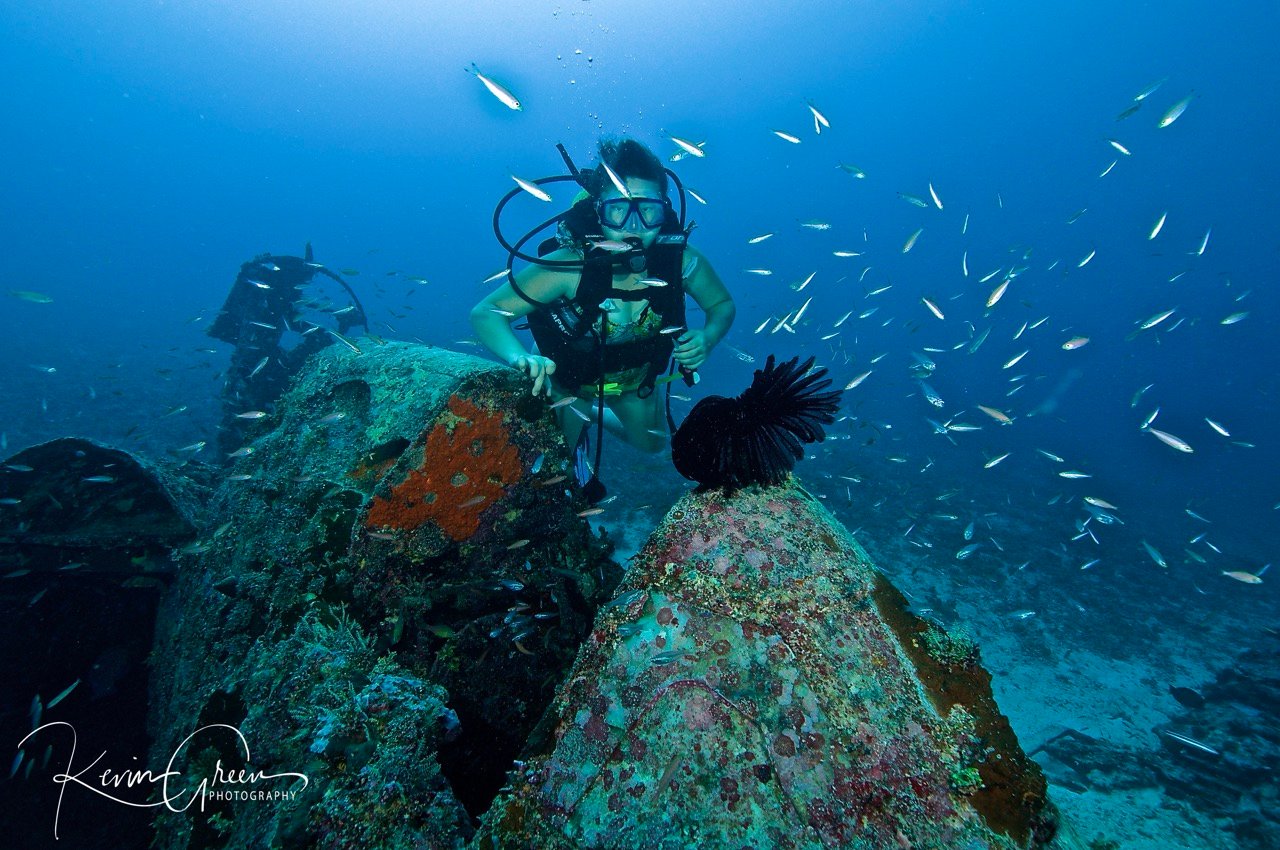
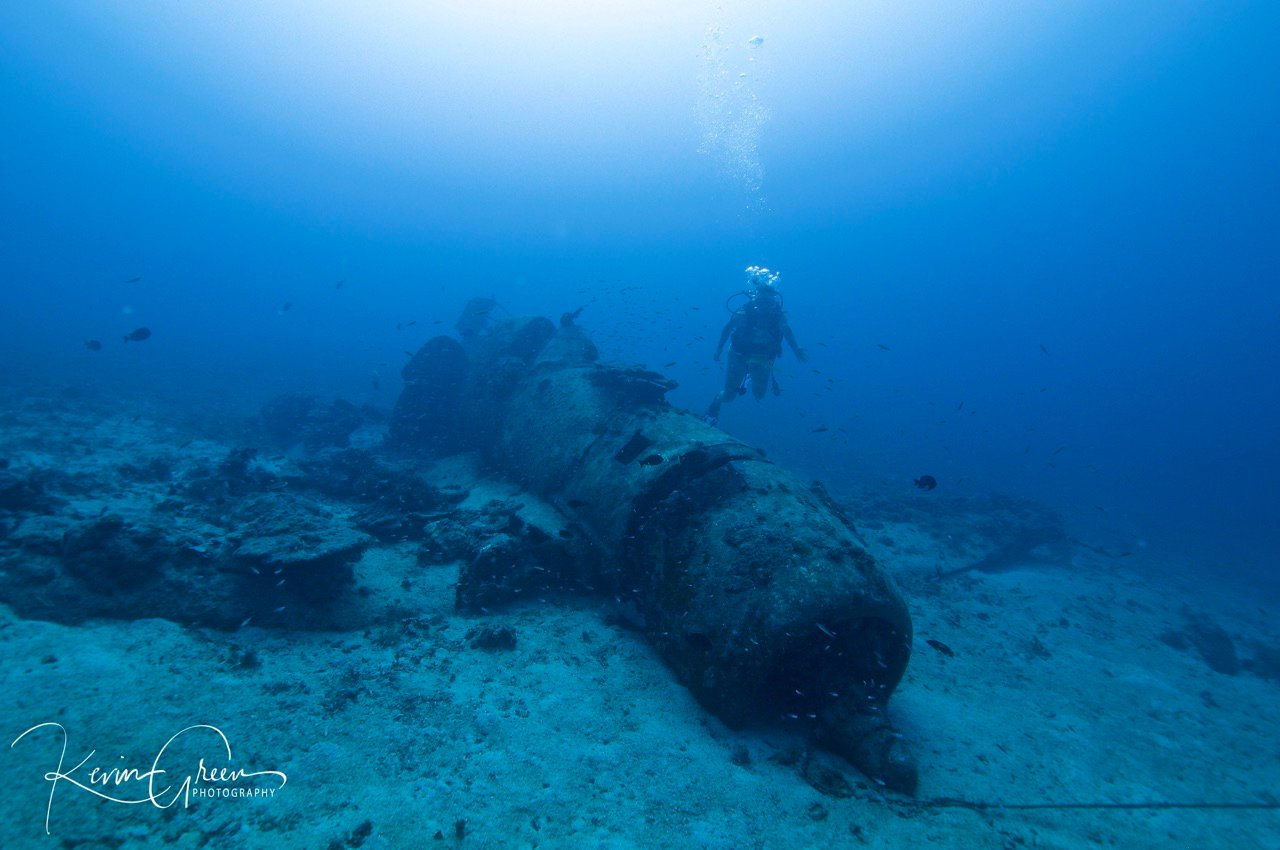
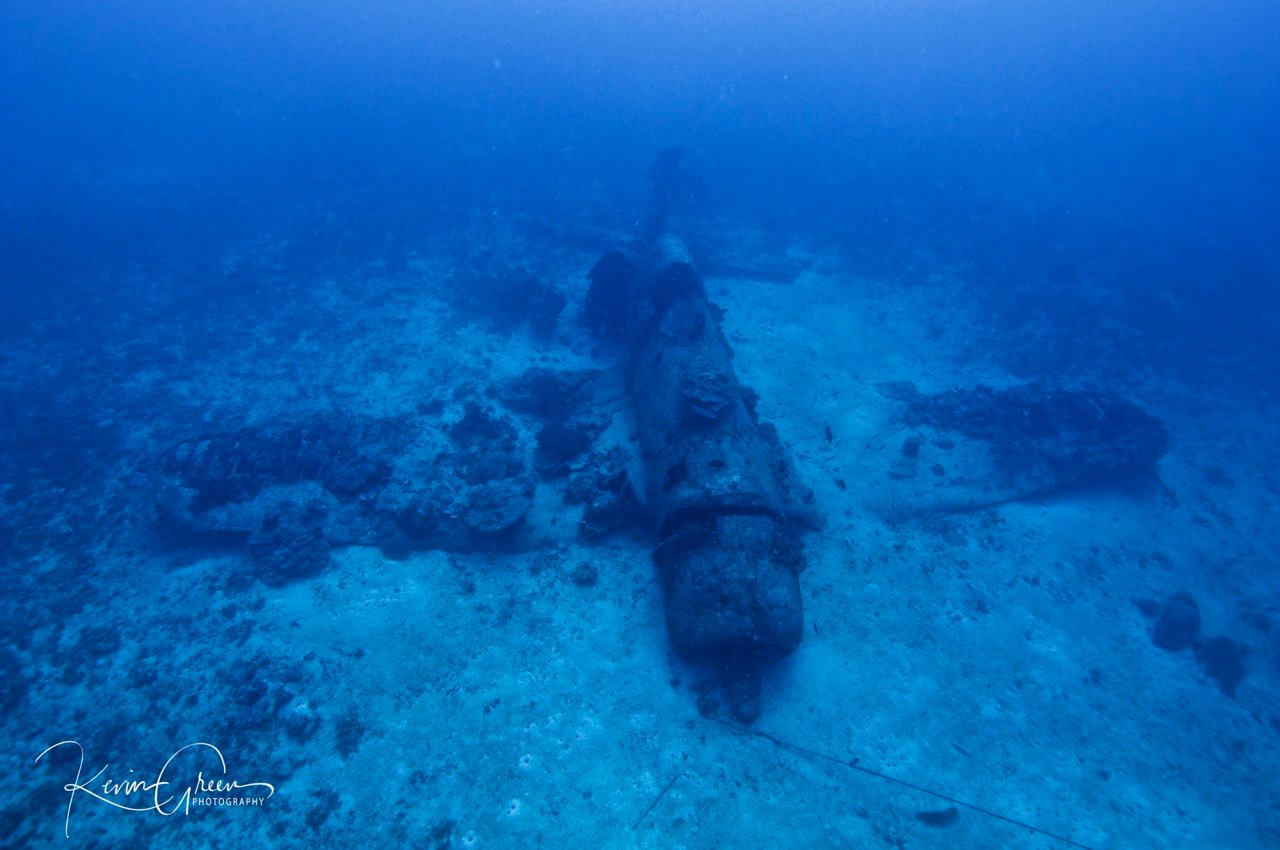
This early “Birdcage” F4U Corsair lies in approximately 30 metres of water near Turtle Bay and is one of Santo’s best-known underwater aircraft wrecks. The site is relatively intact and accessible to divers. Corsairs operated extensively from nearby airfields, including Turtle Bay and Bomber Airfield No. 1 (Pallikulo Bay), during the war. These photos are thanks to Kevin Green.
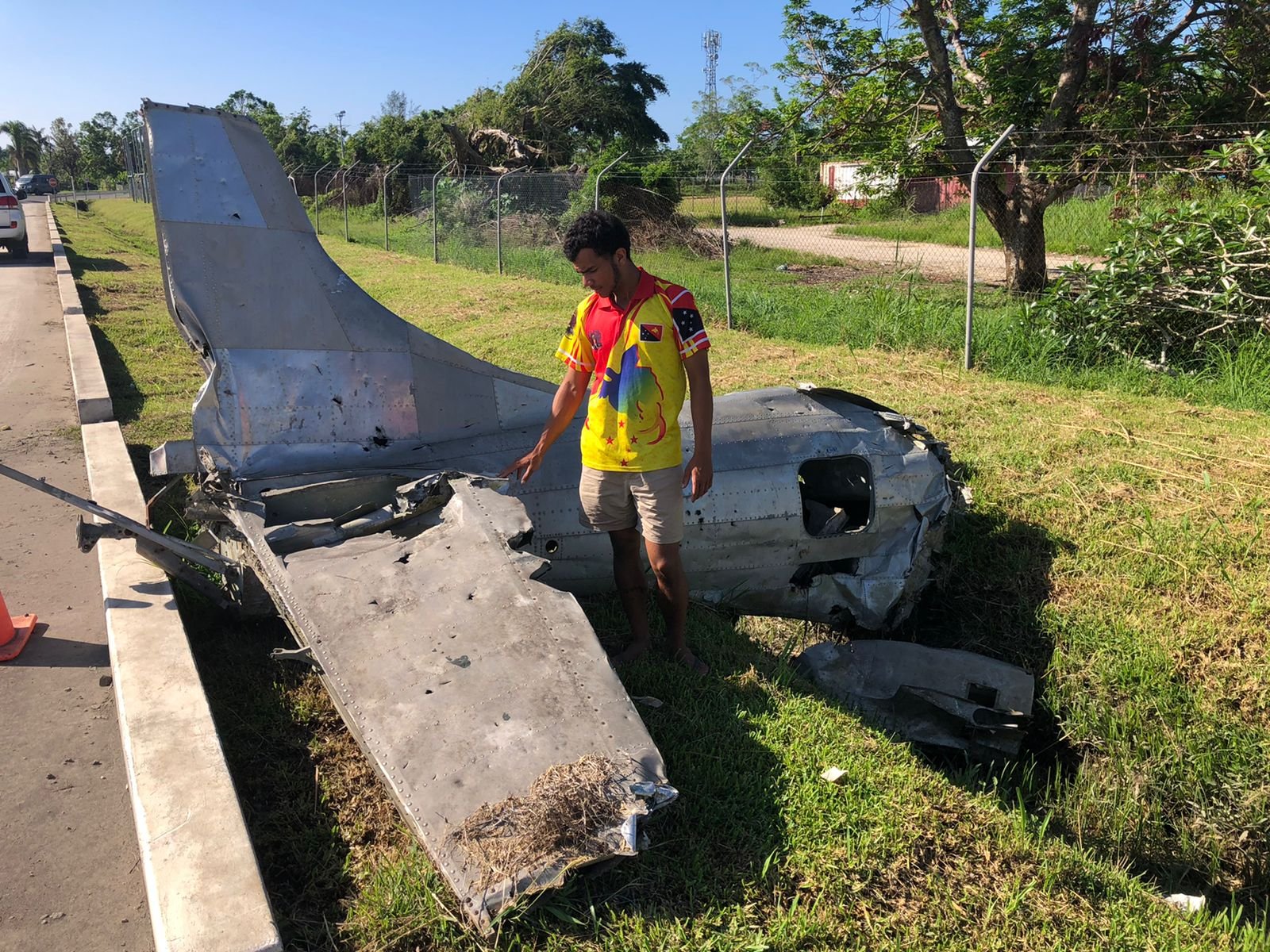
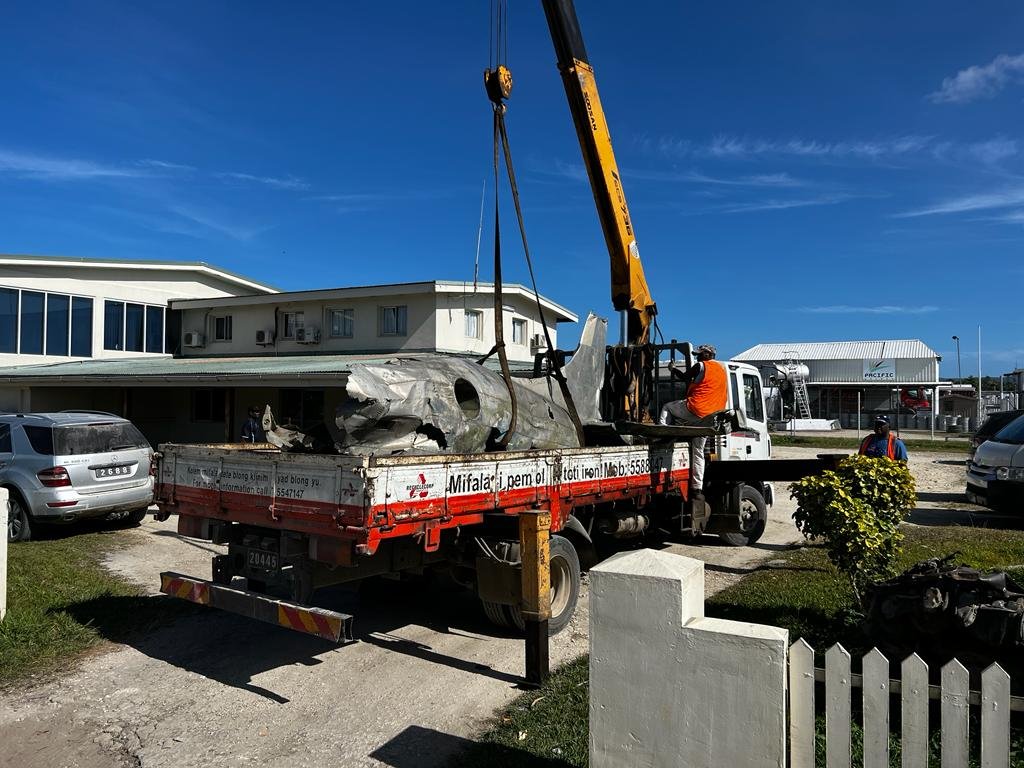
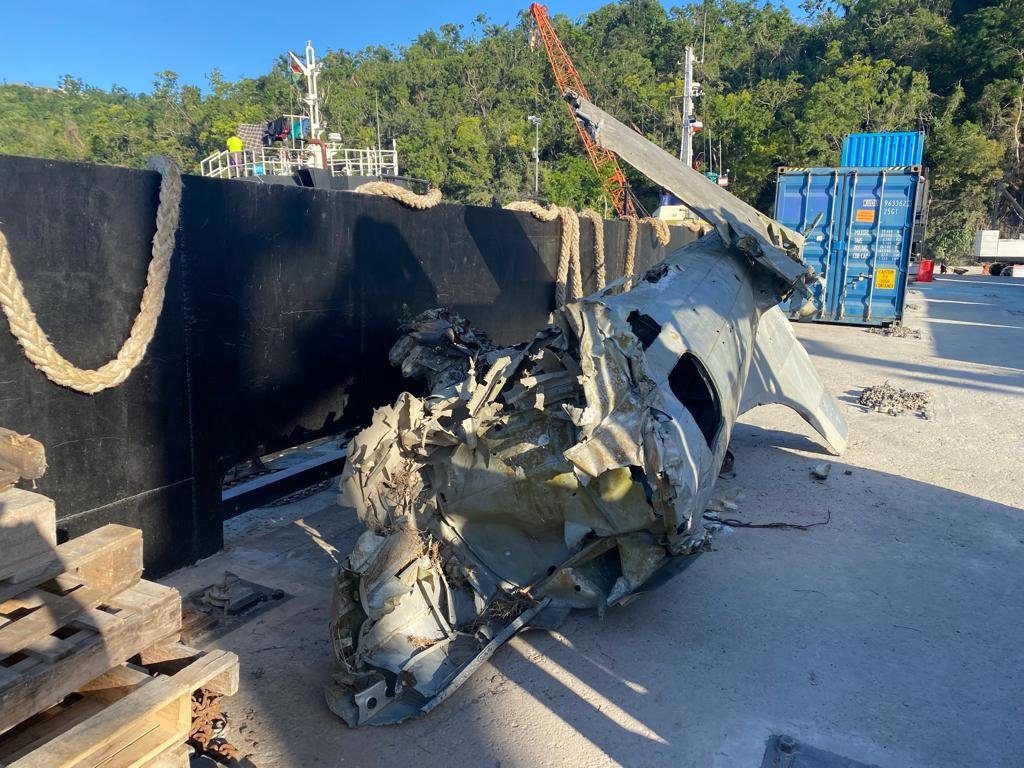
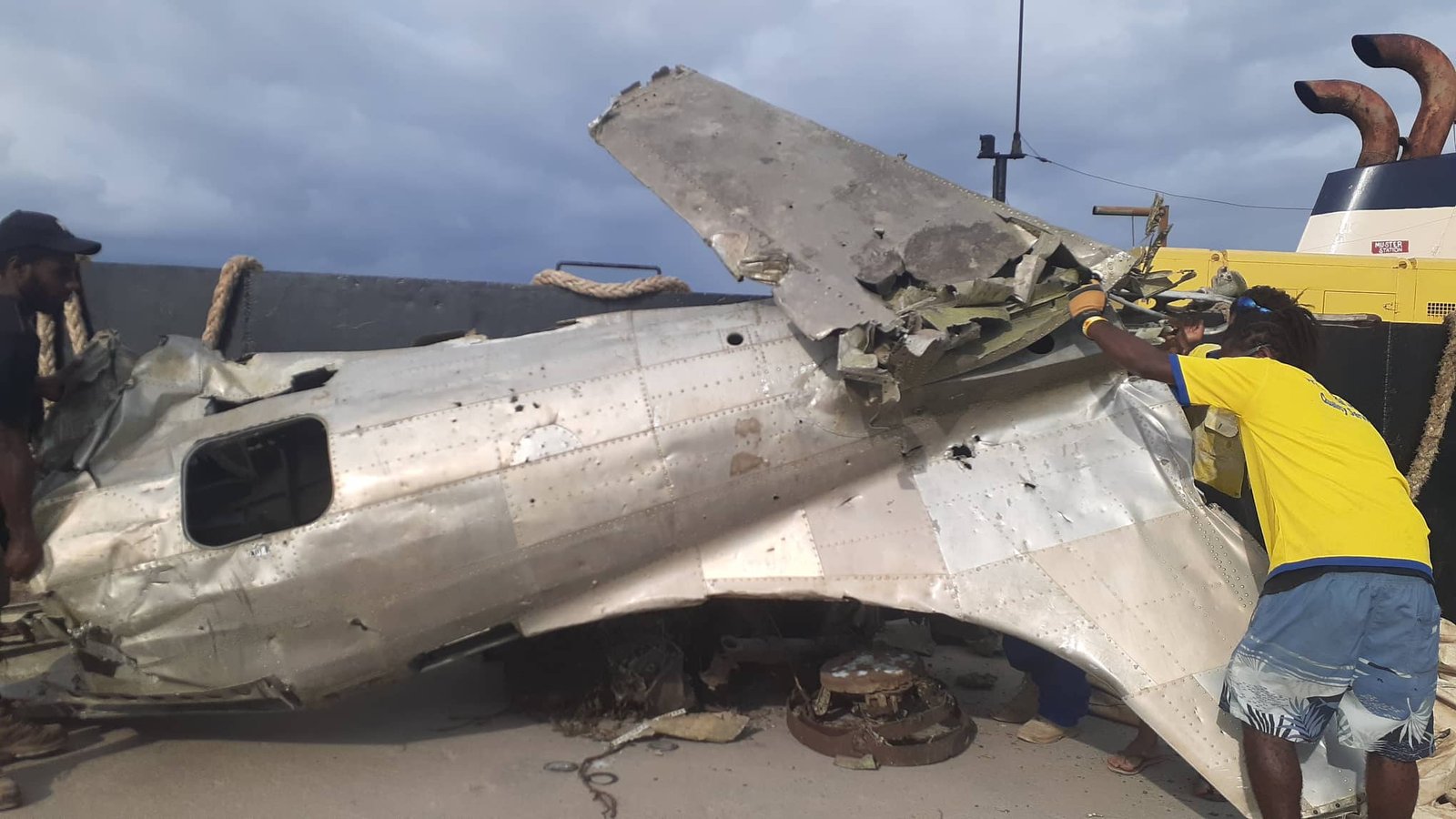
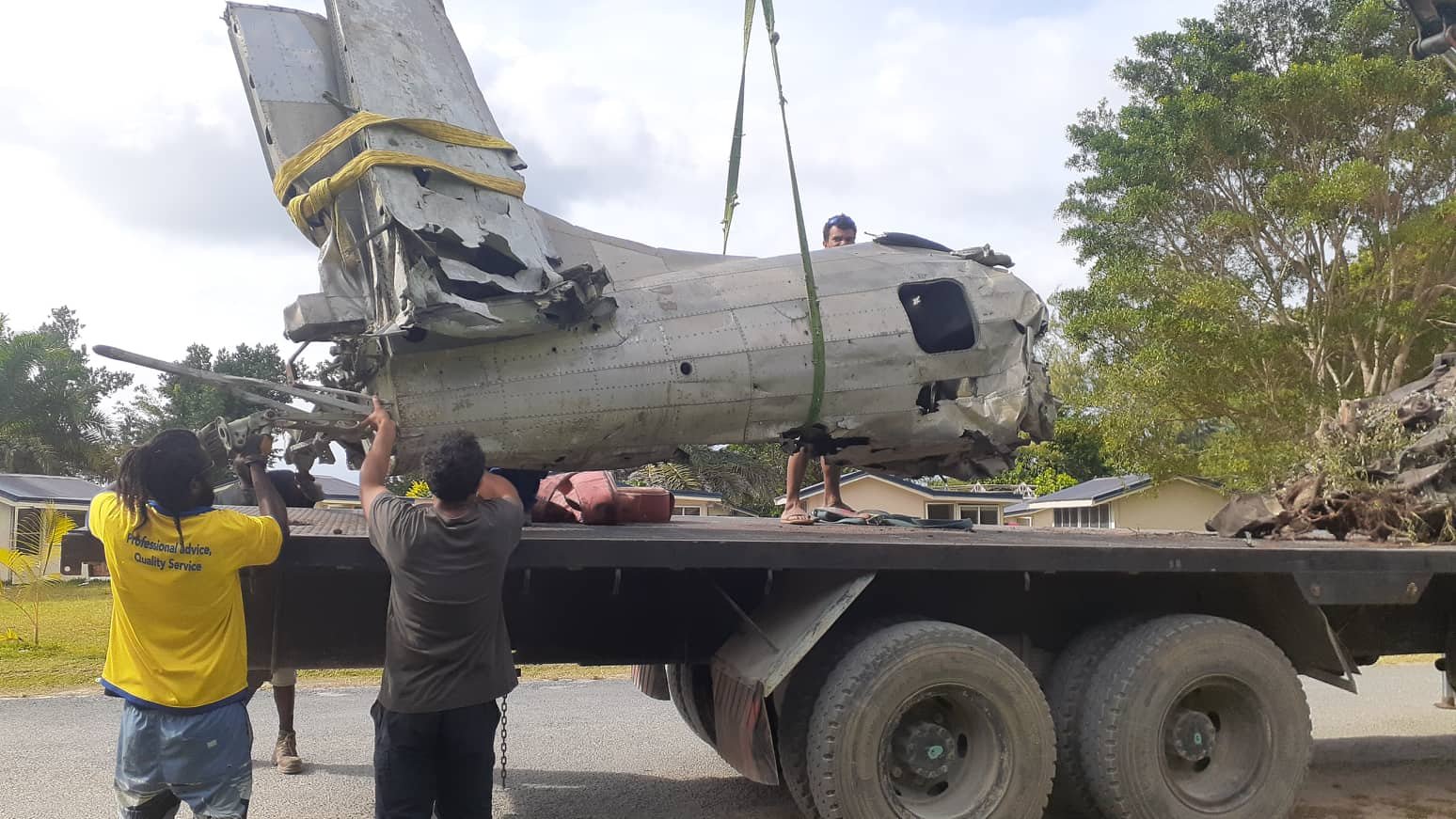
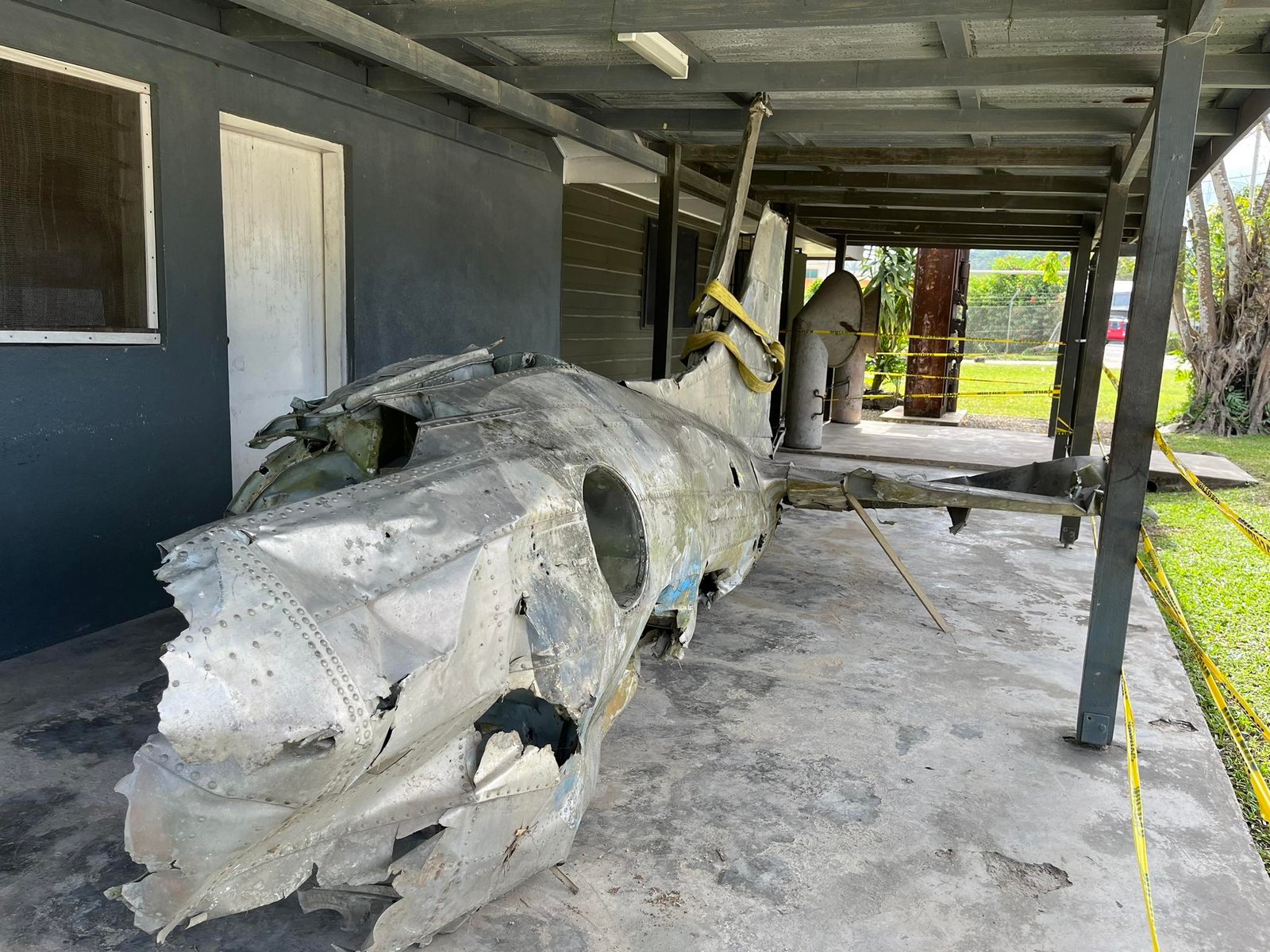
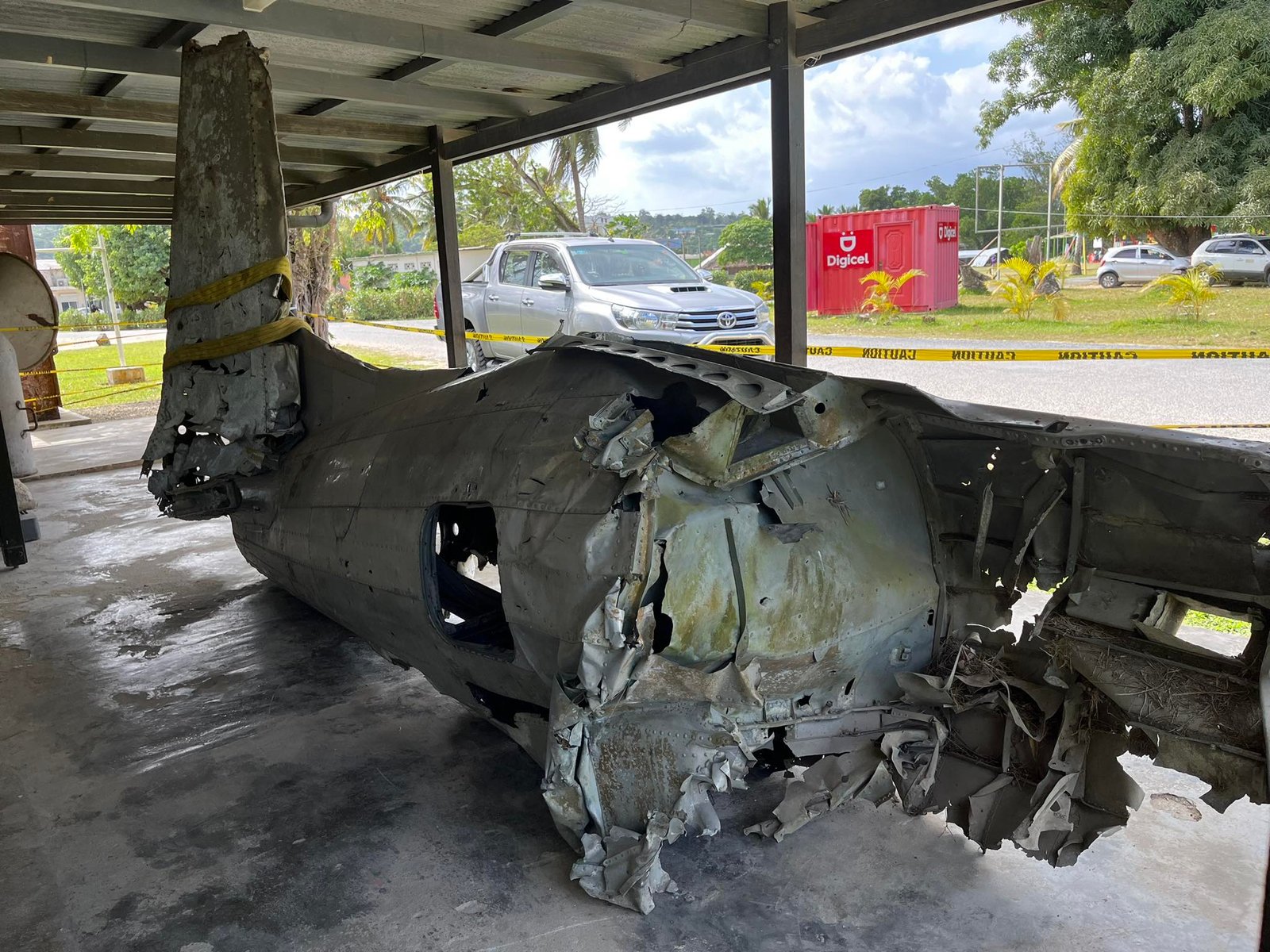
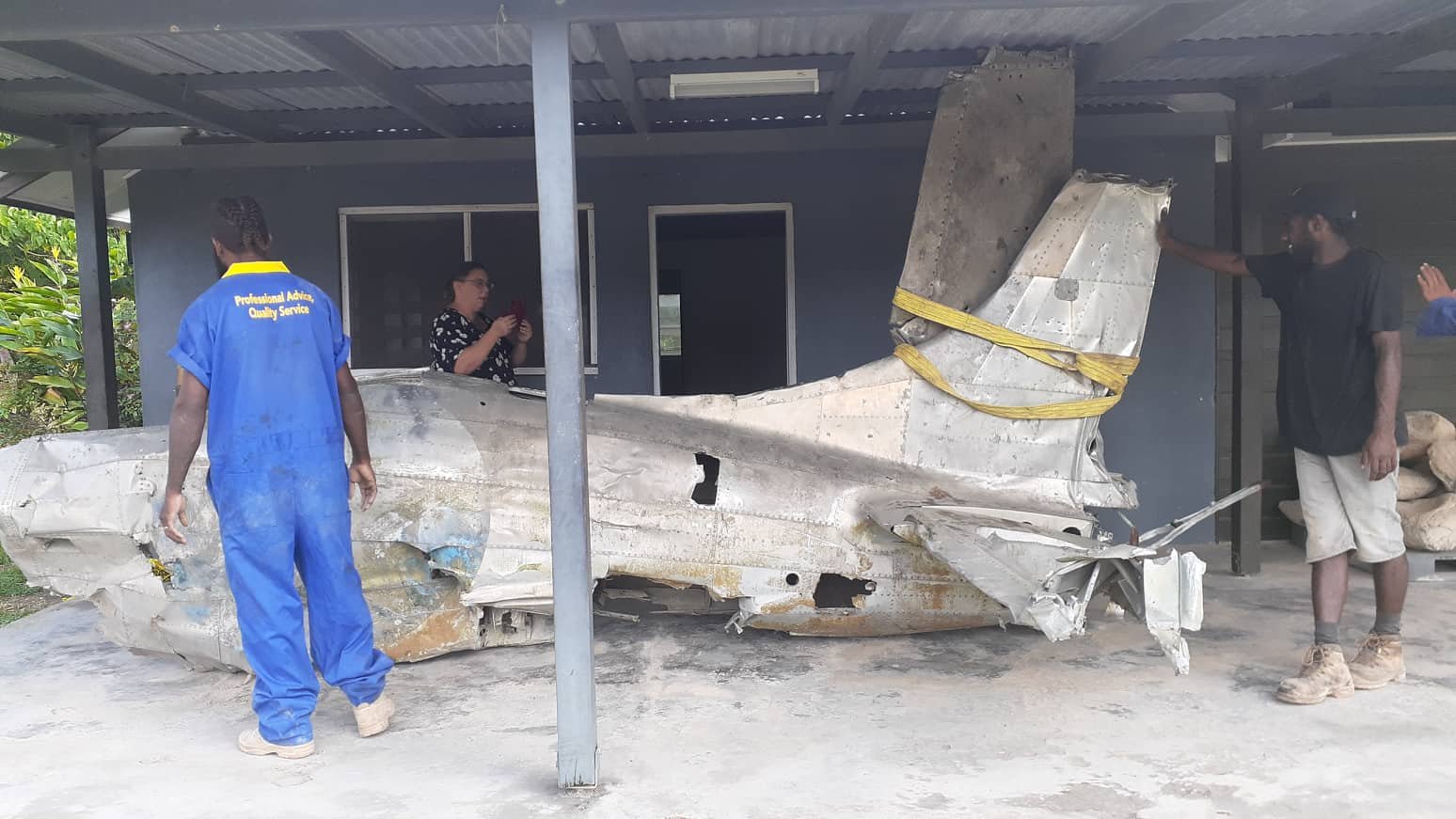
Douglas SBD Dauntless – South Pacific WWII Museum, Luganville
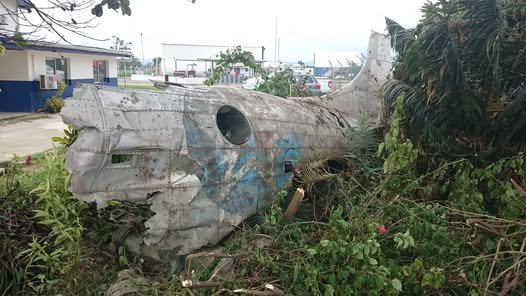
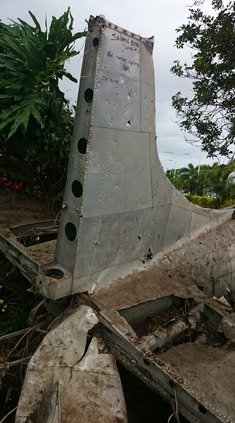
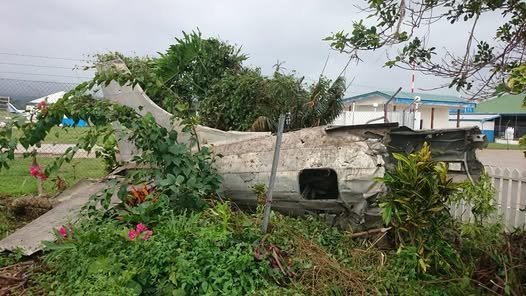
The remains of a Douglas SBD Dauntless recovered from Port Vila have been linked to a wartime crash on Efate. Local accounts and research indicate the aircraft struck a tree while flying low over a coastal village. The damaged fuselage section was later recovered by the Museum and is now preserved for further study.
Explore Santo in context
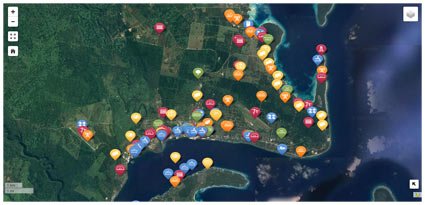
The Museum is part of a much larger wartime landscape. Across Espiritu Santo, airfields, wharves, hospitals and supply bases once formed a vast and vital Allied network.
To help place these locations in context, we’ve created an interactive map of the island’s south-east region. It brings together as many known sites as possible, allowing you to explore how the Museum connects to the wider story of the Pacific War.