Allan Power
One man's extraordinary
gift to the Museum
Thank you Mr President
Every museum is built on stories. Some are told through photographs, others through uniforms, medals and personal belongings. Occasionally, however, an entire collection arrives carrying not only the history of the objects themselves, but also the remarkable life of the person who spent decades preserving them.
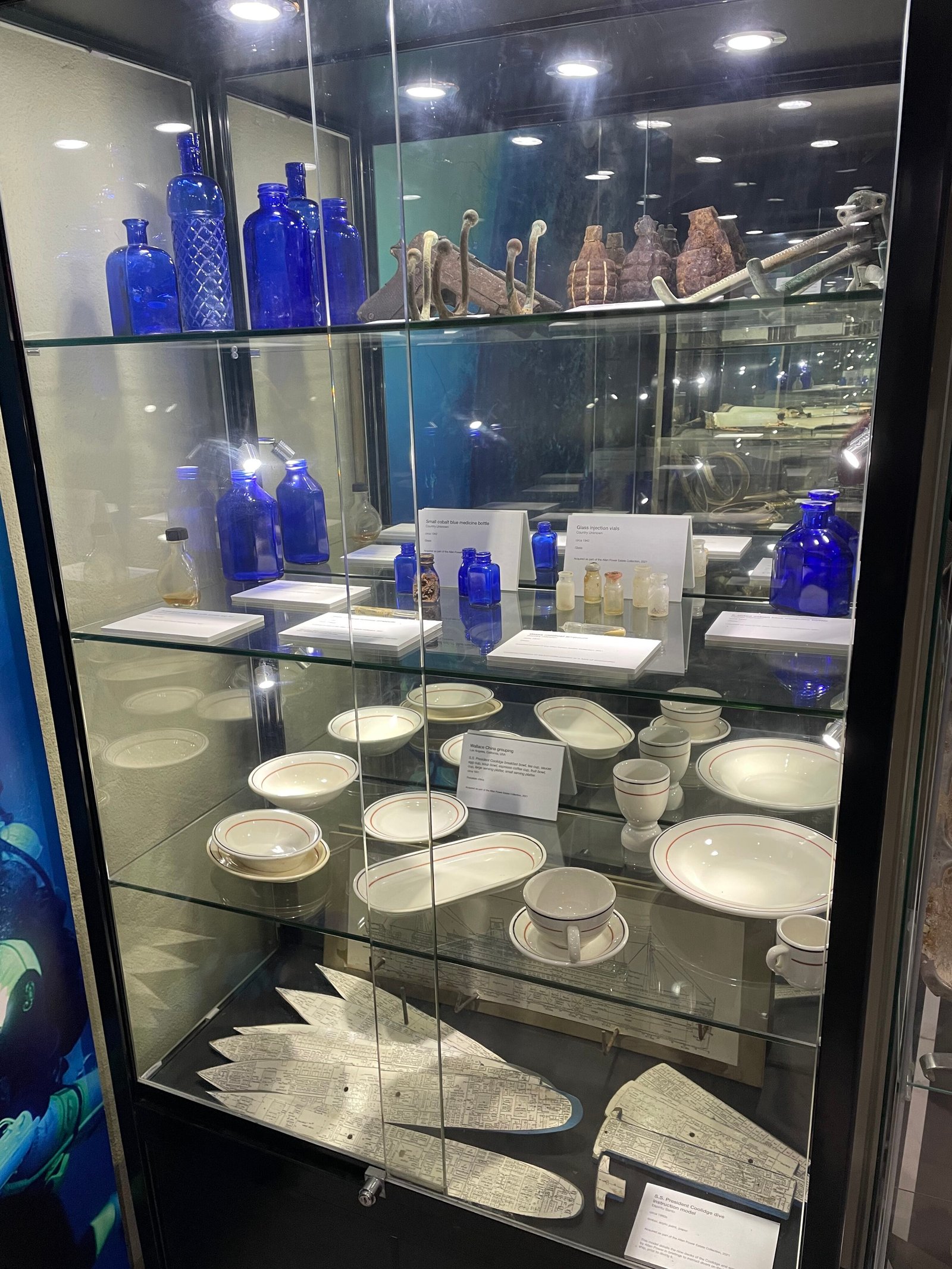
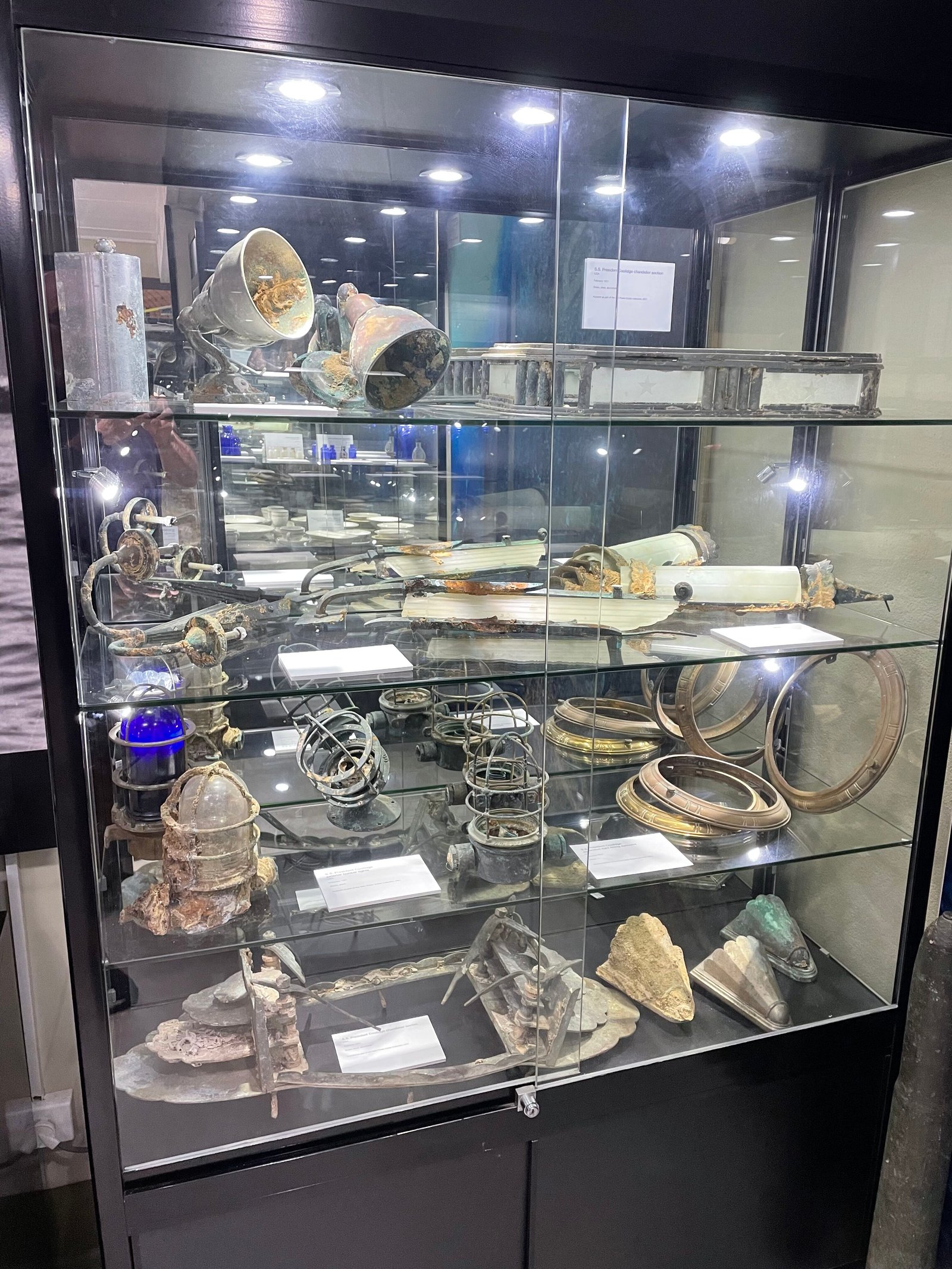
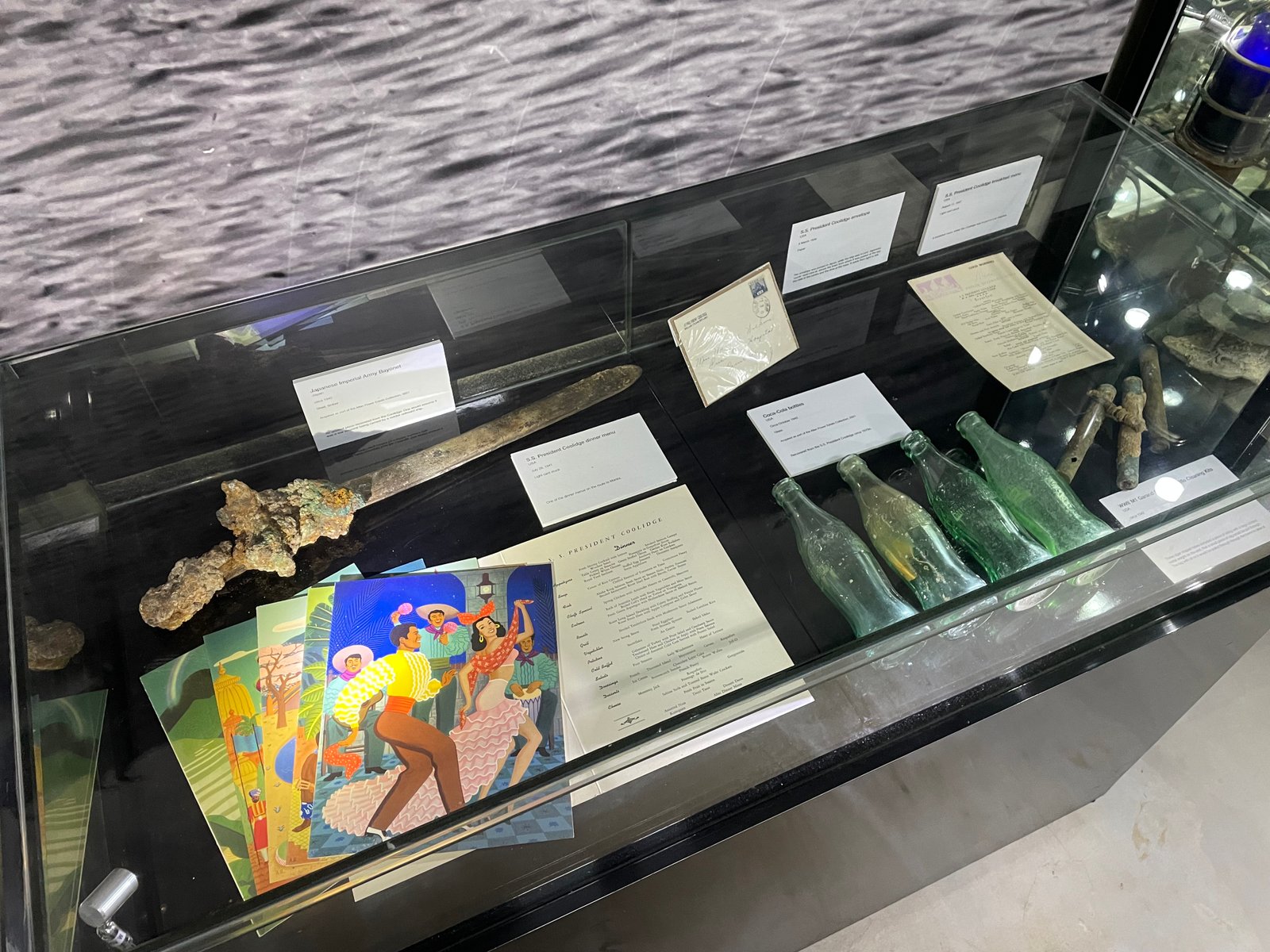
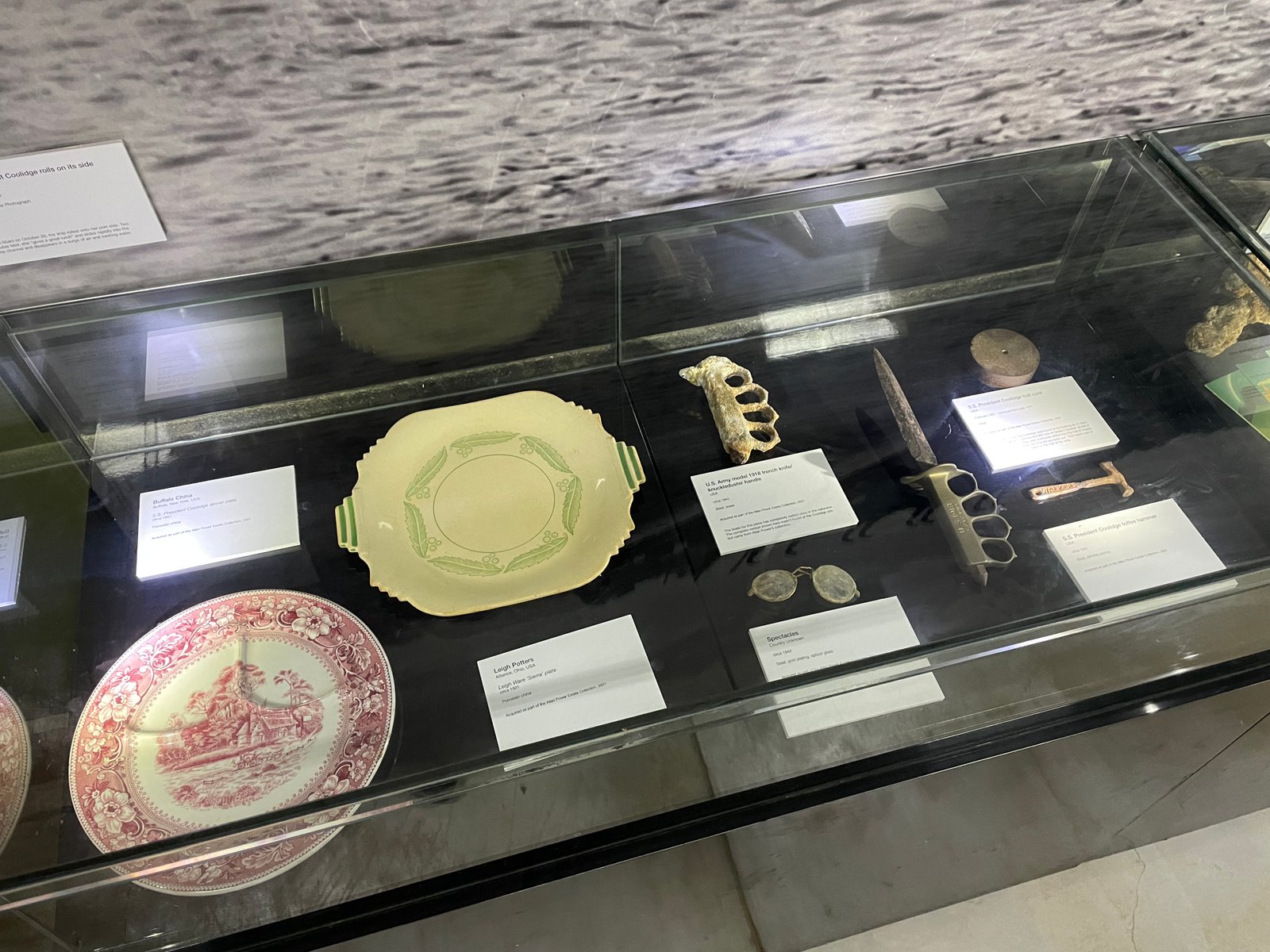
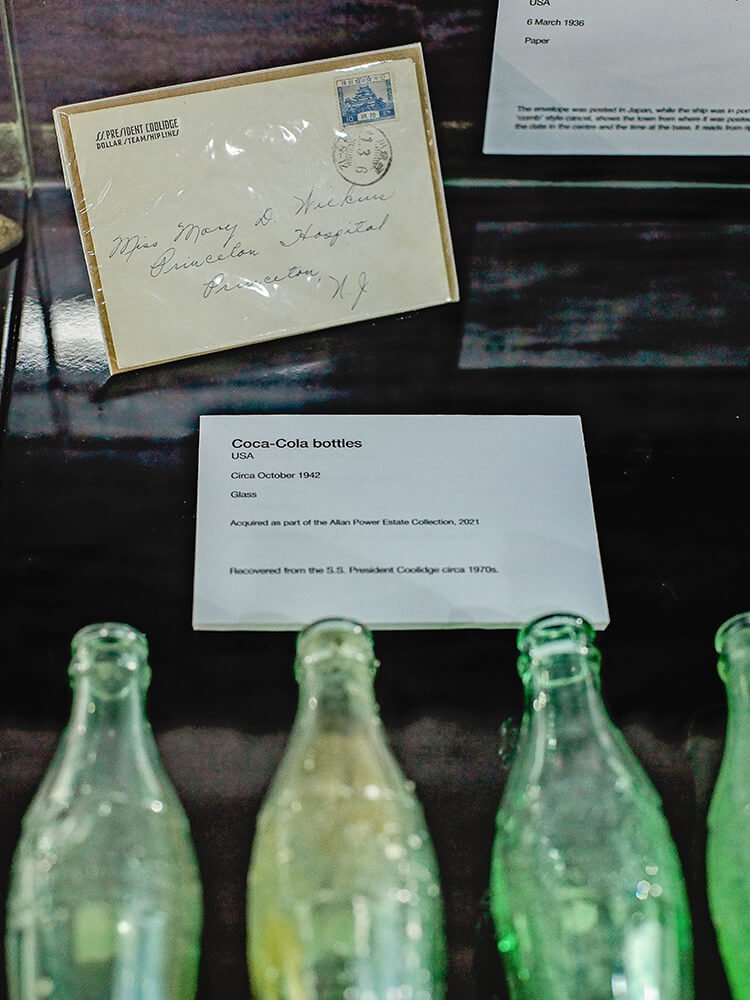
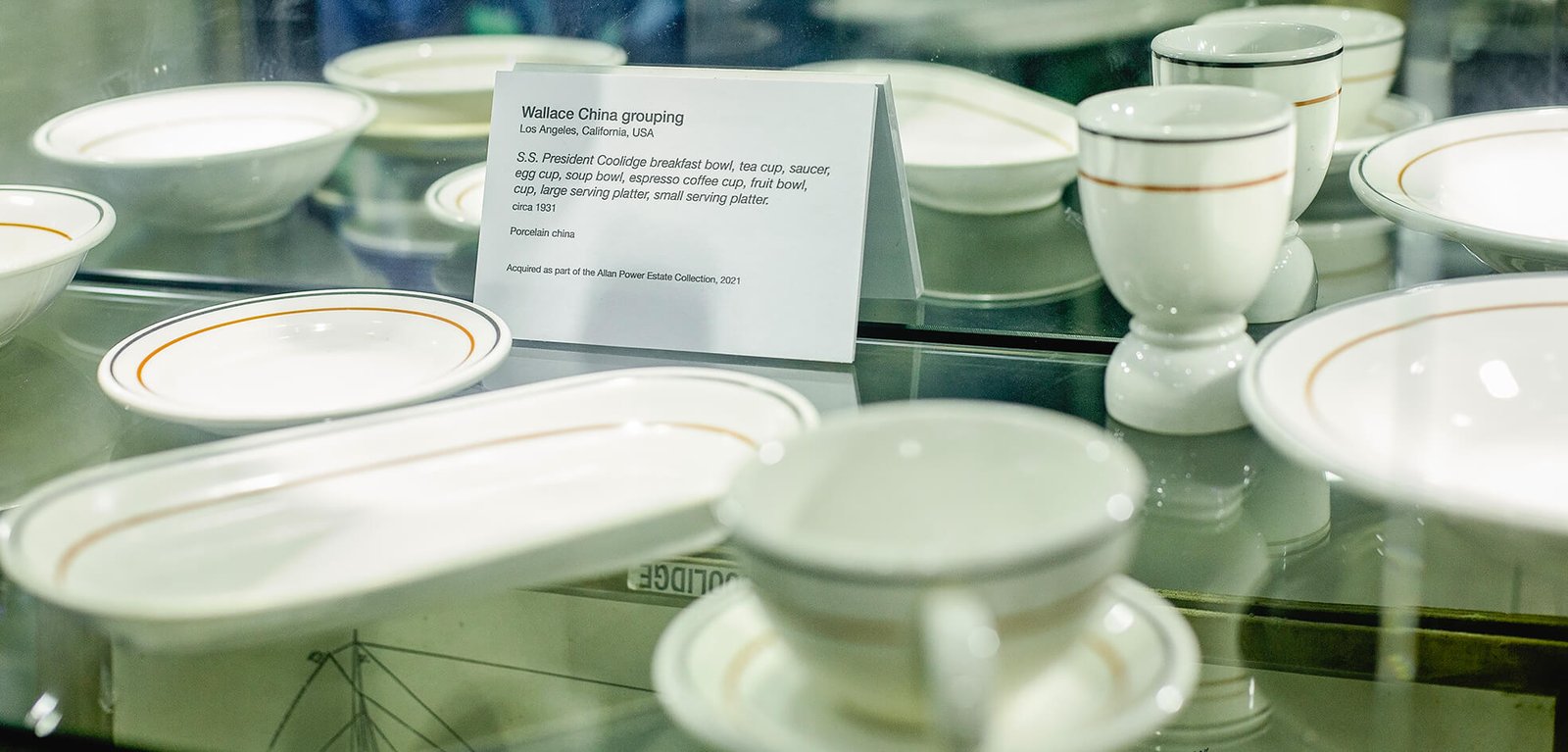
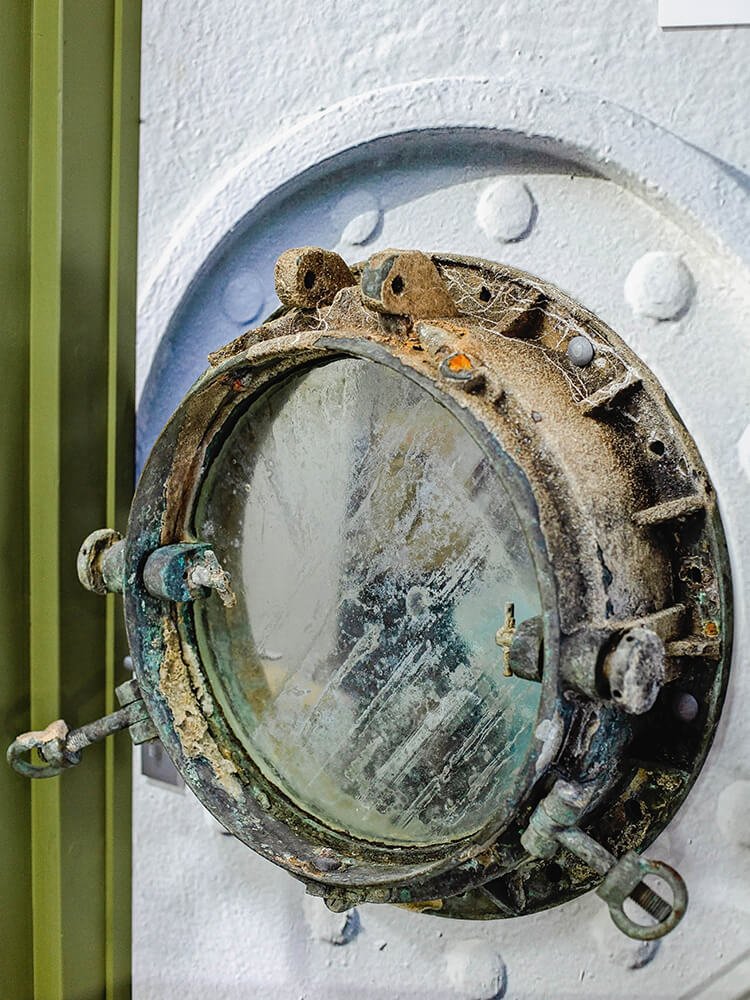
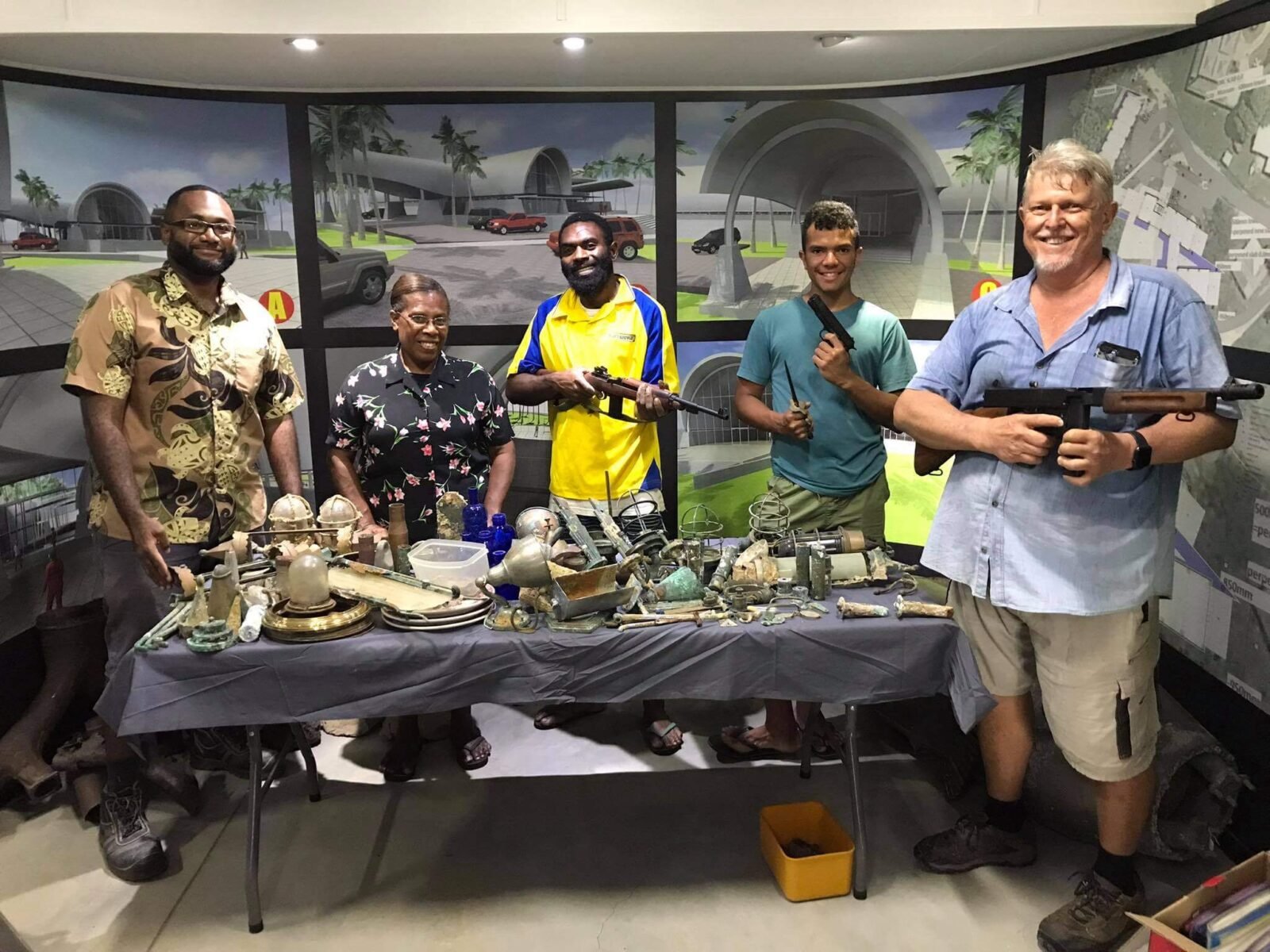
That is exactly what happened when the family and estate of legendary Santo diver Allan Power honoured his final wish by donating his treasured SS President Coolidge collection to the South Pacific WWII Museum.
For more than forty years, Allan dedicated his life to the President Coolidge. He explored her thousands of times, recovered artefacts that would otherwise have been lost forever, and introduced divers from around the world to one of the most famous shipwrecks on Earth. His passion for preserving the history of the Coolidge ensured that countless pieces of her story survived for future generations.
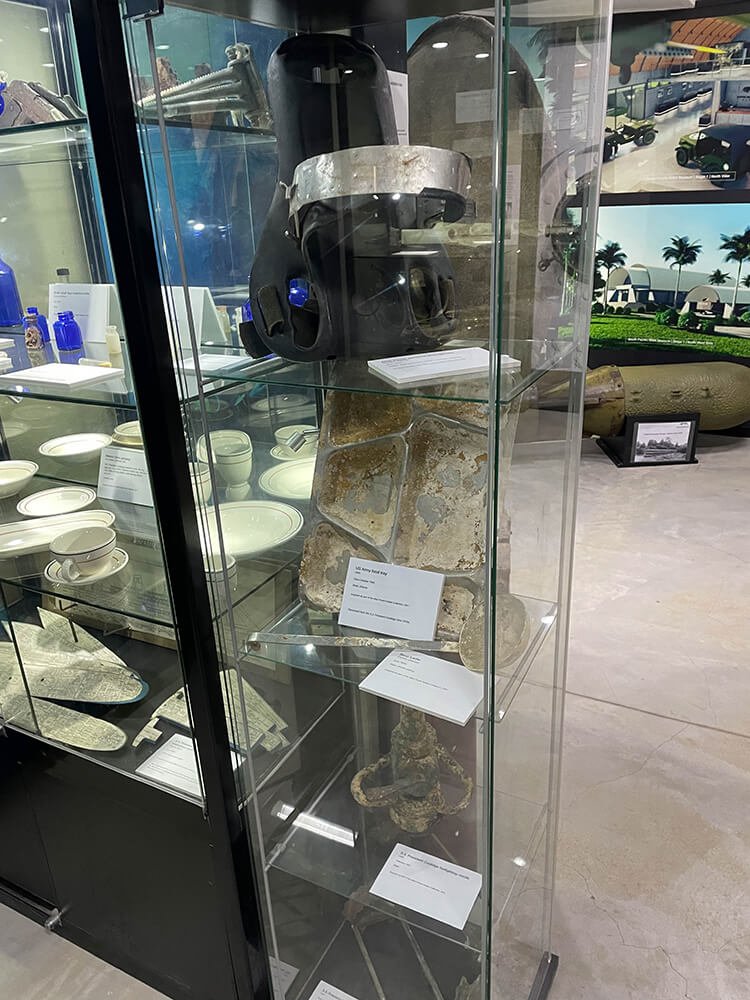
Before these remarkable artefacts can be displayed, each item must be carefully cleaned, photographed, documented and conserved. It is painstaking work, but one that will preserve Allan’s legacy—and the story of the President Coolidge—for generations to come.
To understand why this collection is so important, we first need to return to where the story began.
A Ship Destined for History
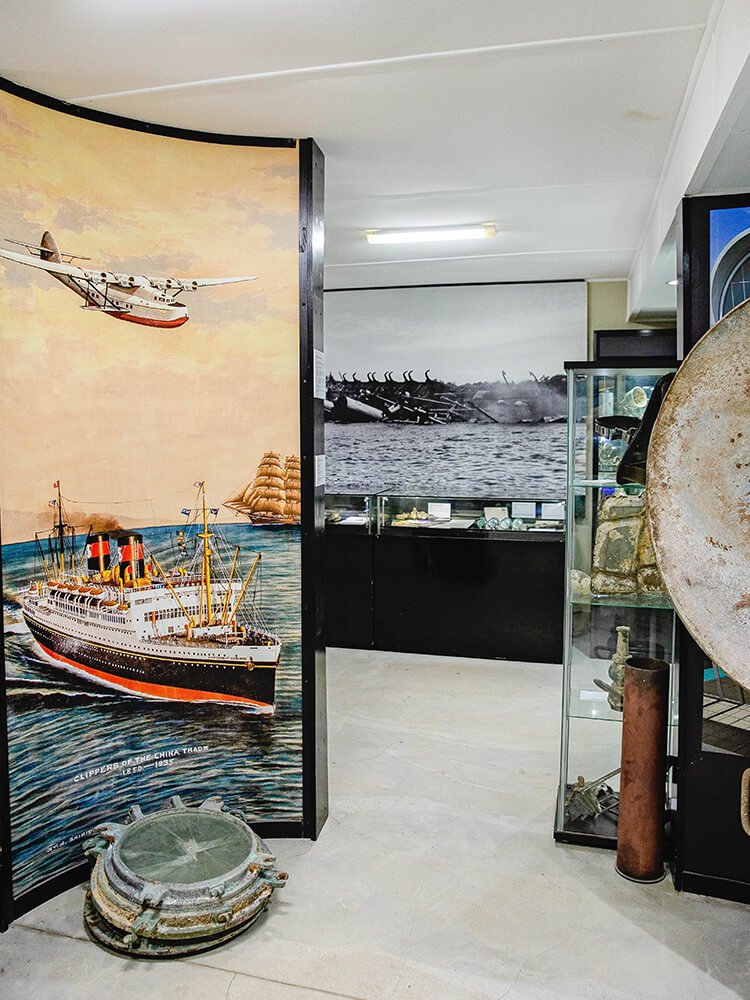
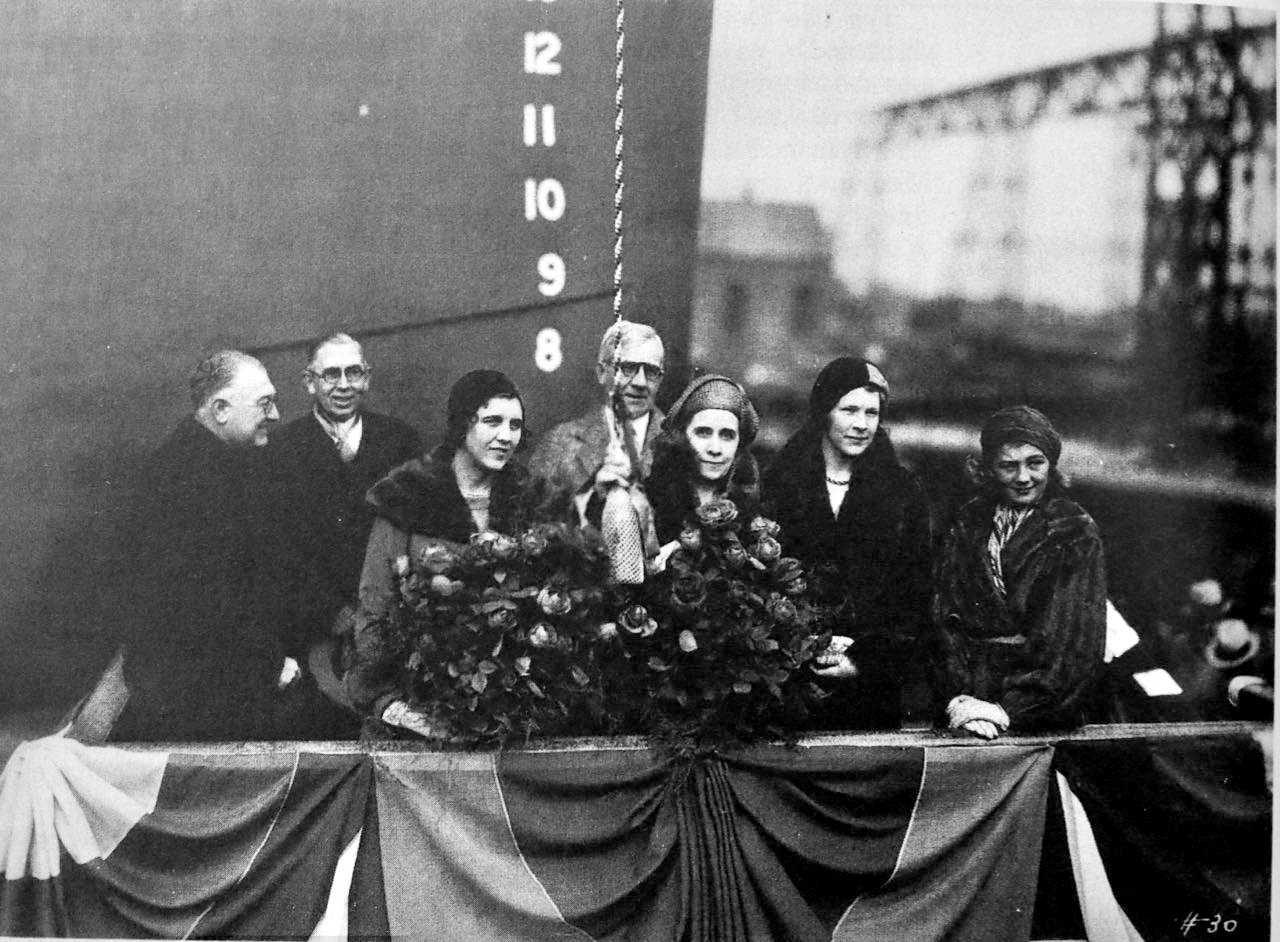
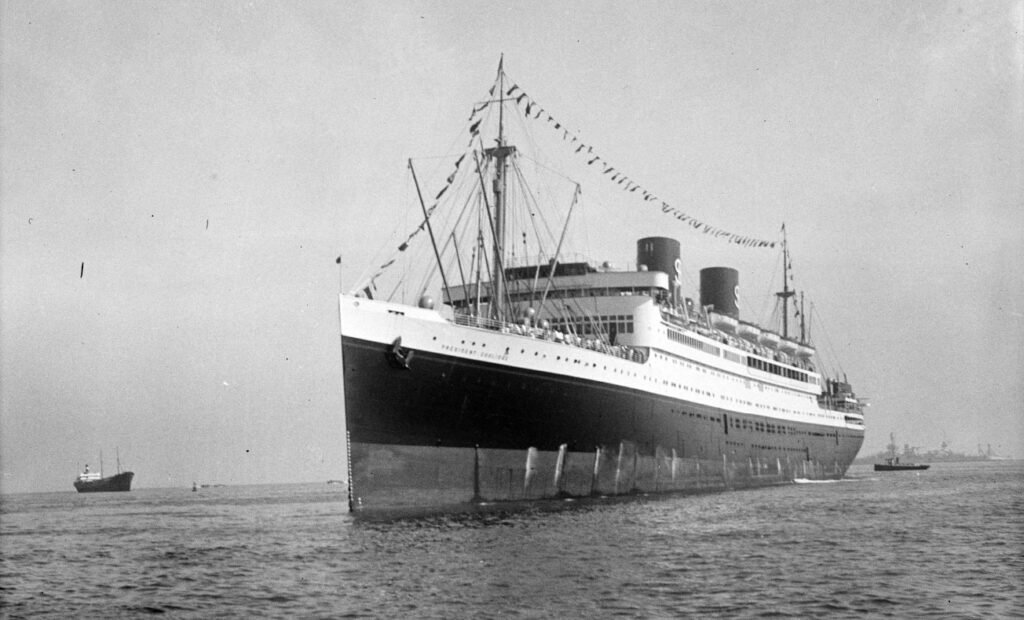
Launched in February 1931, the SS President Coolidge began life as one of America’s finest luxury ocean liners. Named after the 30th President of the United States, she carried passengers across the Pacific in comfort and style before the outbreak of the Second World War changed her destiny forever.
Requisitioned by the United States War Department in 1941, the elegant liner was transformed into a troopship capable of carrying more than 5,000 troops and crew. Her luxurious interiors were stripped back, defensive guns installed, and her distinctive civilian colours replaced with wartime grey.
On 26 October 1942, after transporting thousands of American servicemen across the Pacific, the President Coolidge approached Espiritu Santo.
Unknown to Captain Henry W. Nelson, the entrance to Segond Channel had been mined to protect the island from Japanese submarines. Because of wartime security procedures, the location of the minefield had not been included in the ship’s sailing orders.
Moments after entering the channel, the Coolidge struck two American mines.
Realising the ship could not be saved, Captain Nelson deliberately ran the stricken vessel aground in an extraordinary act of seamanship that allowed more than 5,300 troops and crew to escape. As the ship settled on the reef, she slowly rolled into deep water and disappeared beneath the surface, where she remains today.
Only two men lost their lives.
The first was Fireman Robert Reid, killed instantly in the initial explosion.
The second was Captain Elwood J. Euart. Having already reached the safety of the shore, Euart learned that soldiers were still trapped below decks. Without hesitation, he returned to the sinking ship and helped rescue the trapped men. Exhausted by his efforts, he was unable to escape before the President Coolidge slipped beneath the sea.
His courage would forever become part of the Museum’s own story.
Guardian of the Coolidge
Nearly thirty years later, a young Australian named Allan Power arrived on Espiritu Santo.
Born in Sydney in 1933, Allan began his working life as a pastry chef before discovering a passion for underwater photography. During the 1950s and 60s he built an international reputation photographing the Great Barrier Reef, publishing his acclaimed book The Great Barrier Reef in 1977.
In December 1969 Allan travelled to Santo aboard the salvage vessel Pacific Seal to photograph the recovery of the President Coolidge’s massive bronze propellers.
At the time, the wreck was regarded by many as little more than a valuable source of scrap metal. There was even discussion about salvaging the entire ship.
Recognising what could be lost forever, Allan began carefully recovering and preserving artefacts from the wreck before they disappeared. It marked the beginning of a lifelong commitment to protecting the history of the President Coolidge.
After returning to Santo permanently in the late 1970s, Allan established Allan Power Dive Tours, a business that would become synonymous with world-class diving. Divers travelled from every corner of the globe to explore the famous wreck under Allan’s guidance, and many visited Espiritu Santo for no other reason than to dive with him.
In doing so, Allan helped establish Santo’s reputation as one of the world’s premier wreck-diving destinations. Through his enthusiasm, professionalism and deep knowledge of the President Coolidge, thousands of visitors discovered not only the wreck itself, but also the history of Espiritu Santo.
His contribution was recognised internationally in 2011 when he was inducted into the International Scuba Diving Hall of Fame, honouring his outstanding contribution to recreational diving and maritime heritage.
To the people of Santo, however, he was simply “Uncle Allan”—a familiar face whose kindness and generosity earned him enormous respect throughout the community.
As the unofficial guardian of the President Coolidge, Allan also became the keeper of Captain Elwood J. Euart’s story.
Following the establishment of the Elwood J. Euart Association, one of the most significant discoveries in the wreck’s history occurred when local divers located Captain Euart’s remains nearly seventy years after the sinking. The discovery led to a United States military recovery operation and the eventual repatriation of Captain Euart to his hometown of Pawtucket, Rhode Island.
By the time Allan passed away in December 2018, he had completed more than 15,000 dives on the President Coolidge and introduced over 20,000 divers to the famous wreck.
Few people understood the President Coolidge as well as Allan Power.
A Promise Fulfilled
Shortly before his passing, Allan told Museum Chairman Bradley Wood that one day he hoped his treasured collection of President Coolidge artefacts would find a permanent home in the South Pacific WWII Museum.
It was a wish born from a lifetime devoted to preserving the ship’s history.
In late October 2021, Allan’s family honoured that wish by donating his remarkable collection to the Museum.
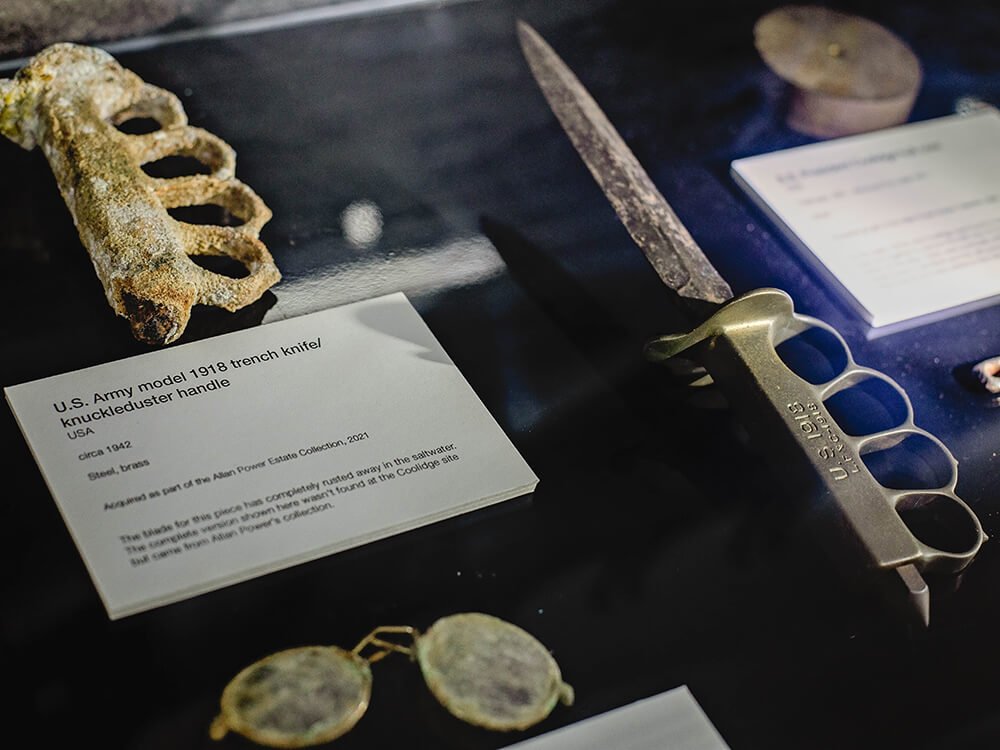
Each artefact has its own story to tell. Together they help preserve the history of the President Coolidge, the thousands of men who served aboard her, and the remarkable contribution Allan made to ensuring that history would never be forgotten.
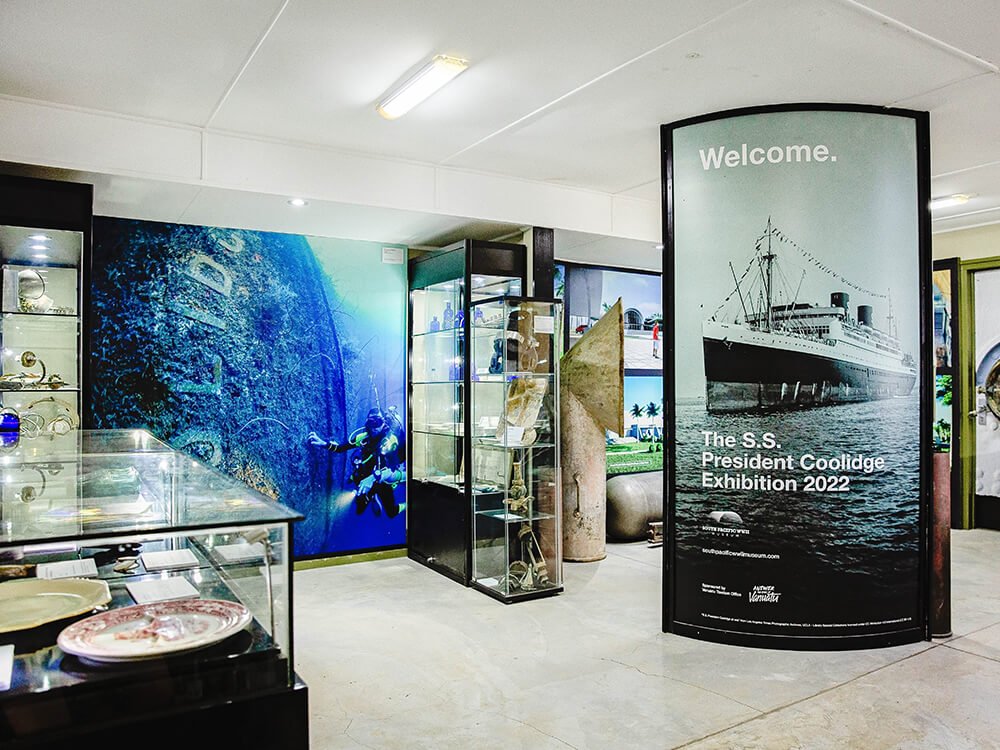
Once conservation work has been completed, visitors to the Museum will be able to experience this unique collection and gain an even greater appreciation of one of the world’s most famous shipwrecks.
Thank You
Today, Allan’s remarkable collection has found its permanent home at the South Pacific WWII Museum, exactly as he hoped it would.
As these artefacts are conserved and prepared for display, they will continue telling the story of the President Coolidge while standing as a lasting reminder of the man whose dedication preserved so much of her history.
The South Pacific WWII Museum sincerely thanks Allan’s business partner Tony Lewis, Lionel Jimmy, Allan’s sister Sandra Field, and Sandra’s children Amanda and Bartley, executors of Allan’s estate, for honouring Allan’s final wish and entrusting this extraordinary collection to the Museum.
Tankyu tumas.