At the end of World War II, Espiritu Santo was the largest American base in the South Pacific. When the war ended, the troops would go home—but what to do with everything they left behind was another question entirely.
What followed was one of the most extraordinary—and controversial—episodes of the Pacific War’s aftermath.
The End of a War, the Start of a Problem
As Allied forces began to withdraw, a plan was put in place. The infrastructure built by the Americans—roads, airfields, water systems—would remain as a gesture of goodwill to the people of Santo.
But everything else was a different matter.
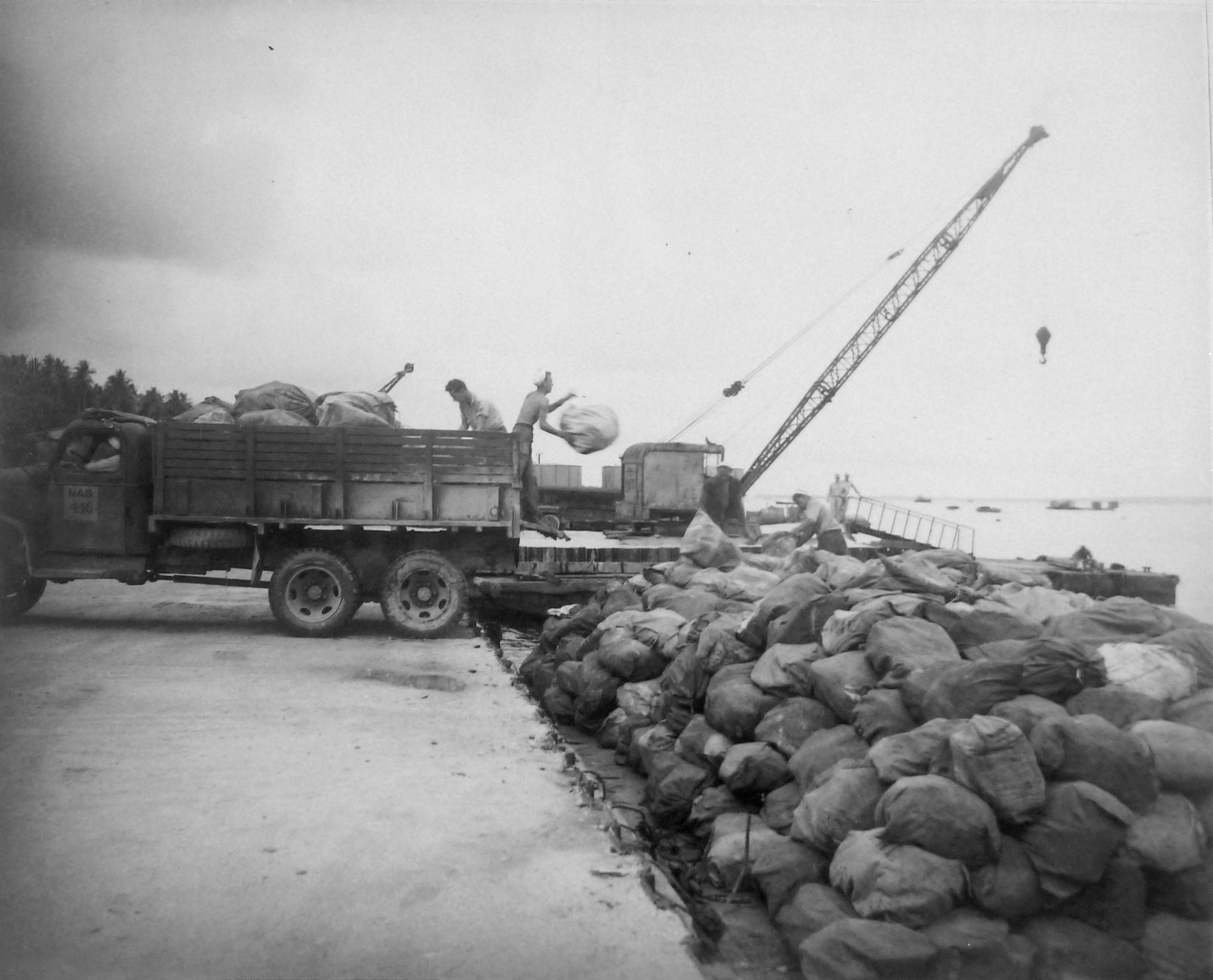
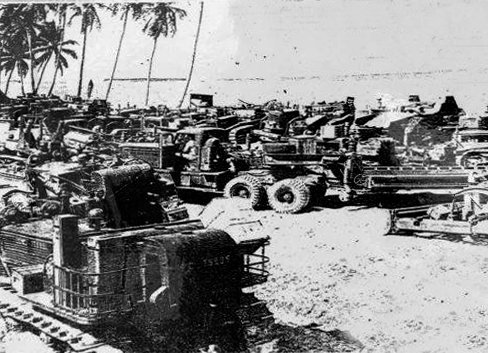
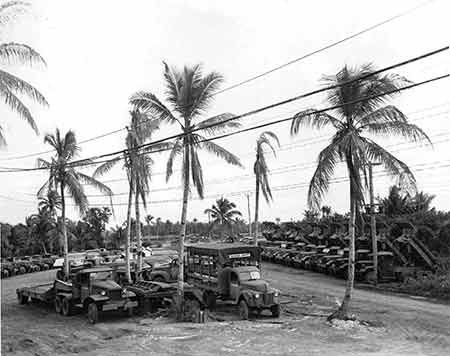
Thousands of vehicles, bulldozers, trucks, machinery, clothing, food stores, and equipment were scheduled to be returned to the United States. Yet with shipping space limited, priority was given to bringing the troops home.
There was also a growing concern back in America: flooding the domestic market with surplus military equipment could disrupt the post-war economy.
So the decision was made—the equipment would not return home.
A Deal Refused
Word spread quickly.
The French administration, which controlled this part of the New Hebrides at the time, recognised the value of what remained on Santo and sought to acquire it. The Americans made an offer—everything for just six cents on the dollar.
It was an extraordinary deal.
But it was refused.
Believing the Americans would leave the equipment behind regardless, the French declined, expecting to receive it for nothing once the withdrawal was complete.
A Most Ungracious Gesture
The response was swift—and final.
If the equipment was not to be sold, it would not be given away either.
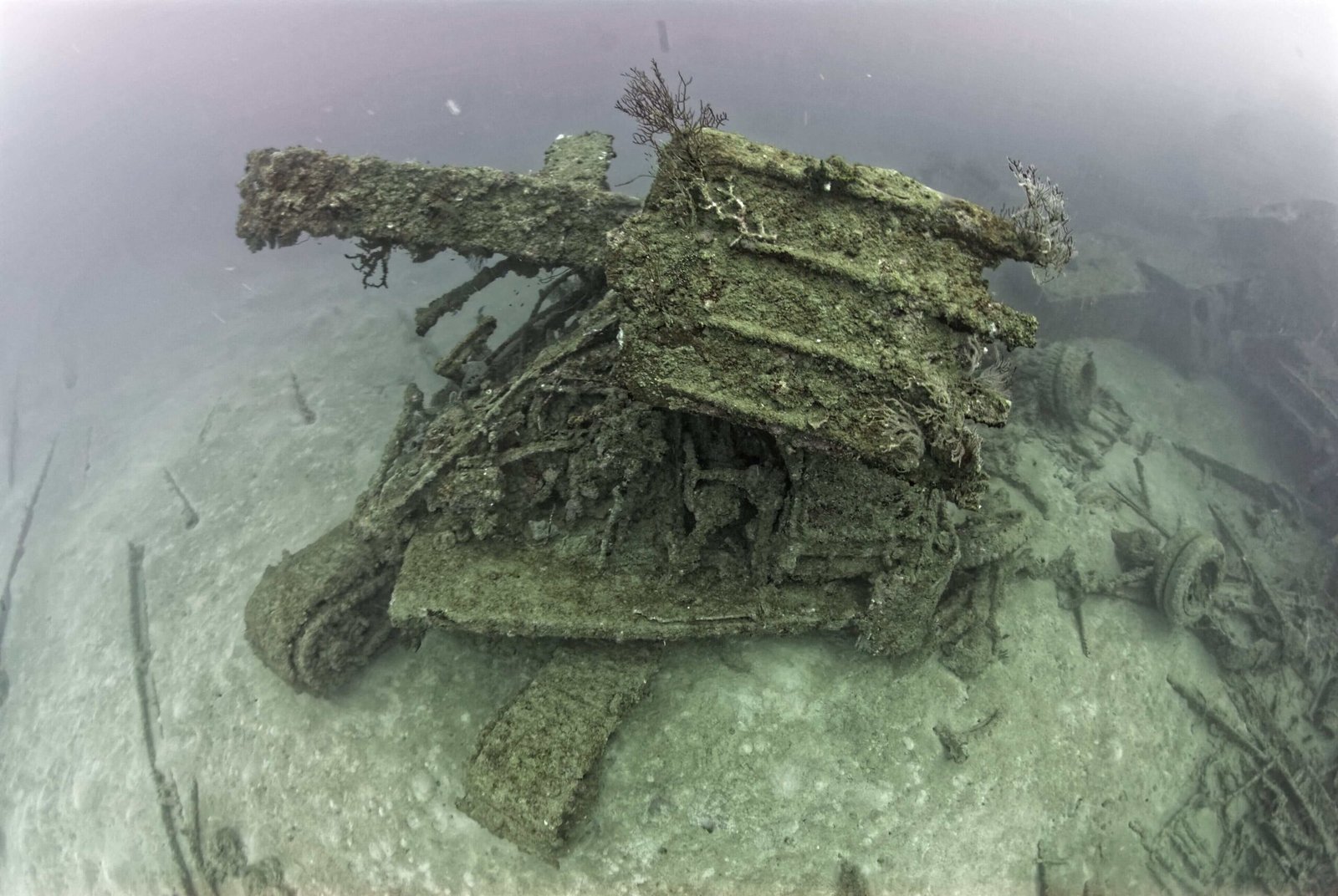
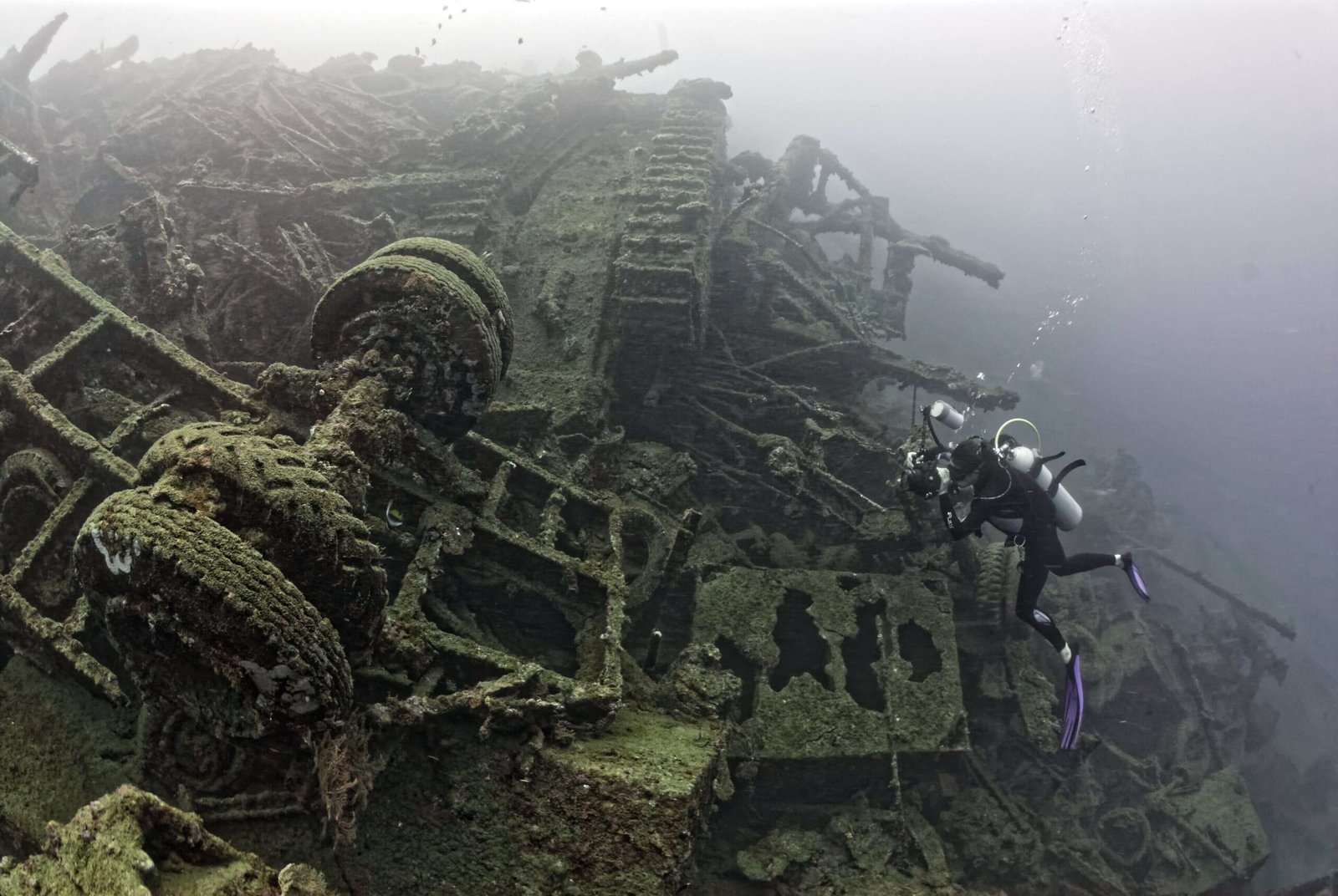
Over the course of two days, vast quantities of military equipment were transported to a stretch of coastline just outside Luganville. Trucks, bulldozers, machinery, and supplies were driven straight into the sea.
What could not move under its own power was pushed.
Bulldozers forced trucks over the edge before following them into the water themselves, engines running, throttles pinned open. When the job was done, the temporary jetty used for the operation was destroyed.
Millions of dollars’ worth of equipment disappeared beneath the surface.
Million Dollar Point
The name that followed was inevitable.
Today, Million Dollar Point remains one of Santo’s most remarkable sites—a place where history lies both above and below the waterline.
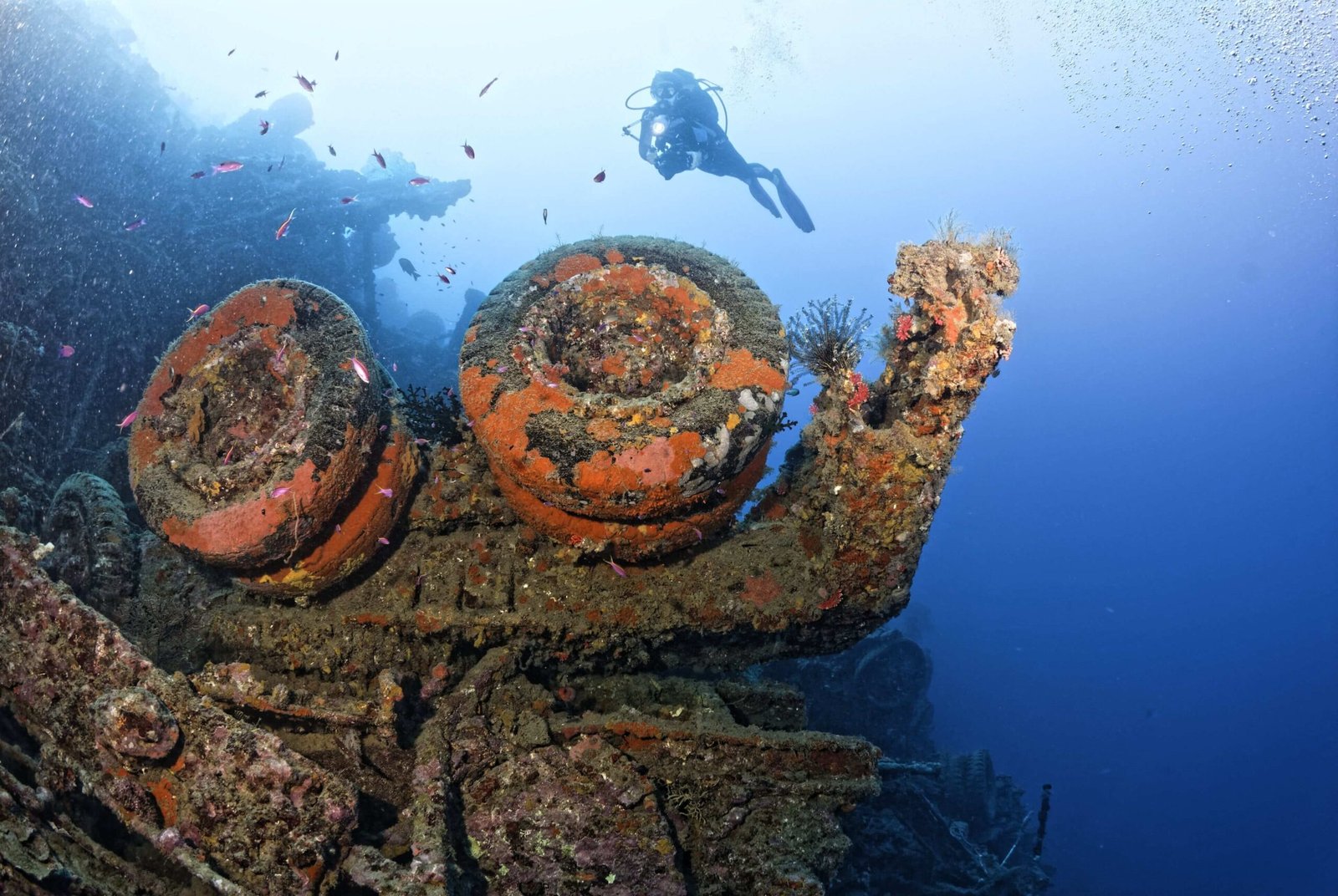
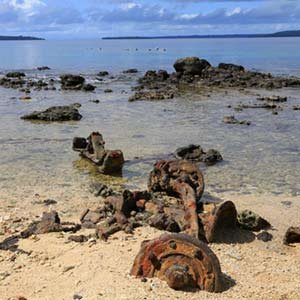
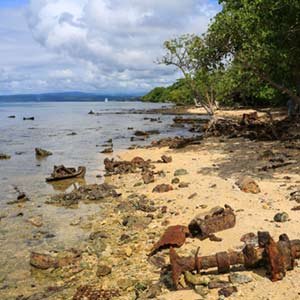
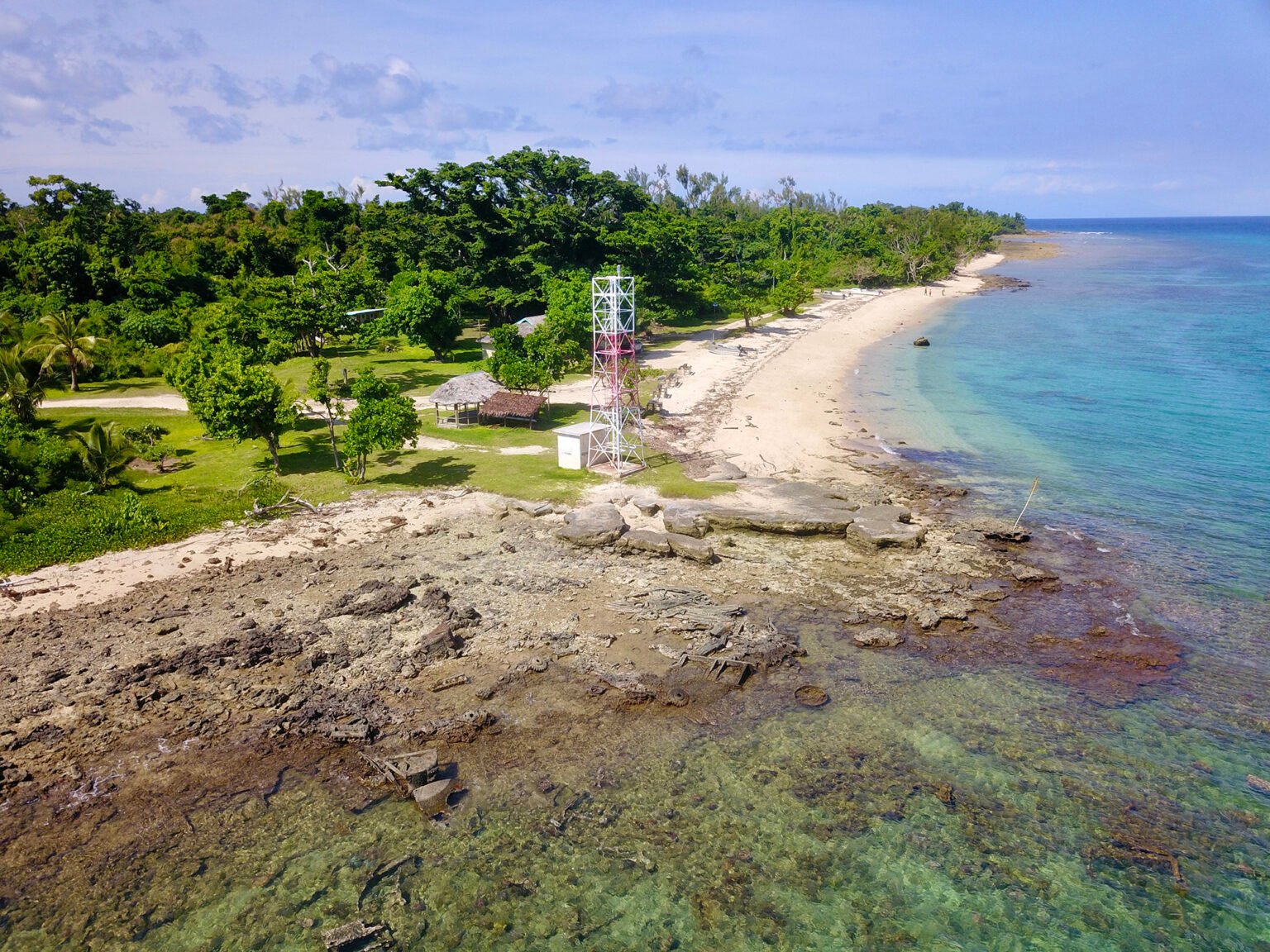
From the shore, remnants of the dump are still visible among the rocks. But it is beneath the surface where the scale of the story truly reveals itself.
Seen to Be Believed
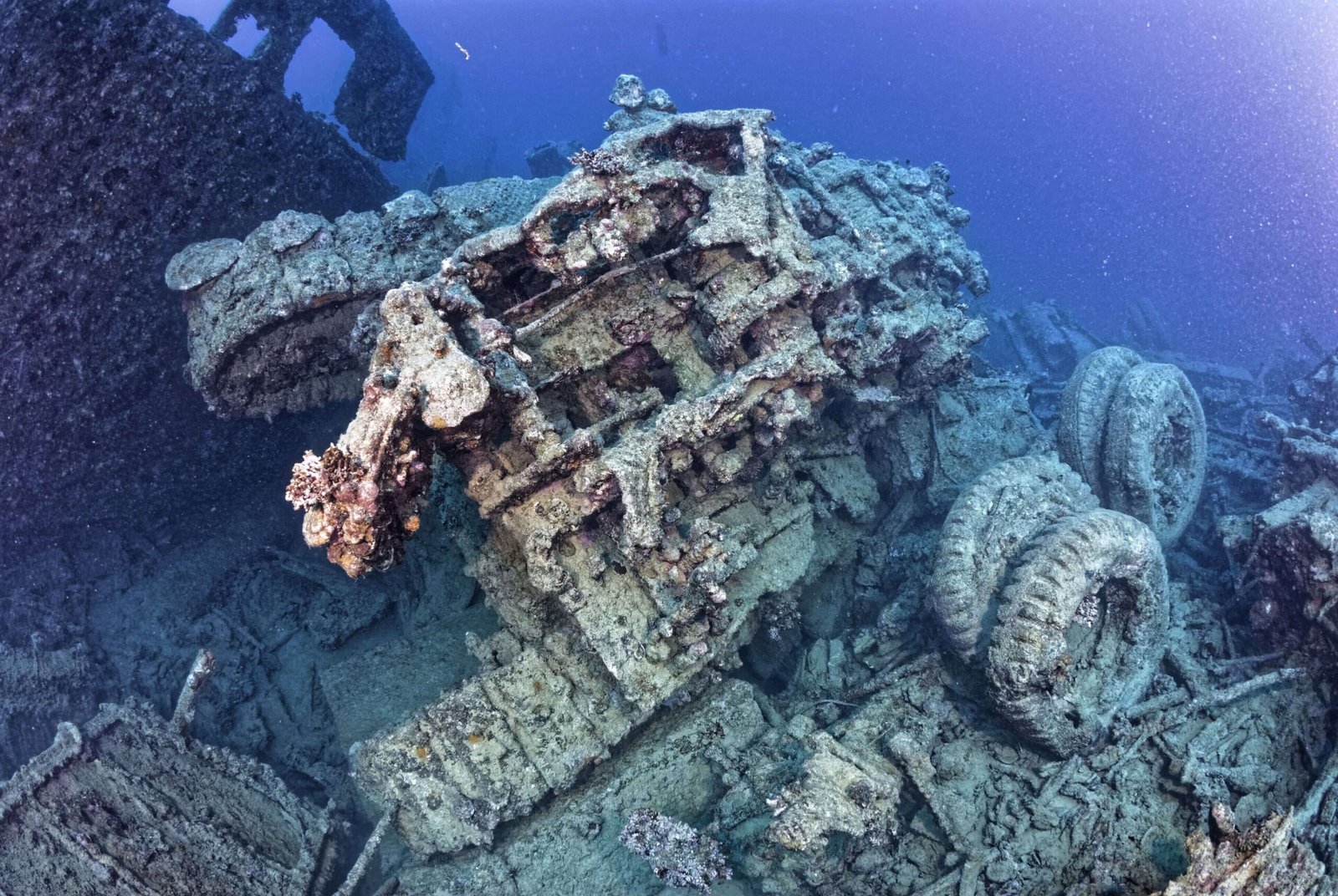
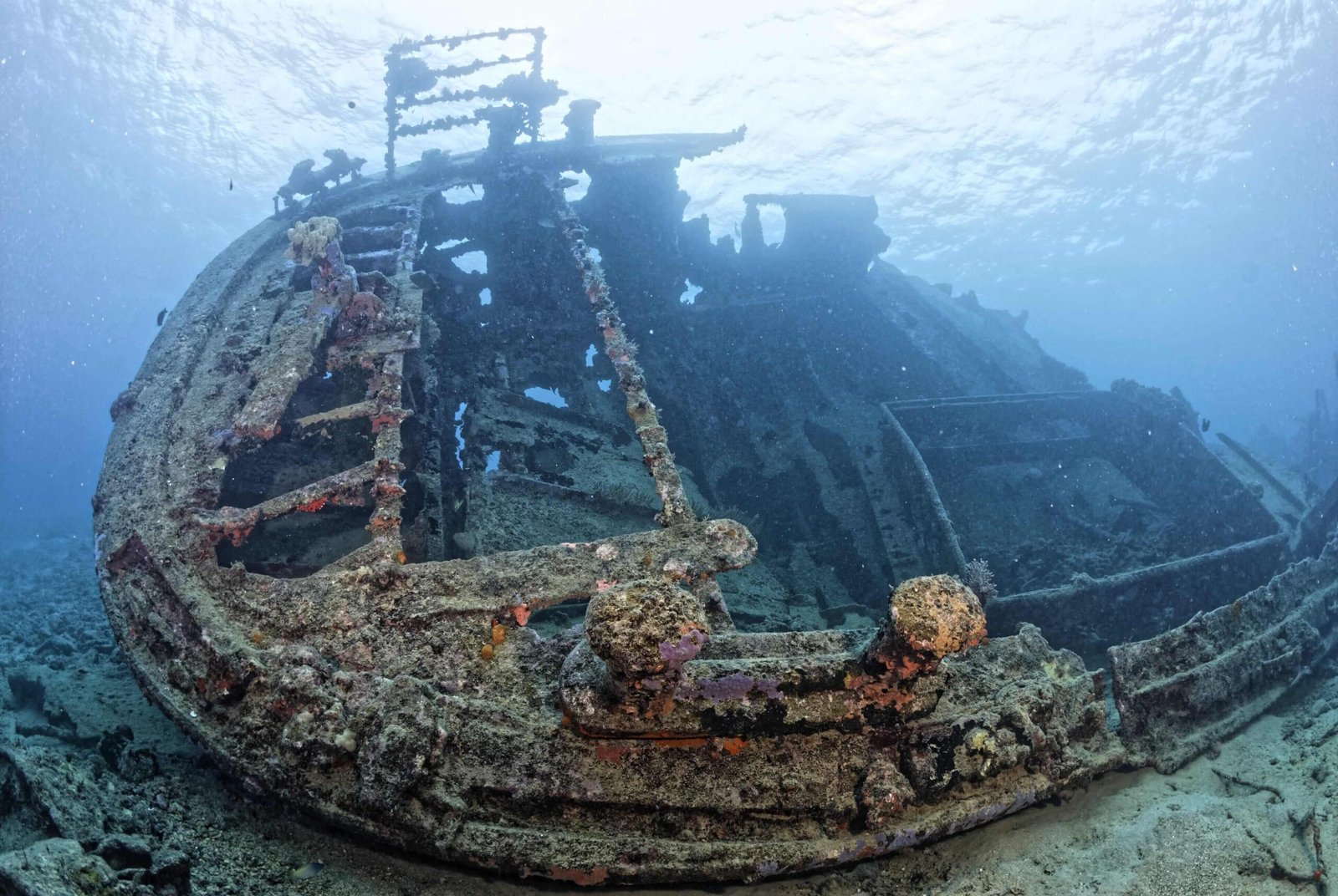
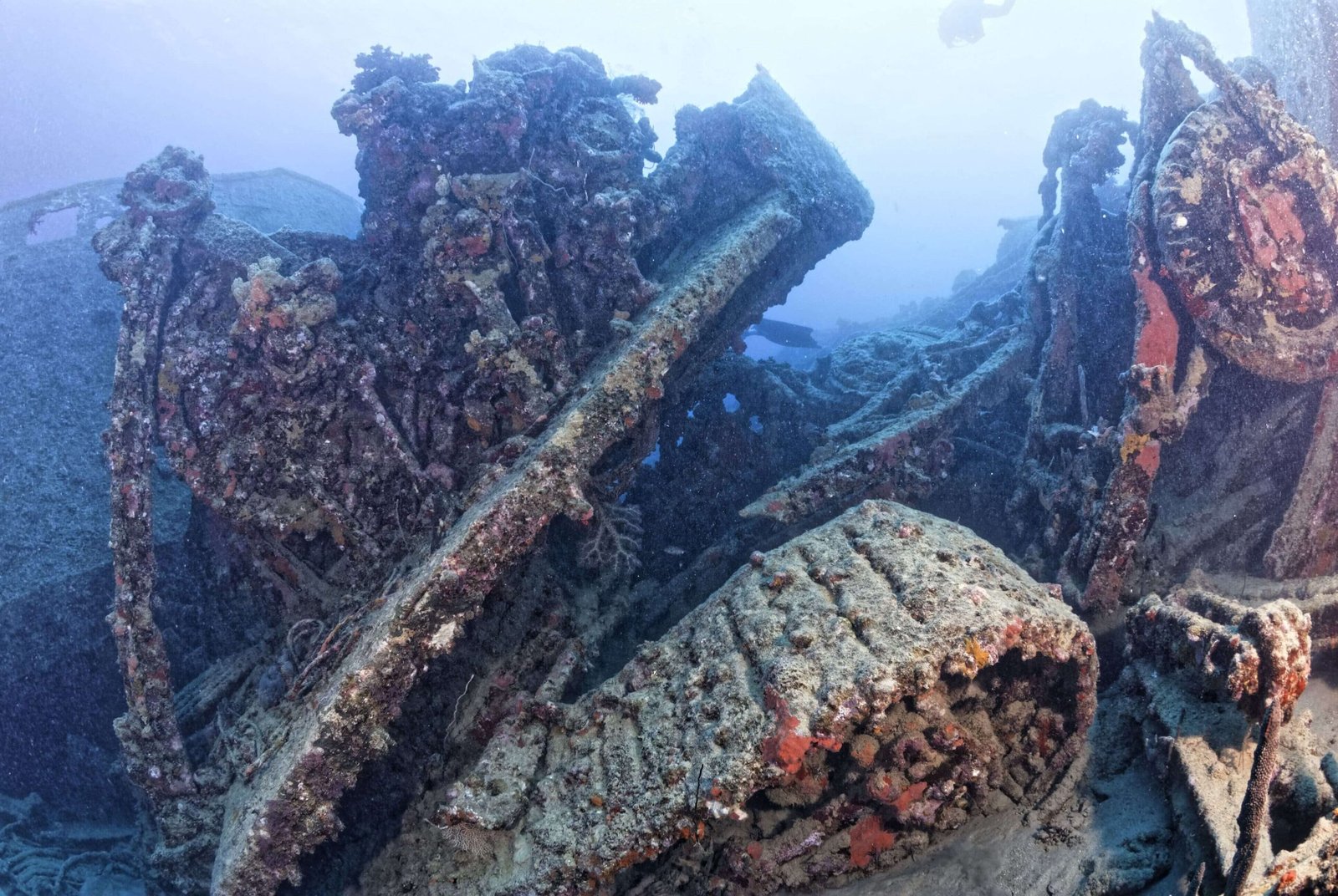
Just metres from the beach, the seabed is scattered with vehicles, machinery, and equipment—preserved in a silent, submerged landscape.
For snorkellers and divers, it is an experience unlike any other. A wartime dumping ground transformed into an underwater museum.
More Than a Beach
Million Dollar Point is more than a curiosity.
It is a story of logistics, economics, politics—and human decision-making at the end of a global war.
And today, it sits just minutes from the South Pacific WWII Museum—another reminder that here on Santo, history is never far below the surface.