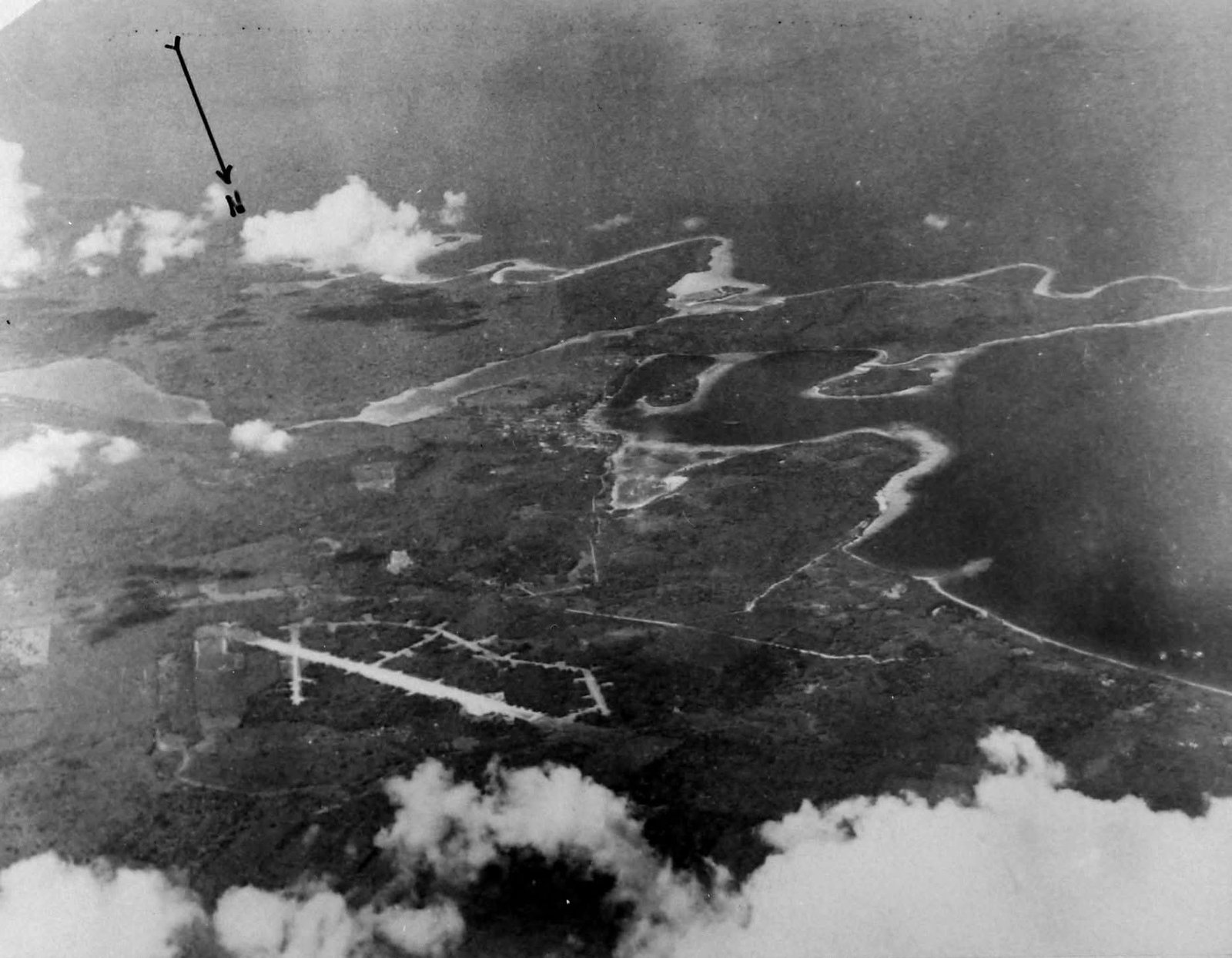
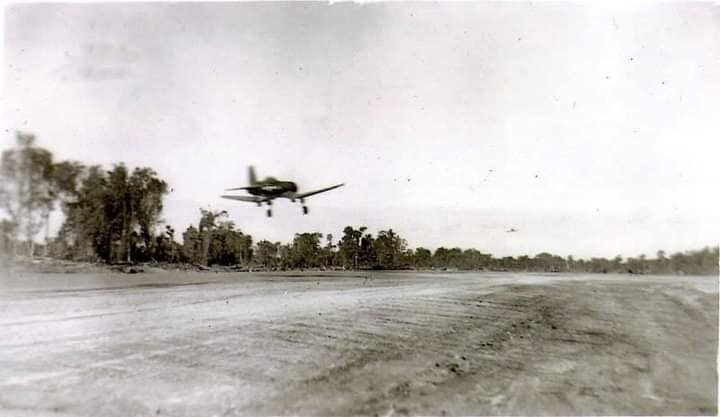
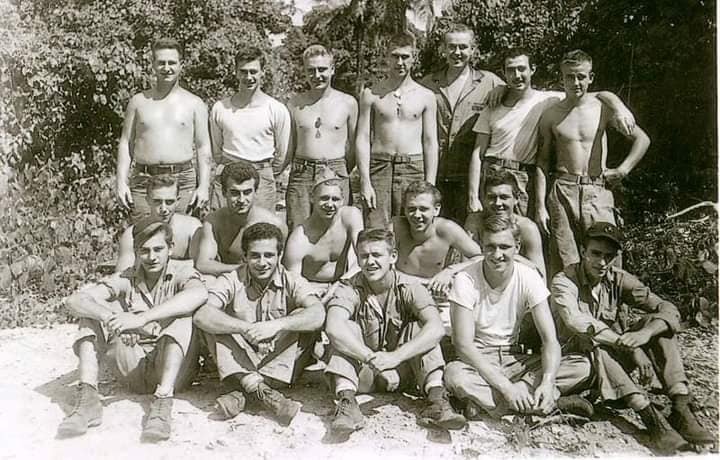
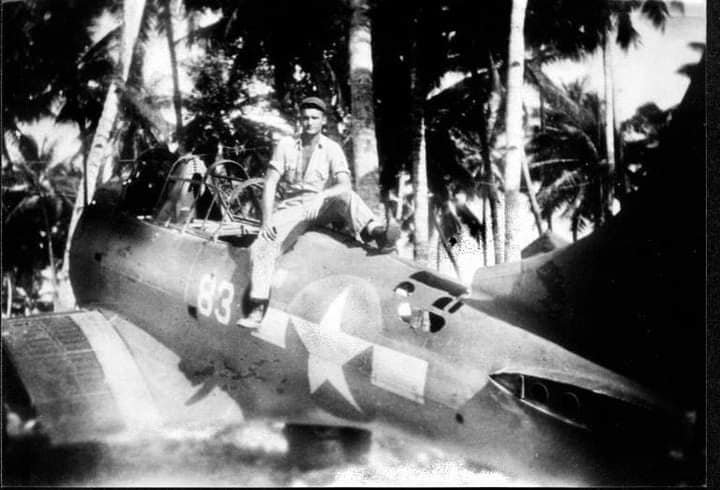
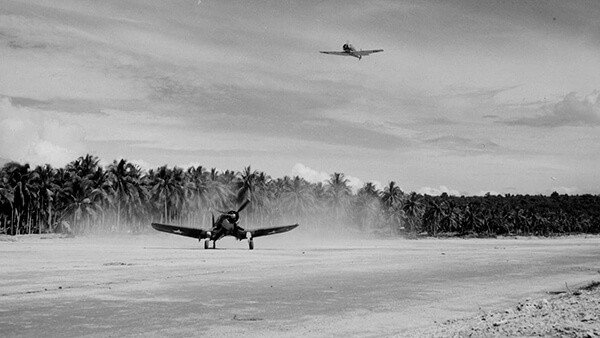
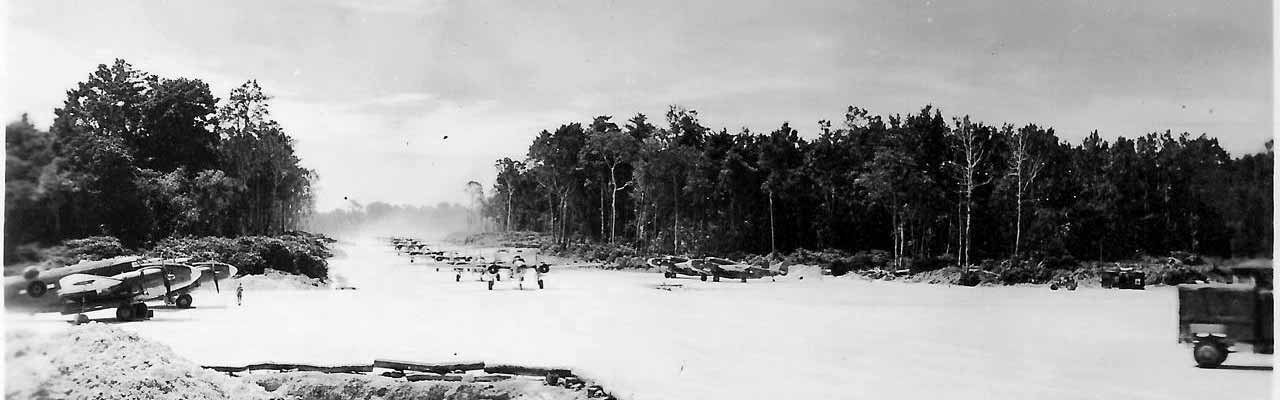
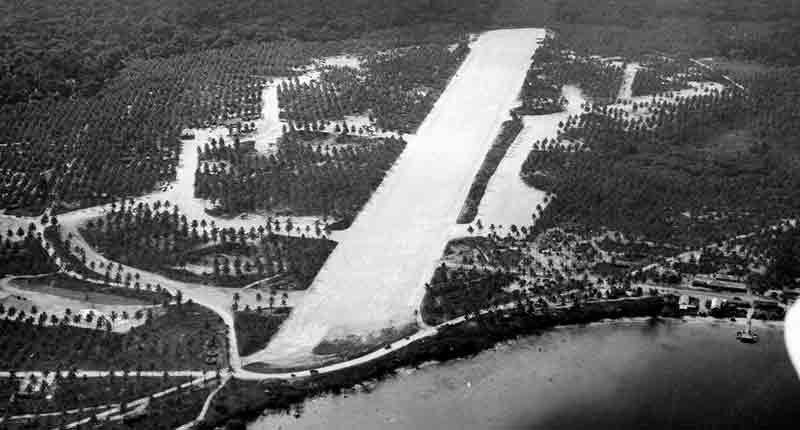
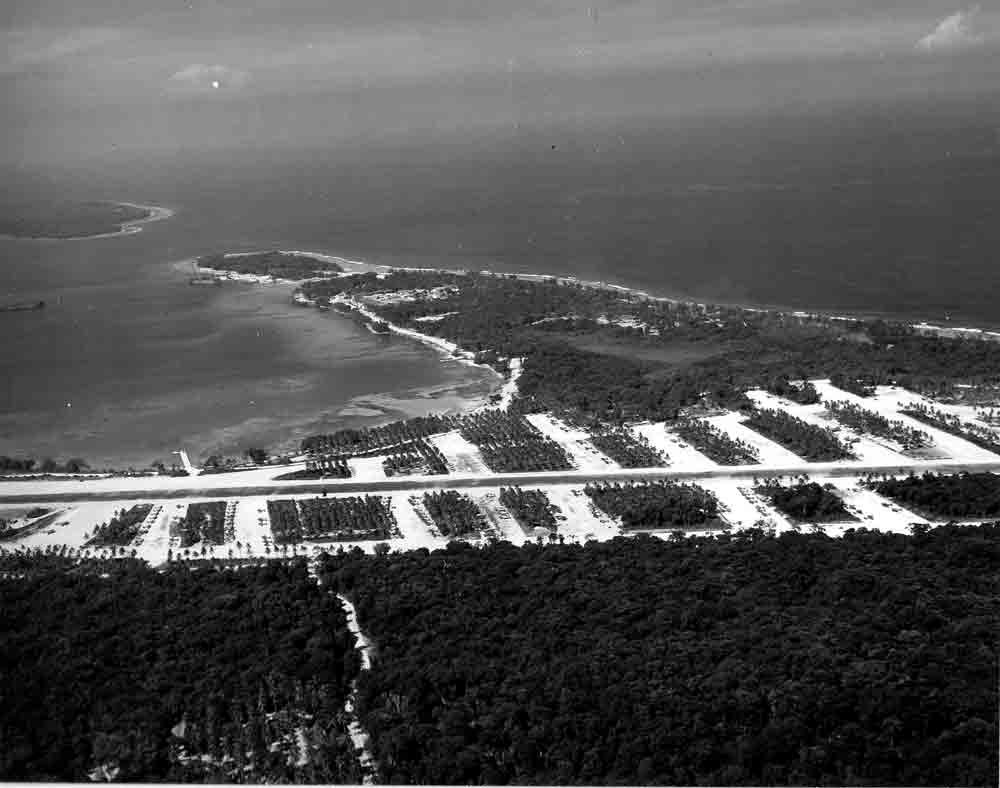
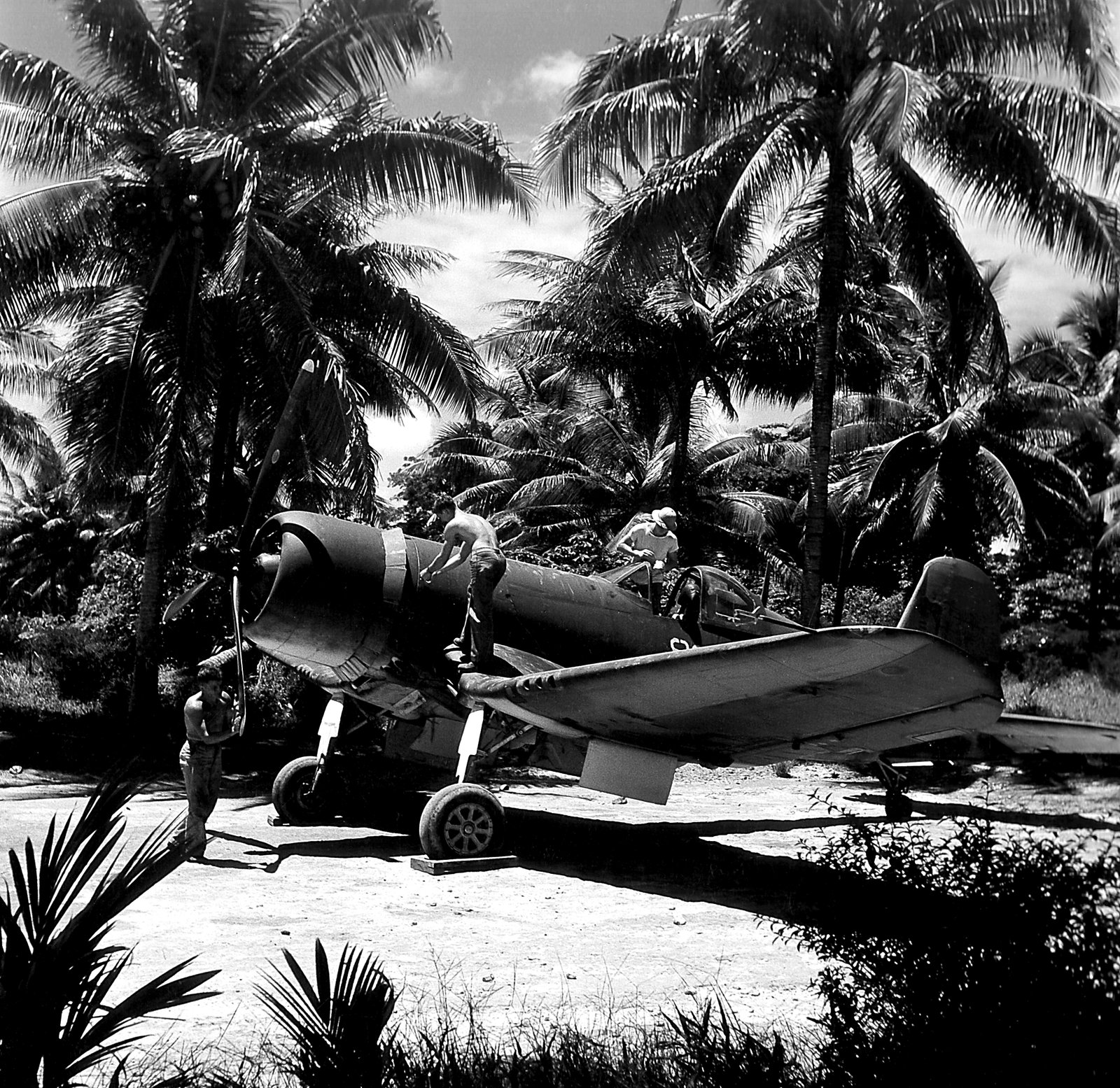
Across Efate and Espiritu Santo, the jungle gave way to coral runways in a matter of weeks. What emerged were not just airstrips, but lifelines—launch points for bombers, fighters, patrol aircraft, and rescue missions that stretched across the South Pacific.
This page brings those airfields together—each one a story of urgency, ingenuity, and the growing reach of Allied air power.
EFATE
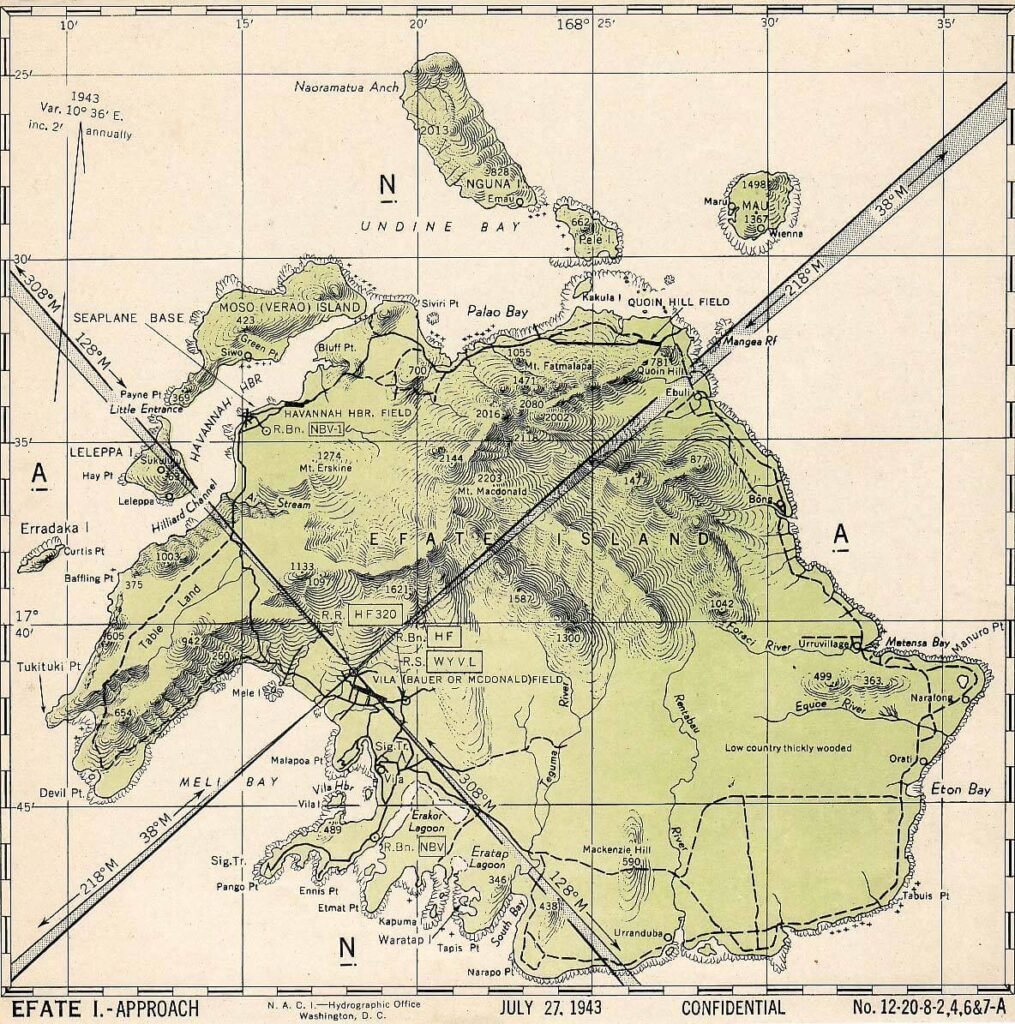
Bauer Field
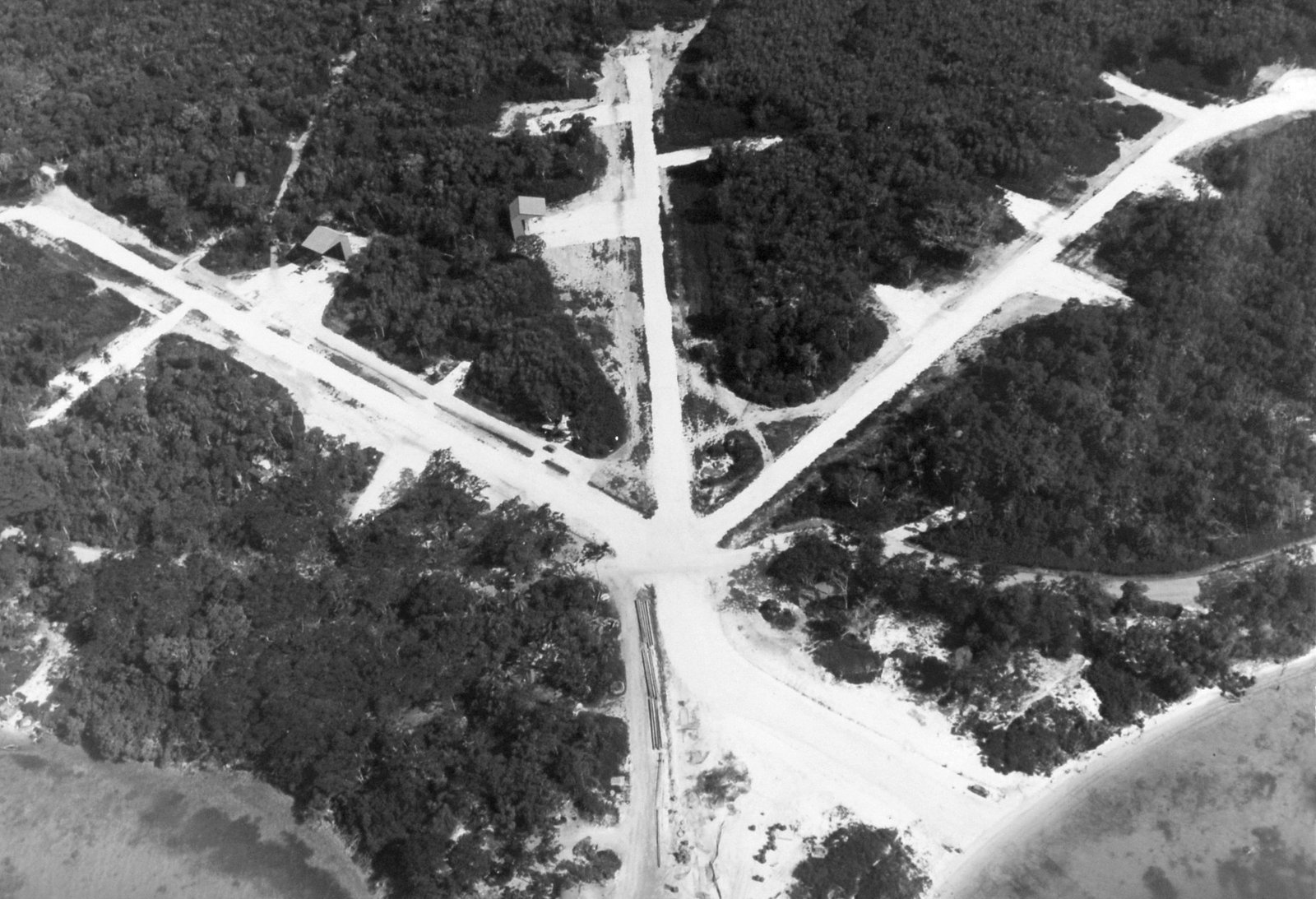
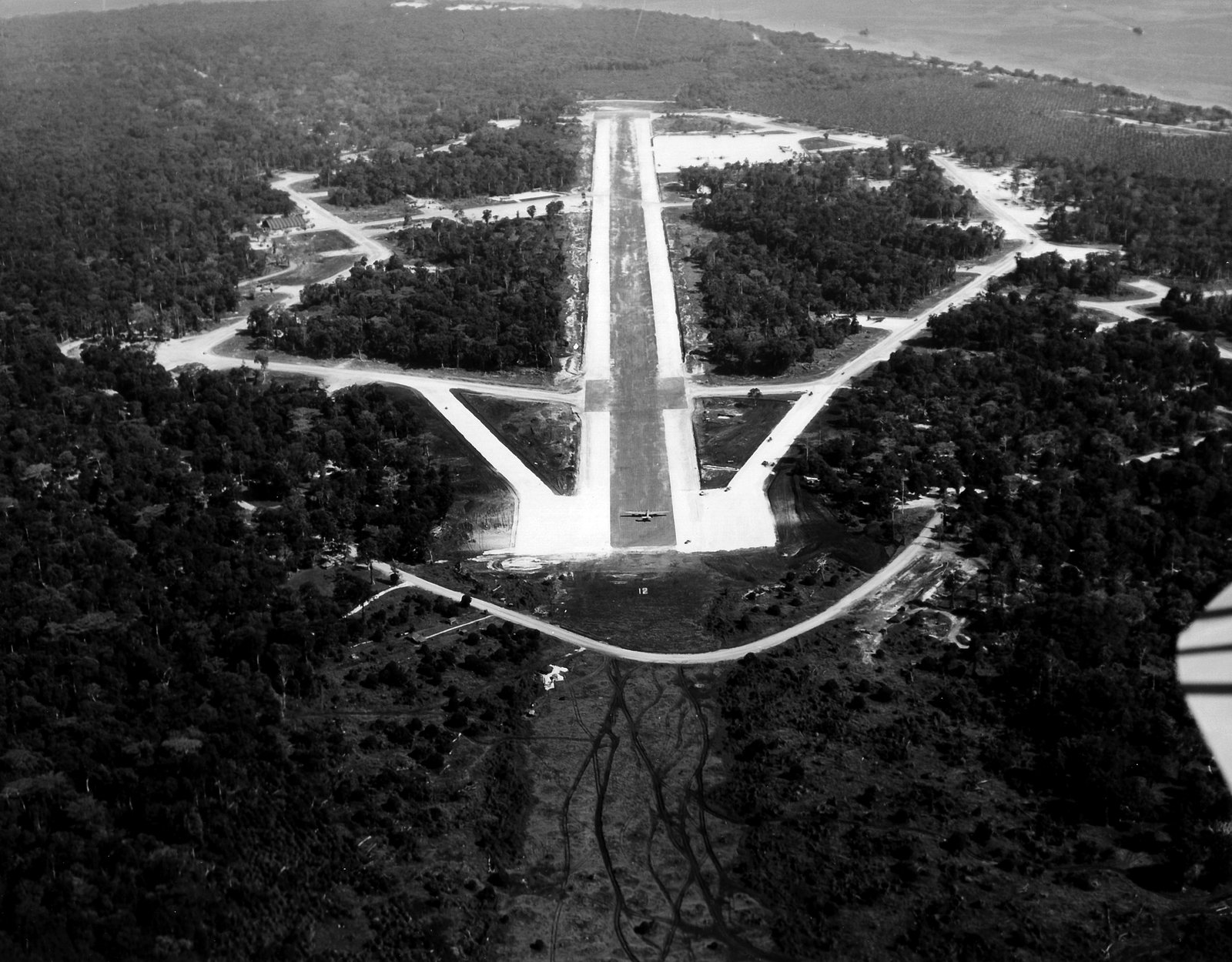
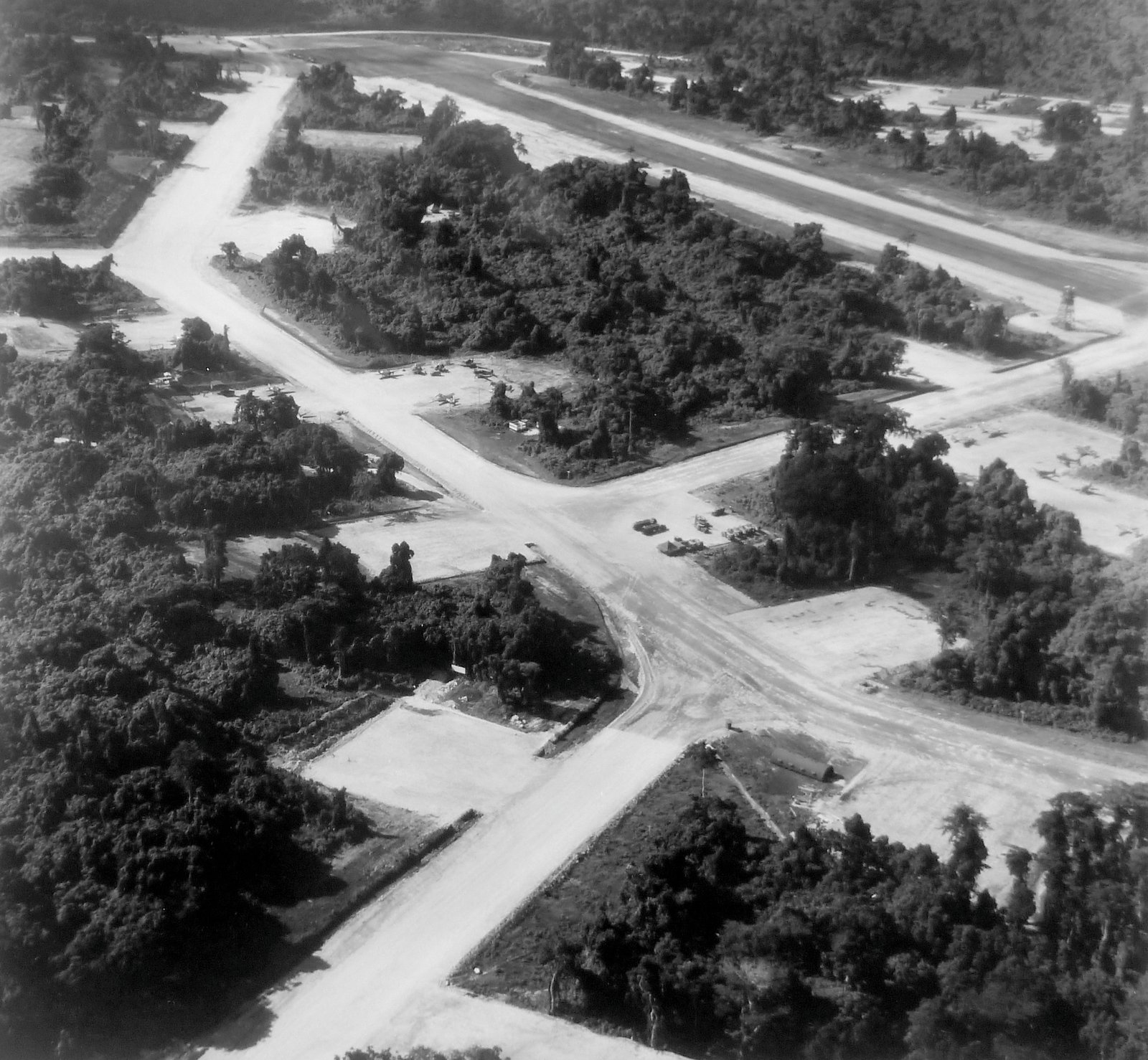
Construction began in April 1942, as Marines and Seabees carved a runway out of dense tropical terrain just outside Vila. What started as a short coral strip quickly expanded into a major operational airfield, despite limited machinery, scarce labour, and relentless heat and rain.
Within weeks, aircraft were already landing—an extraordinary achievement driven by urgency. The aim was clear: establish air power before Japanese forces could do the same further north.
Originally known by several names, the field was later dedicated as Bauer Field, honouring a U.S. Marine Corps pilot lost during the Guadalcanal campaign.
Havannah Harbour Seaplane Base
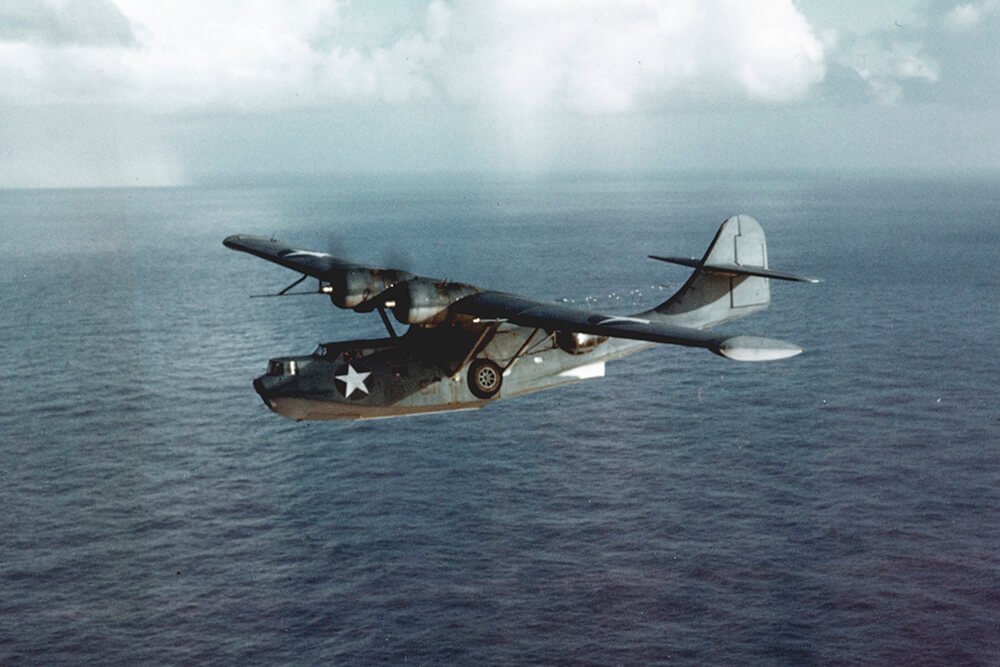
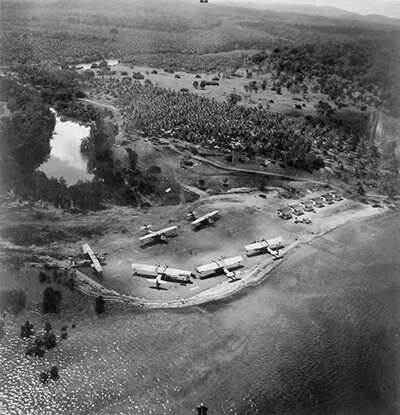
North of Efate, Havannah Harbour became home to a busy seaplane base supporting PBY Catalina operations. Built with ramps, moorings, workshops, and fuel storage, it allowed flying boats to operate deep into contested waters.
From here, Catalinas ranged across the Solomon Islands—bombing, scouting, and rescuing downed airmen. Quietly, often at night, they extended Allied reach far beyond the limits of land-based aircraft.
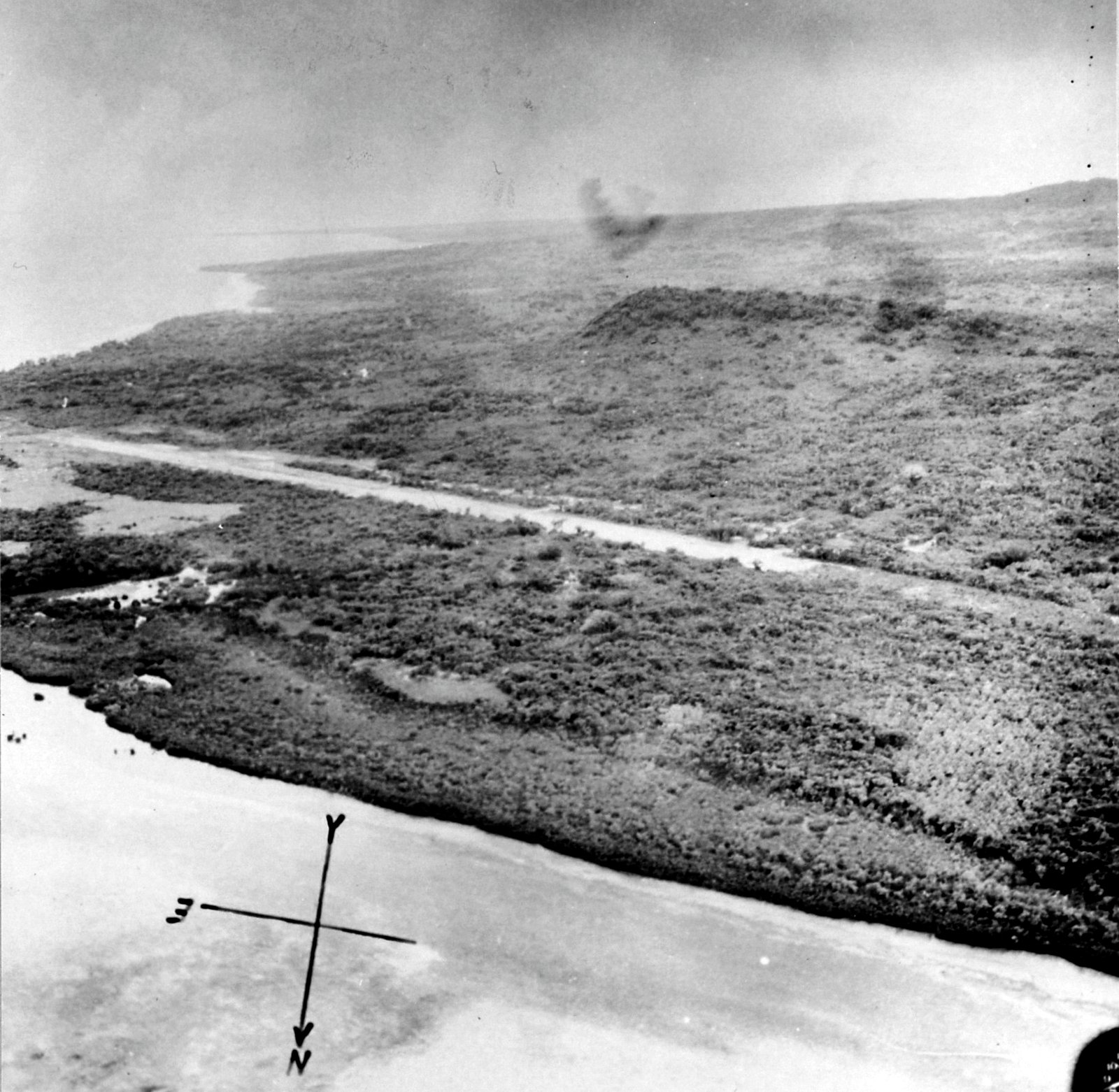
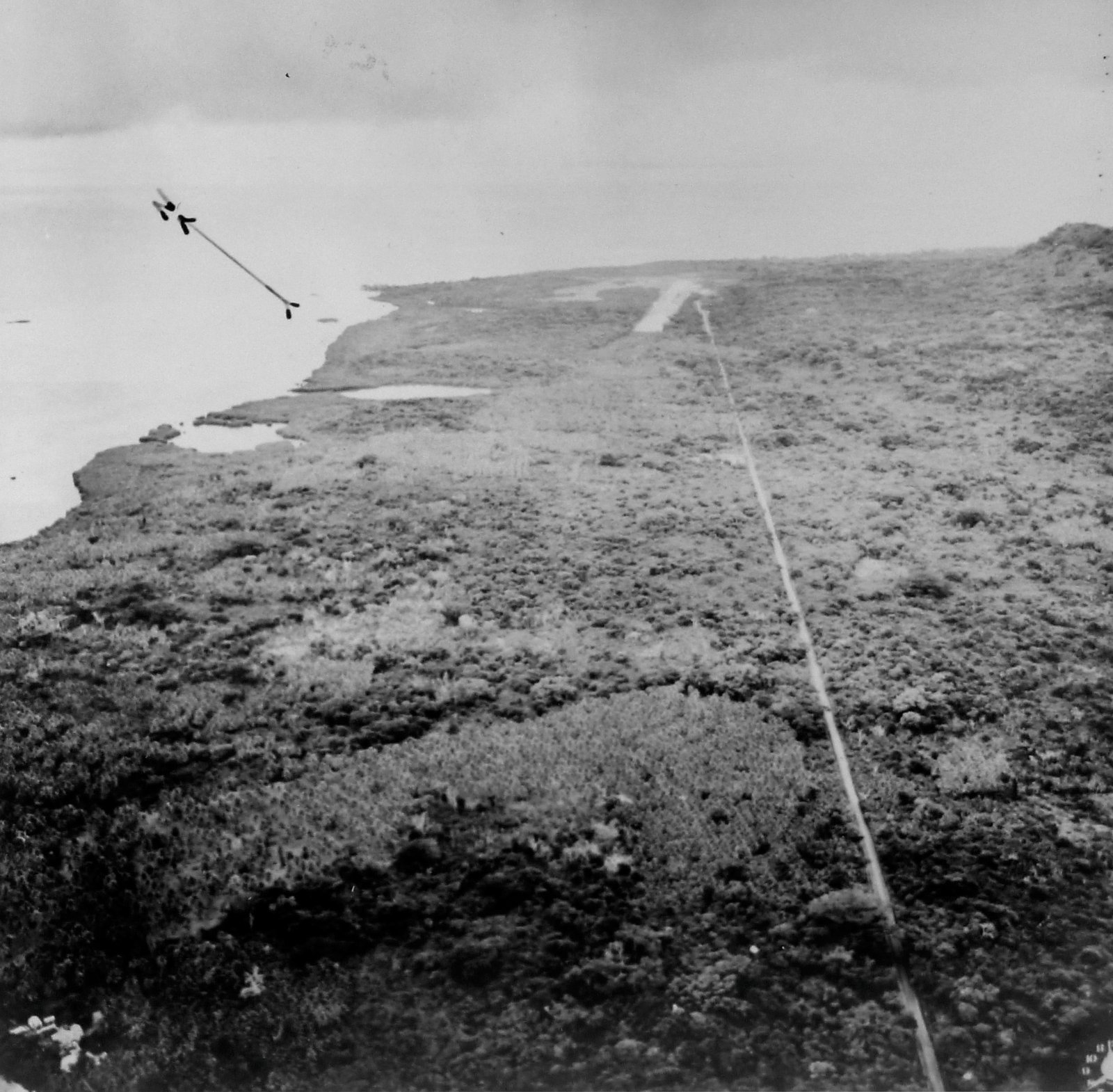
Havannah Harbour Fighter Strip
Also at Havannah Harbour, a compact fighter strip was completed in just weeks. Aircraft were landing less than a month after work began—a pattern repeated across the Pacific.
Though modest in scale, the strip provided critical local air defence and operational flexibility during a period when every runway mattered.
Quoin Hill Airfield
On Efate’s northeastern edge, construction began on a longer bomber runway at Quoin Hill. Completed in early 1943, it allowed heavier aircraft to operate from the island.
But distance remained a challenge. Efate’s airfields could strike north—but not always with fighter protection. That limitation would soon shift the focus further north, to Espiritu Santo.
We have more on Efate’s role in the establishment of Allied bases in the New Hebrides here.
ESPIRITU SANTO
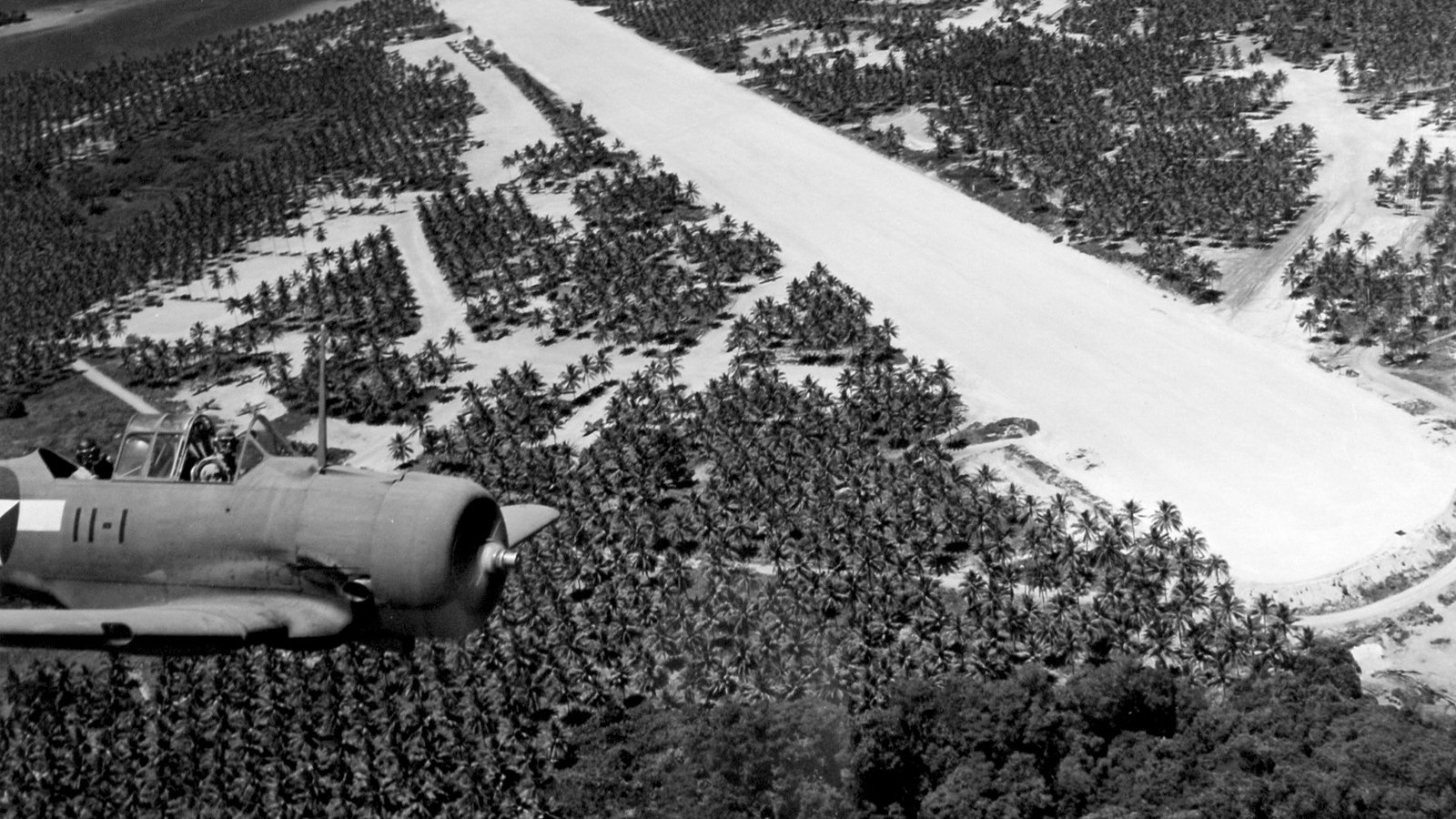
Turtle Bay fighter airfield
In July 1942, a small advance party arrived on Santo with a clear objective: build a fighter strip within range of Guadalcanal—and do it fast.
They had just twenty days.
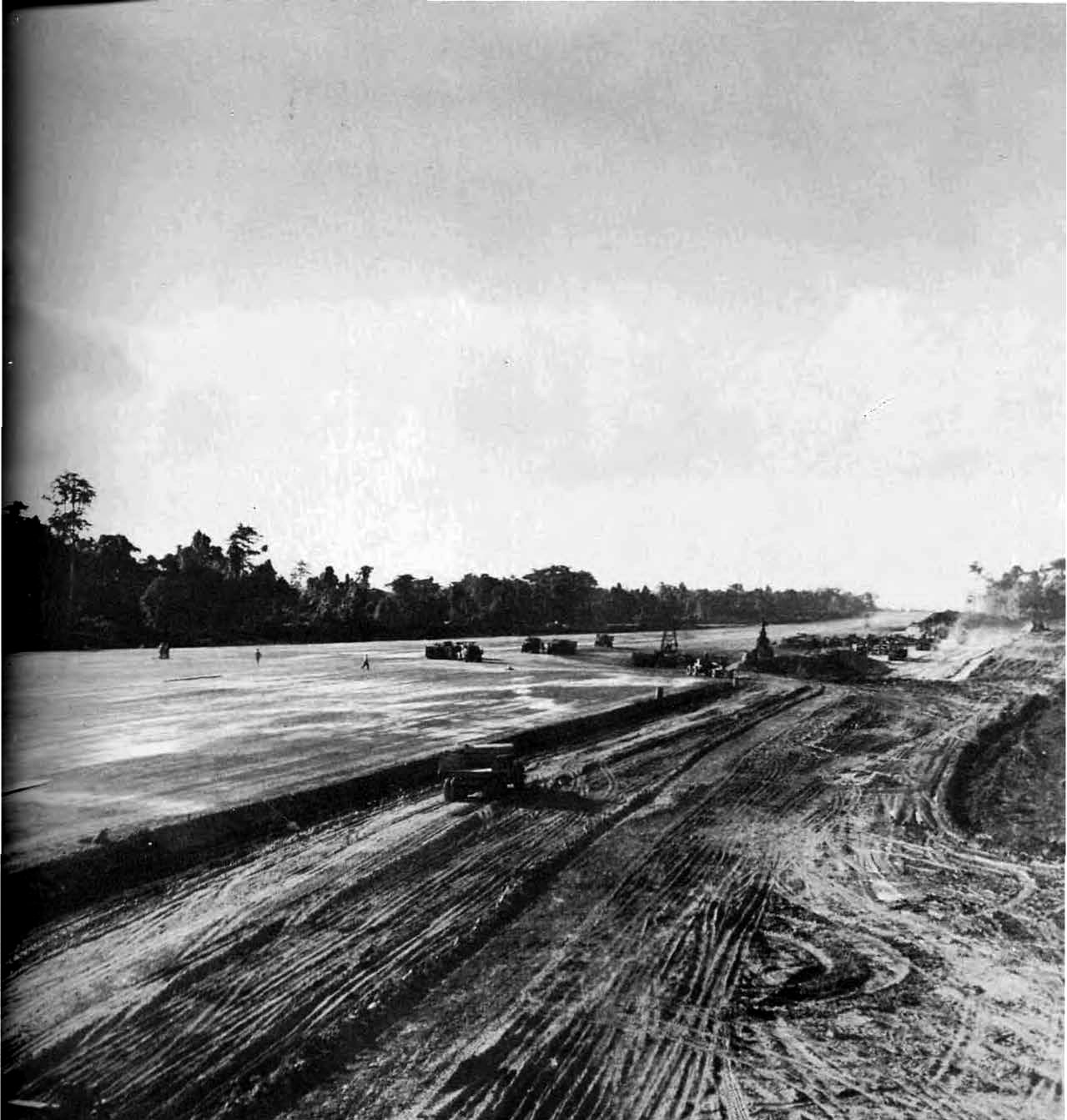
Working with minimal equipment and a combined force of Seabees, Marines, infantry, and local Ni-Vanuatu labour, the runway was hacked out of jungle, levelled, and surfaced with coral. Fighters landed on schedule. Bombers followed the next day.
Turtle Bay became the first operational airfield on Santo, and a crucial stepping stone in the opening phase of the Guadalcanal campaign.
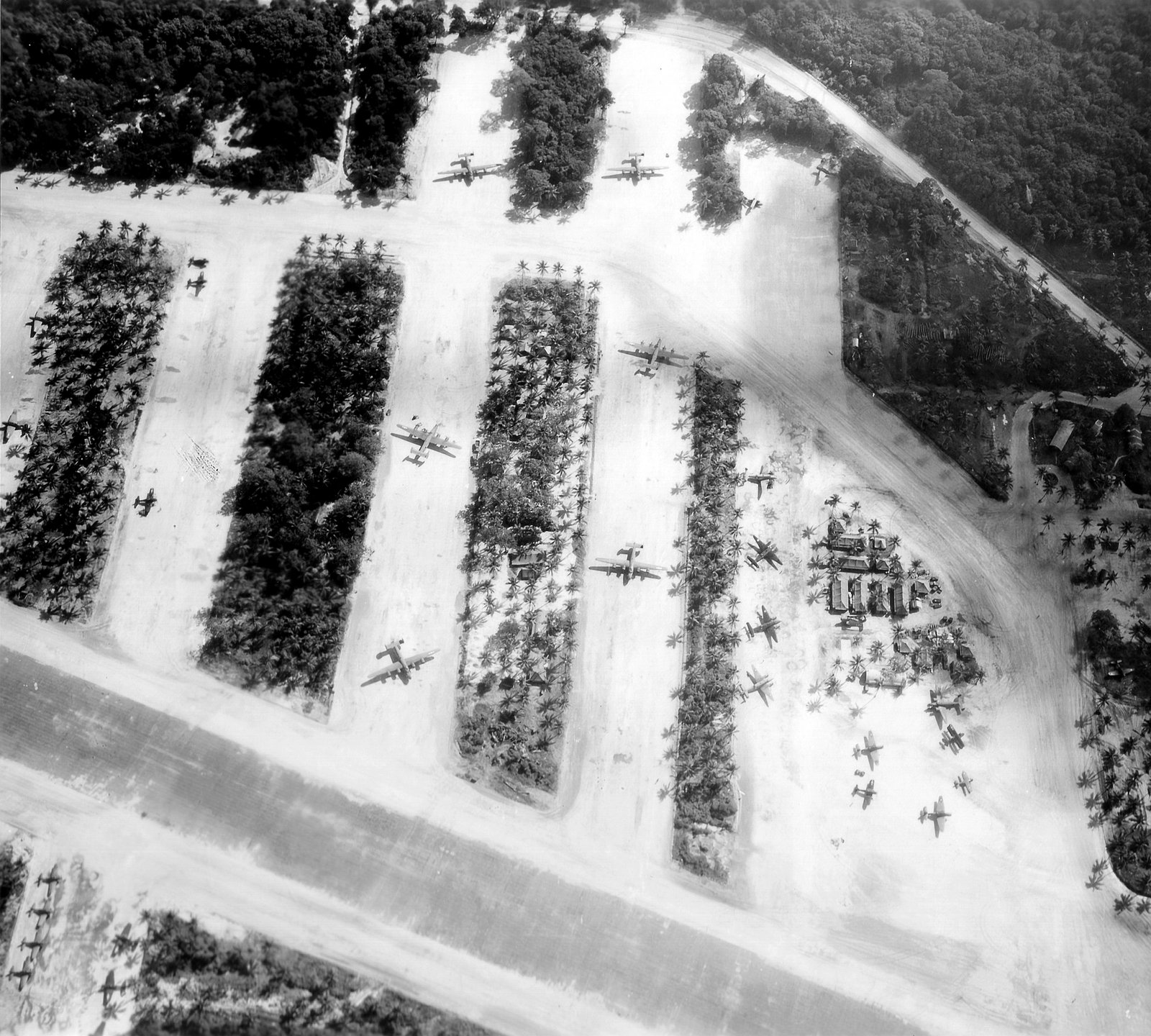
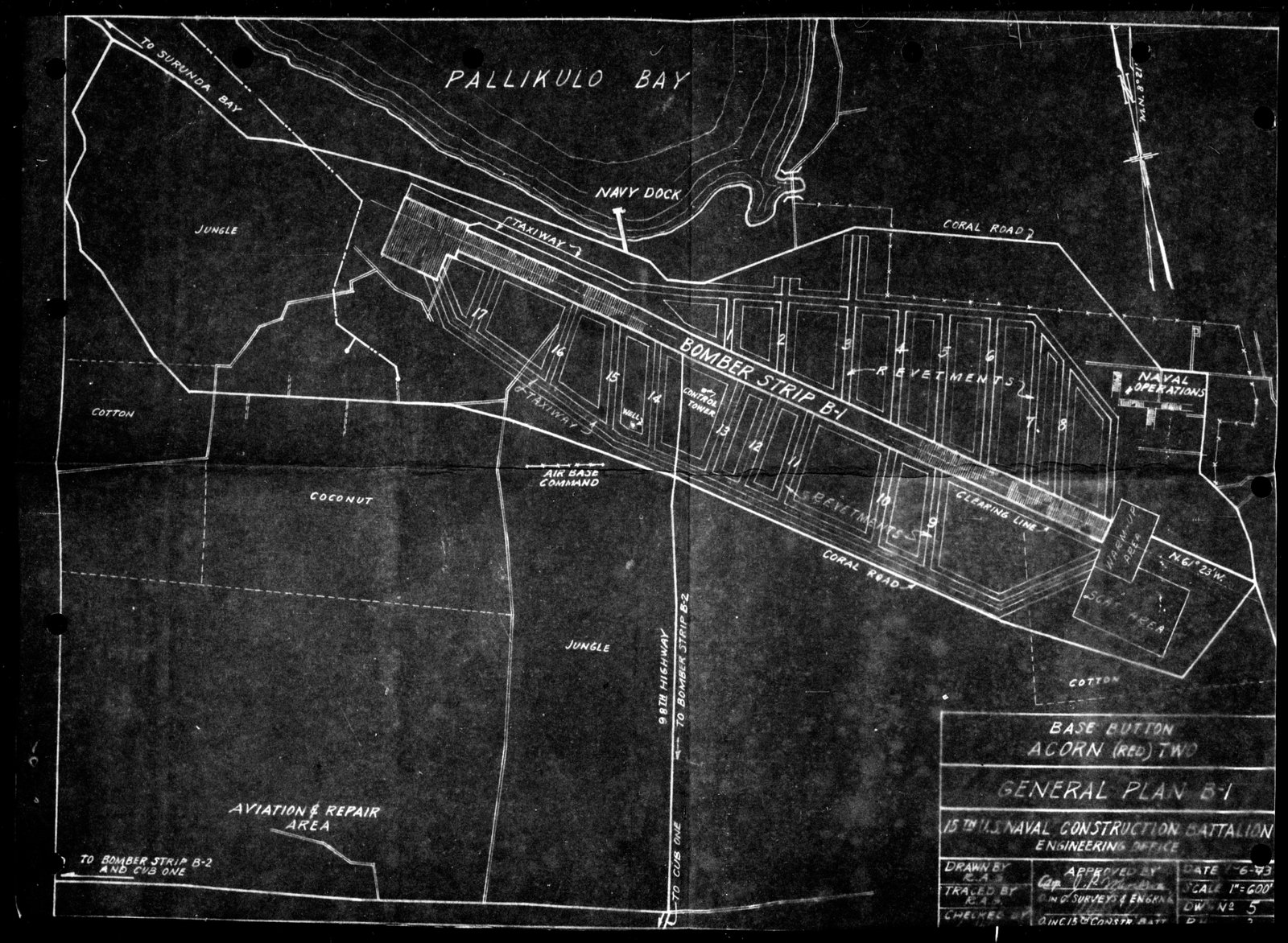
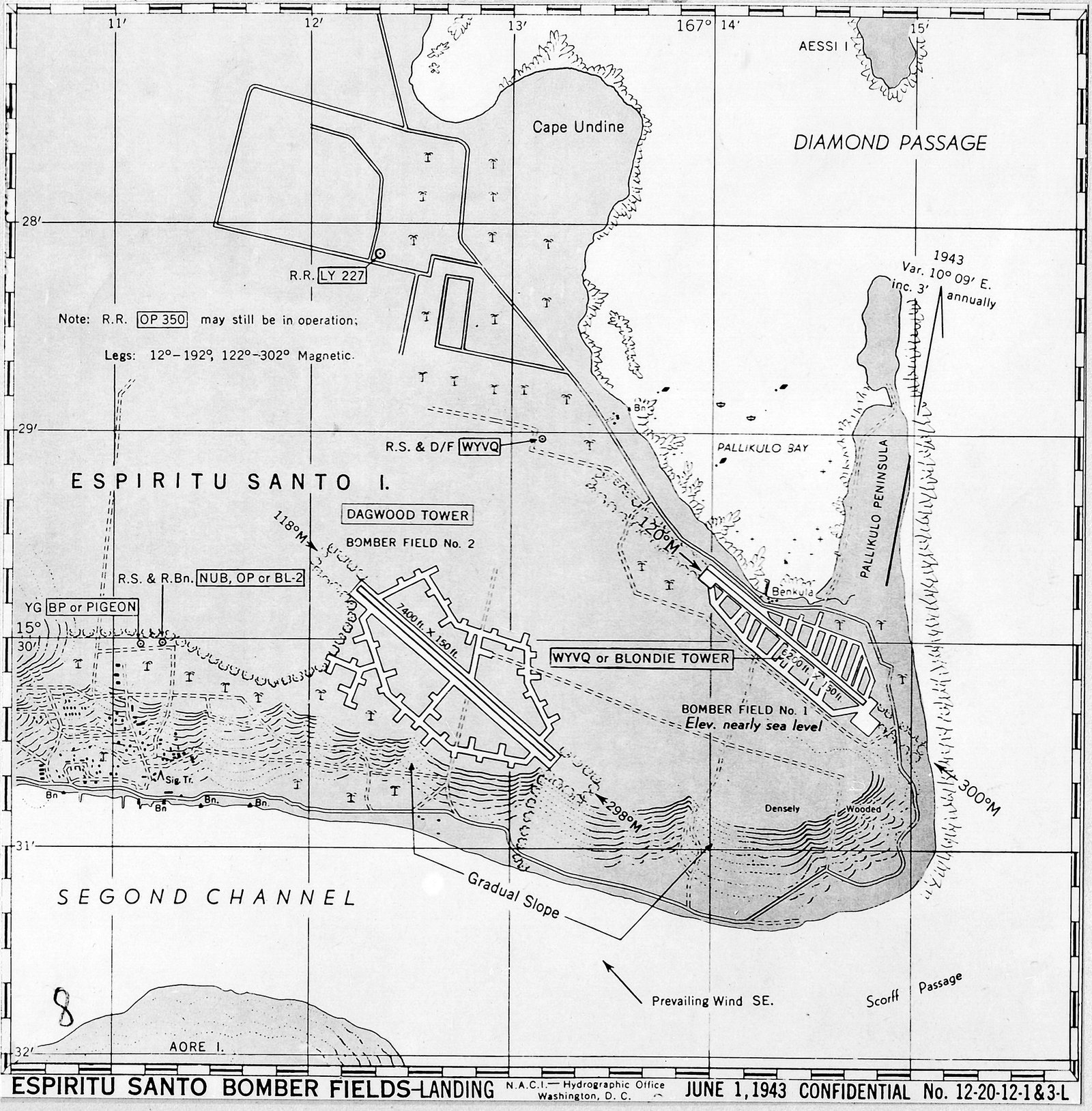
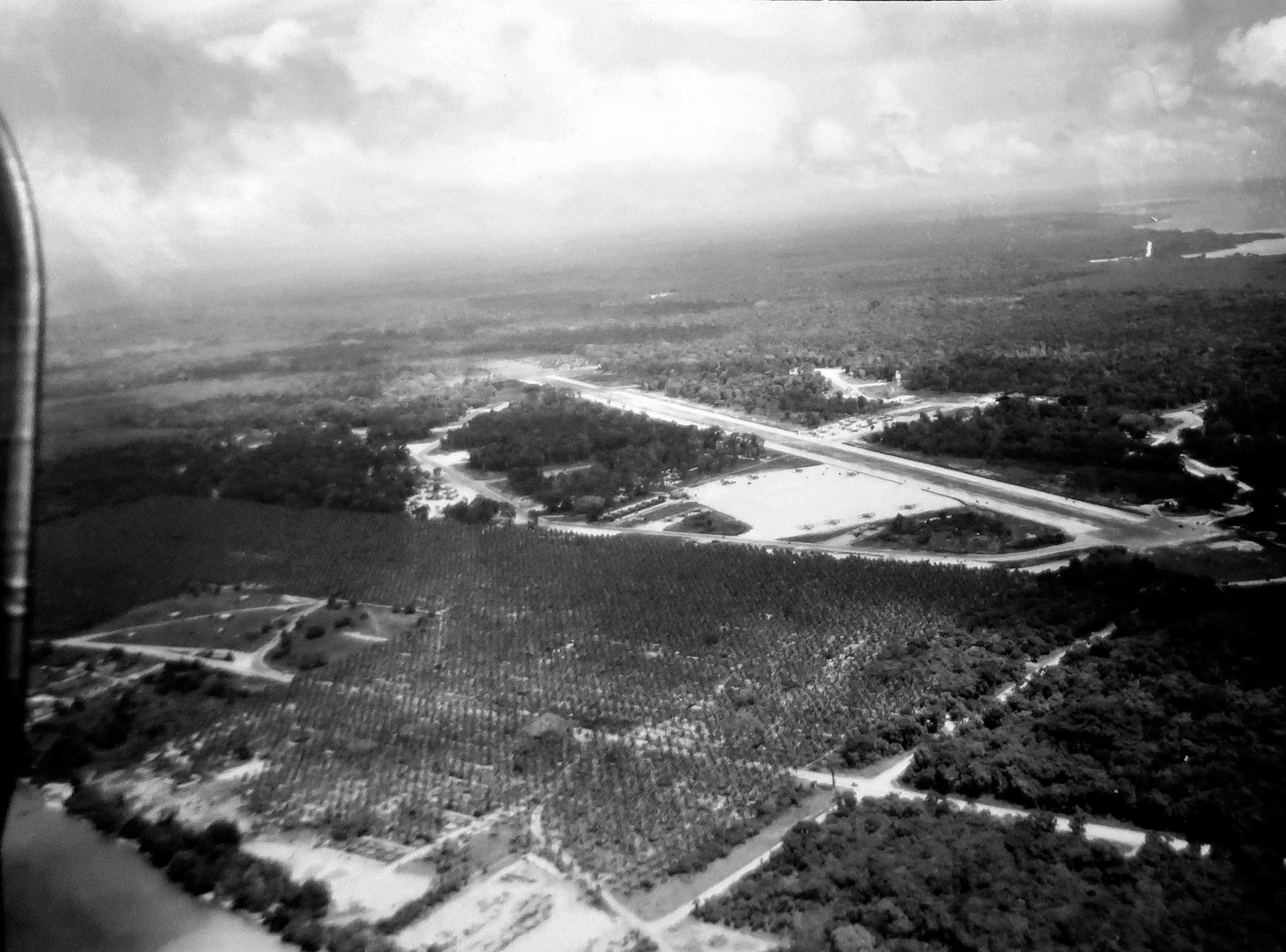
Pallikulo Airfield (Bomber #1)
As operations expanded, Santo required larger and more specialised facilities. Pallikulo Bay became the first dedicated bomber field, supporting heavy aircraft and sustained operations.
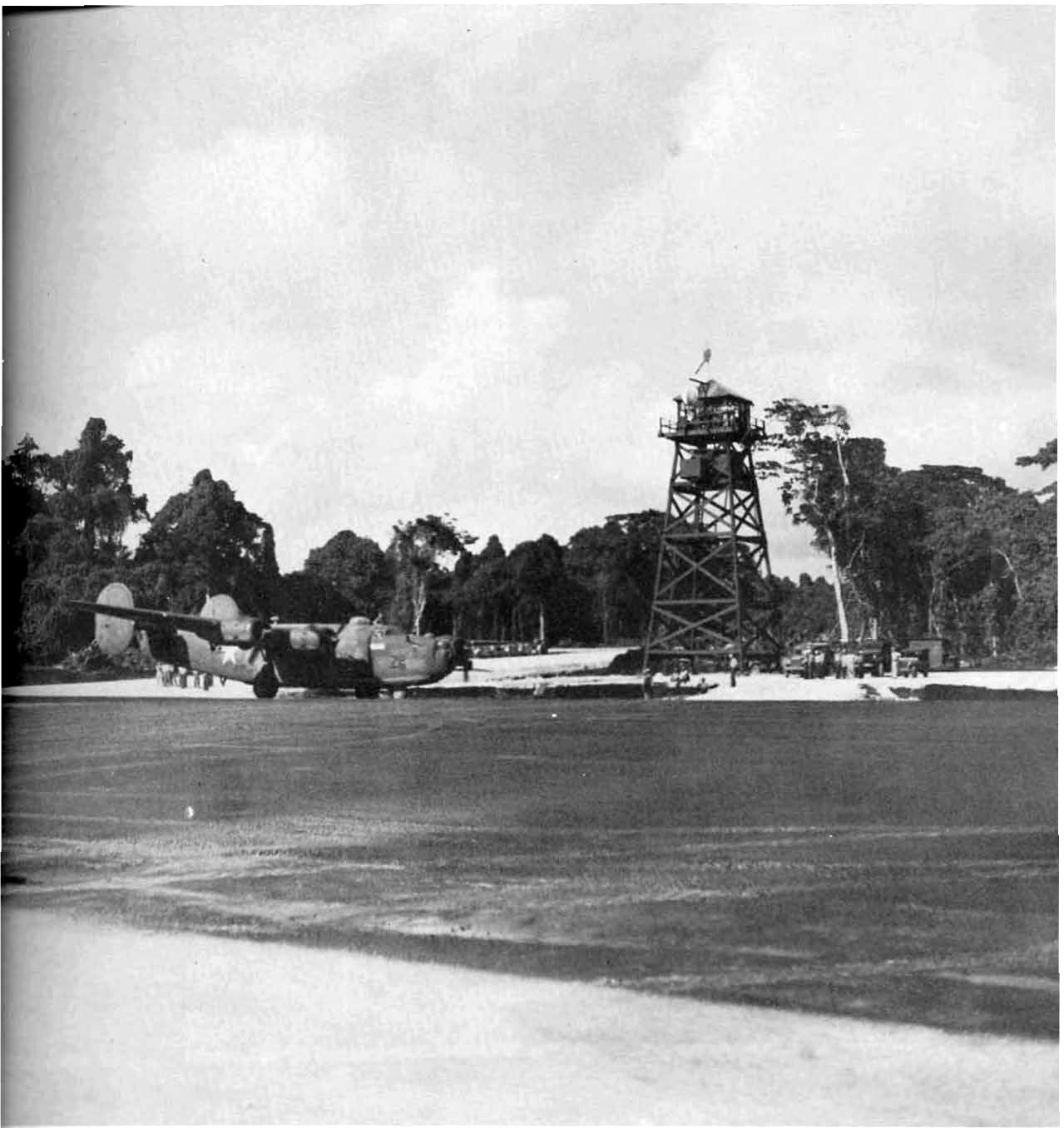
From here, B-17 Flying Fortresses and later B-24 Liberators launched long-range missions across the Solomon Islands, striking airfields, shipping, and supply lines.
Pekoa Airfield (Bomber #2)
Pekoa developed into one of the most important air bases in the region. With a longer runway, extensive taxiways, and revetments, it supported a wide range of aircraft and operations.
It also became a major medical and logistical hub, with large hospital facilities treating casualties from across the Solomon Islands campaign.
Luganville Airfield (Bomber #3)
Built on a vast scale, the Luganville airfield was carved out of dense jungle and solid coral. Its extensive taxiways and hardstands allowed for high-volume operations, reinforcing Santo’s role as a major Allied air hub.
By 1943, the island supported a network of airfields capable of sustaining continuous offensive operations across the region.
Seaplane Base
Along the sheltered waters of the Segond Channel, one of the busiest seaplane bases in the South Pacific took shape.
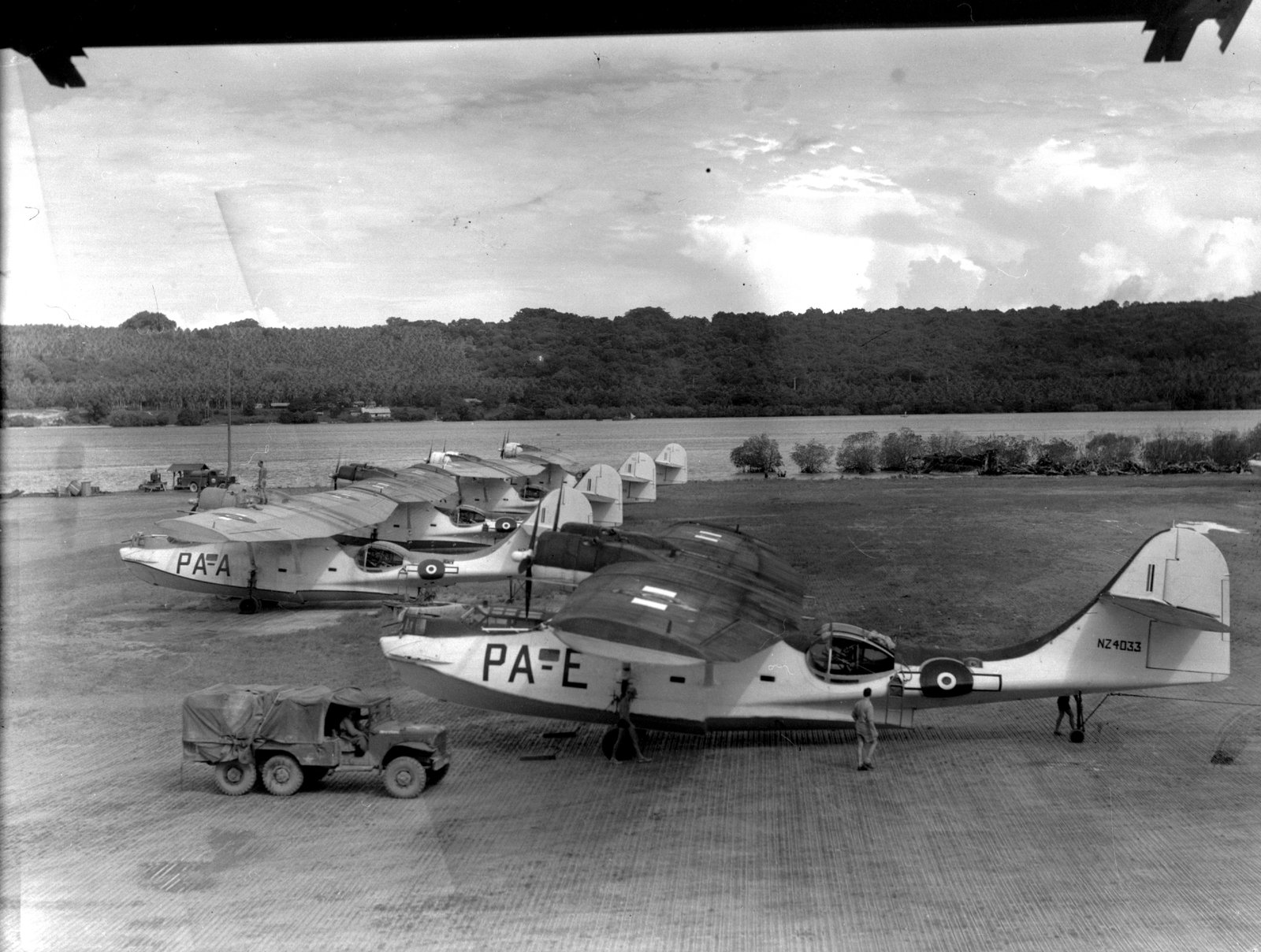
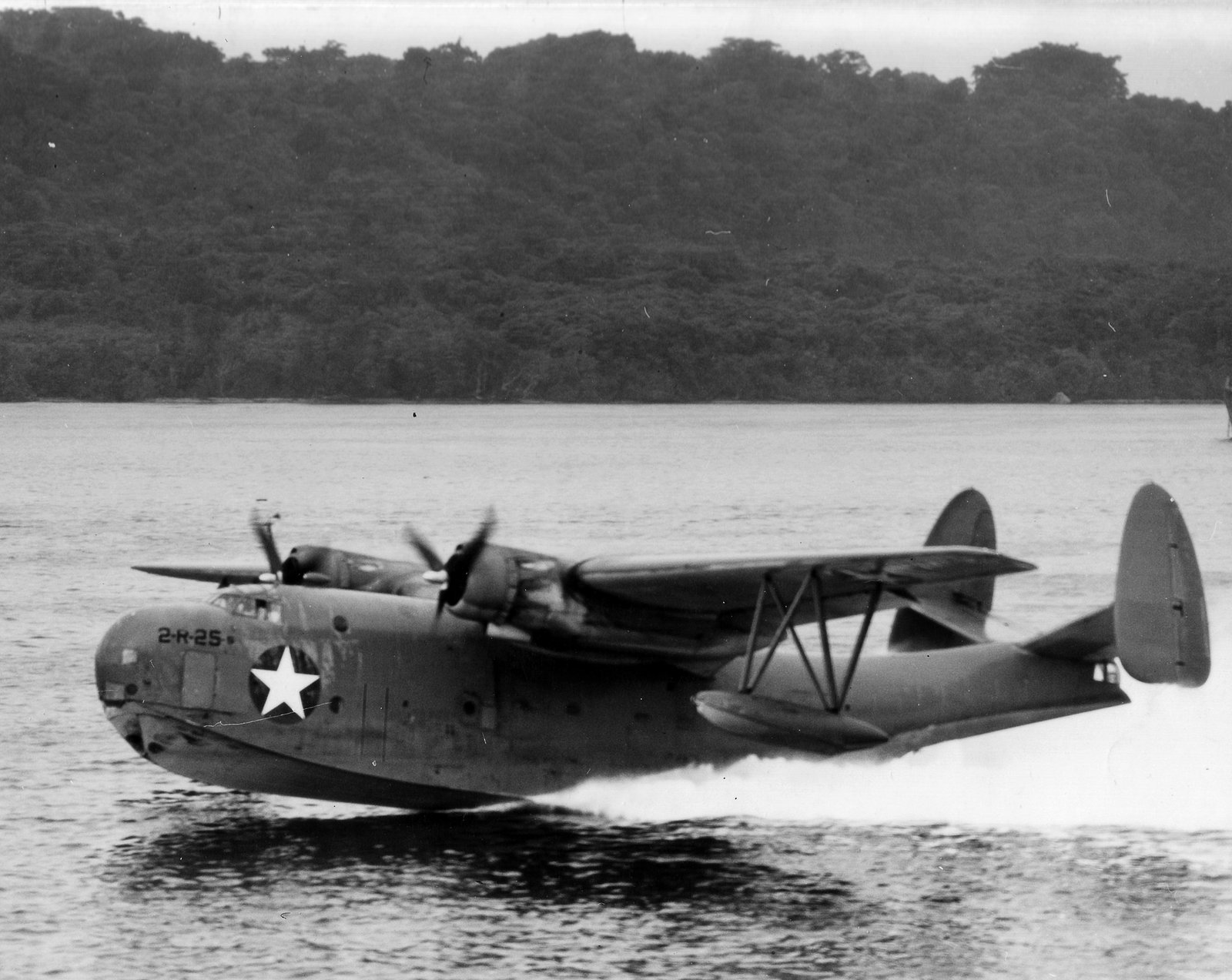
With ramps, hangars, and floating piers at Belchif Point, the base supported multiple U.S. Navy patrol squadrons flying PBY Catalina flying boats. From Santo, these aircraft conducted long-range reconnaissance, anti-submarine patrols, and air-sea rescue missions—often operating alone over vast stretches of ocean.
Later, Royal New Zealand Air Force crews continued operations from the same waters, maintaining the vital patrol and rescue network.
Nearby, a dedicated naval air transport seaplane facility handled long-distance passenger and cargo flights, linking Santo to a wider Pacific network that stretched as far as Hawaii and Australia.
Flight Lines and Frontlines
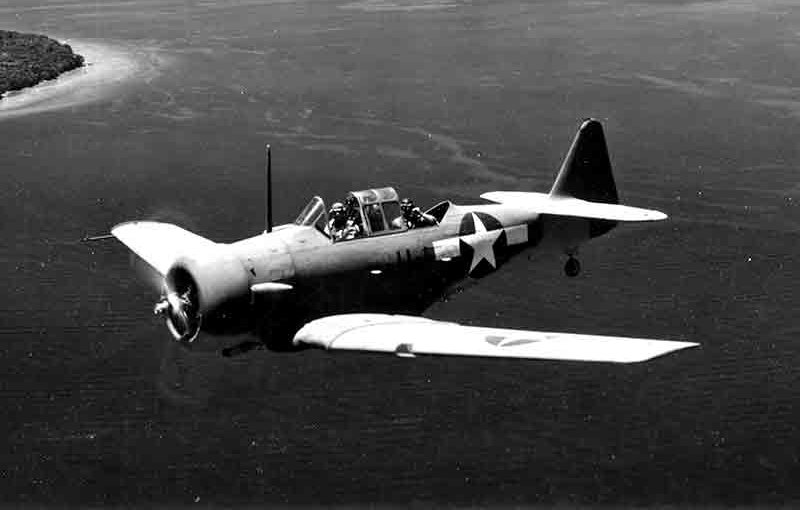
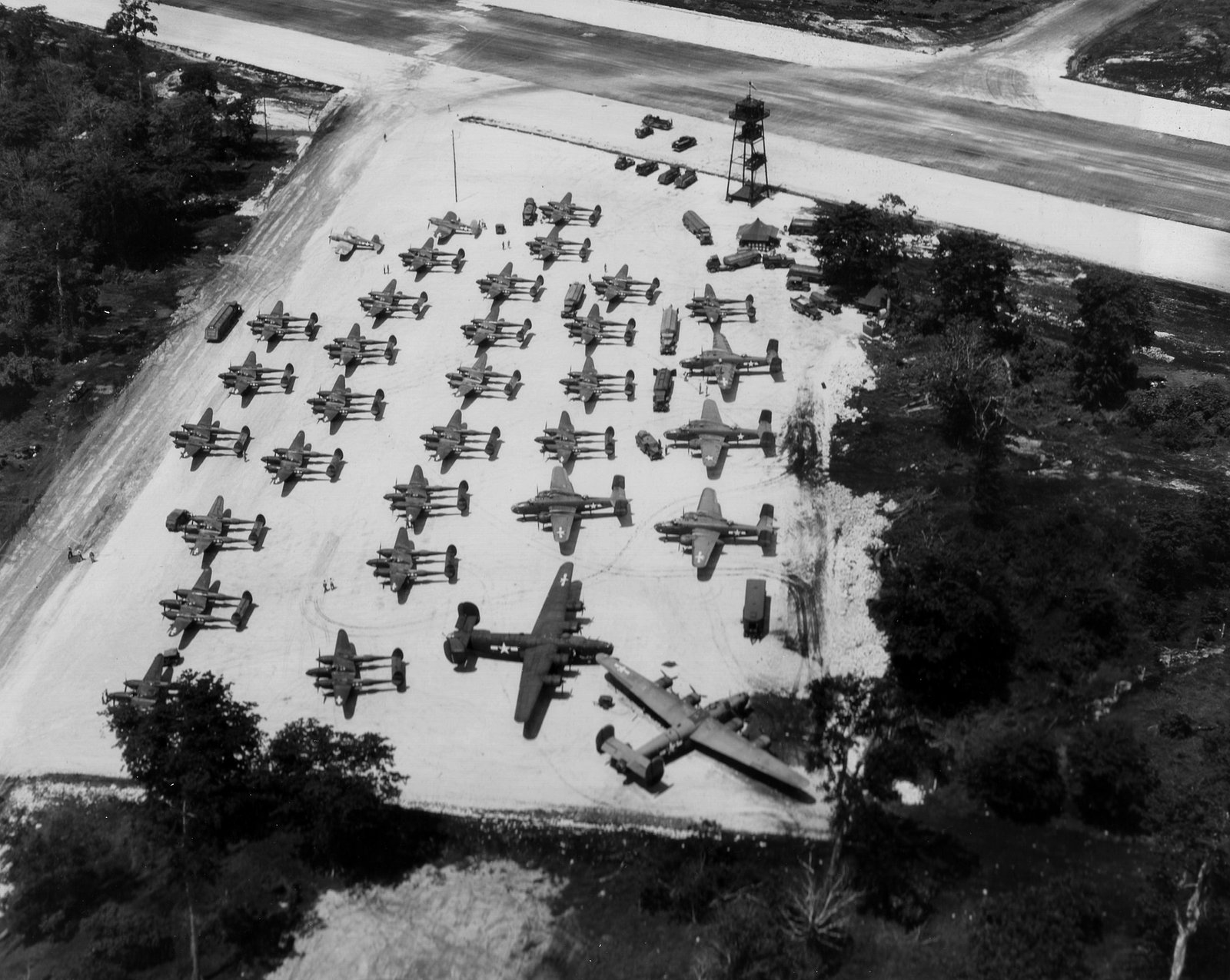
From these airfields operated an extraordinary mix of aircraft—heavy bombers, nimble fighters, patrol flying boats, and transport aircraft.
Together, they formed a coordinated air network:
Bombers striking distant targets
Fighters protecting fleets and formations
Patrol aircraft watching the oceans
Transports moving men, supplies, and the wounded
It was this combination—spread across multiple airfields—that transformed Espiritu Santo into one of the most important Allied air bases in the South Pacific.