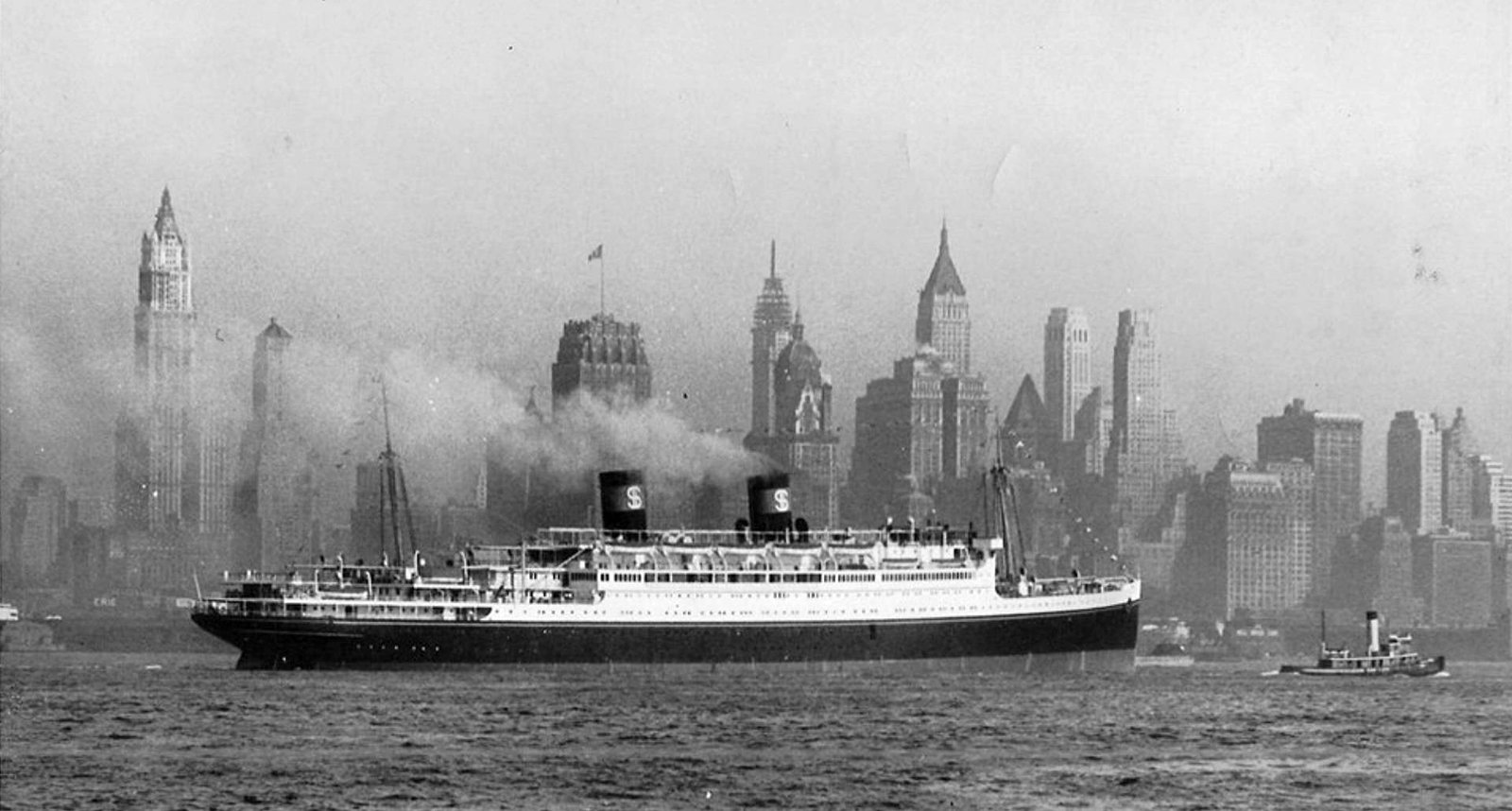
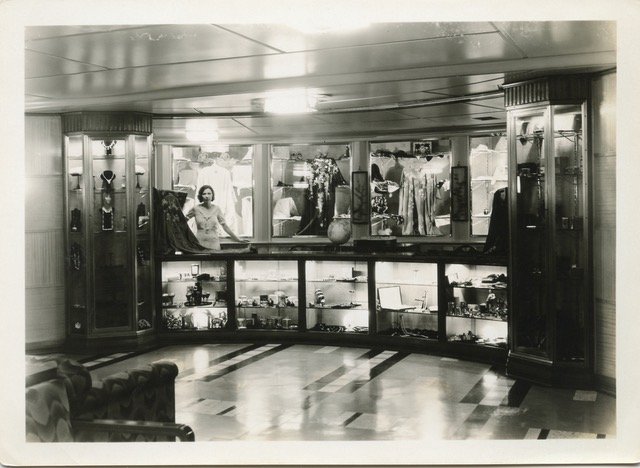
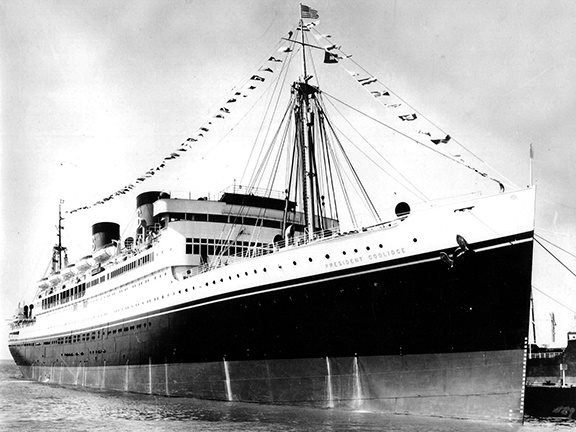
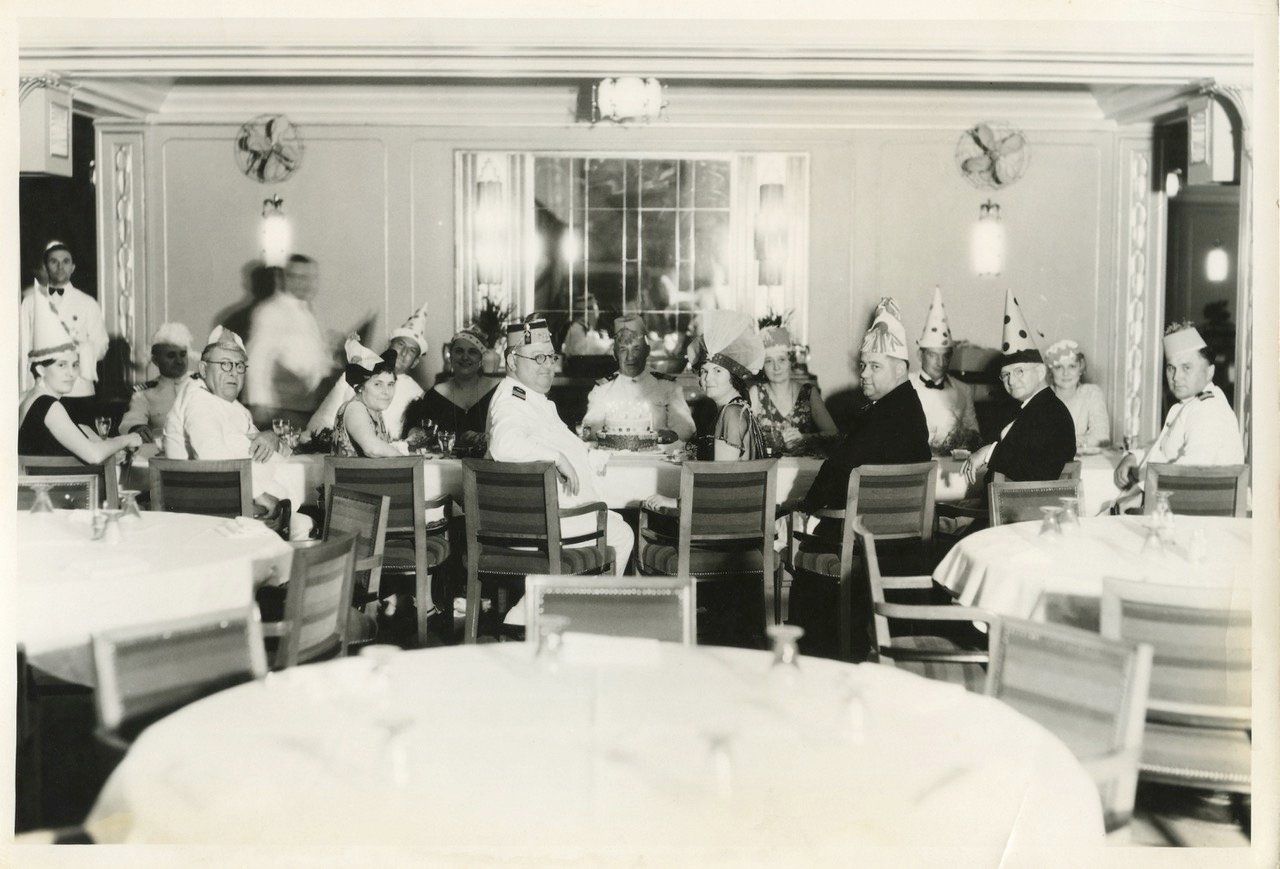
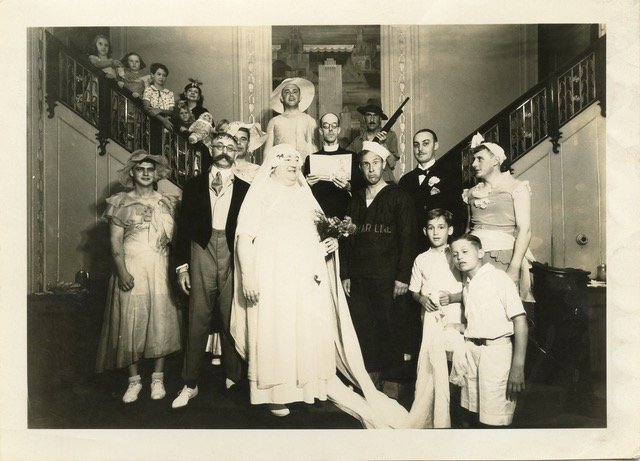
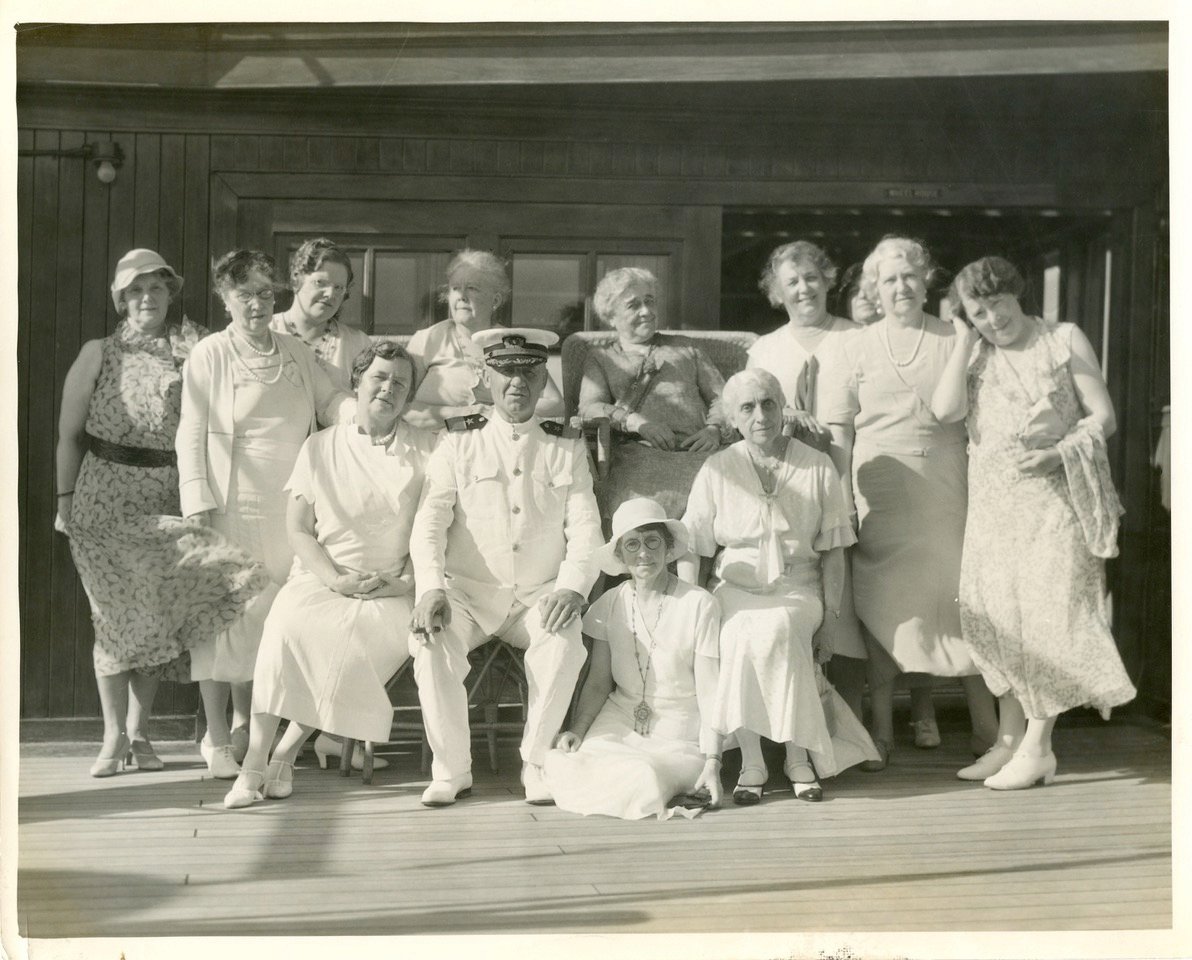
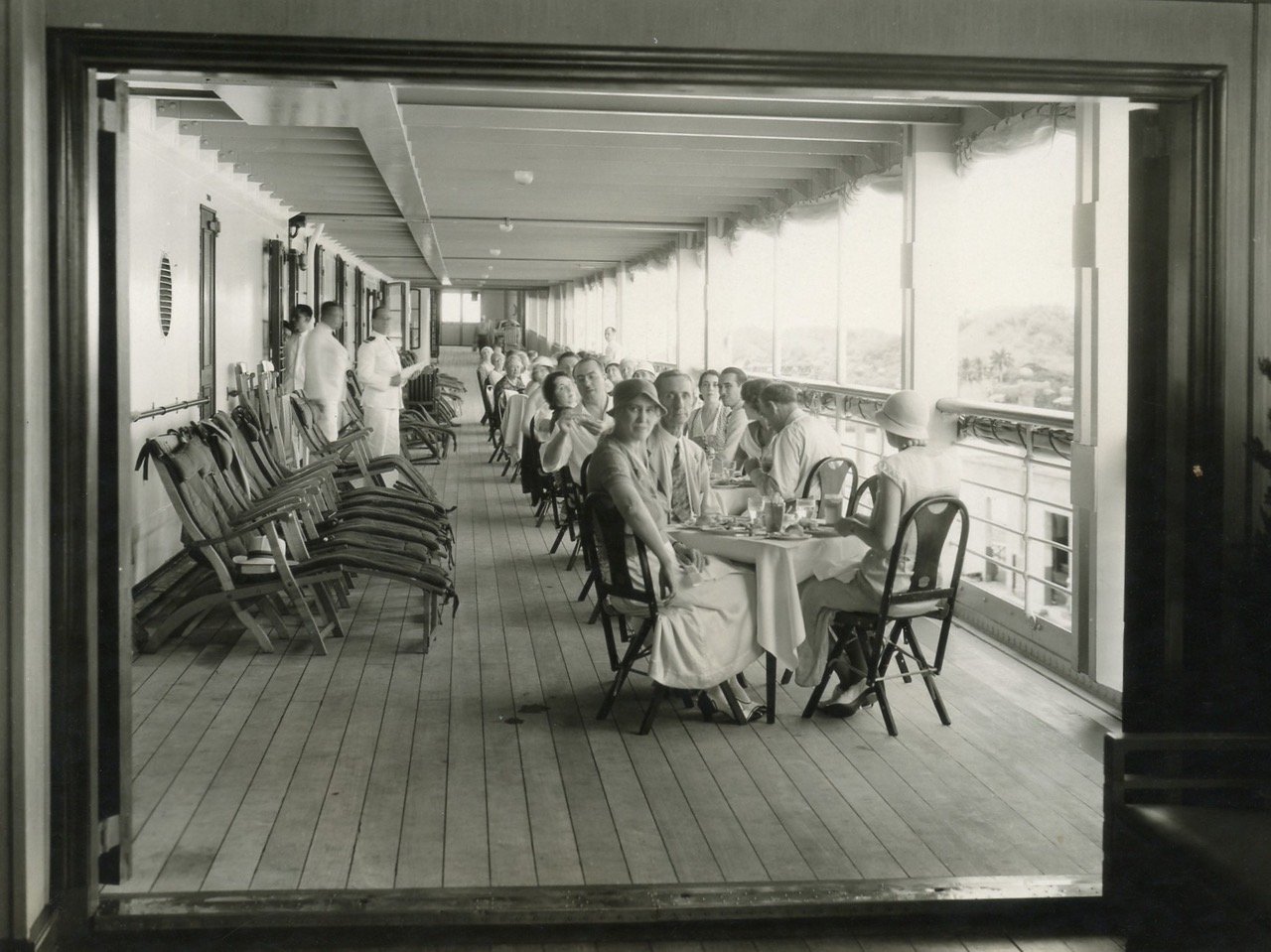
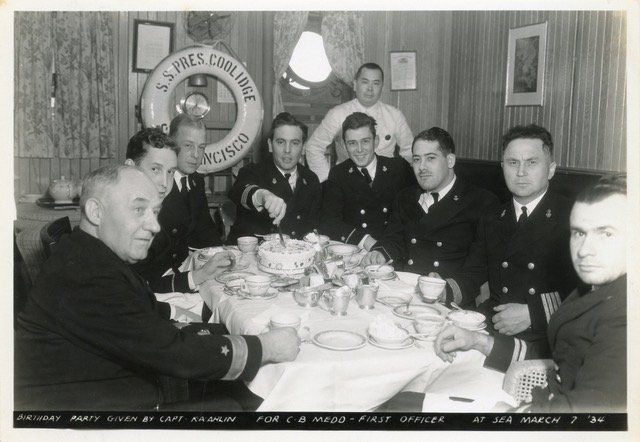
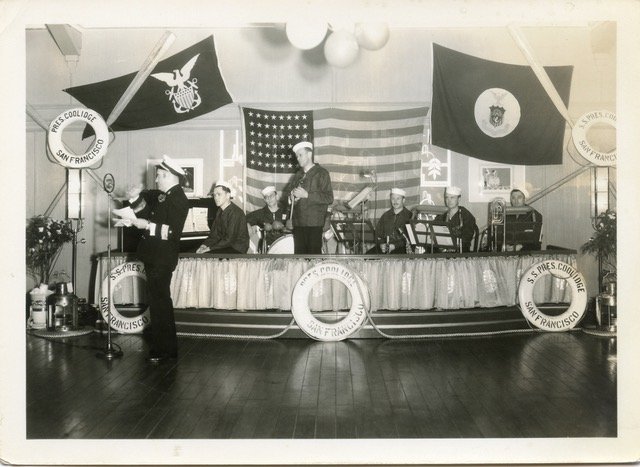
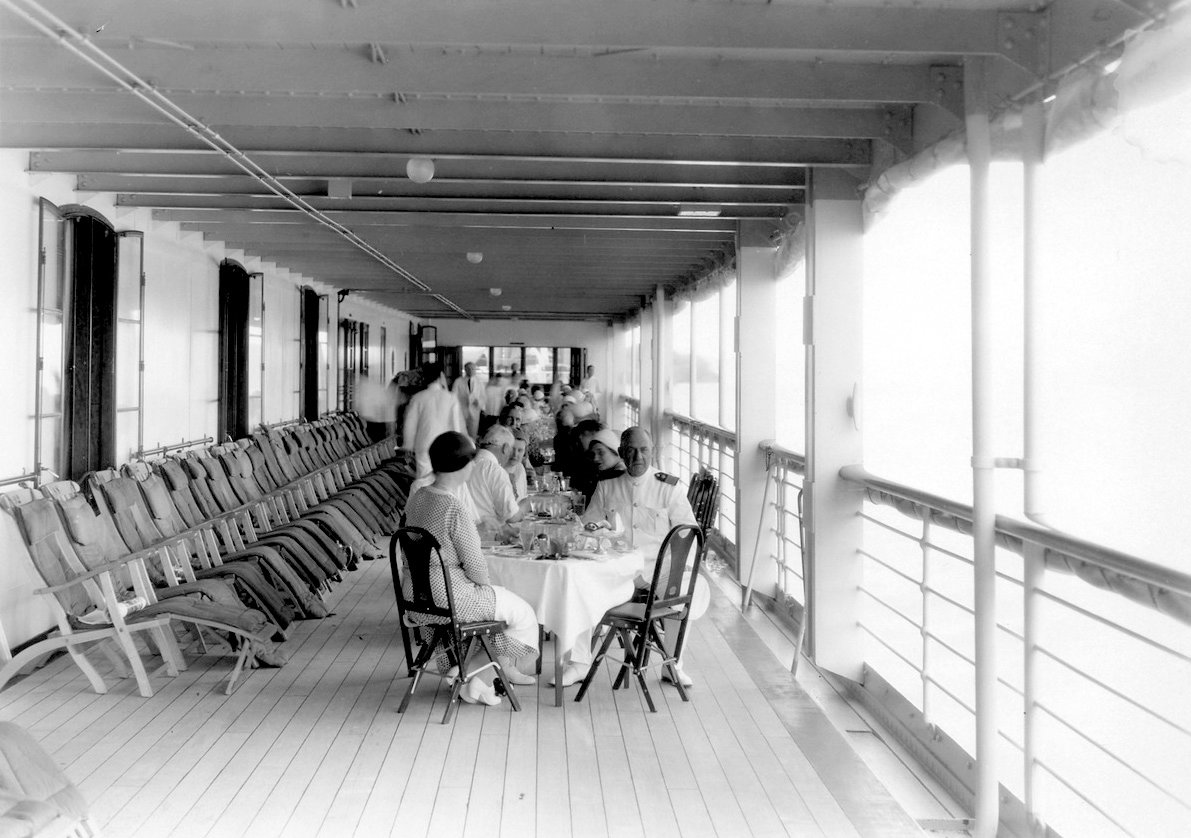
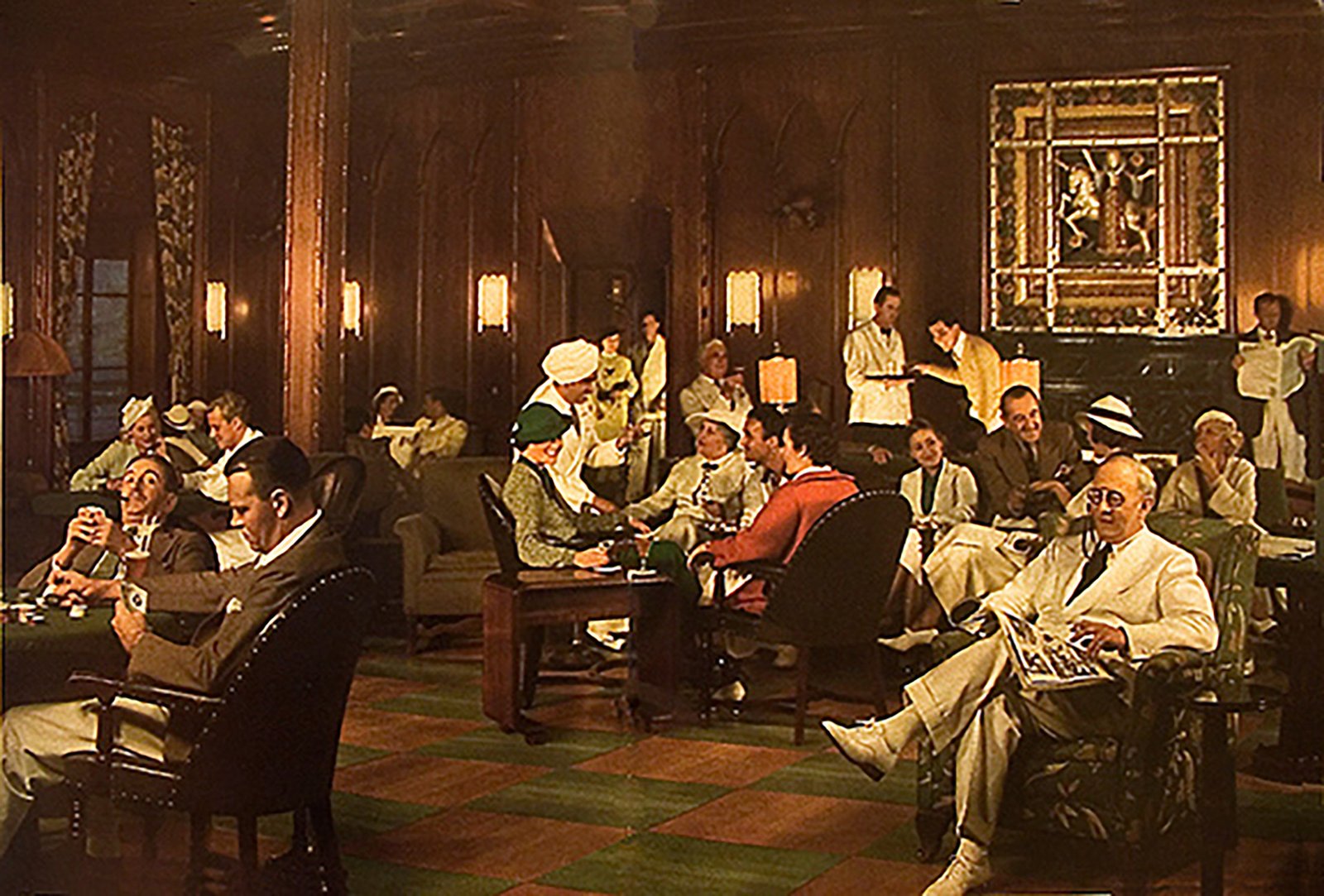
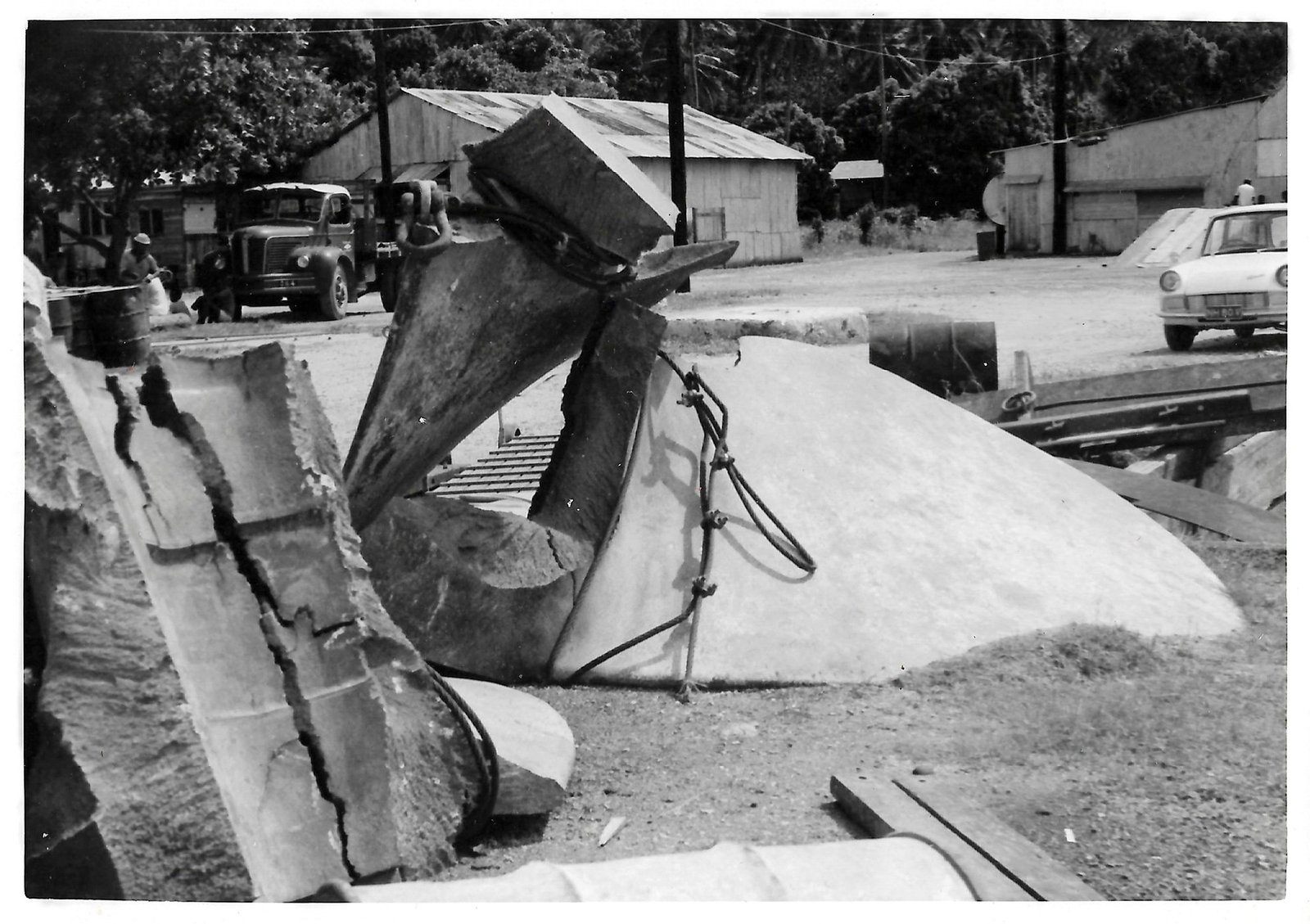
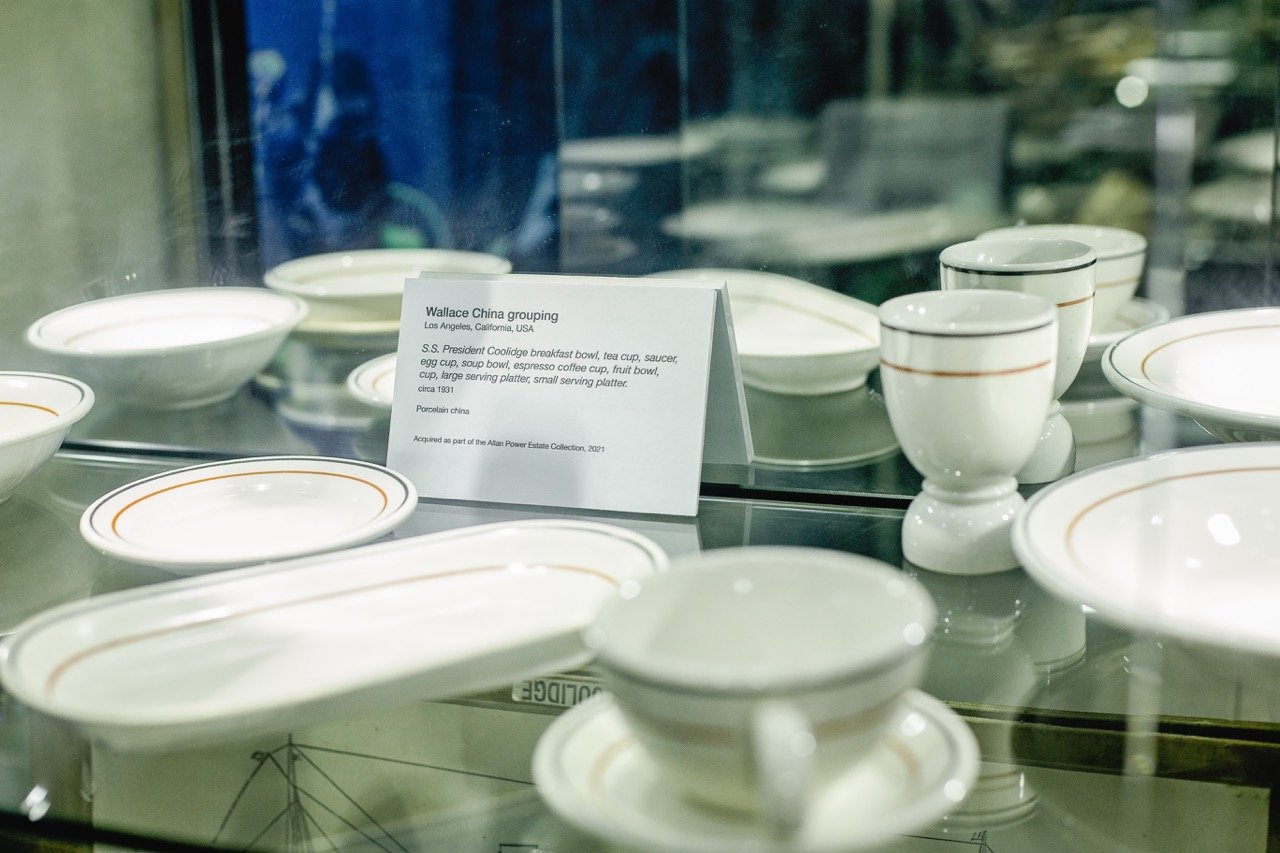
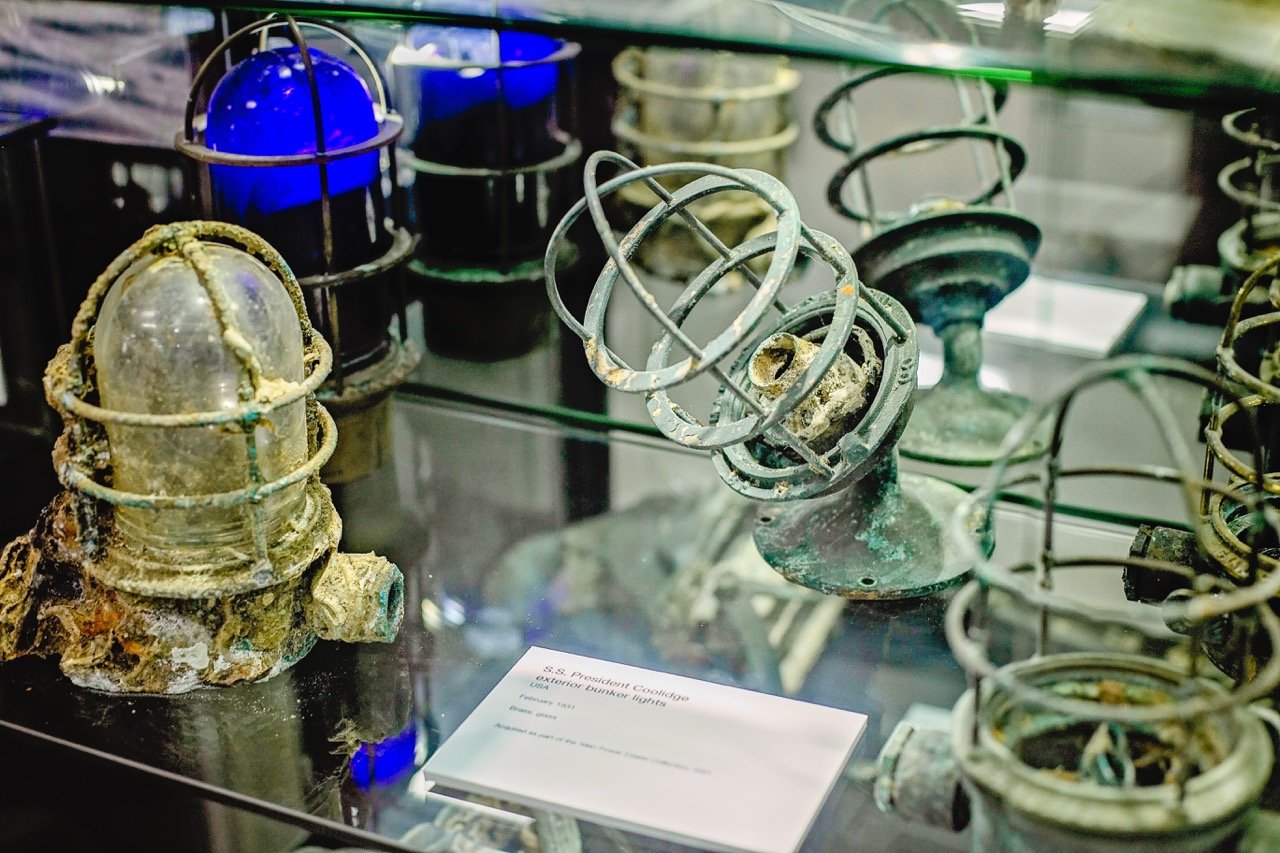
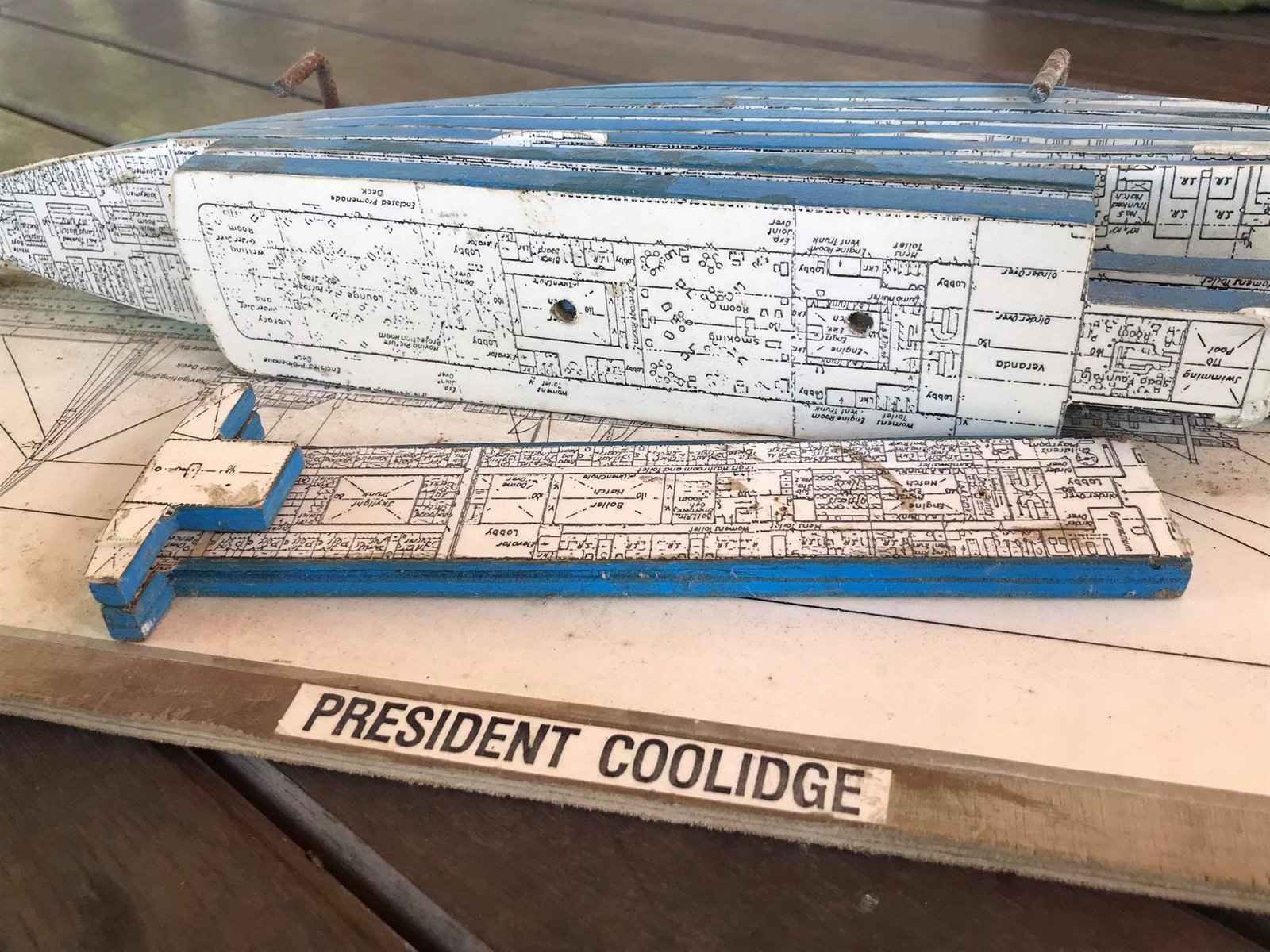
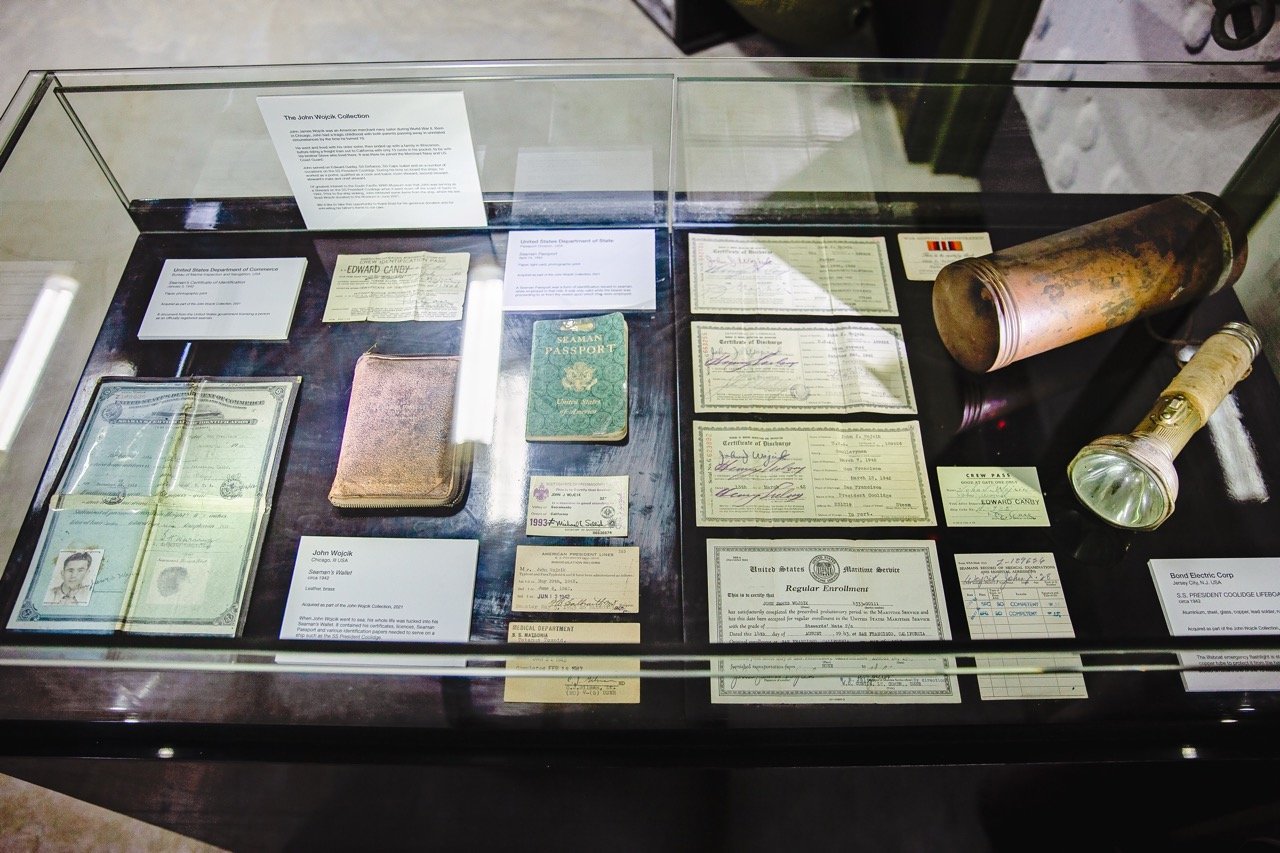
The SS President Coolidge holds a central place in the wartime history of Espiritu Santo. Launched in 1931 as a luxury ocean liner, she was designed to carry passengers across the Pacific in comfort and style. A decade later, with the outbreak of war, she was requisitioned by the United States War Department and converted for military service.
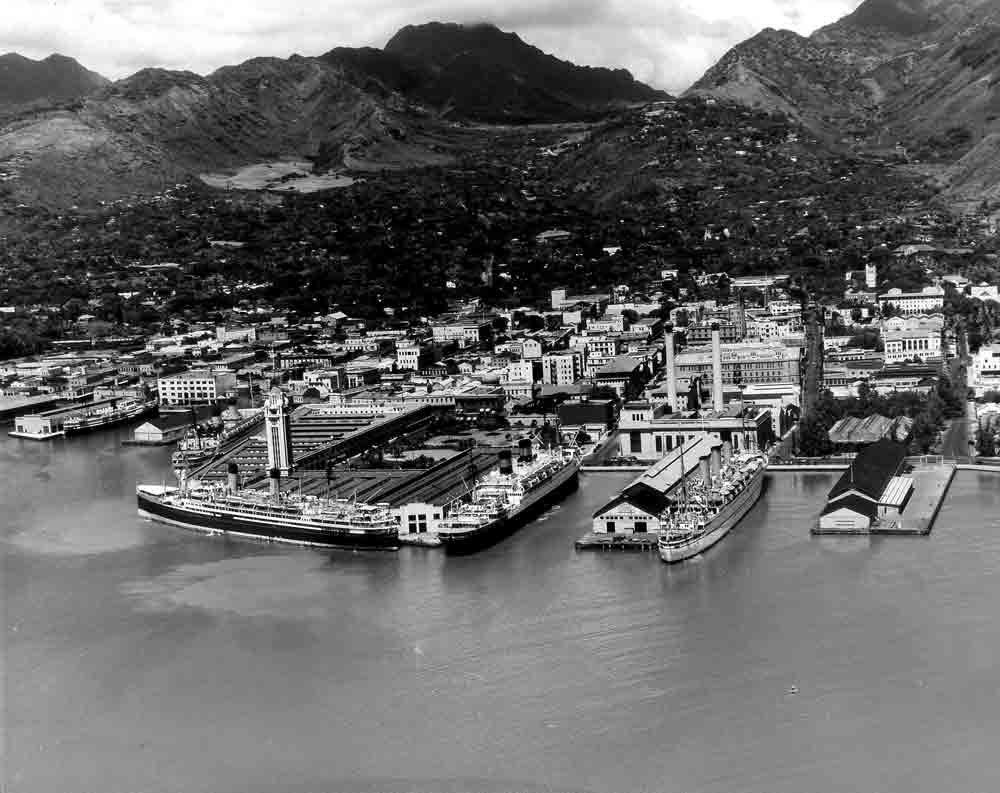
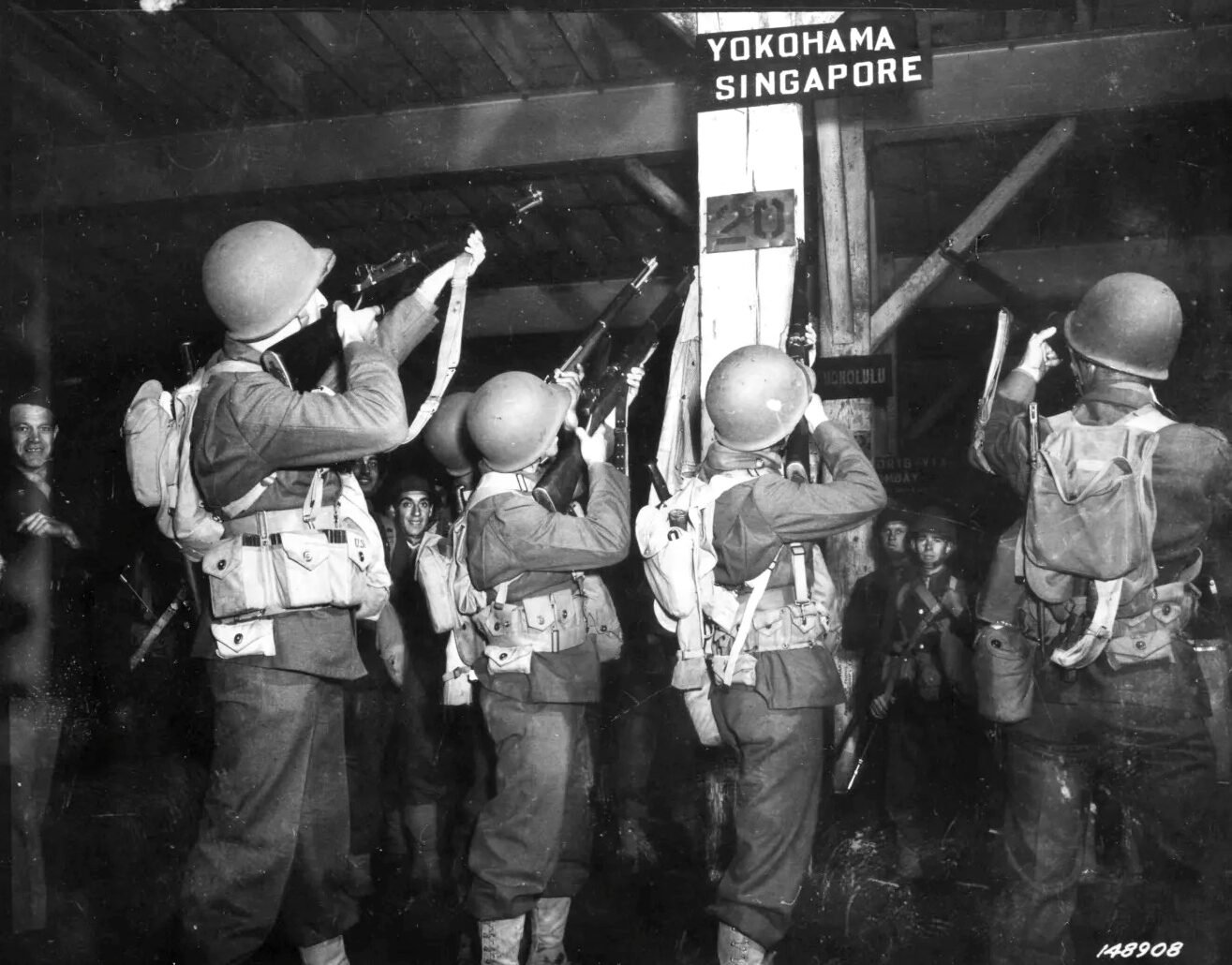
In the early months of 1942, the Coolidge was already transporting personnel and equipment across the Pacific. After arriving in San Francisco on Christmas Day 1941 with injured naval personnel from Hawaii, she was quickly reassigned to troop transport duties. In January 1942, she joined one of the first major convoys to Australia, carrying troops, equipment and crated P-40 fighters intended for deployment in the Philippines.
By the time she reached Melbourne in February 1942, she still retained much of her civilian appearance. Later that year, she underwent a full conversion to a troopship. Her interiors were stripped back and reconfigured to accommodate up to 5,000 troops, defensive armament was installed, and her hull repainted in naval grey. From that point on, she operated as part of the U.S. war effort across the South West Pacific.
Conversion and service
Following her conversion, the Coolidge continued transport operations throughout the South West Pacific. Her routes included Bora Bora, Suva, Auckland, Wellington and Melbourne. In mid-1942, she also carried Philippine President Manuel L. Quezon to San Francisco.
On 6 October 1942, the Coolidge departed San Francisco bound for New Caledonia and the New Hebrides. On board were troops from the 172nd Infantry Combat Team of the 43rd Infantry Division, along with harbour defence personnel assigned to protect the developing bomber base on Espiritu Santo supporting operations at Guadalcanal.
A costly omission
As the Coolidge approached Espiritu Santo on 26 October 1942, she entered waters heavily defended against the threat of Japanese submarines. Minefields had been laid across the harbour approaches, but due to naval regulations, their locations were not included in the ship’s sailing orders.
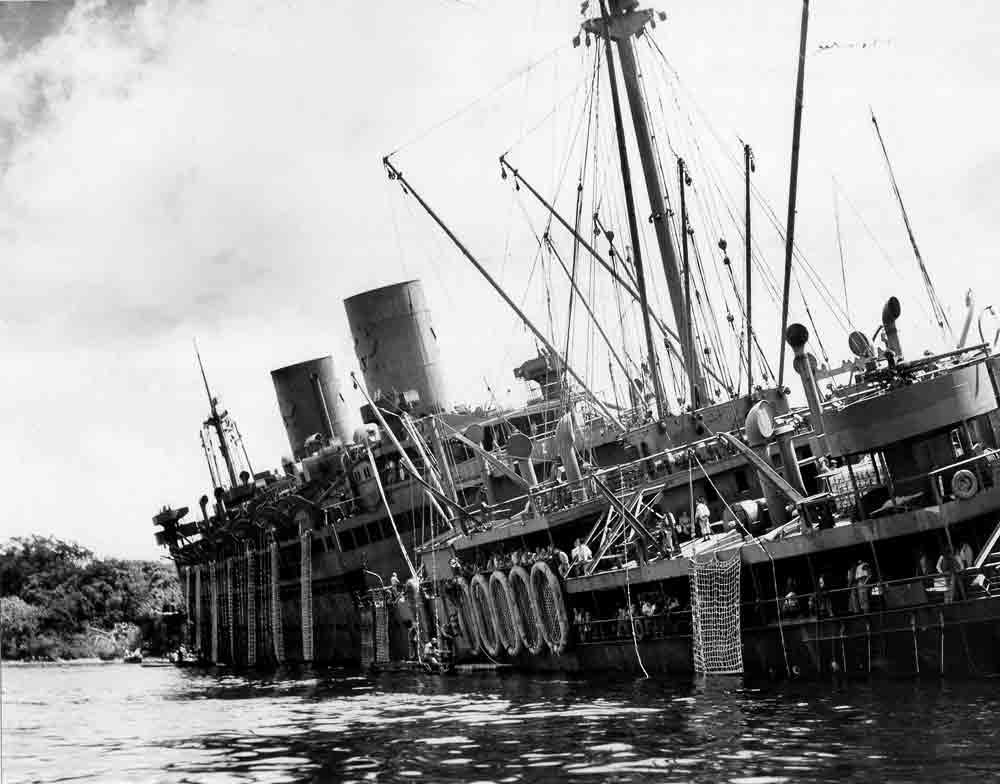
Believing they were following a safe channel, the Coolidge struck a mine near the engine room, followed moments later by a second explosion near the stern. Recognising the severity of the damage, Captain Henry Nelson deliberately ran the ship aground in shallow water in an effort to prevent her from sinking.
Abandon Ship
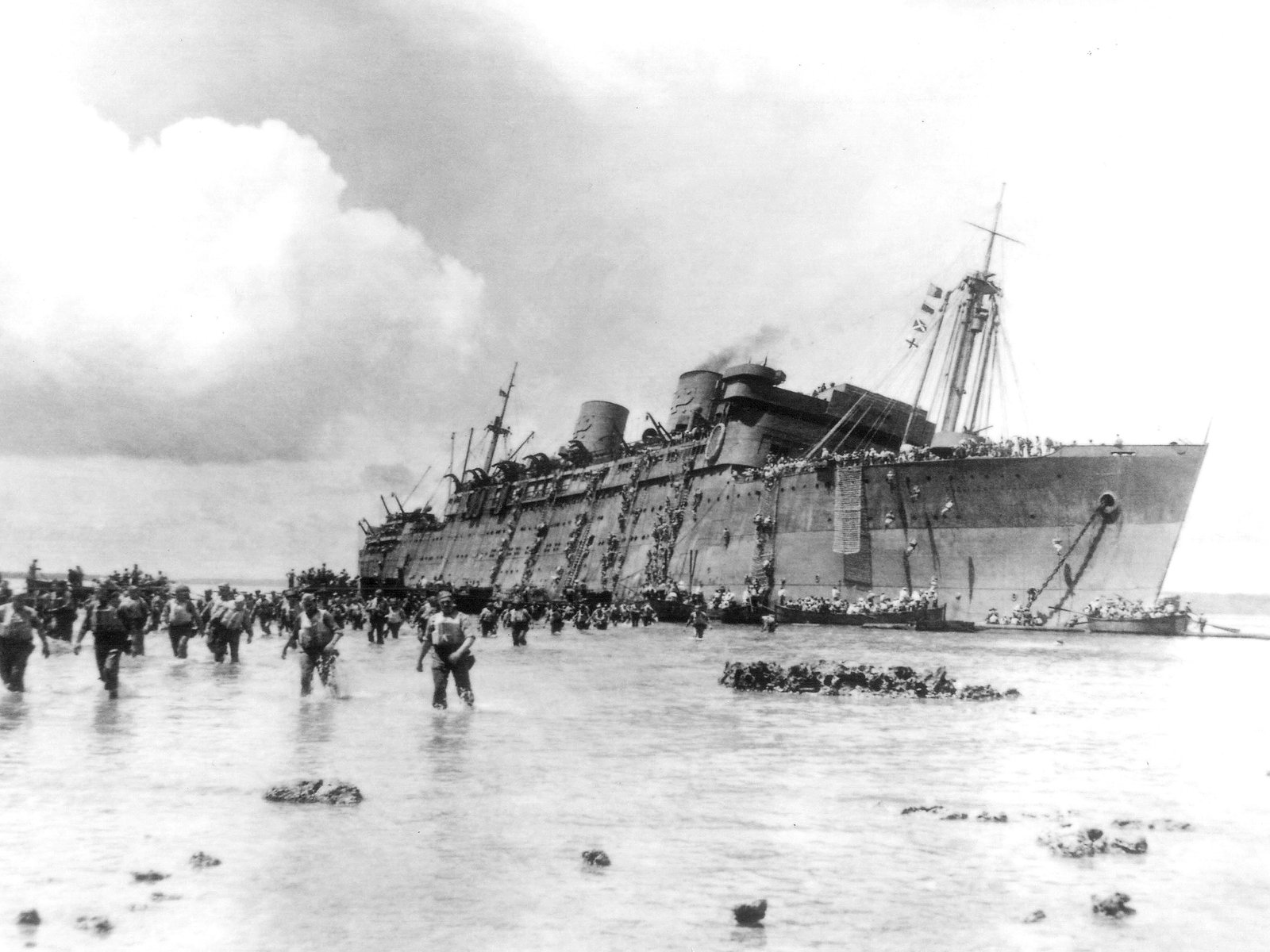
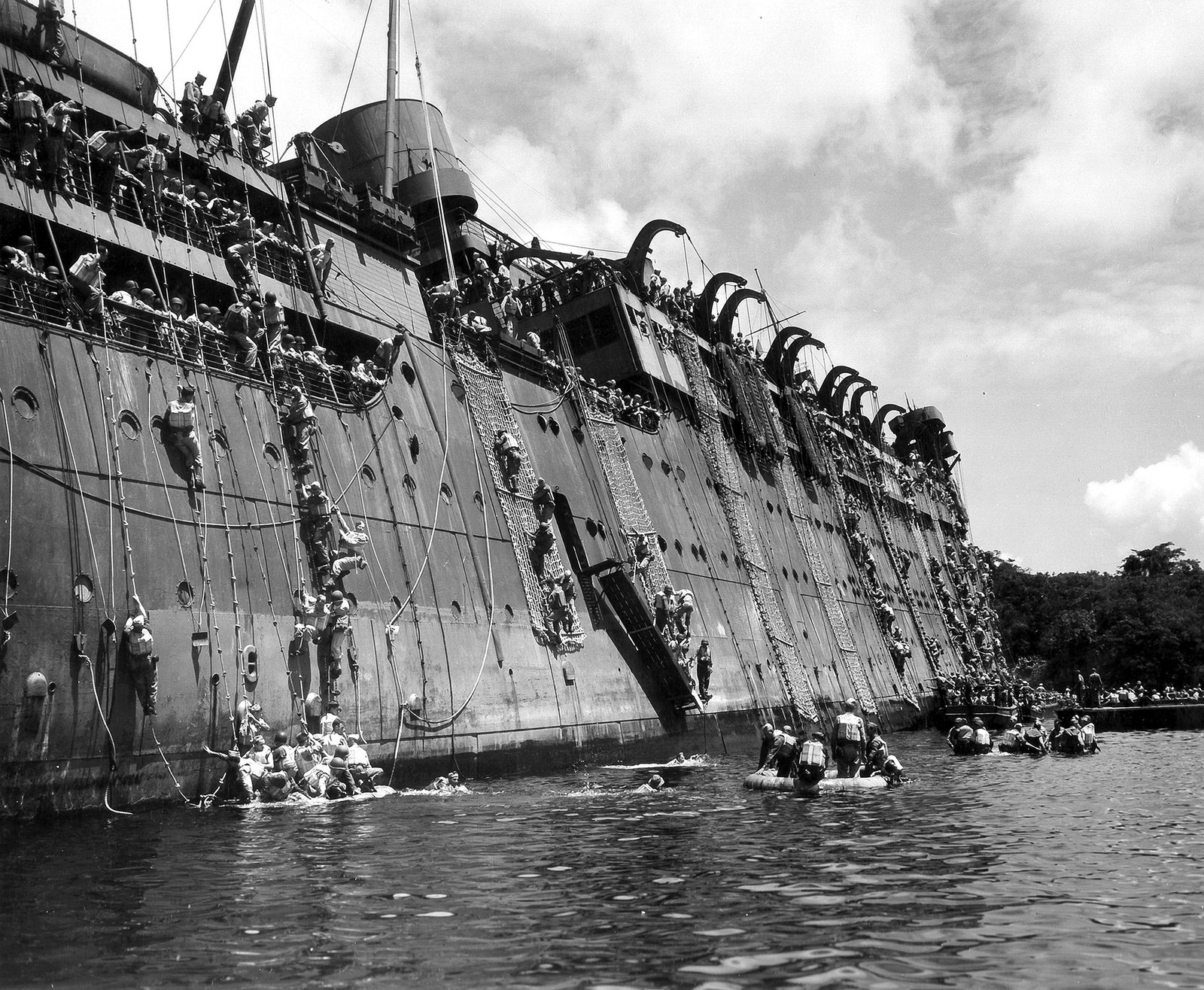
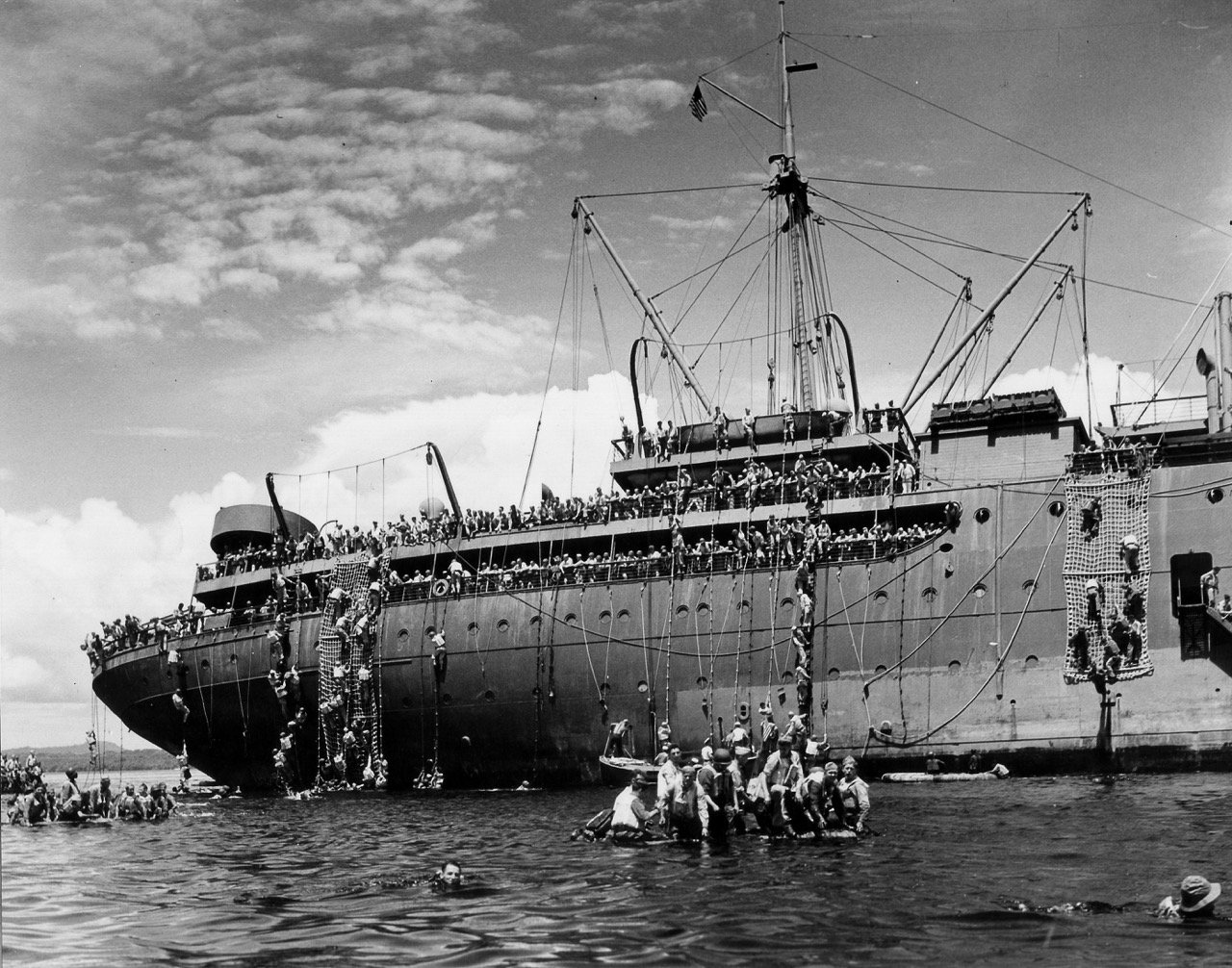
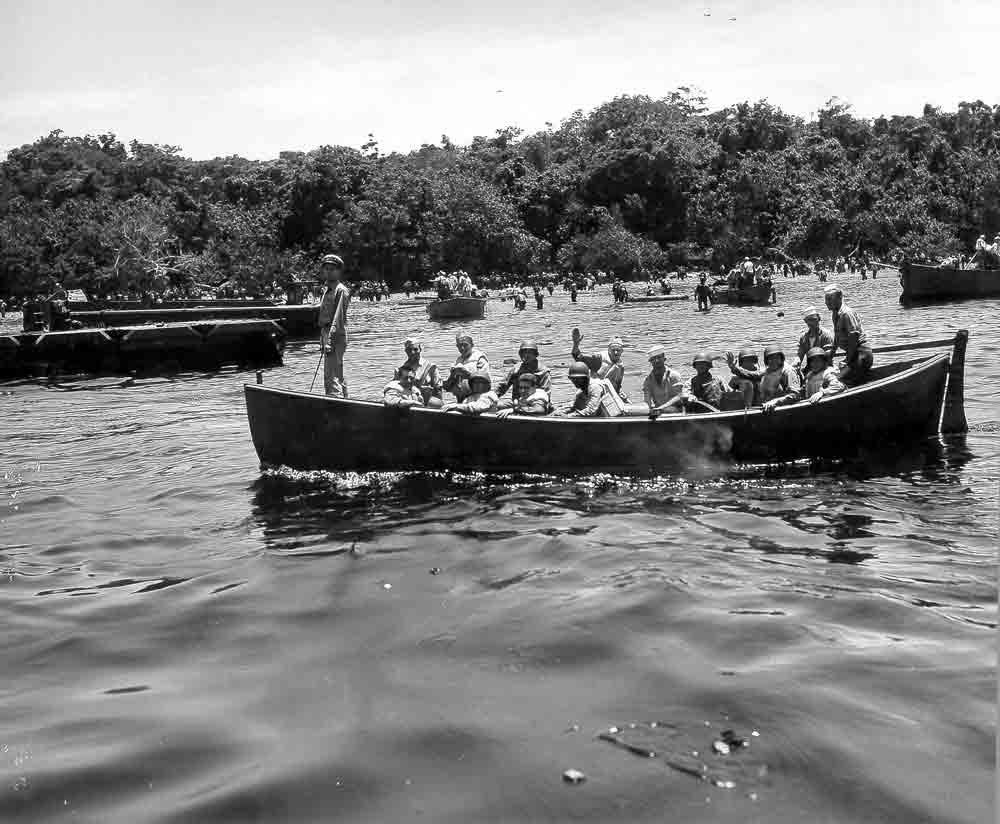
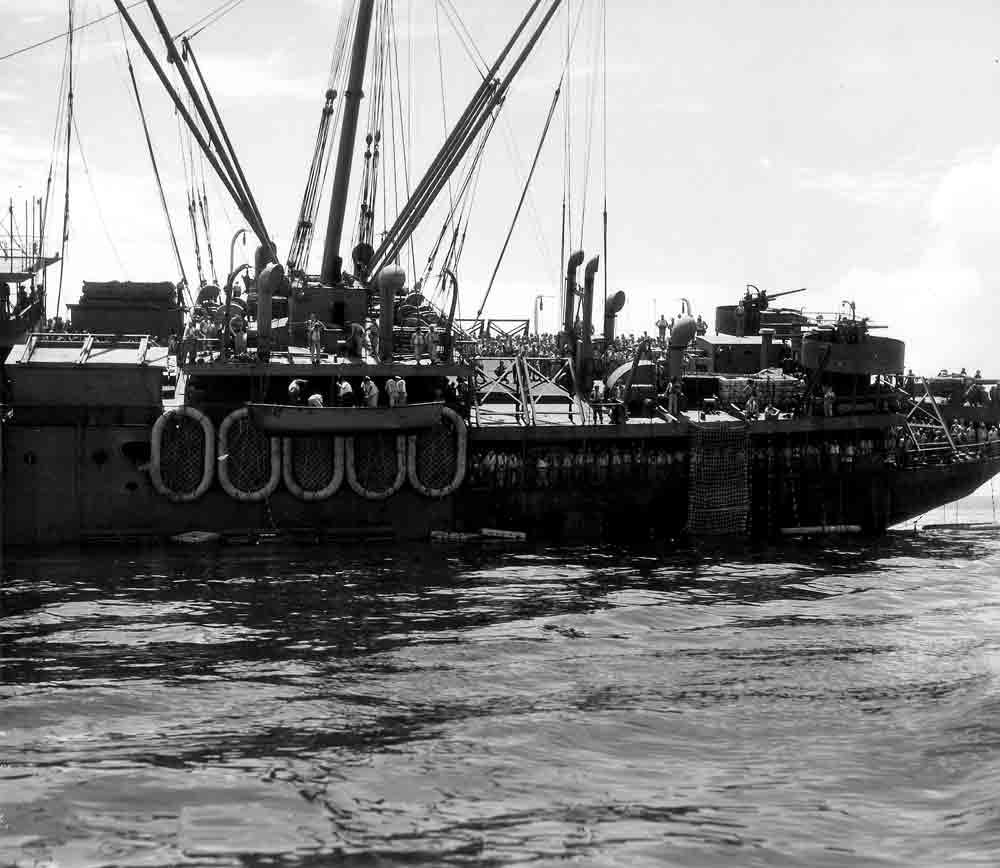
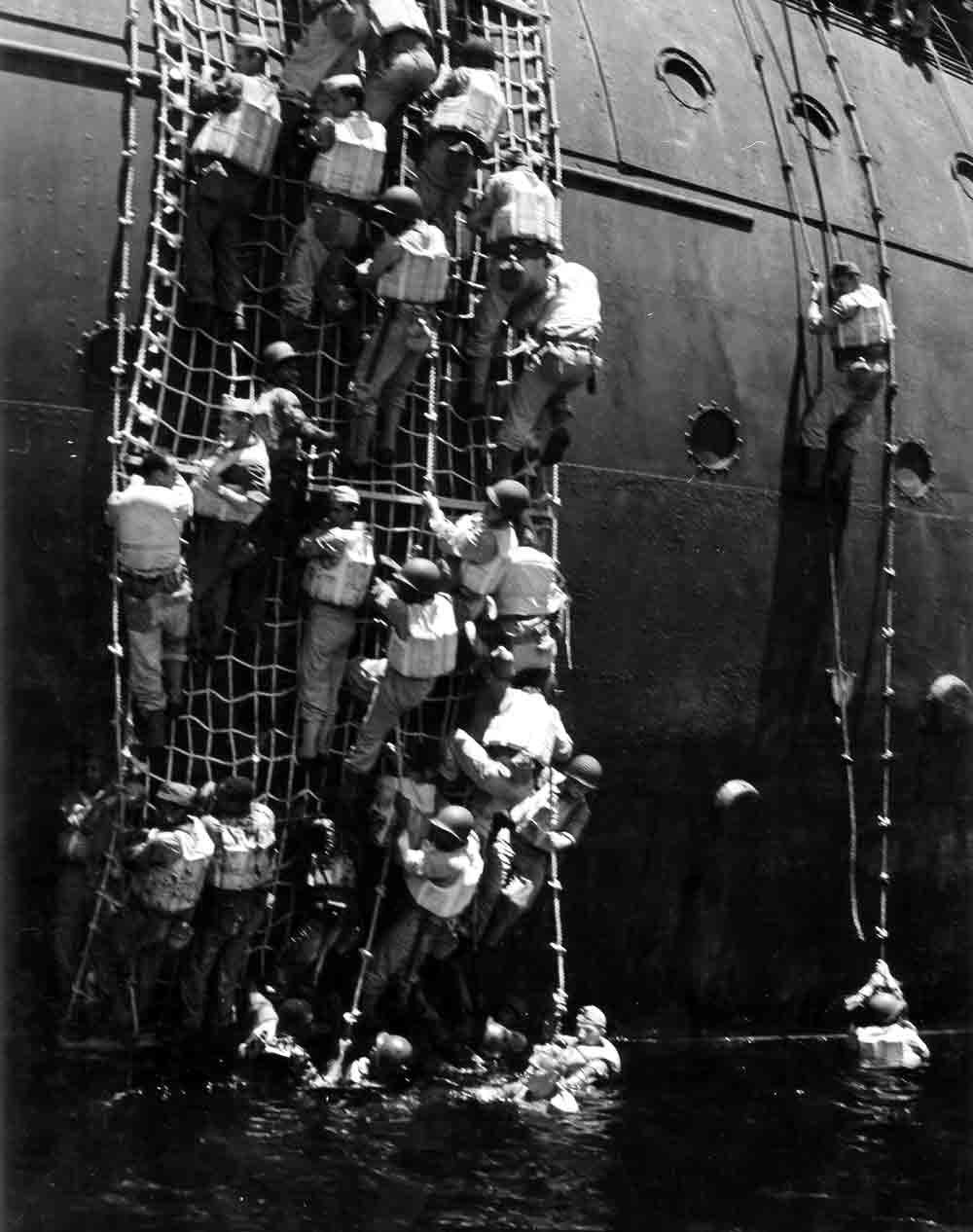
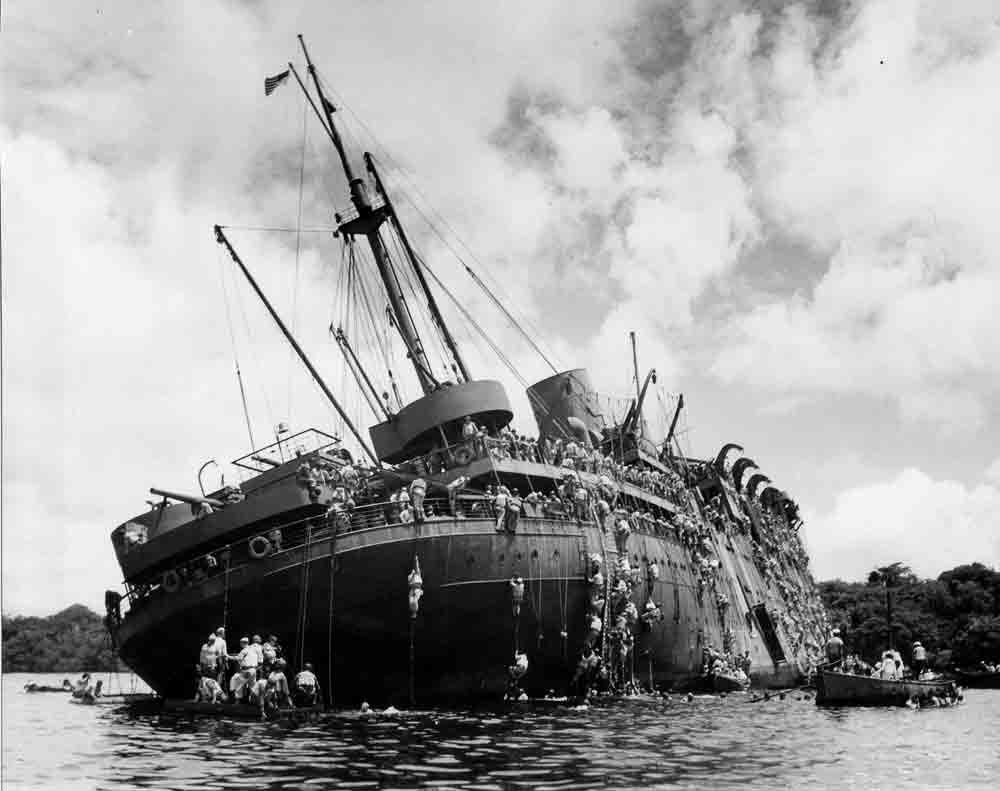
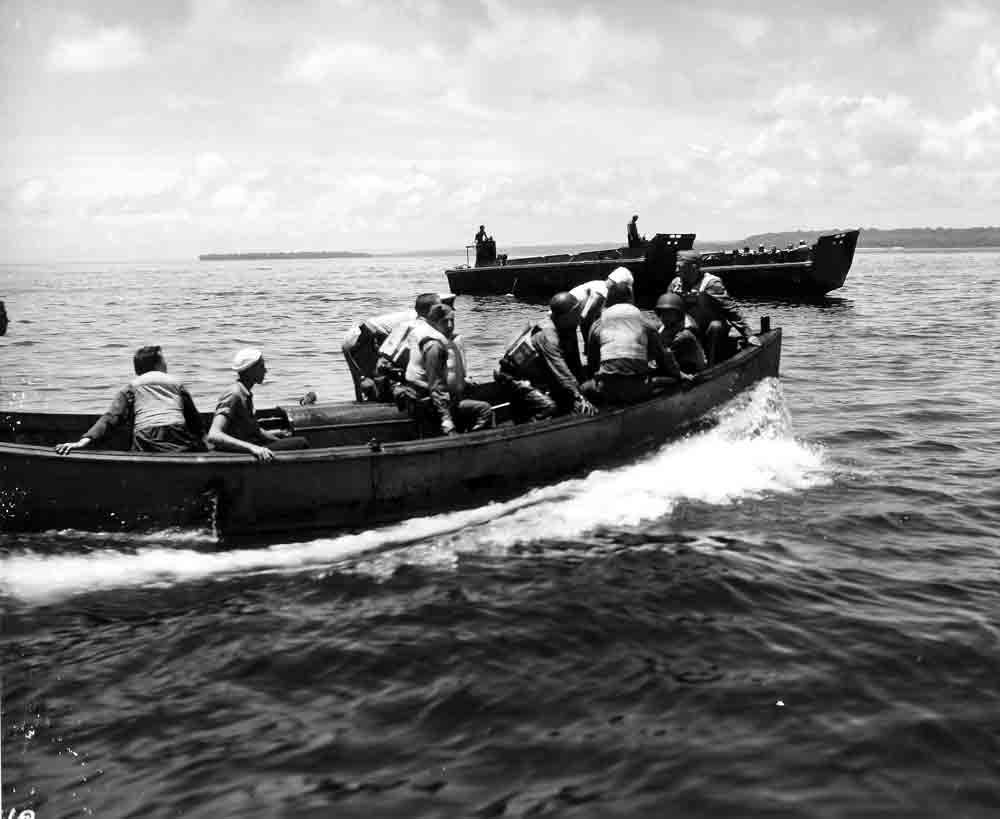
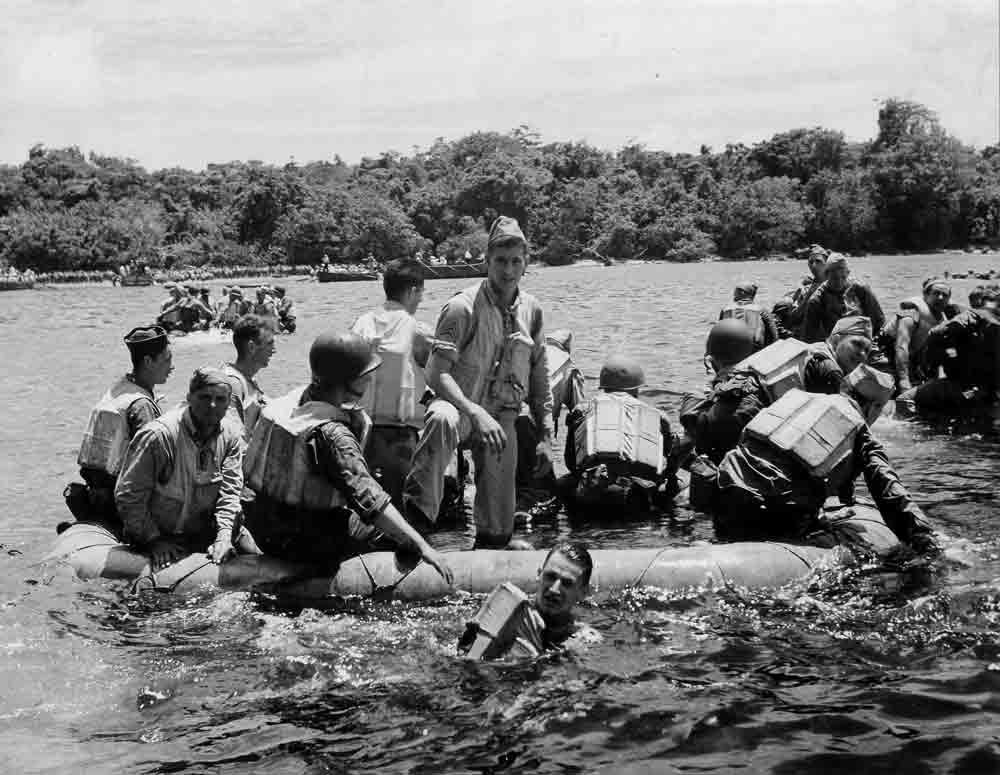
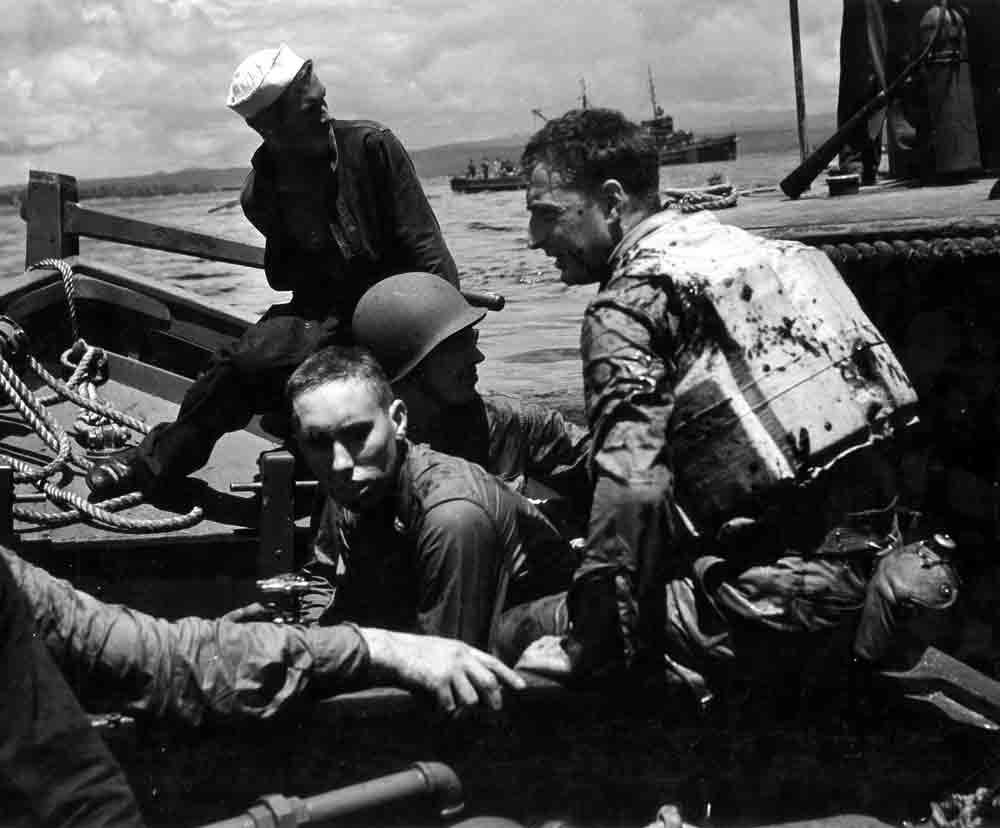
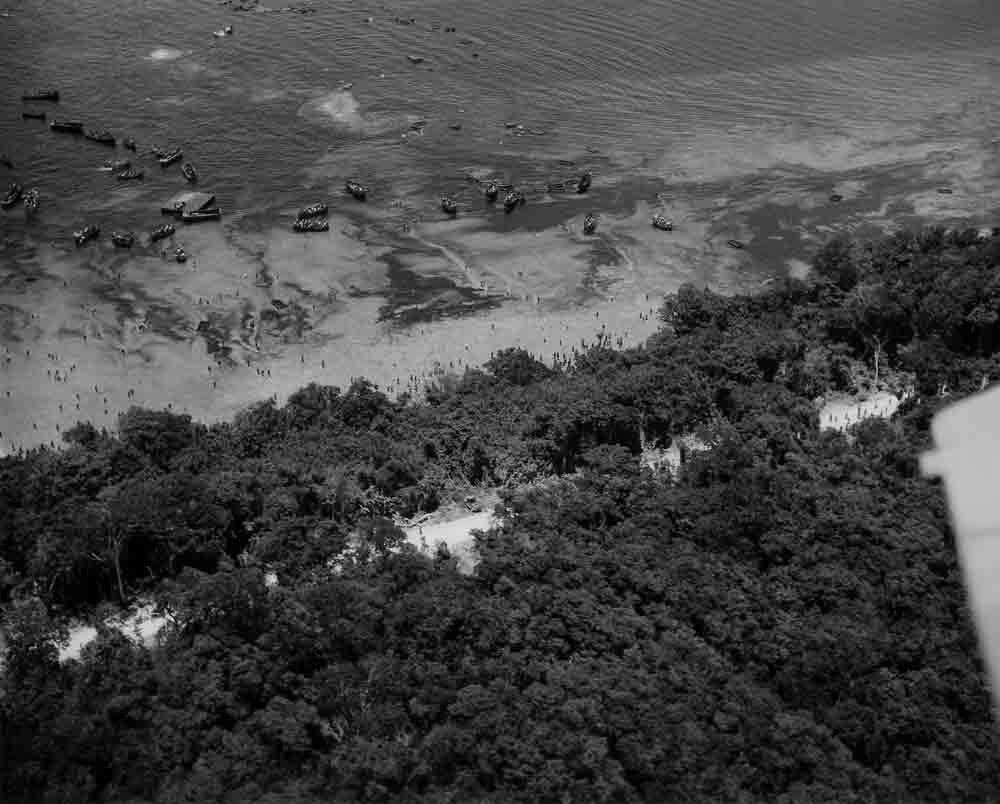
With the ship grounded, the order was given to abandon ship. Approximately 5,340 troops and crew made their way ashore, many simply walking off the vessel into the shallow water. The evacuation was conducted in a relatively orderly manner, with many believing the ship would remain stable on the reef.
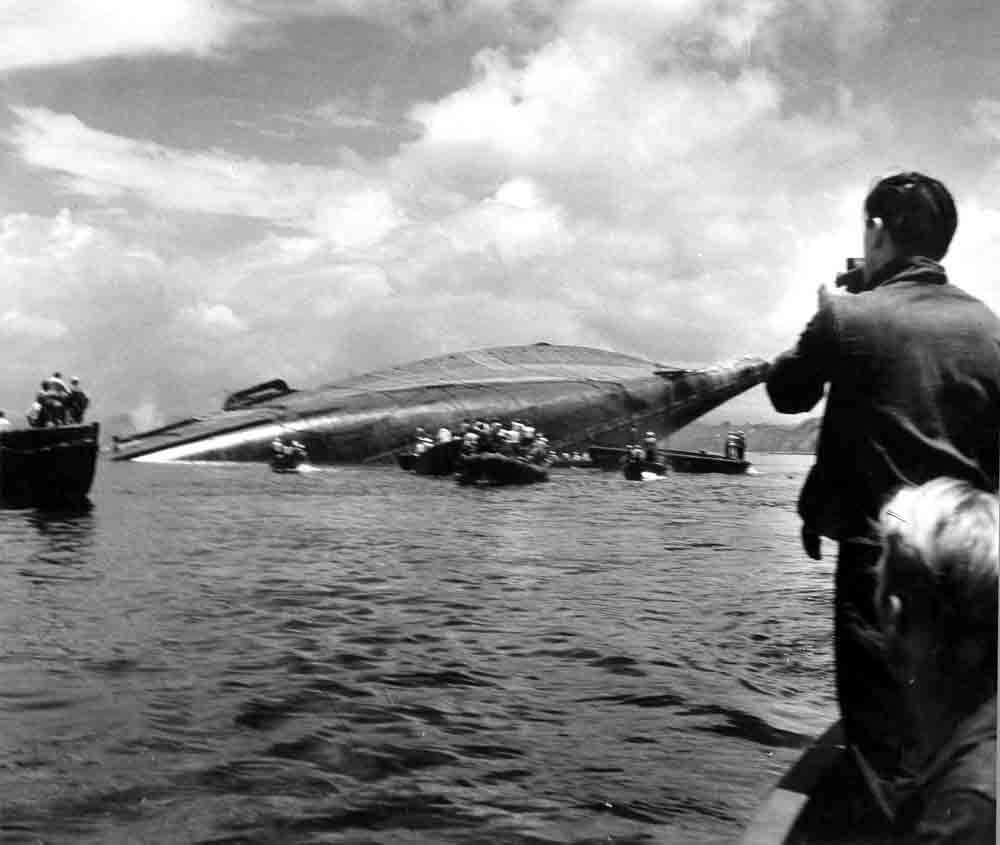
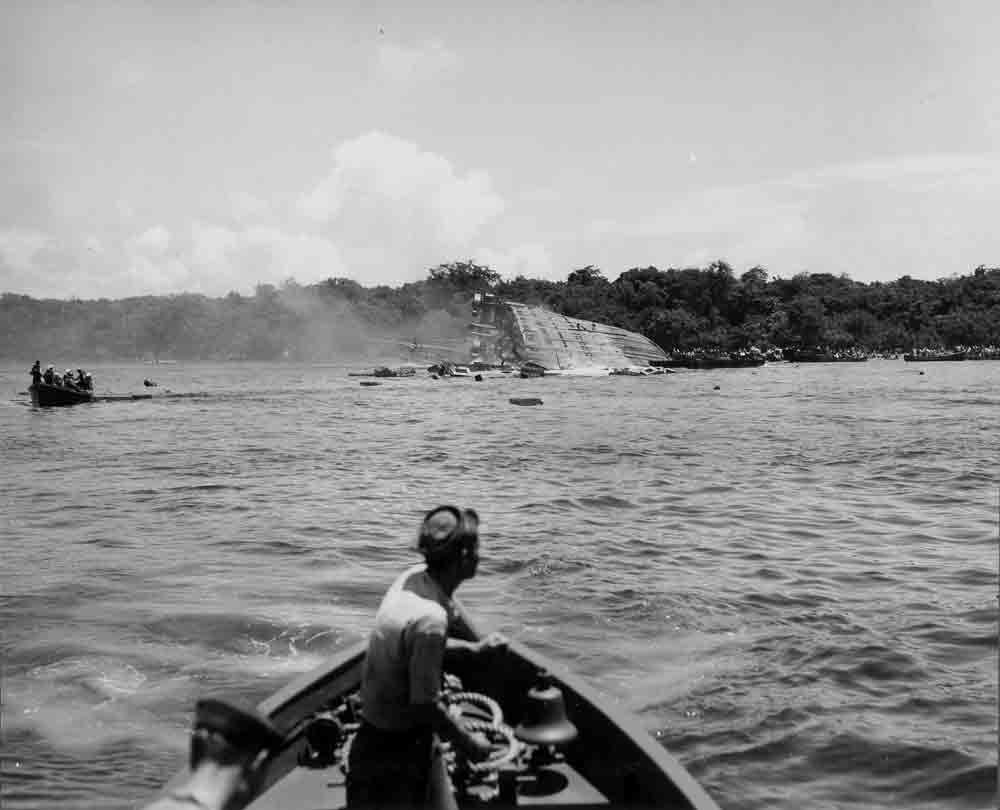
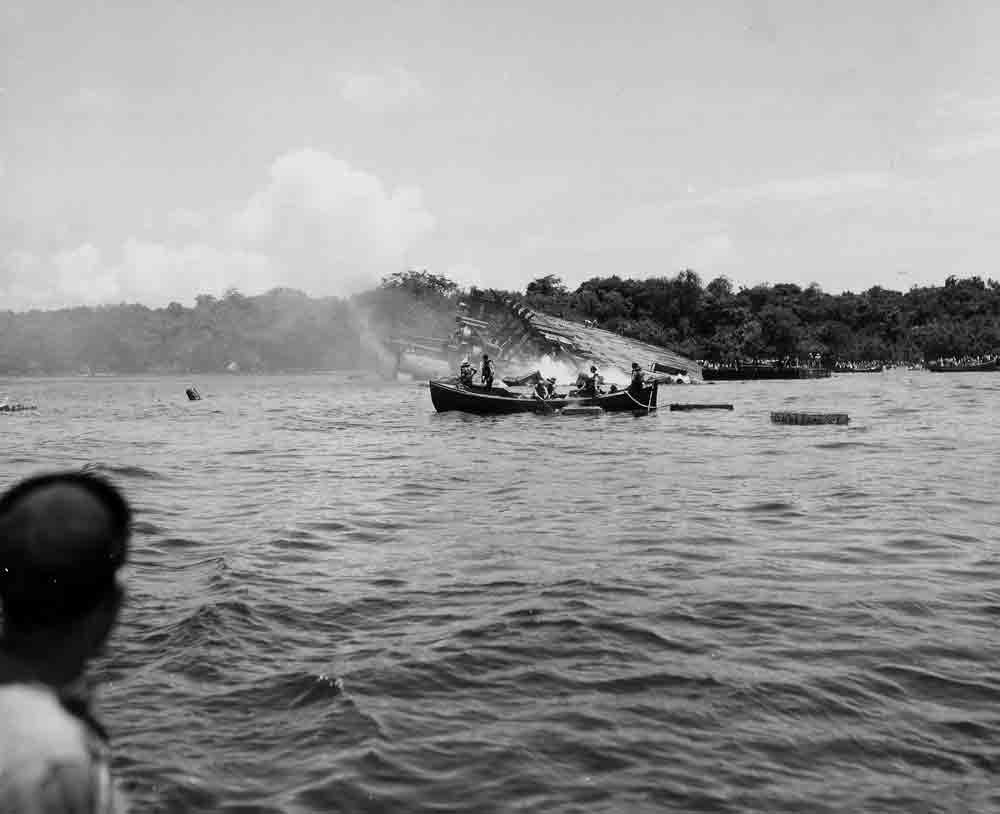
However, the Coolidge had grounded in a precarious position. As the situation deteriorated, she began to list heavily before slipping from the reef into deeper water. Despite the scale of the incident, there were only two fatalities: Fireman Robert Reid, killed in the initial explosion, and Captain Elwood J. Euart.
A final act of leadership
Among those who reached shore was Captain Elwood J. Euart of the 103rd Field Artillery. After learning that a group of men remained trapped below decks, he returned to the ship to assist in their rescue. Using a rope lowered into the vessel, he enabled the trapped soldiers to climb to safety. The effort exhausted him. As the Coolidge shifted and began to slip into deeper water, Euart was unable to climb out in time and went down with the ship.
For a more detailed account of Captain Euart’s actions, you can click through to our dedicated page here.