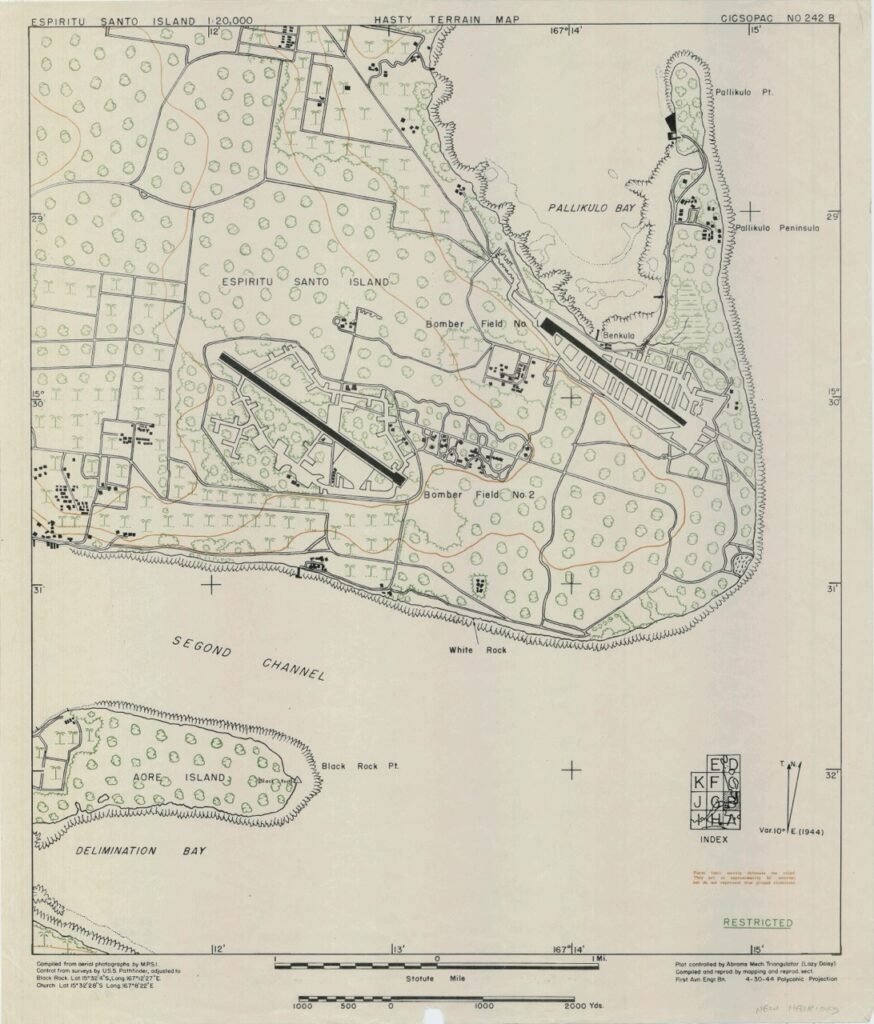
The islands of Espiritu Santo and Efate became critical to the Allied war effort almost overnight following the outbreak of the Pacific War in December 1941. As Japanese forces pushed rapidly through the Solomon Islands and New Guinea, the threat to Australia — and the wider South Pacific — became very real.
In May 1942, American forces arrived in the New Hebrides with urgency and intent. What followed was not a defensive occupation, but something far more ambitious. Across Efate and Espiritu Santo, the United States established a vast network of military infrastructure that would transform these remote islands into one of the most important staging areas in the Pacific.
The build up
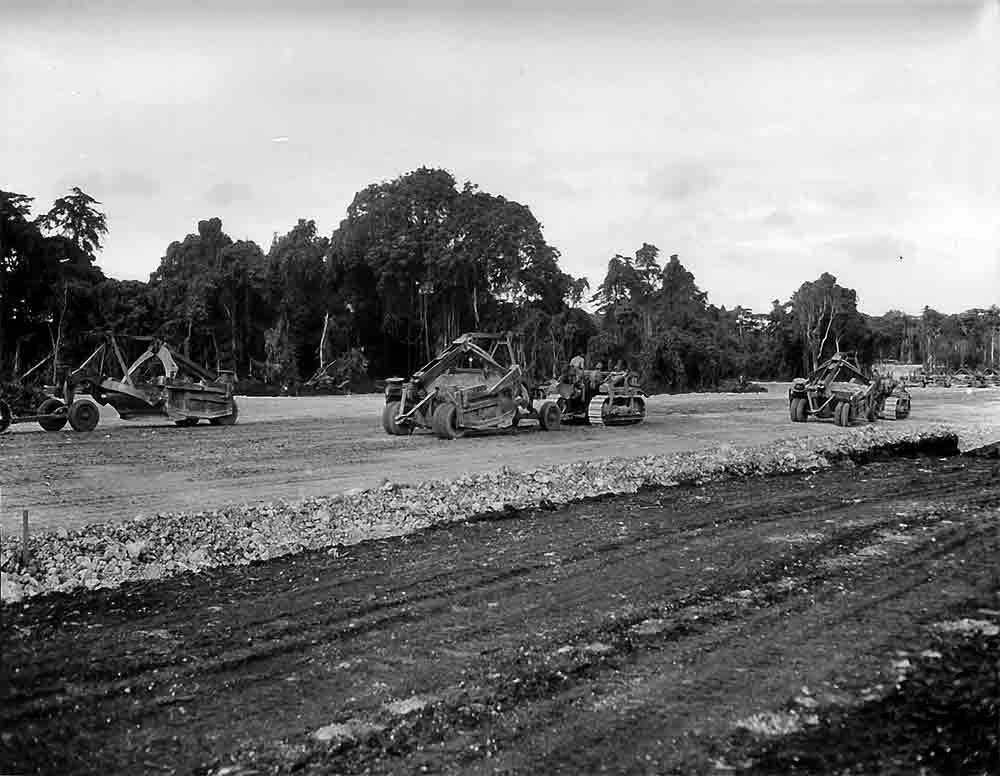
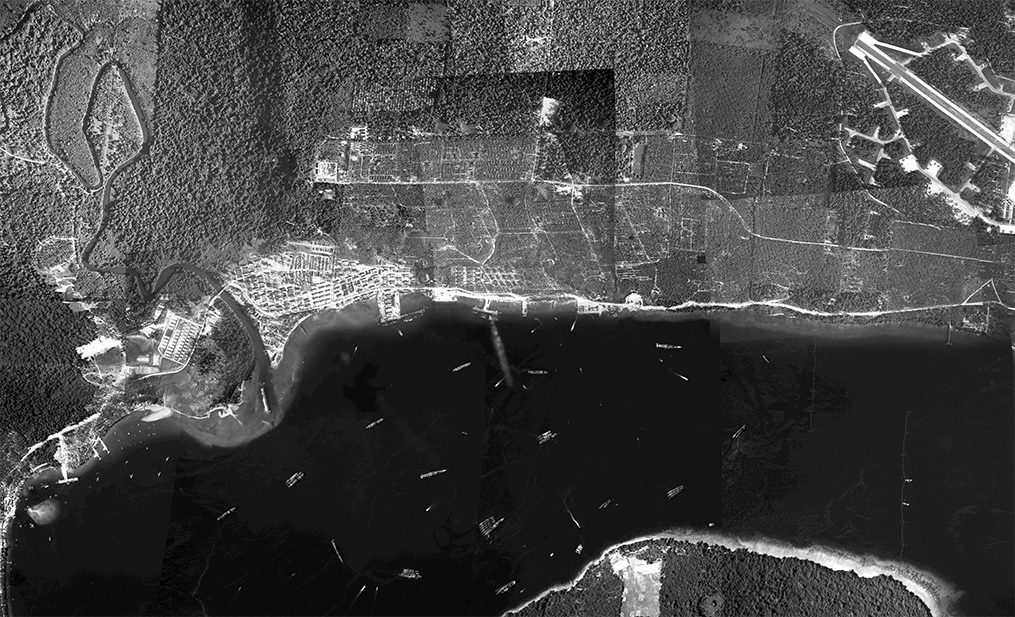
The scale of construction was extraordinary. Roads were carved through dense jungle. Airfields appeared where none had existed. Wharves, fuel depots, ammunition dumps, hospitals and entire camps were built at speed, often under extreme conditions.
Nowhere was this more evident than on Espiritu Santo. As the largest island in the group, it became the primary hub for operations.
Tens of thousands of tonnes of equipment and supplies were landed, supporting a military presence that would eventually exceed 100,000 personnel, with total troop movements through the islands reaching far higher at the peak of activity.
The plan
The New Hebrides, governed jointly by Britain and France under a unique condominium arrangement, became central to Allied planning in early 1942.
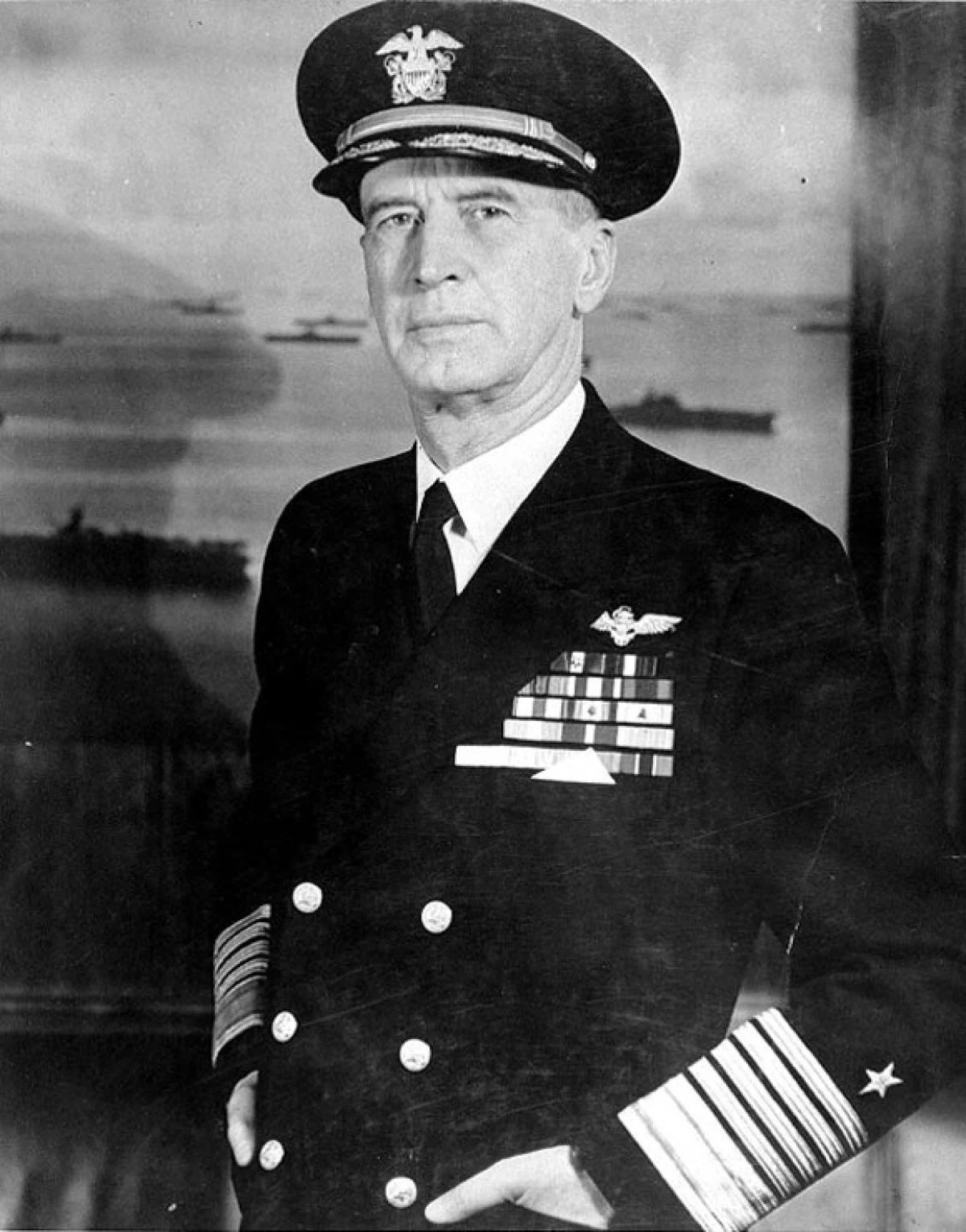
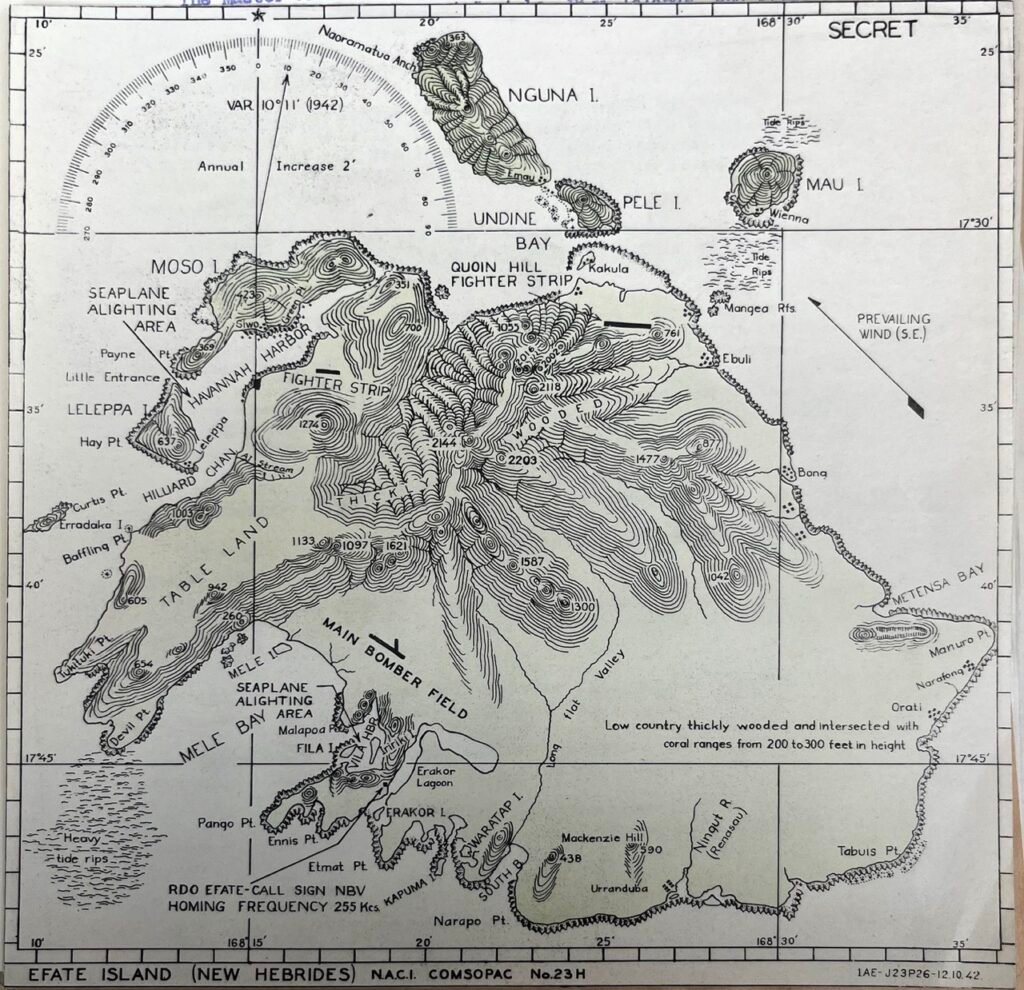
In March of that year, Admiral Ernest King, Commander in Chief of the United States Fleet, approved a coordinated plan for the occupation and defence of Efate. Under this plan, the Army would take responsibility for ground defence, while the Navy would establish and operate the infrastructure required to support both land and sea operations.
This included:
Construction of a naval advance base and harbour facilities
Development of airfields and dispersal strips
Establishment of seaplane operations
Direct support of ground and naval forces
Within weeks, Marines, Army units and Seabees began arriving, laying the foundations for what would quickly become a fully operational forward base.
The logistics
Throughout history, armies have faltered not on the battlefield, but through failure of supply. In the South Pacific, the United States faced one of the greatest logistical challenges of the war — sustaining vast forces across enormous distances.
Espiritu Santo became the answer.
Here, the United States established what was known as a “Lion” base — a fully equipped, transportable naval support system designed to repair, refuel, rearm and resupply the fleet without the need to return to distant home ports.
At the heart of this system was Base Button. From this single location, the Pacific Fleet could:
Receive fuel and ammunition
Undergo repairs
Reprovision for extended operations
Return to combat without delay
This capability fundamentally changed the tempo of the war in the Pacific.
The bases
While Efate provided the initial foothold, it was Espiritu Santo that evolved into the primary operational hub. Together, these bases formed a network that supported the Allied advance across the Pacific.