When the United States began searching for a forward base to support operations against the Japanese advance in the Solomon Islands, Espiritu Santo quickly emerged as the ideal location. Positioned within reach of Guadalcanal yet far enough from the front lines to remain secure, the island offered space, deep-water access, and the potential to support large-scale operations.
What followed was one of the most remarkable feats of military construction in the Pacific. In a matter of months, Santo was transformed from a remote island into a vast and complex military base capable of sustaining the Allied offensive.
A race against time
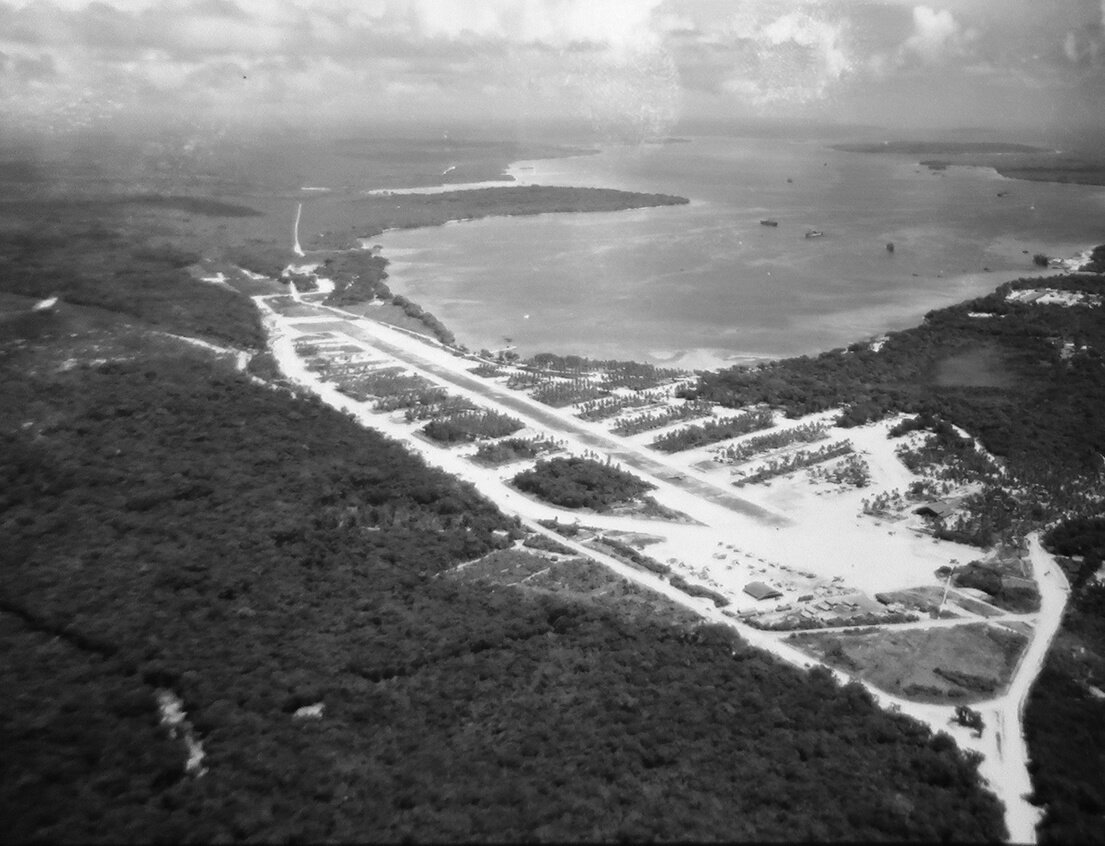
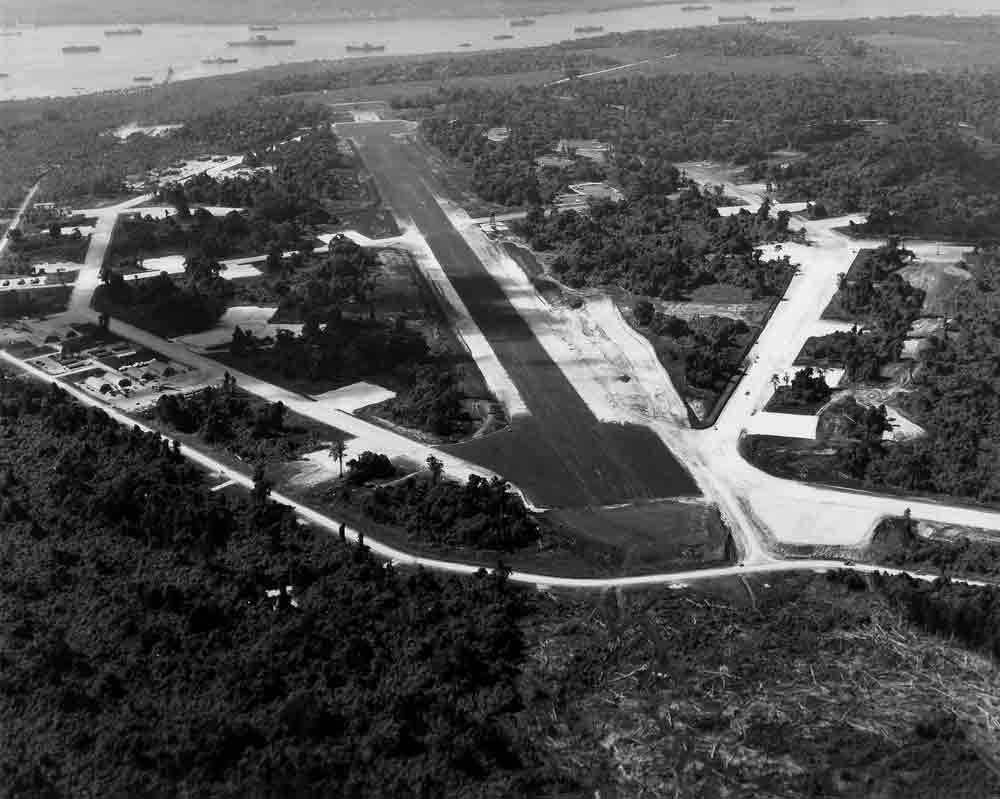
In June 1942, a small reconnaissance party identified Santo as a suitable location for an advanced airfield. Within days, Seabees, Marines and Army personnel began work at Turtle Bay under immense pressure. With minimal equipment and limited time, they cleared and surfaced a 6,000-foot runway using coral.
Just twenty days later, aircraft were landing.
This rapid construction provided immediate support to the Guadalcanal campaign, allowing Allied aircraft to strike Japanese positions at a critical moment in the war.
A network of airfields
As operations expanded, so too did Santo’s air infrastructure.
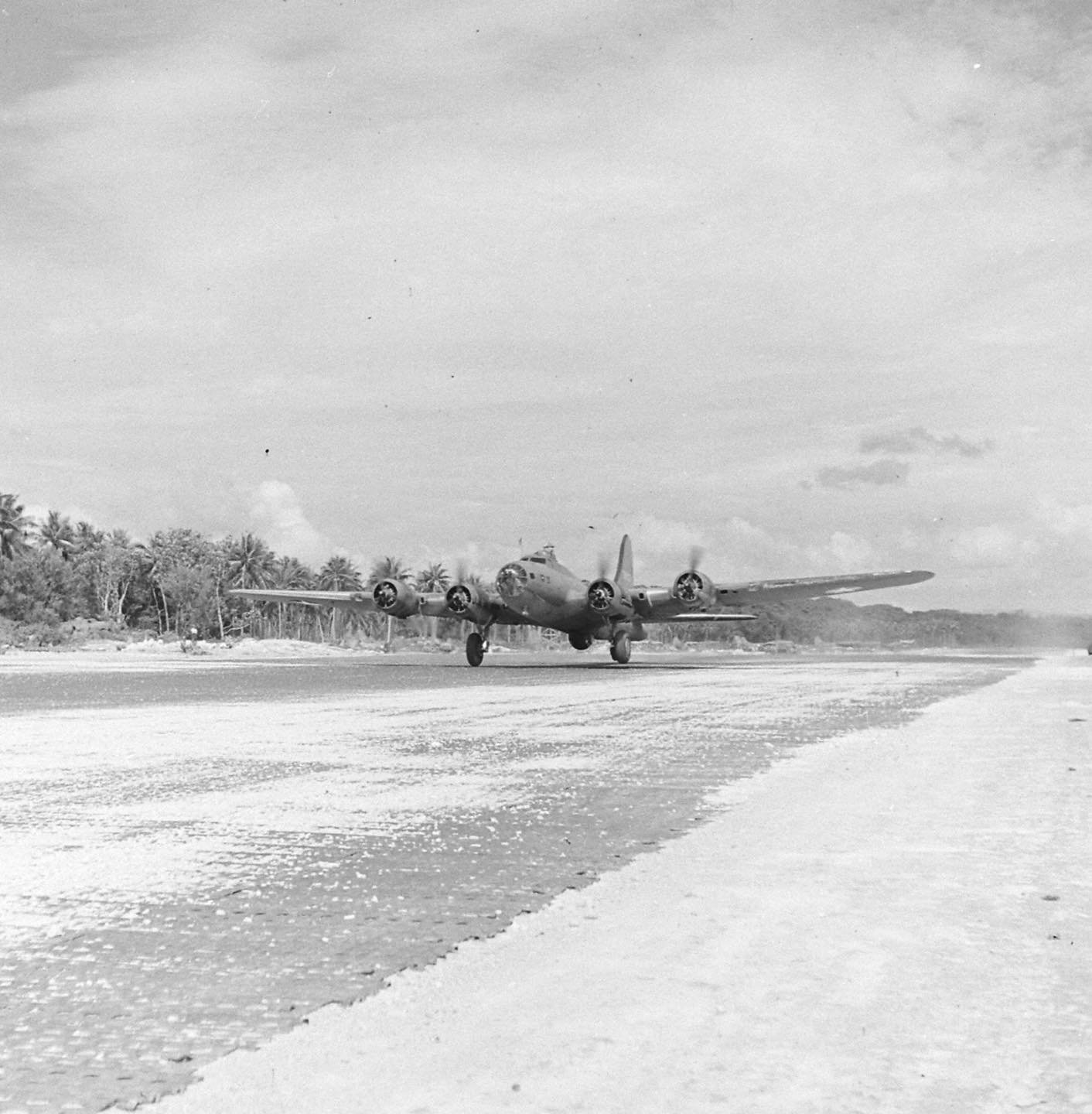
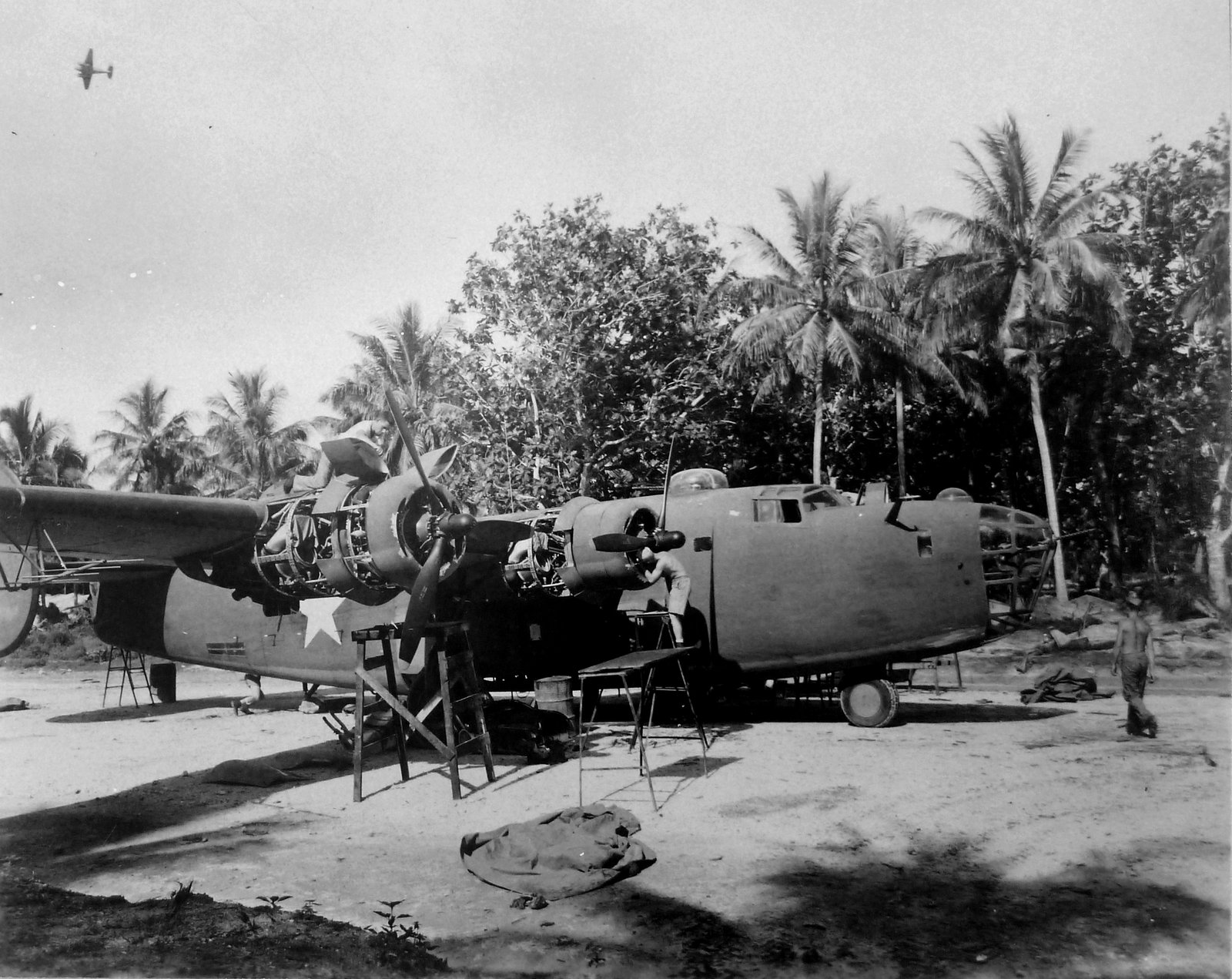
Additional fighter and bomber strips were constructed at Pallikulo Bay and Pekoa. These included steel-matted runways, extensive taxiways, revetments and support facilities. By late 1942, the island was capable of supporting heavy bombers, fighters and transport aircraft operating across the South Pacific.
The speed and scale of construction was extraordinary. Entire airfields were cut from dense jungle in a matter of weeks, often in extreme weather and with limited machinery.
Base Button and the logistics machine
As the war intensified, Santo evolved into far more than an air base. It became one of the most important logistical centres in not only the South Pacific, but the wider Pacific region.
At the heart of this transformation was Base Button — a vast naval supply and service base that enabled the United States Pacific Fleet to operate continuously without returning to distant ports.
Here, ships could:
Refuel from extensive tank farms
Re-arm from massive ammunition depots
Receive provisions and equipment
Undergo essential repairs
This capability fundamentally changed the nature of naval warfare in the Pacific, allowing Allied forces to maintain constant pressure on Japanese positions.
fuel and supply at scale
Fuel storage alone illustrates the scale of operations.
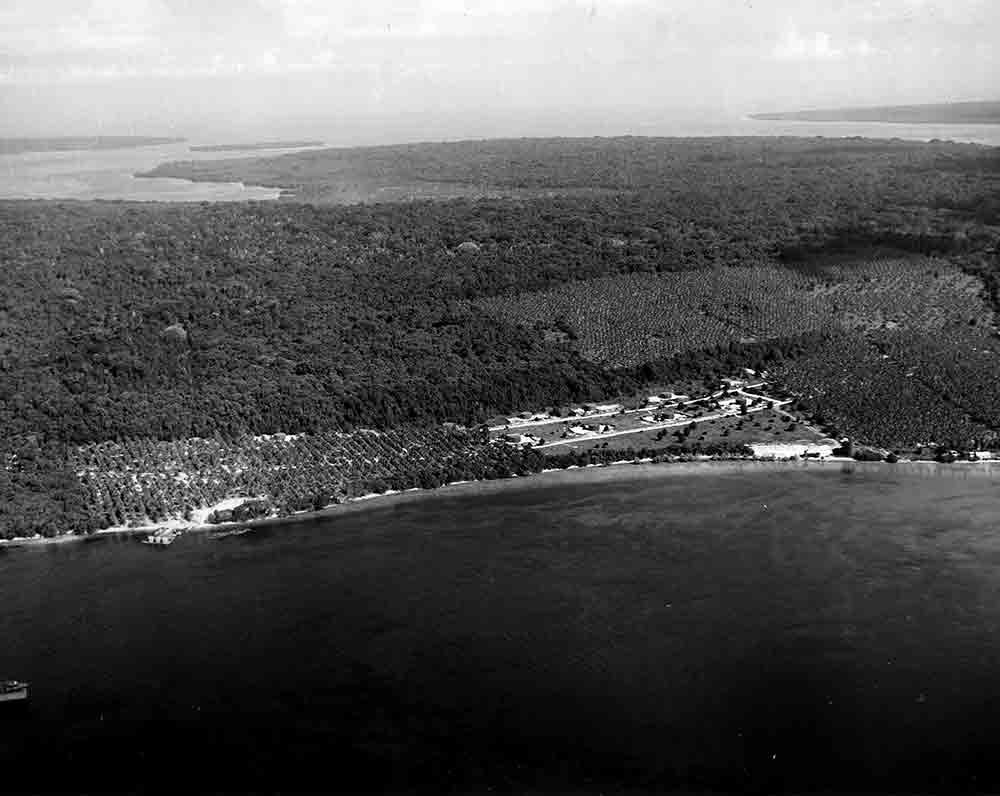
By mid-1943, dozens of large storage tanks had been constructed on Aore Island, supported by pipelines, pumps and distribution systems capable of servicing large numbers of vessels. The depot issued thousands of drums of fuel and lubricants each month, keeping ships, aircraft and vehicles operational.
Supply depots expanded rapidly, with warehouses, open-air storage and refrigeration facilities handling everything from ammunition to fresh provisions. At its peak, Santo supported hundreds of vessels, from small patrol craft to major warships.
Repair and maintenance
Santo also became a critical repair hub.
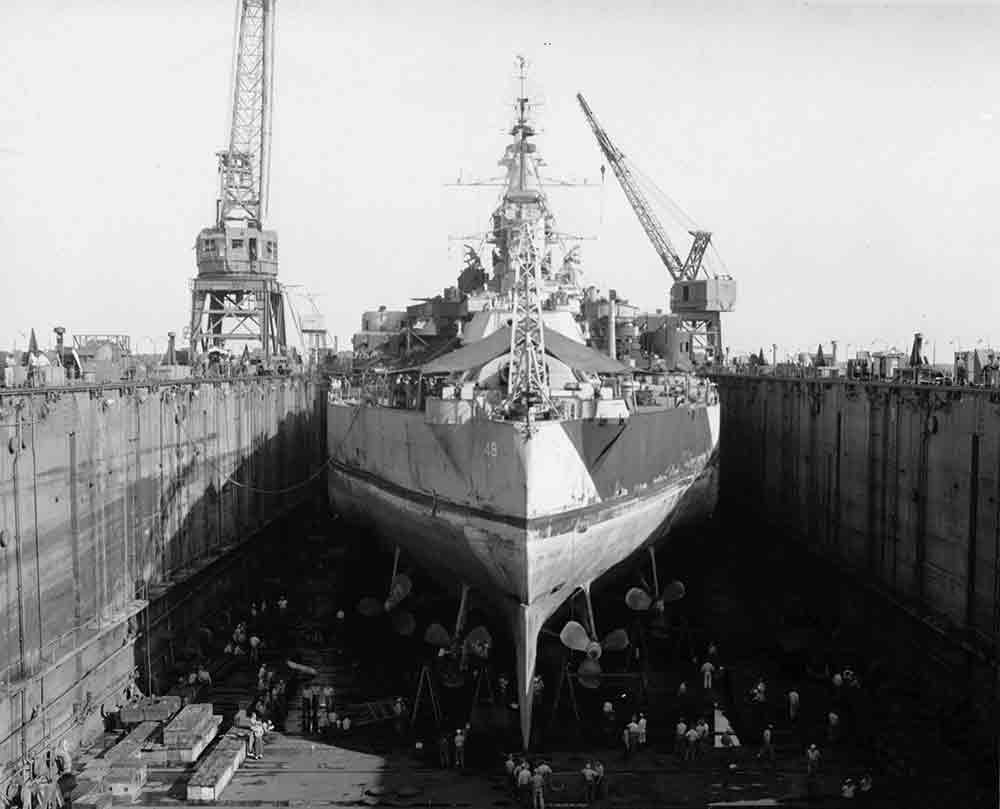
Floating dry docks, including the massive ABSD-1, enabled ships to undergo repairs that would otherwise have required a return to the United States or Hawaii. Alongside these were smaller docks and repair units capable of servicing a wide range of vessels.
From routine maintenance to battle damage, the facilities at Santo ensured that ships could return to service quickly — a vital advantage in a fast-moving war.
A city in the jungle
Beyond its operational role, Santo became a vast, self-contained military city.
Hospitals, camps, workshops, roads and utilities were constructed across the island. Thousands of personnel lived and worked in conditions that were often challenging, yet essential to sustaining the Allied advance.
At its peak, Santo was the busiest and most important base in the South Pacific.
The war moves on
As the war progressed north and west, Santo’s role began to change. By 1944, the front lines had moved beyond the range of its airfields, and many facilities were reduced, relocated or dismantled.
By 1946, the base was officially disestablished.
Yet for a crucial period in the war, Espiritu Santo had been indispensable — the engine that powered the Allied advance across the Pacific.