Coolidge Exhibition
A story raised
from the deep
A Permanent Monument
to a Famous Ship
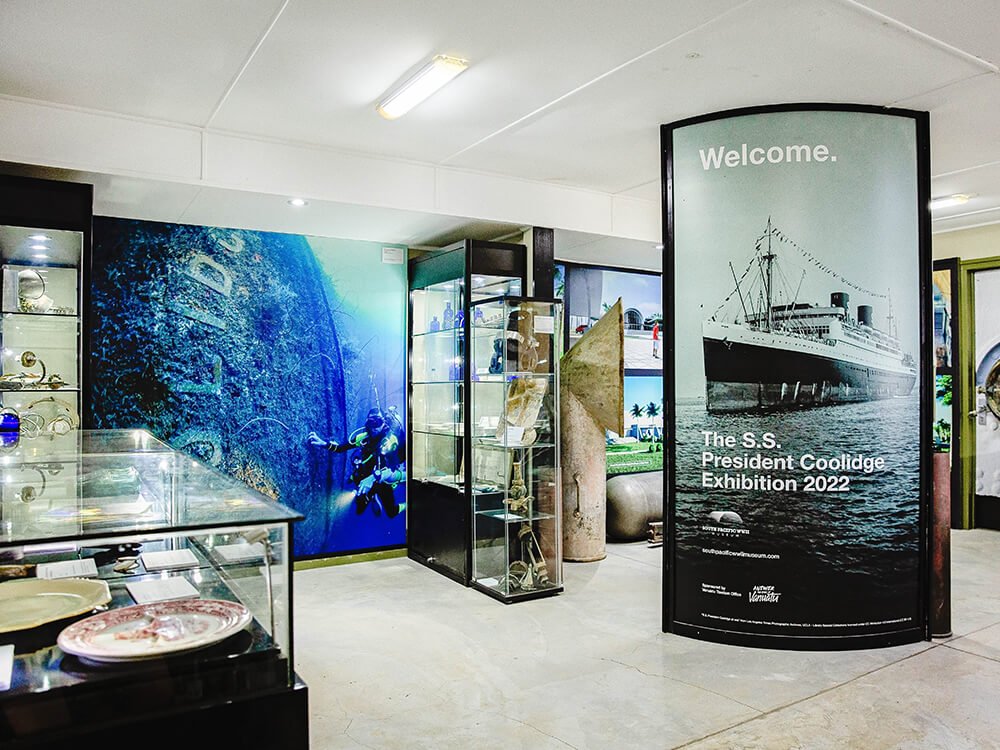
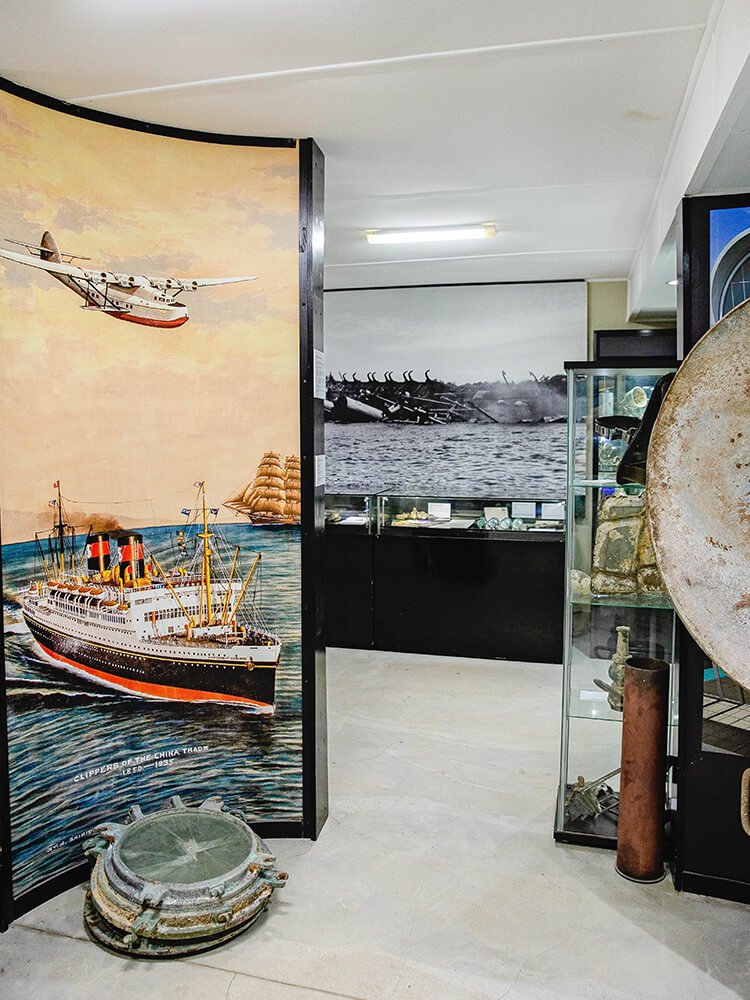
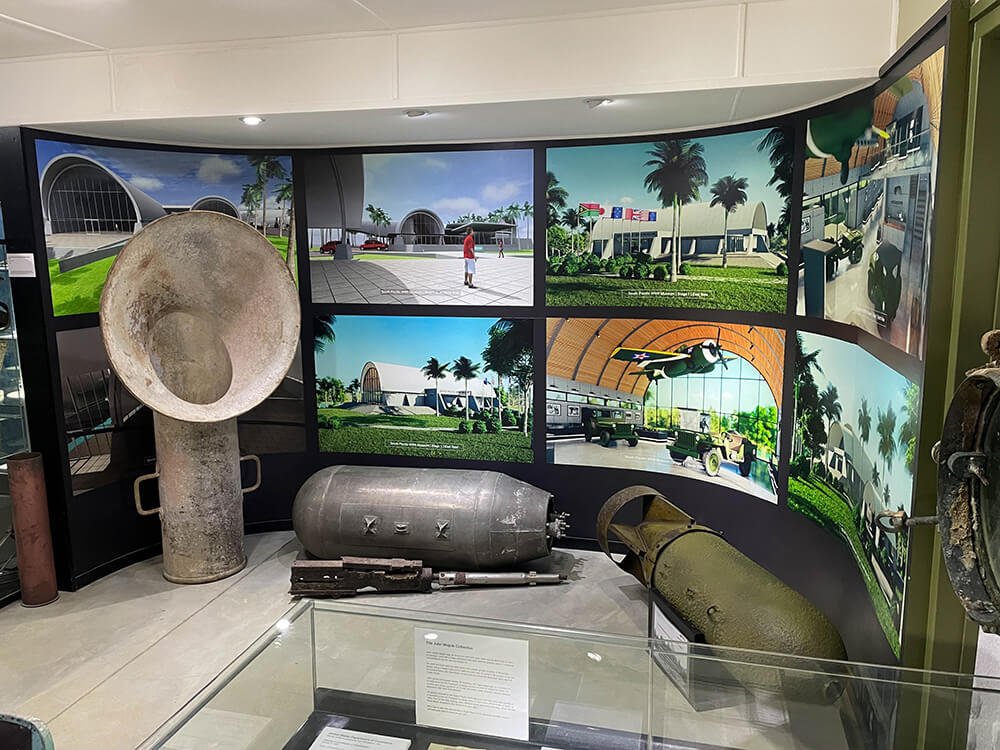
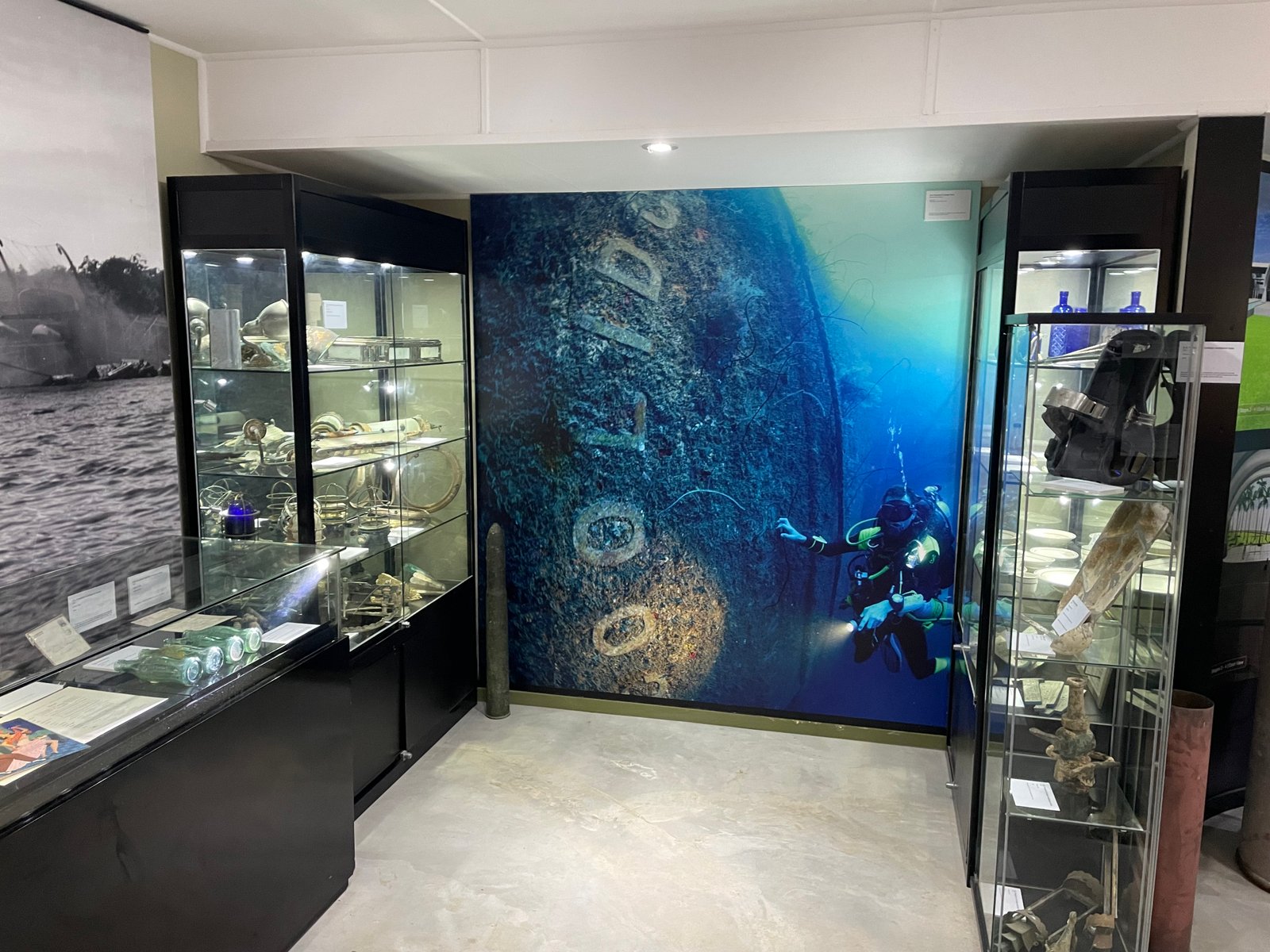
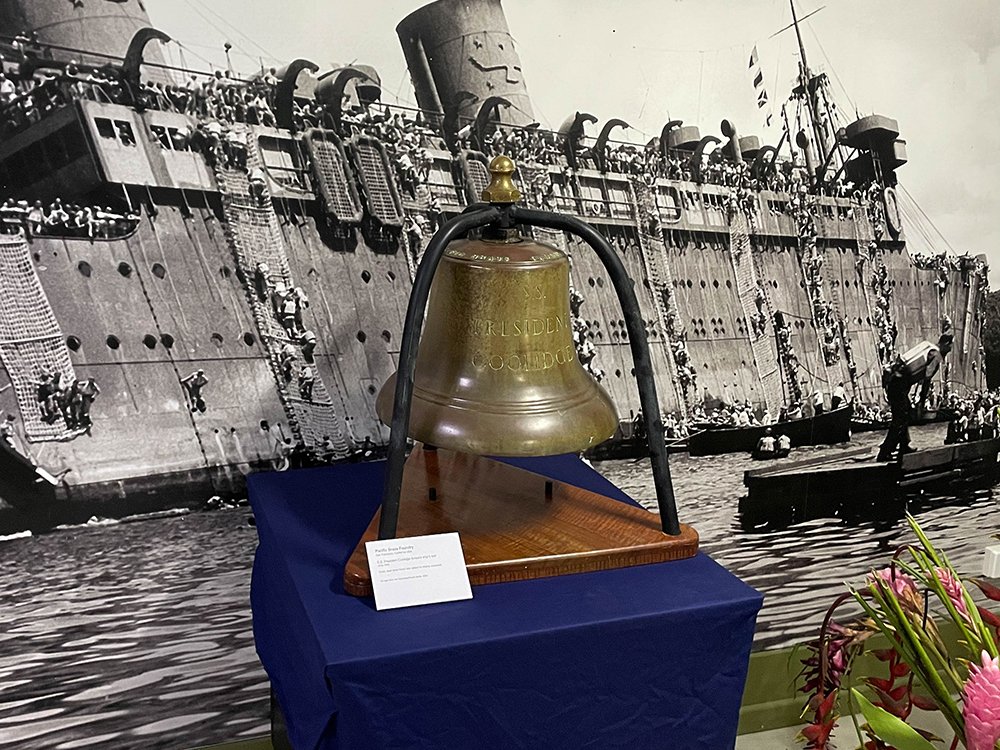
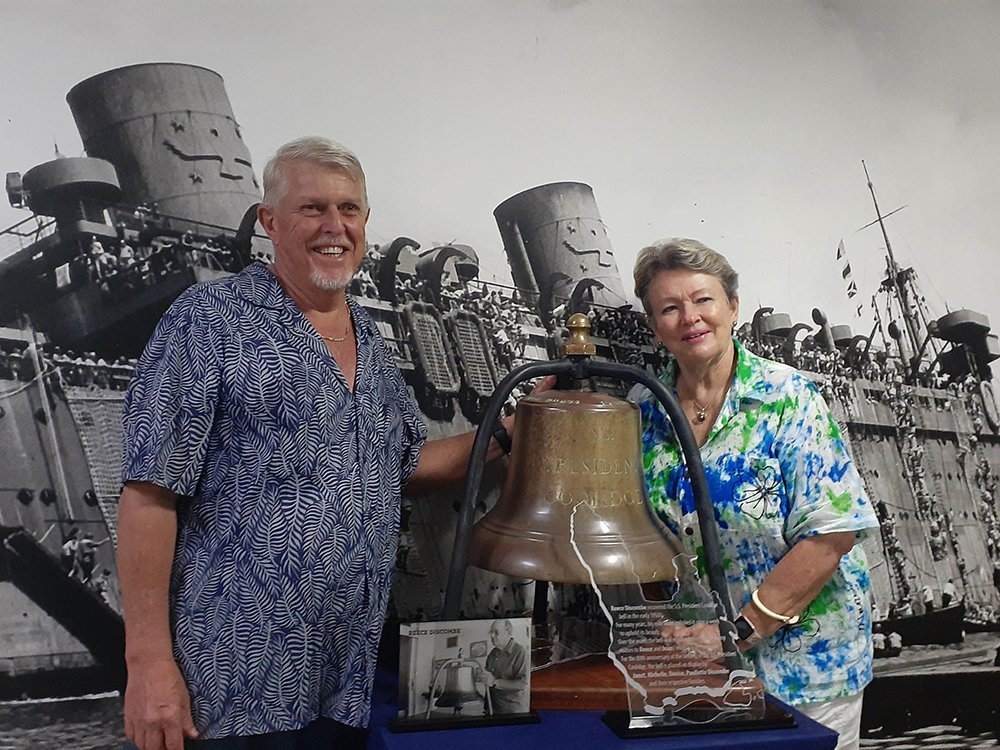
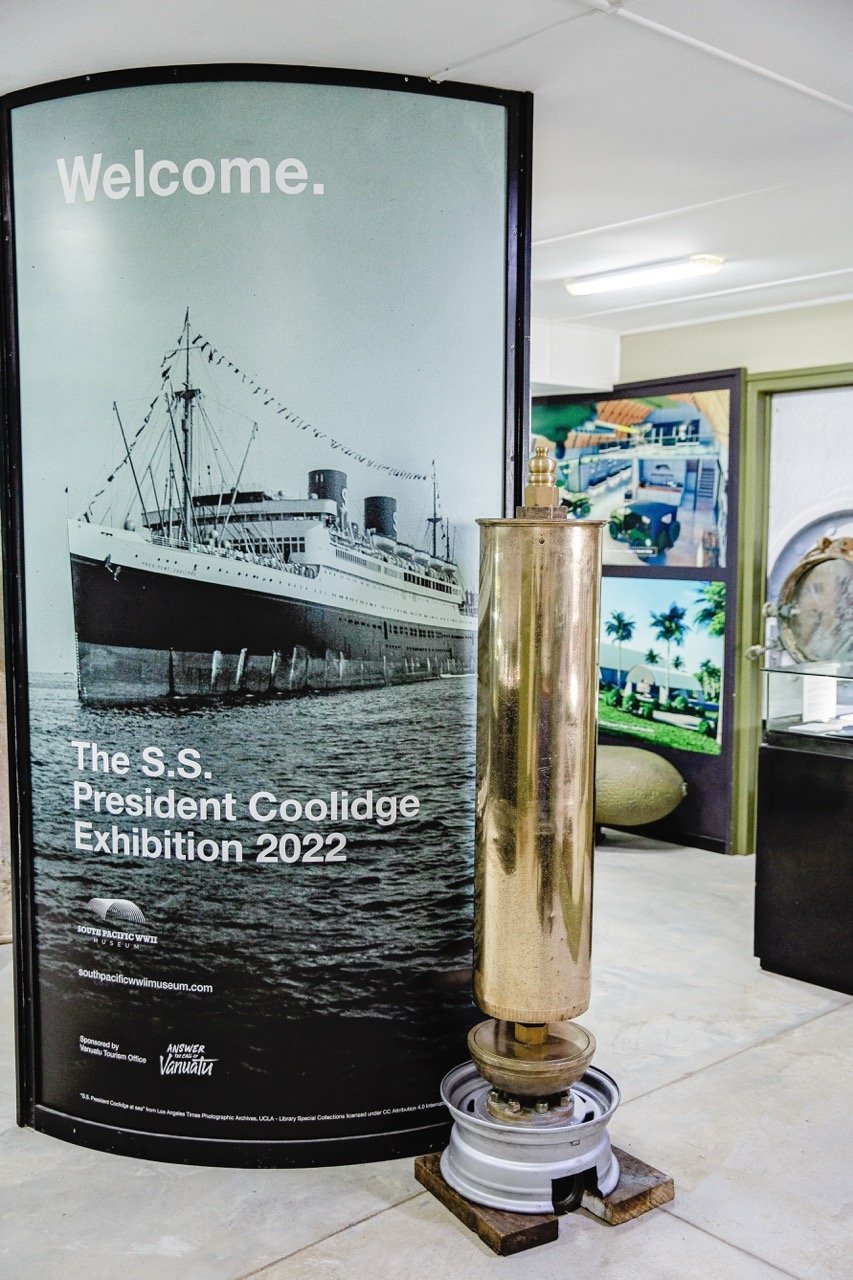
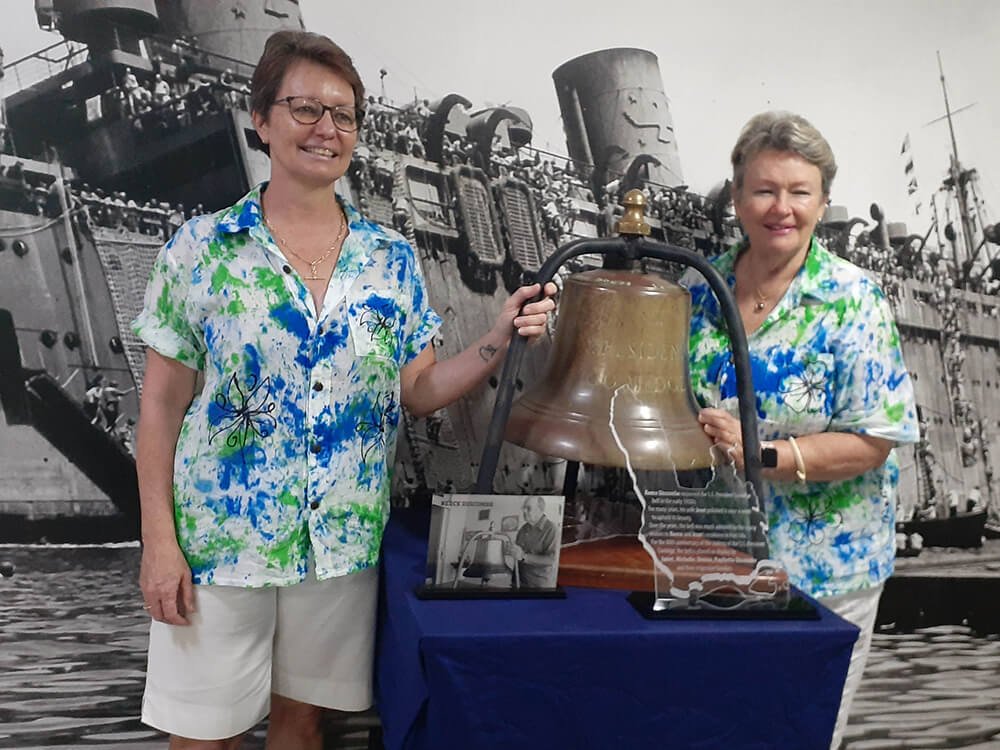
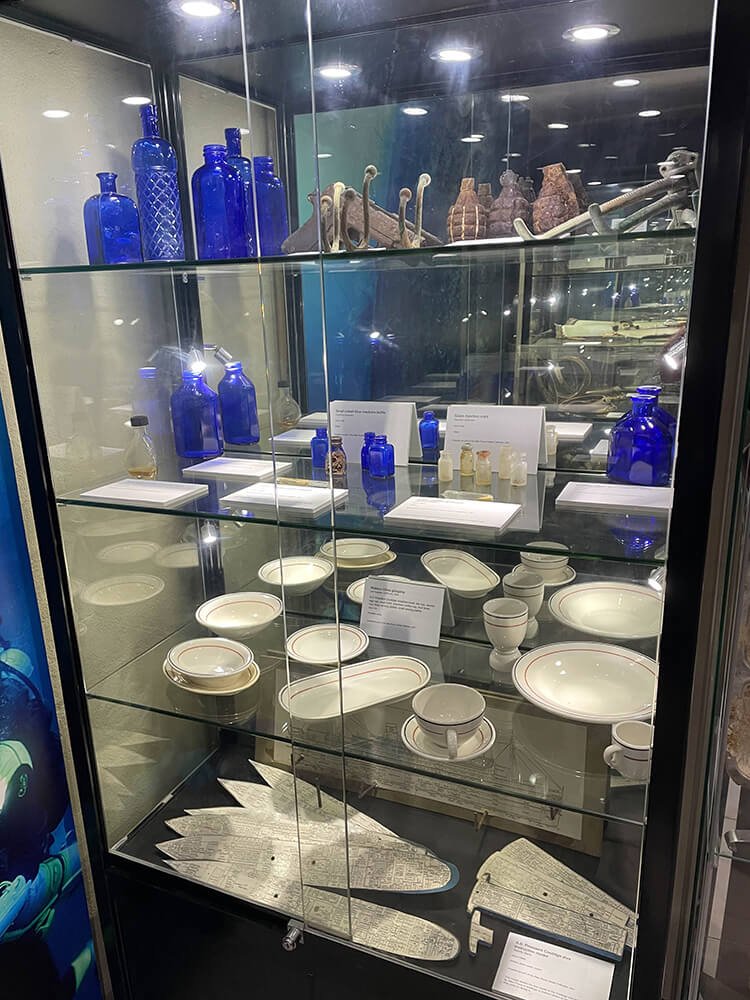
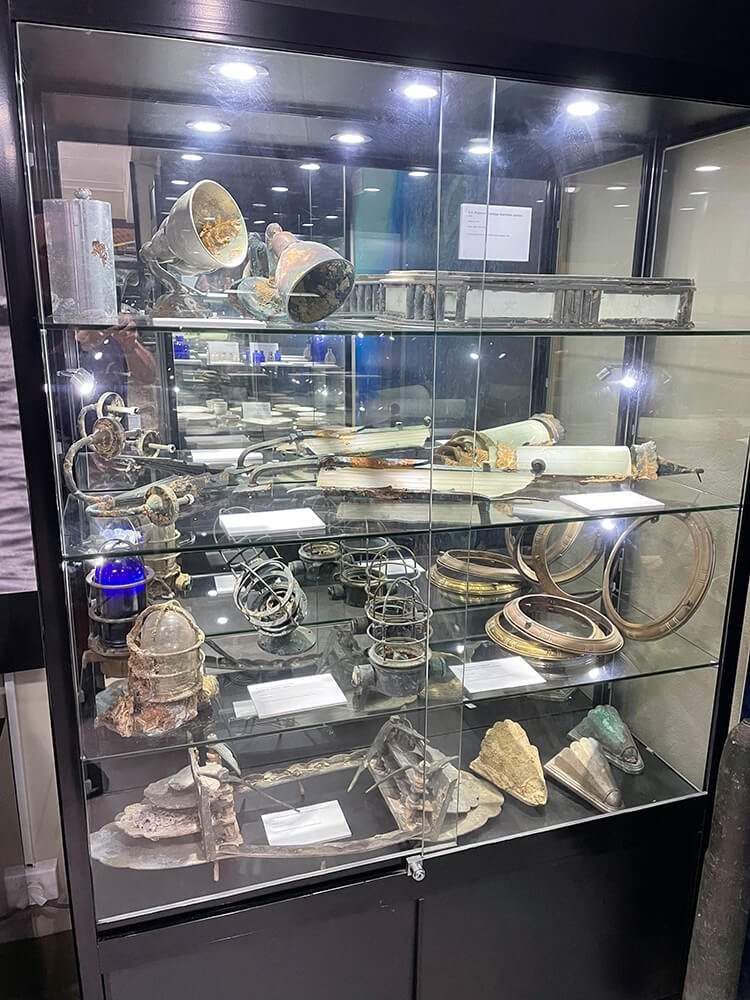
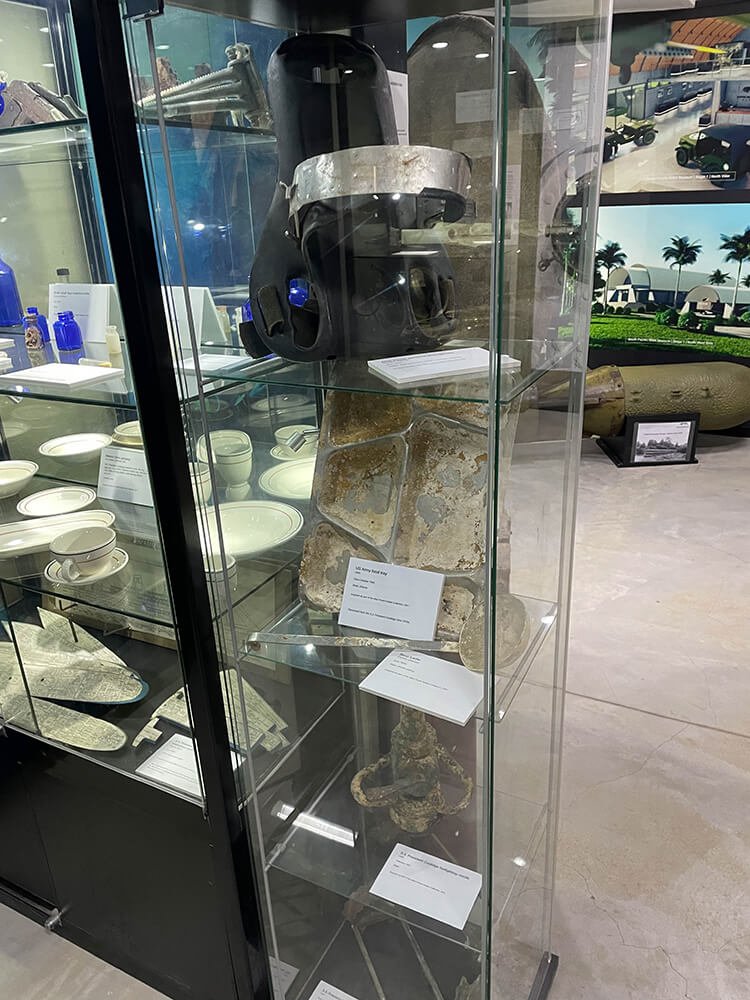
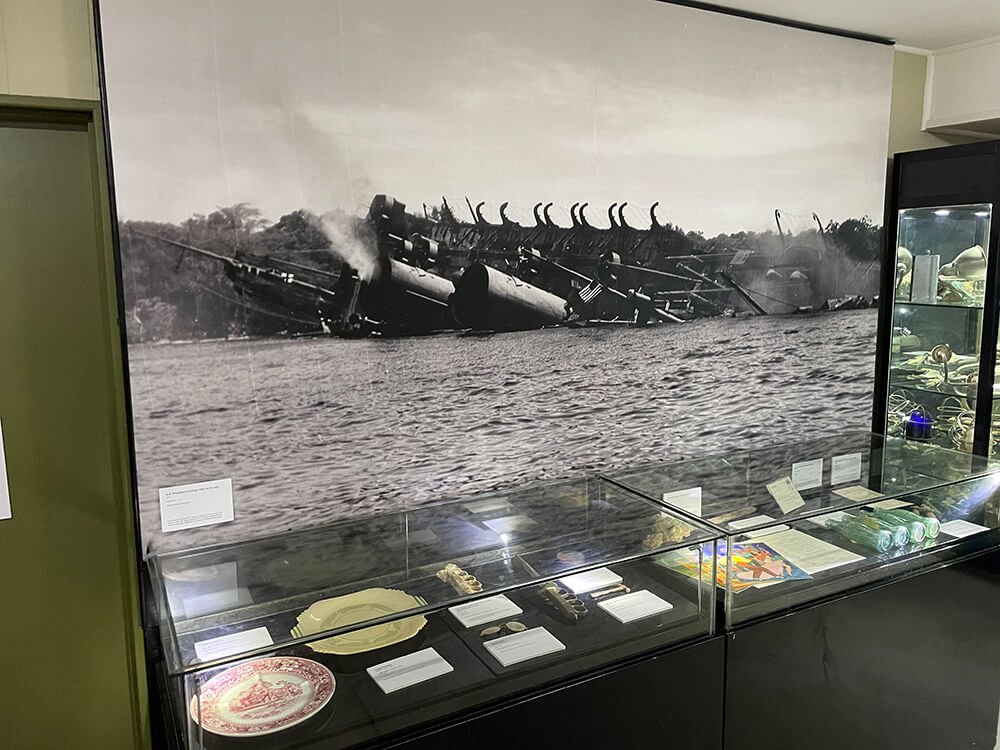
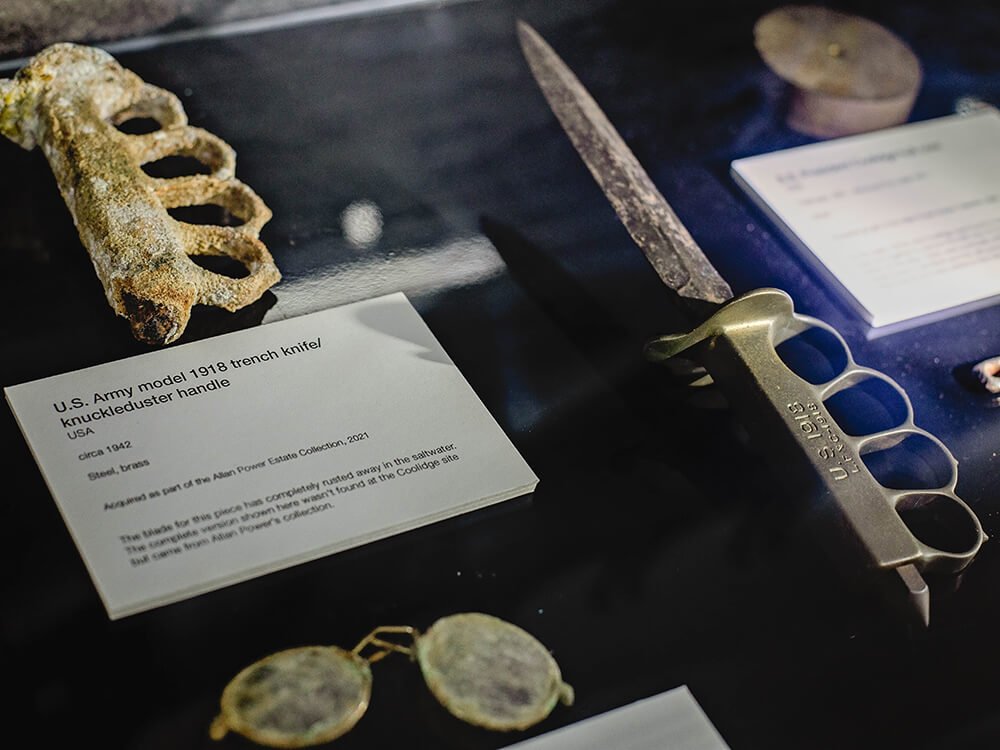
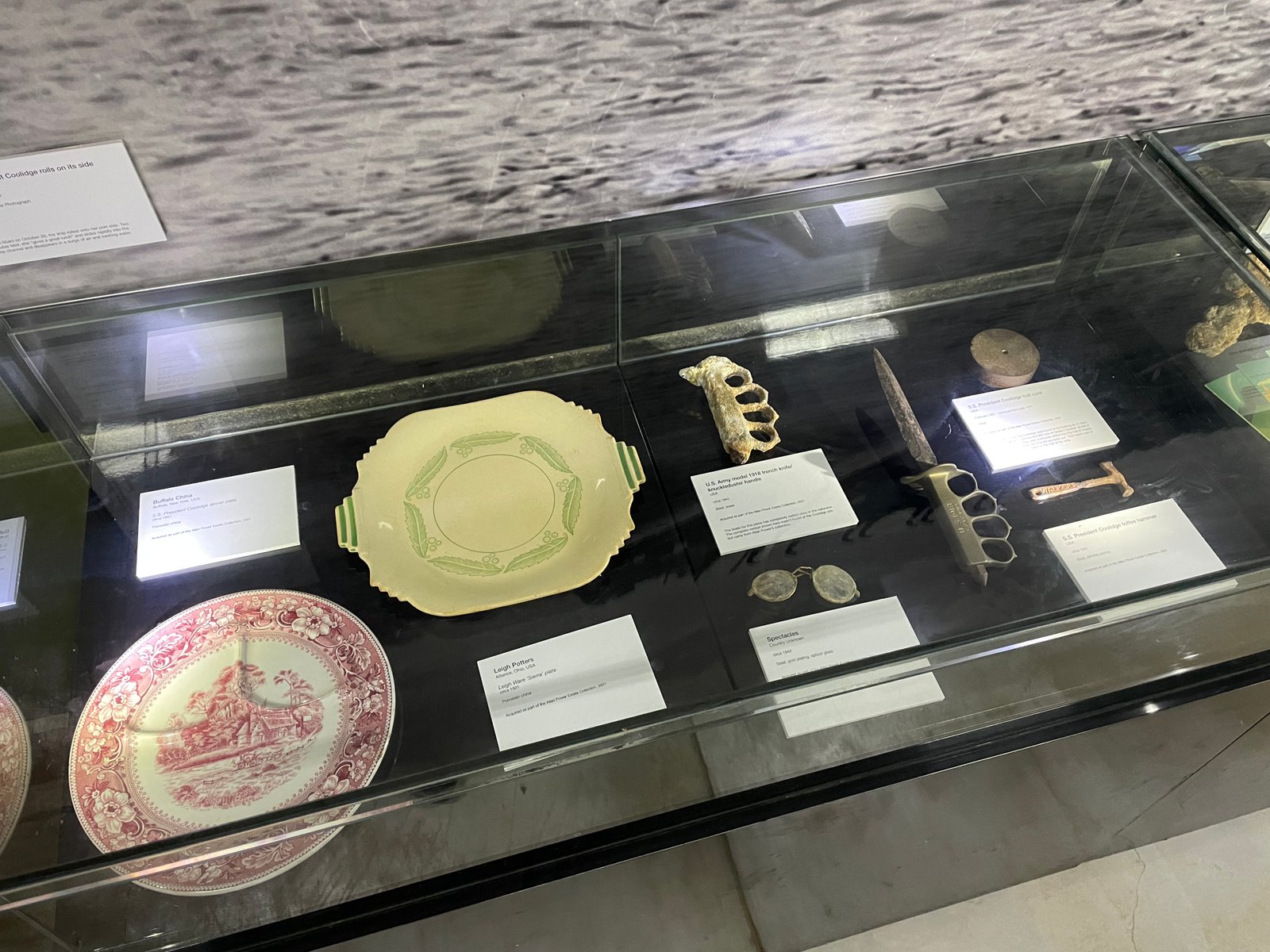
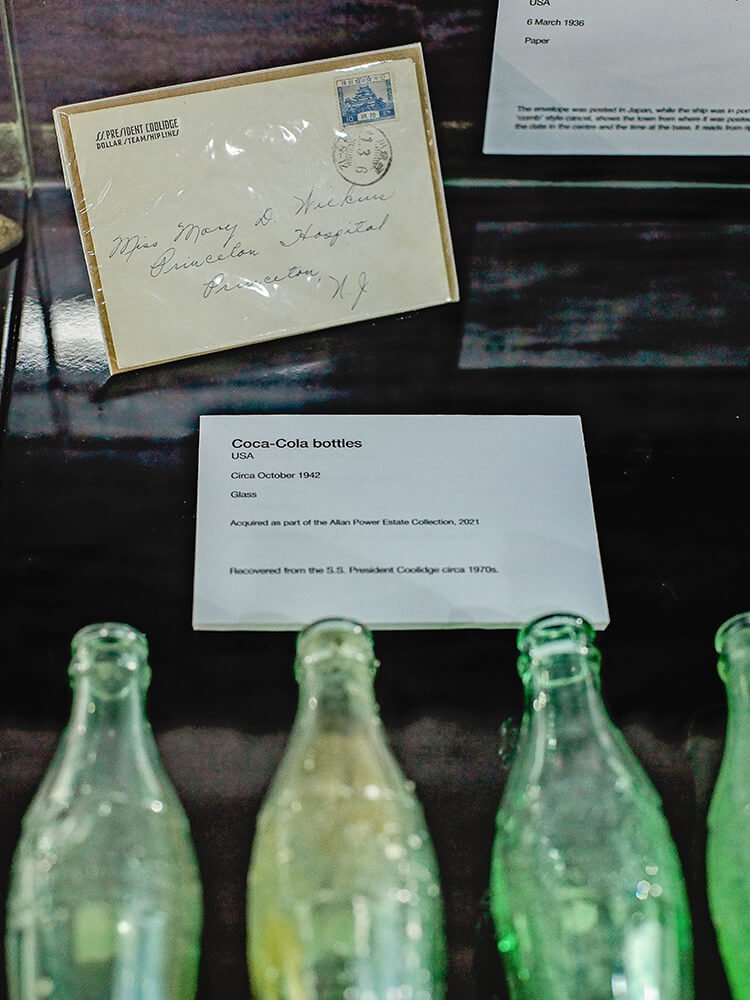
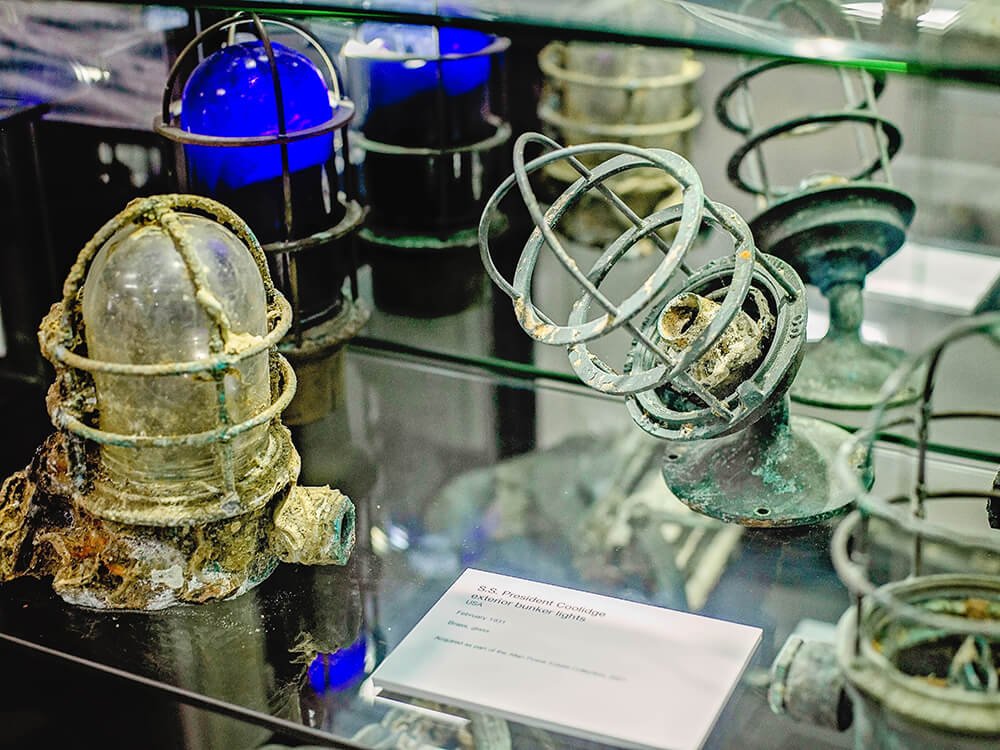
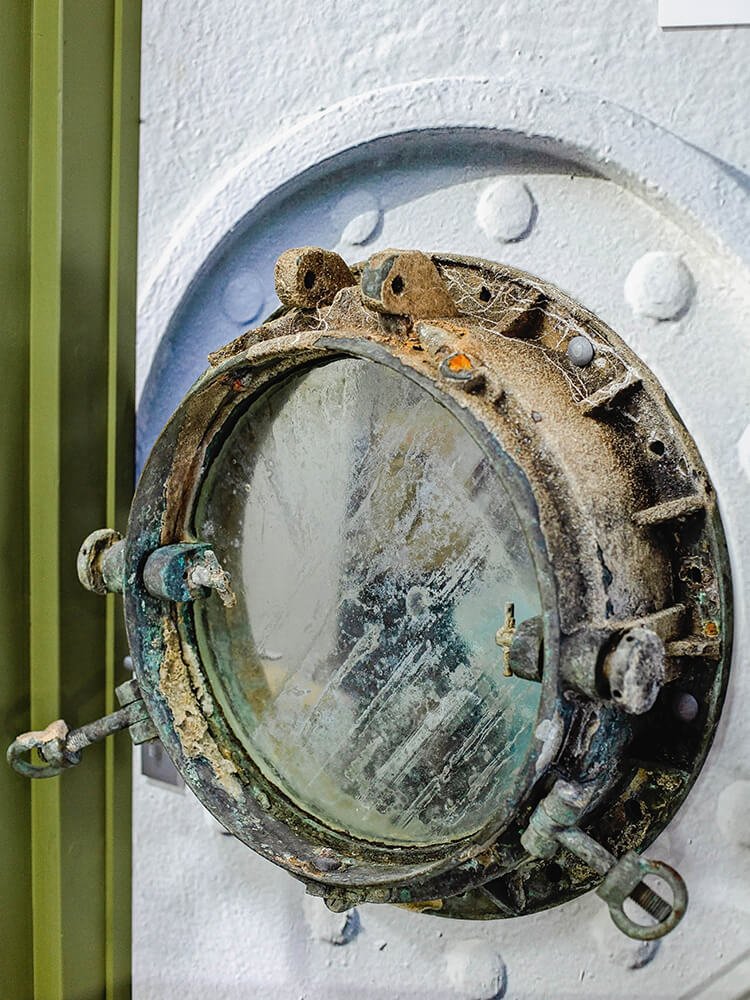
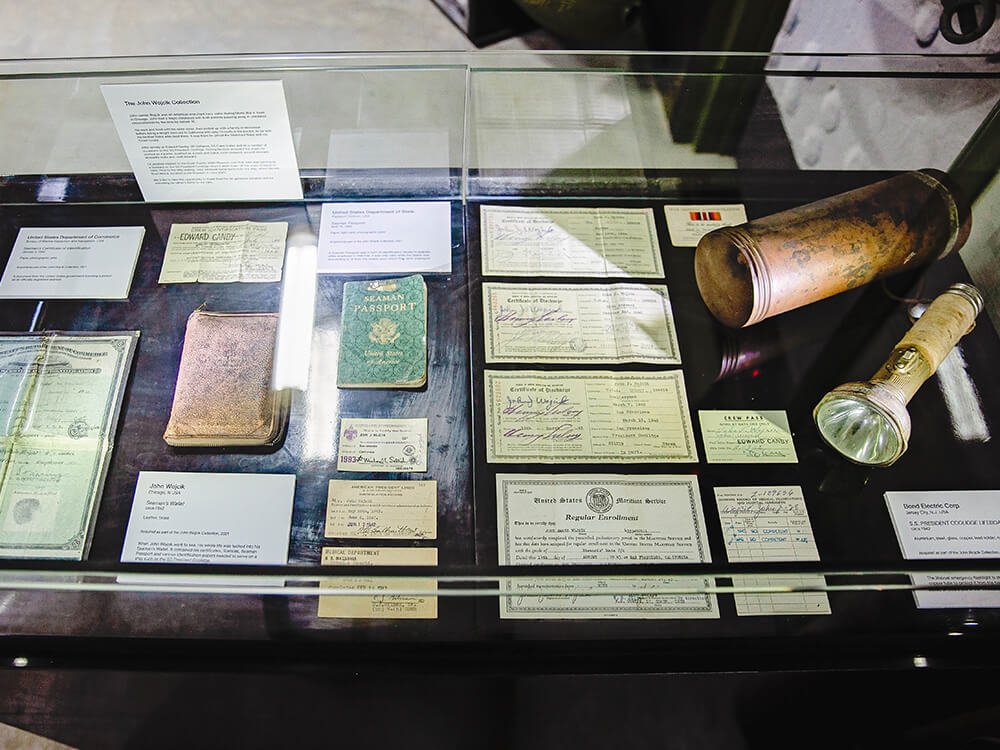
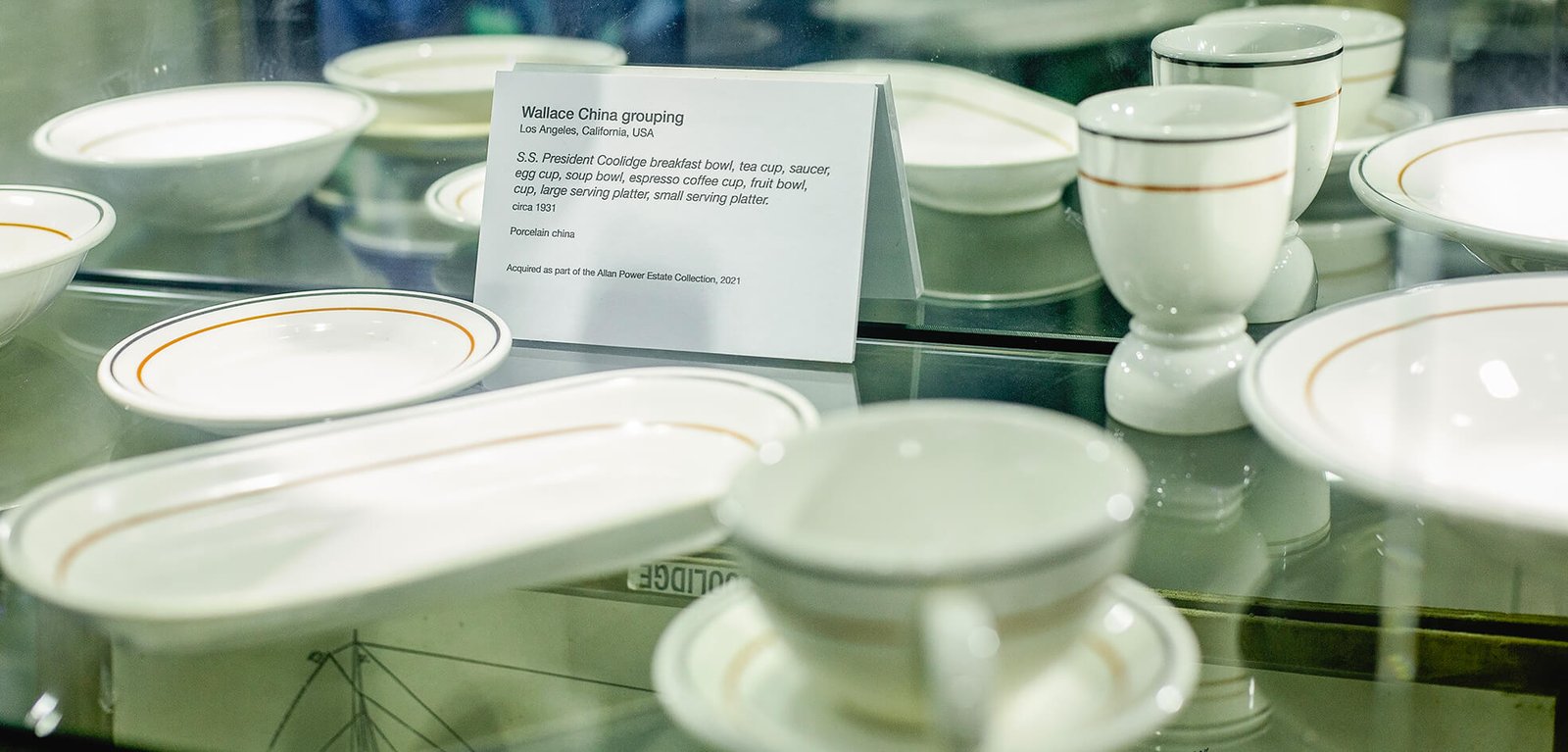
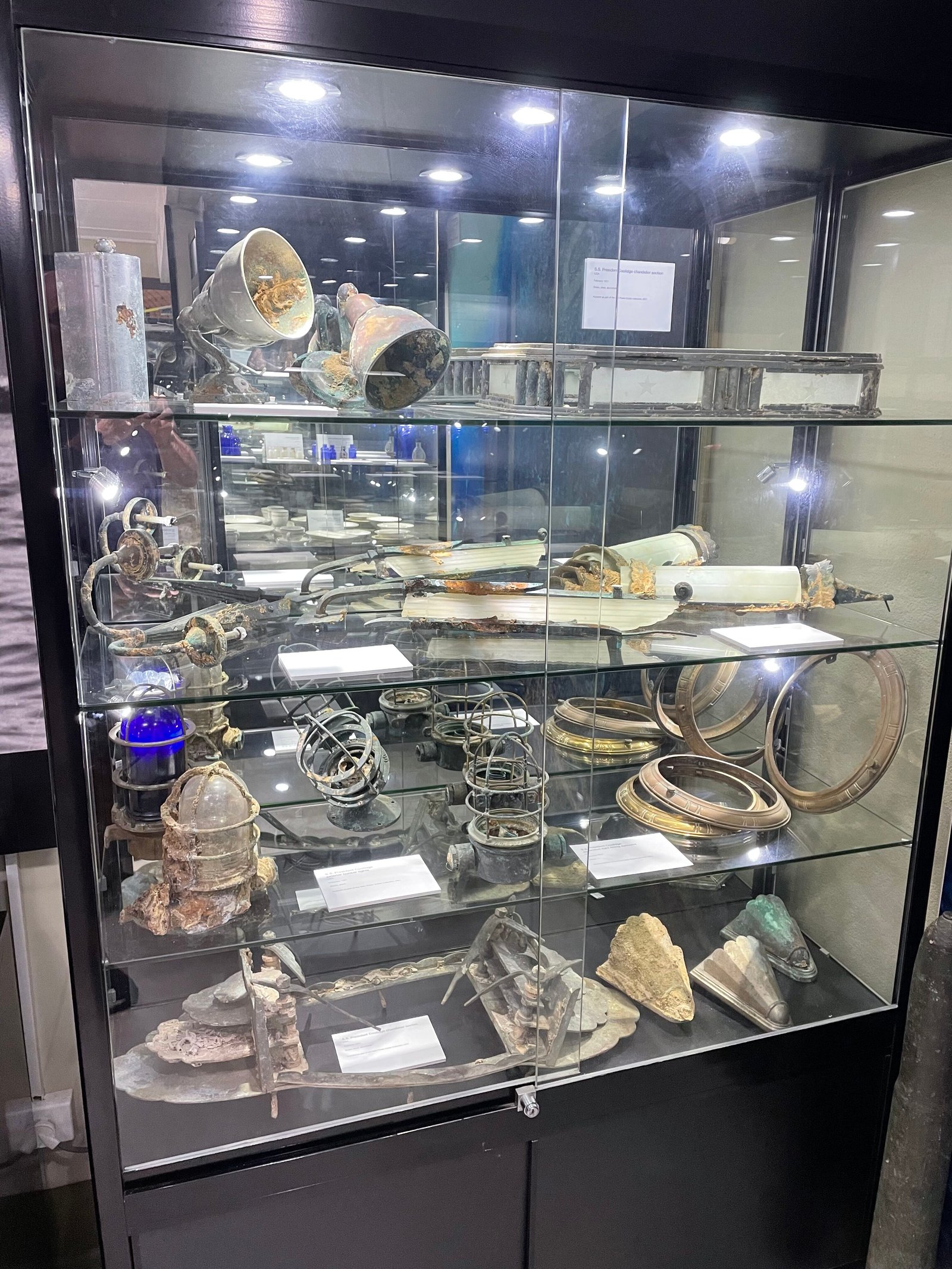
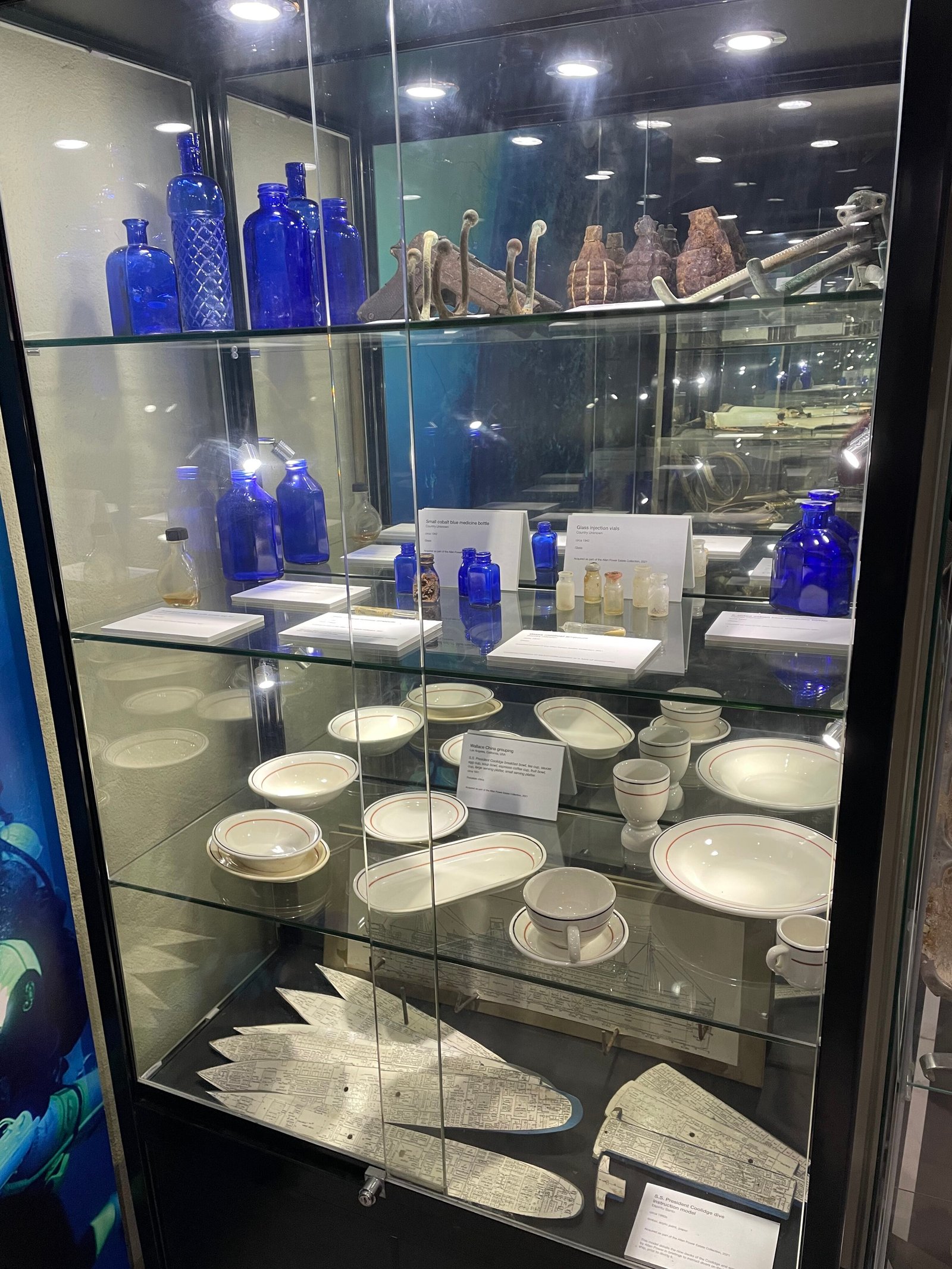
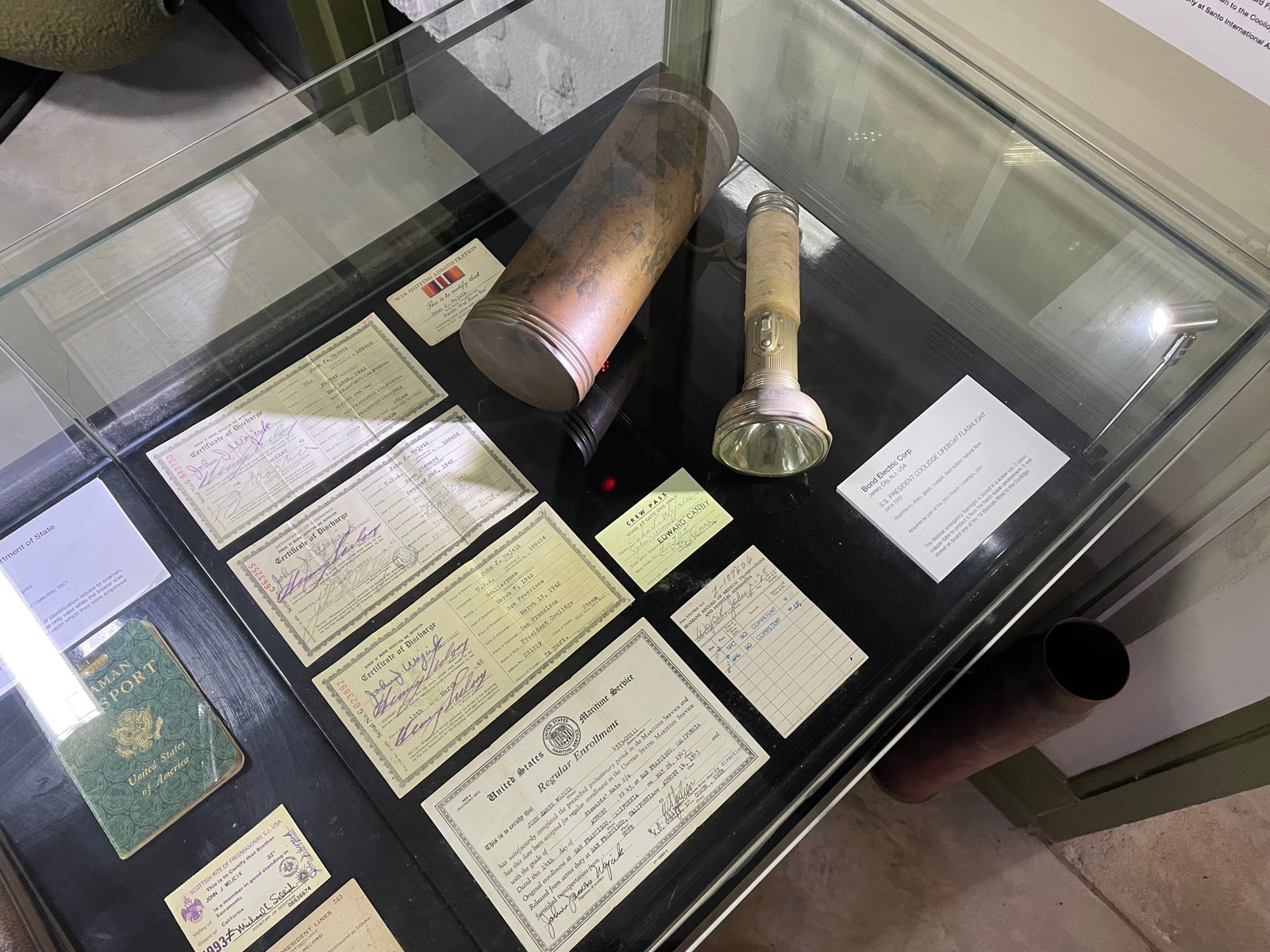
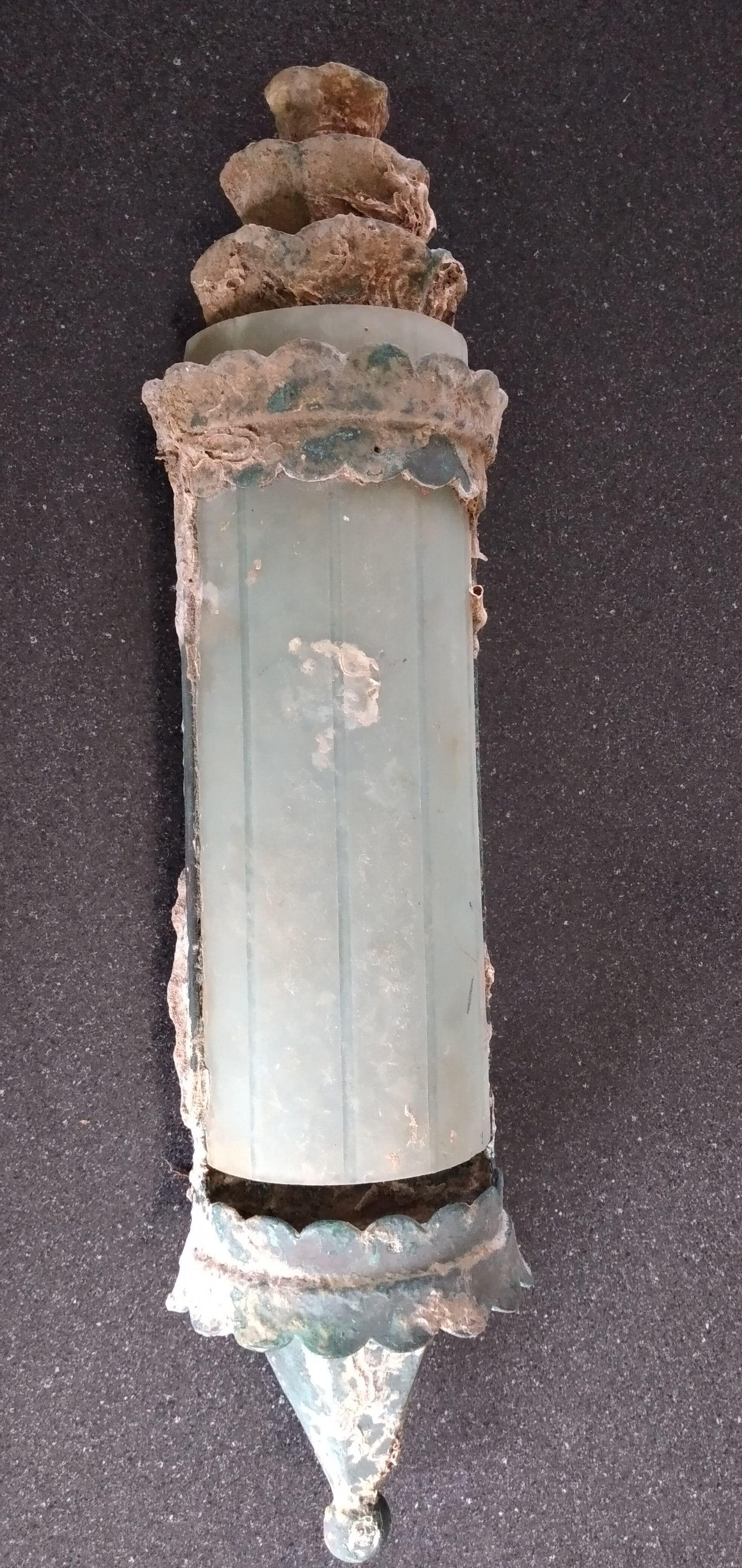
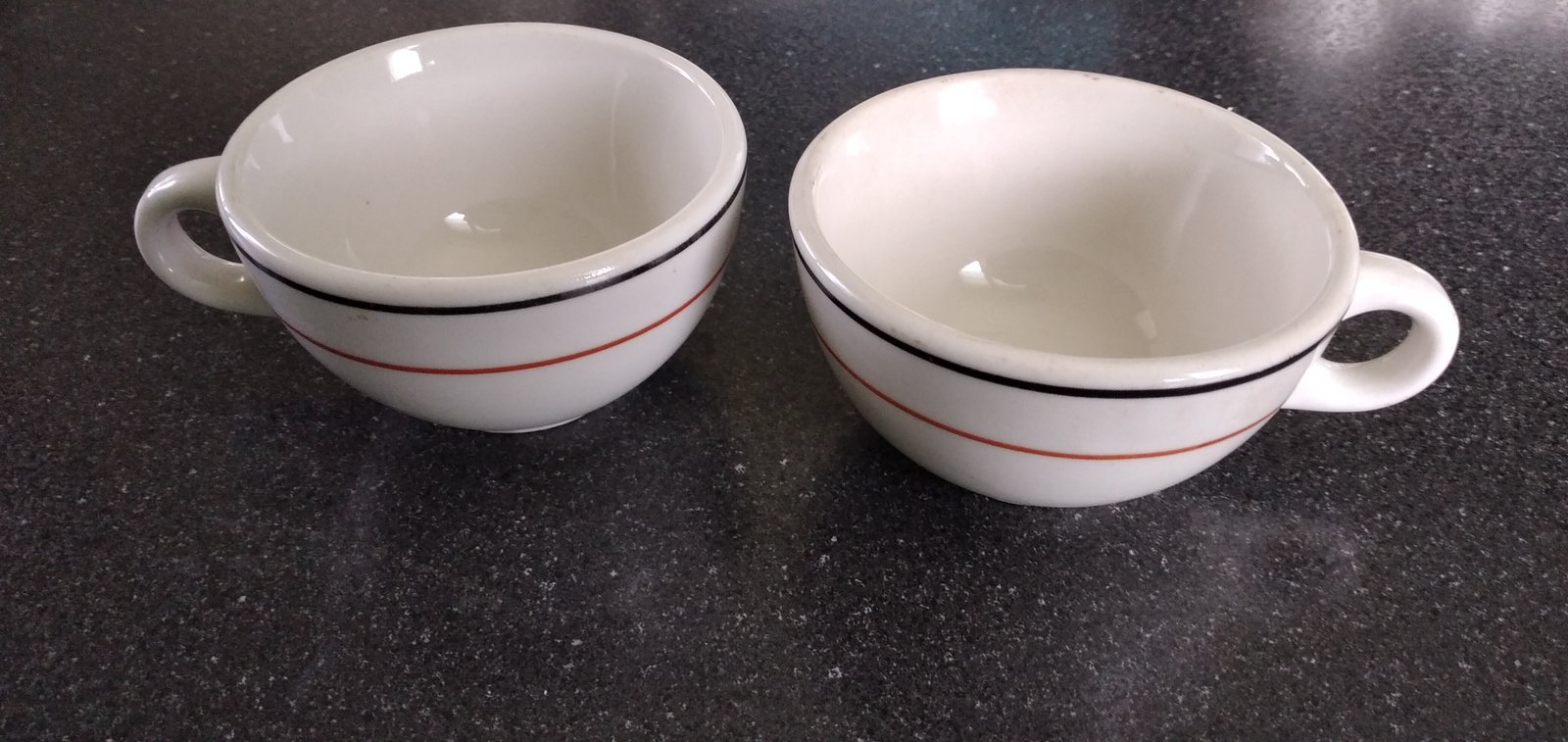
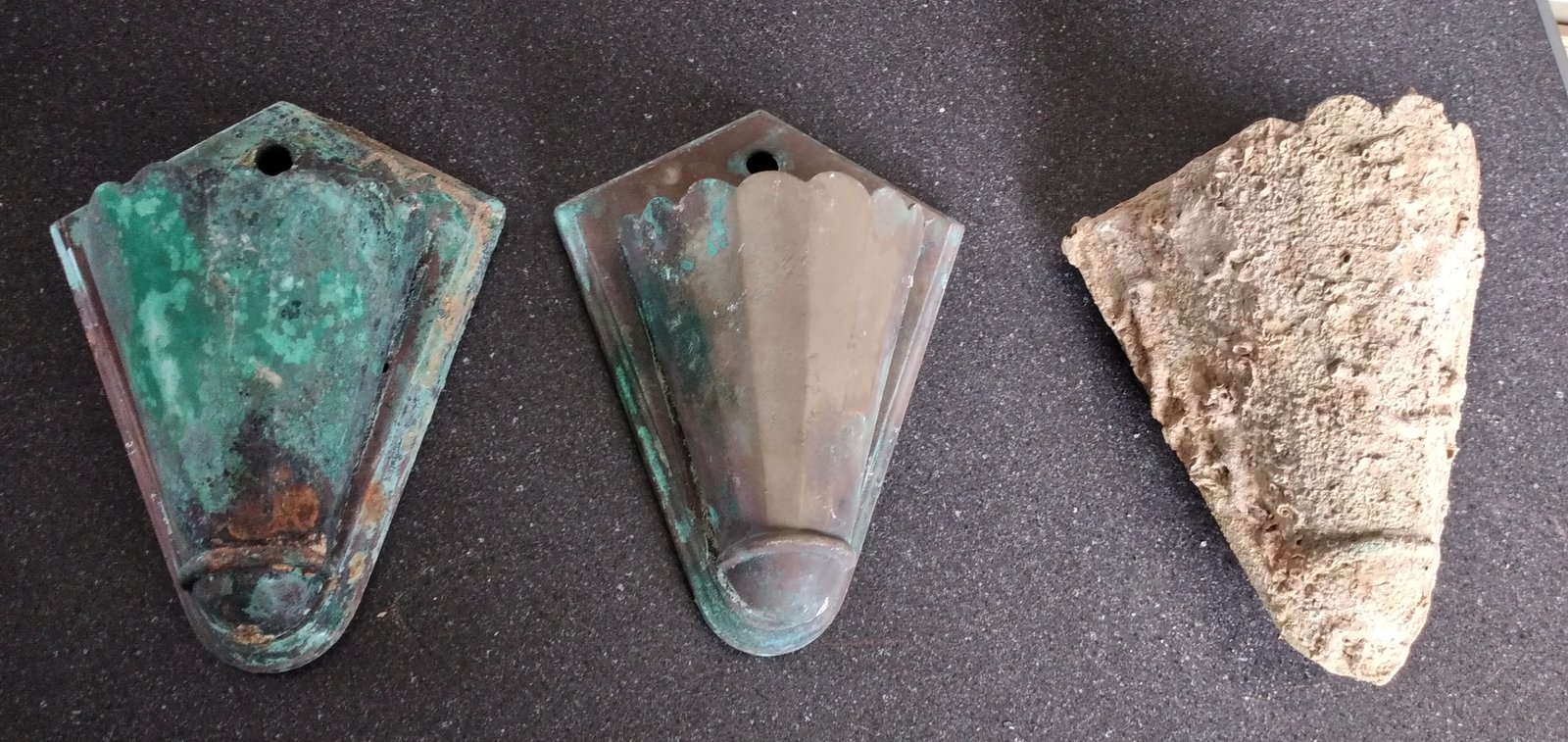
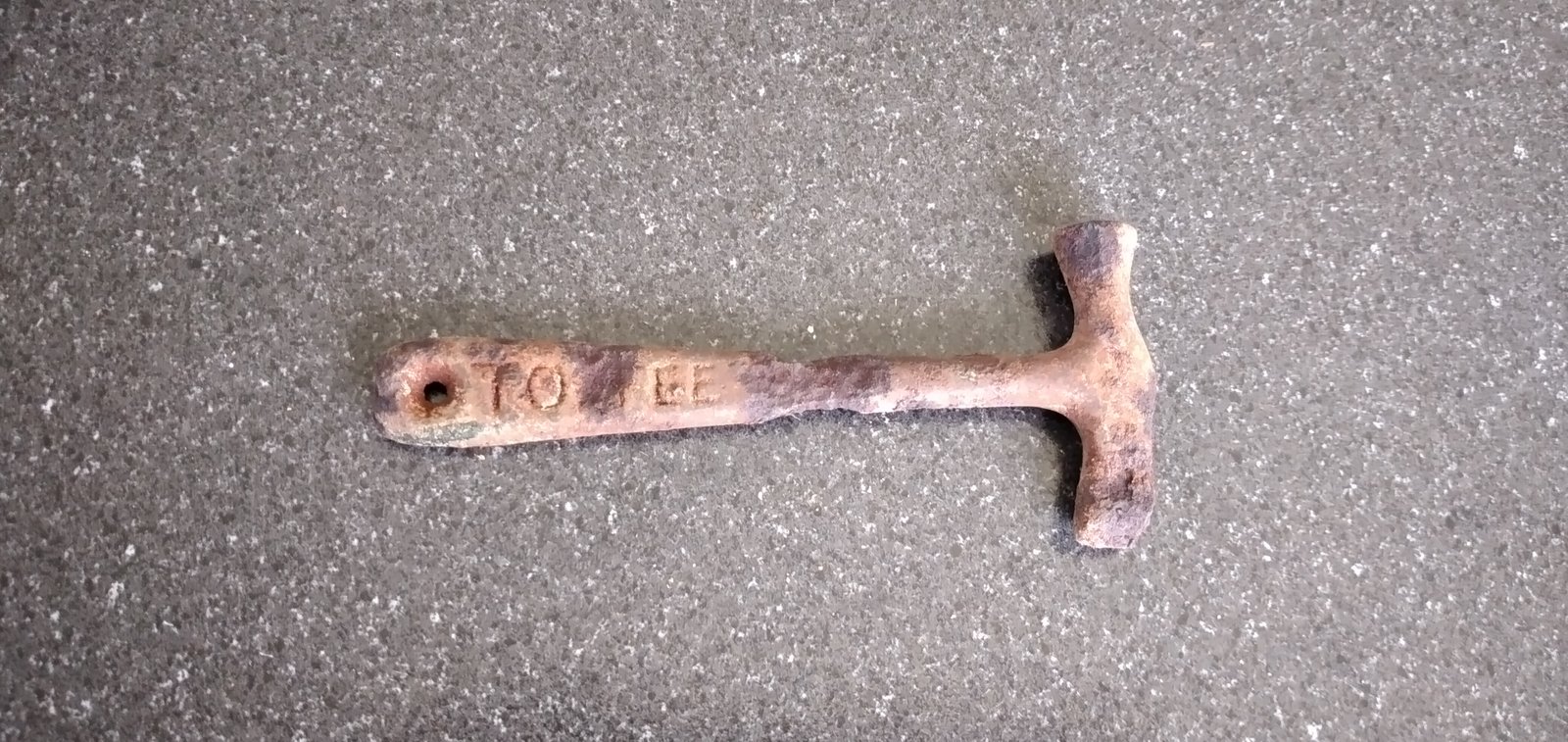
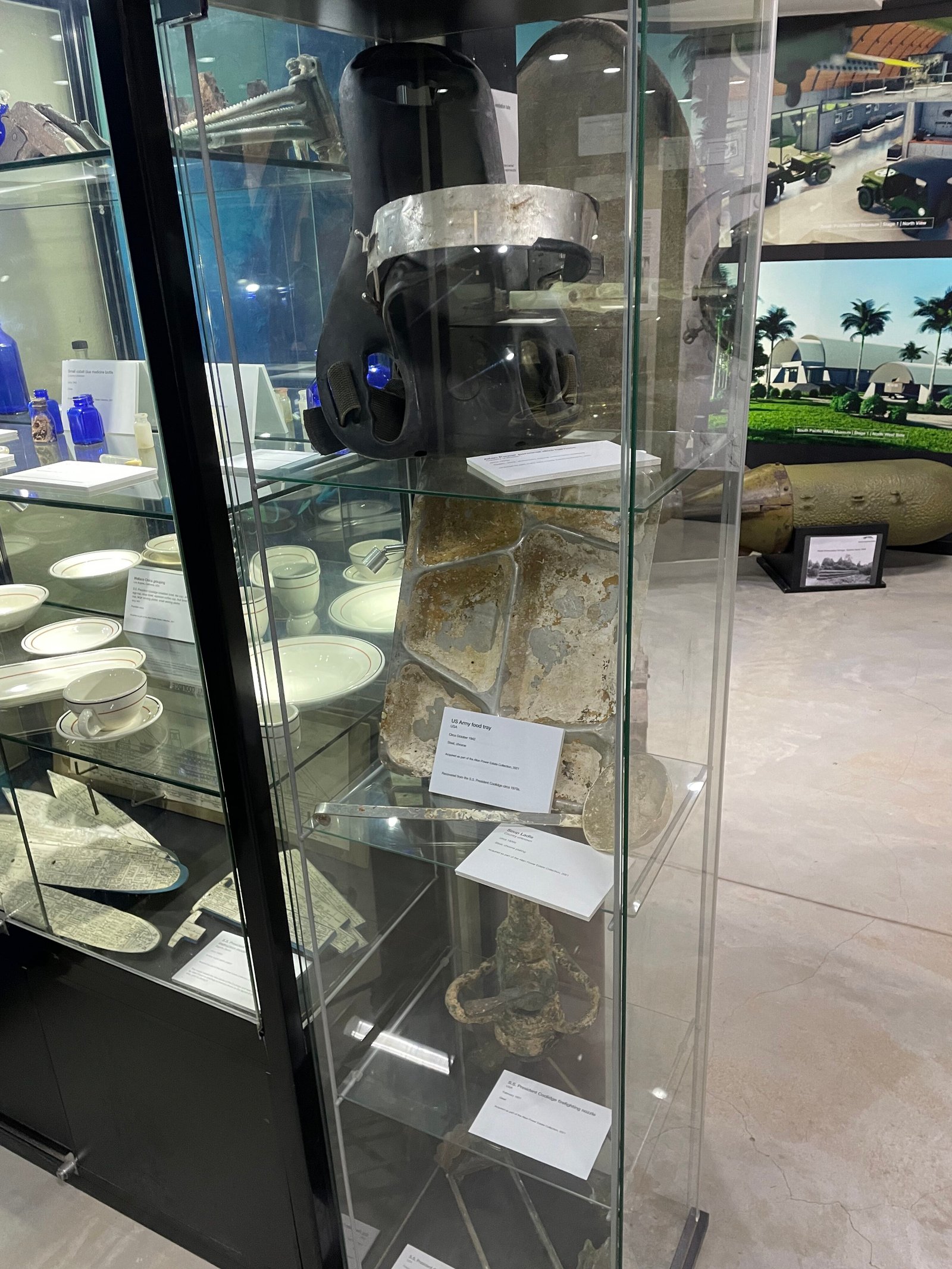
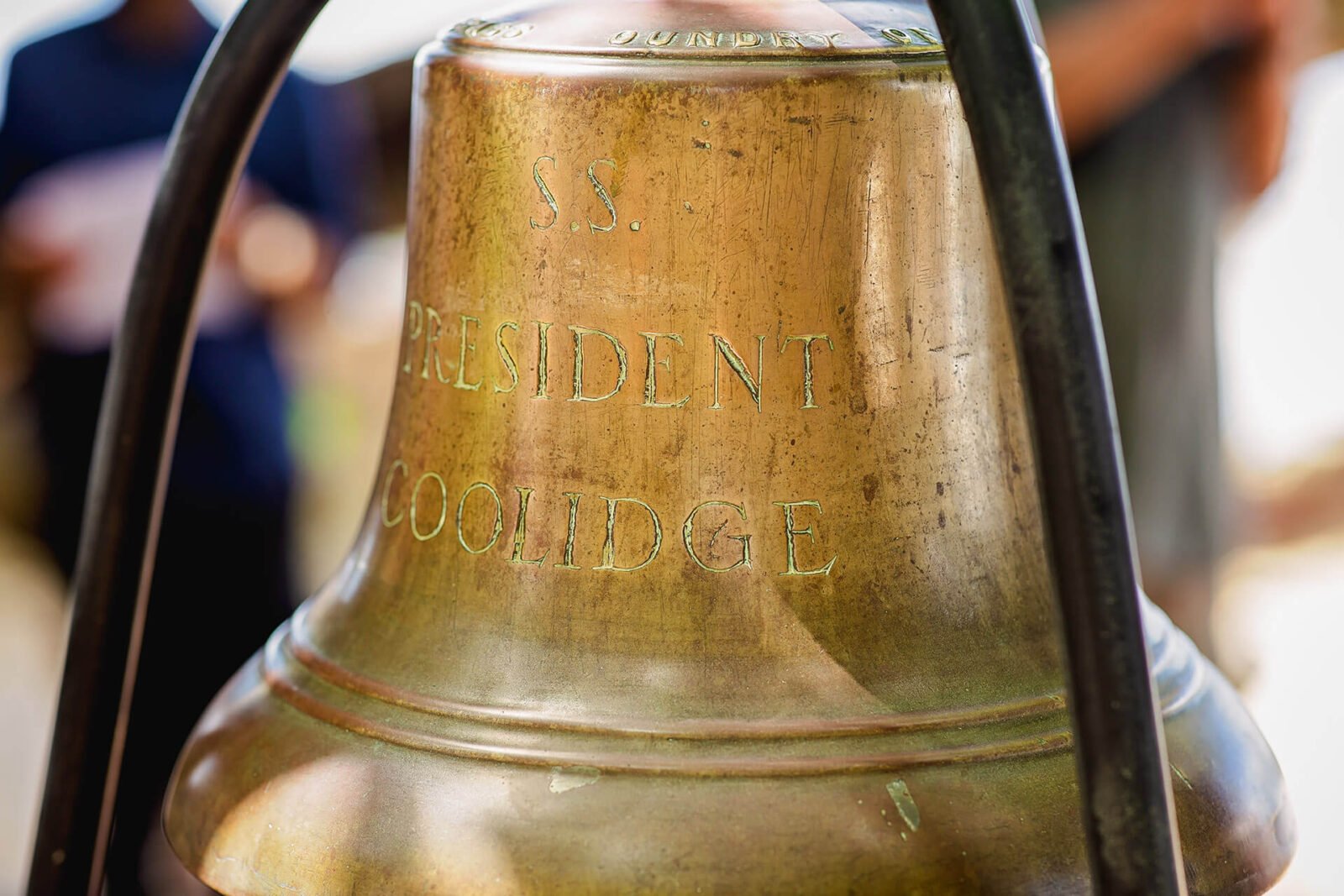
The Coolidge Exhibition at the South Pacific WWII Museum in Luganville brings together the world’s largest collection of artefacts from the SS President Coolidge—including the ship’s bell and whistle.
Originally created to mark the 80th anniversary of the ship’s sinking, the exhibition quickly proved far more than a temporary display. Its impact, scale, and significance have seen it become a permanent part of the Museum.
It represents a defining moment in the Museum’s development—its first major exhibition since opening in 2017.

From Ambition to Reality
Creating the exhibition was no small undertaking.
From sourcing and preparing artefacts to designing and delivering a display of international standard, the project required careful planning, coordination, and significant resources. It was made possible through the support of the Vanuatu Tourism Office, whose backing helped bring the vision to life.
That partnership reflects something important. The exhibition is not only about history—it is about how that history is shared, experienced, and valued today.
A statement of intent
The exhibition was never intended to be just a commemoration.
It was designed to demonstrate what is possible—to show that a museum in the South Pacific can deliver an experience that stands alongside exhibitions anywhere in the world.
Through the dedication of the Museum team and the support of its partners, that ambition has been realised. The Coolidge Exhibition sets a benchmark for what the Museum will continue to build in the years ahead.
The Significance of the Exhibition
At its heart, the exhibition is about storytelling.
Through the artefacts of the SS President Coolidge, visitors are drawn into one of the most remarkable wartime stories in the Pacific—one of loss, survival, and legacy.
But it is also about something broader.
The exhibition highlights the importance of preserving and sharing Vanuatu’s history, while strengthening the connection between cultural heritage and tourism. It demonstrates how local initiatives, supported by strong partnerships, can create experiences that resonate both locally and internationally.
More than an exhibition, it is a milestone—one that reflects the Museum’s growth, its ambition, and its commitment to telling Santo’s story properly.