The Vault
Locked in
History
A Door With Secrets
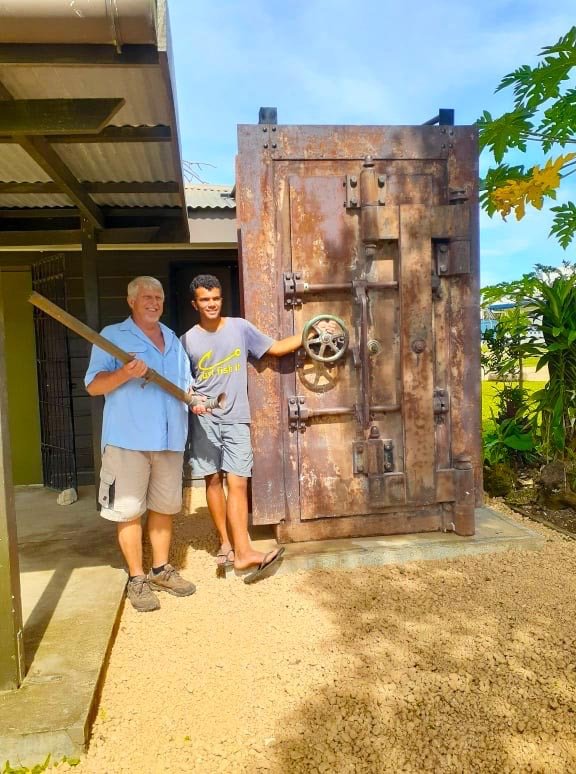
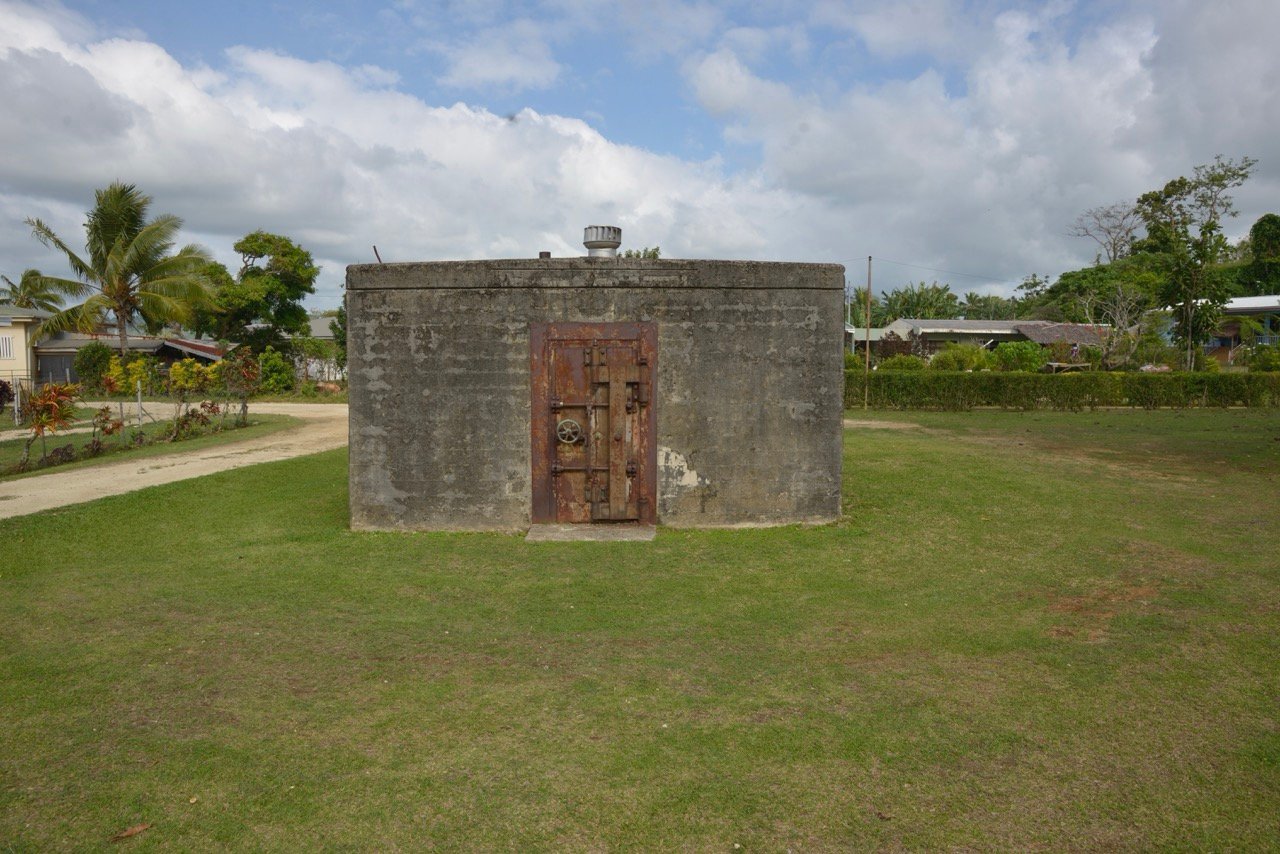
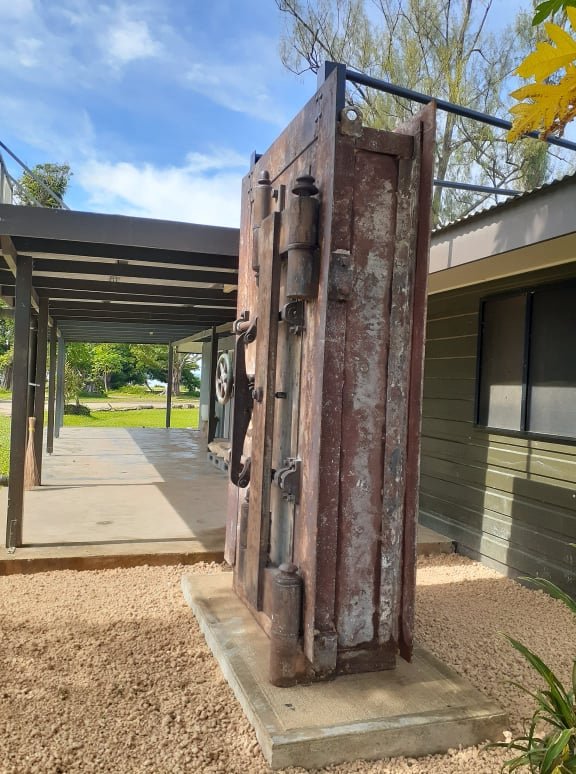
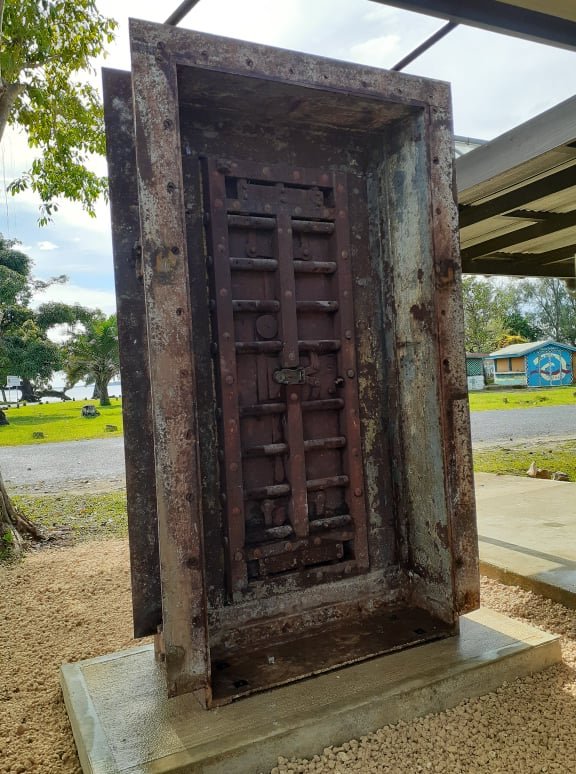
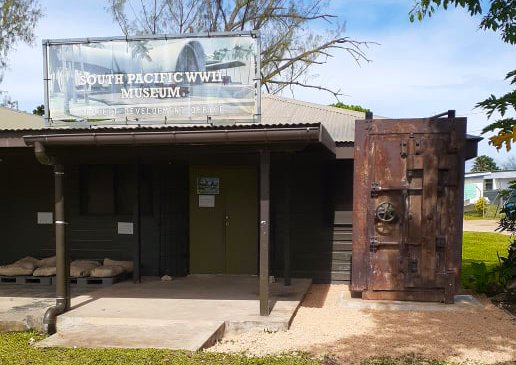
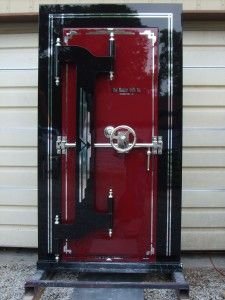
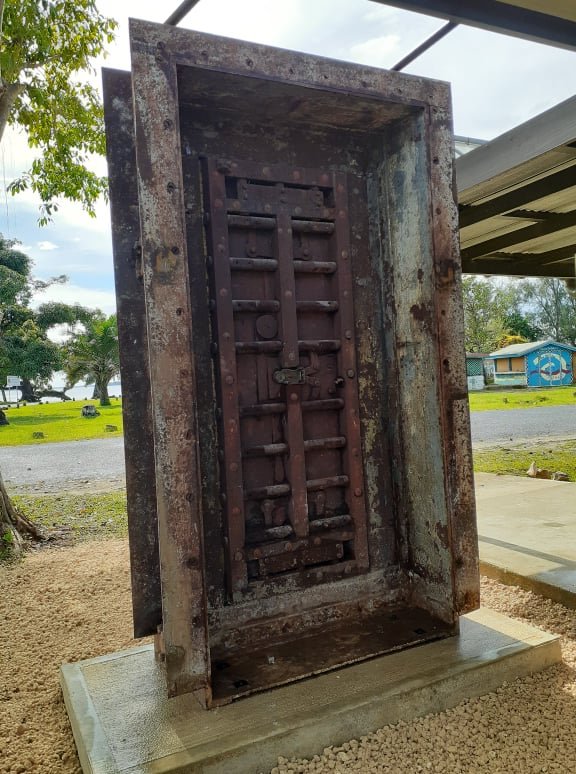
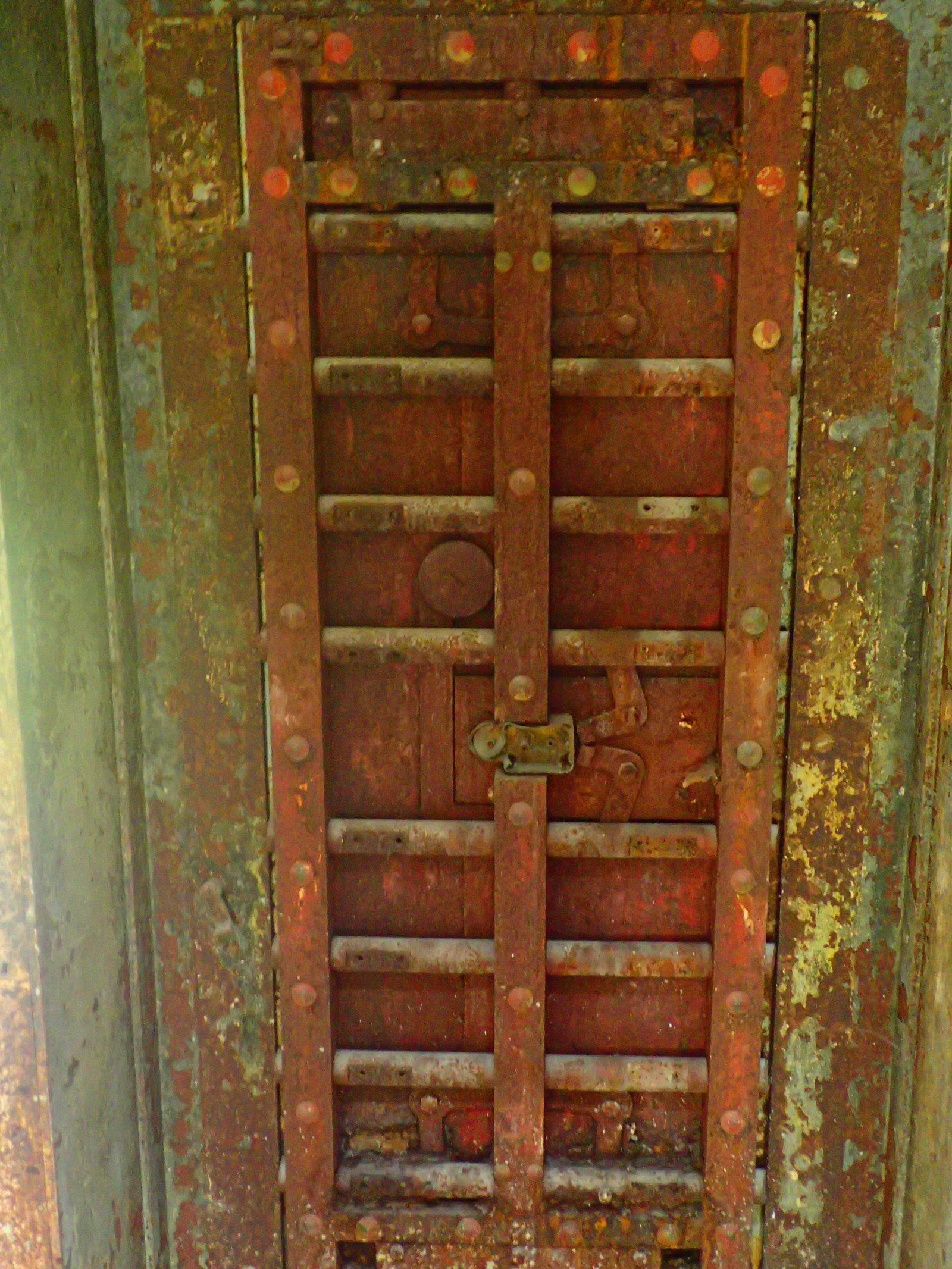
Sitting proudly outside the South Pacific WWII Museum in Luganville is one of the Museum’s most unusual and unexpected artefacts — a massive wartime bank vault door weighing more than 2.5 tonnes.
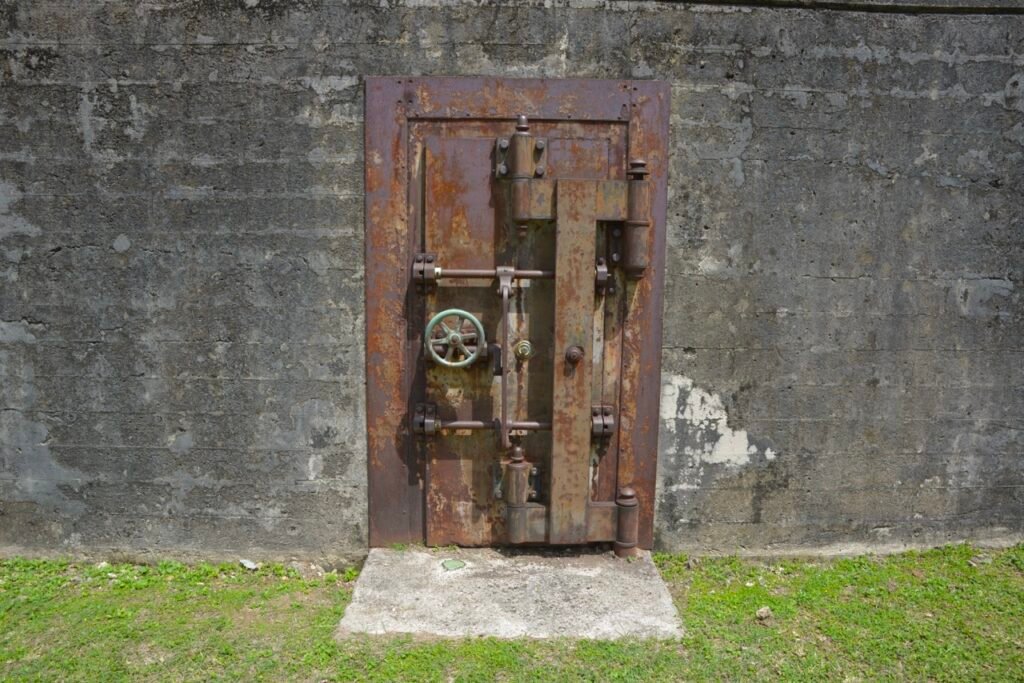
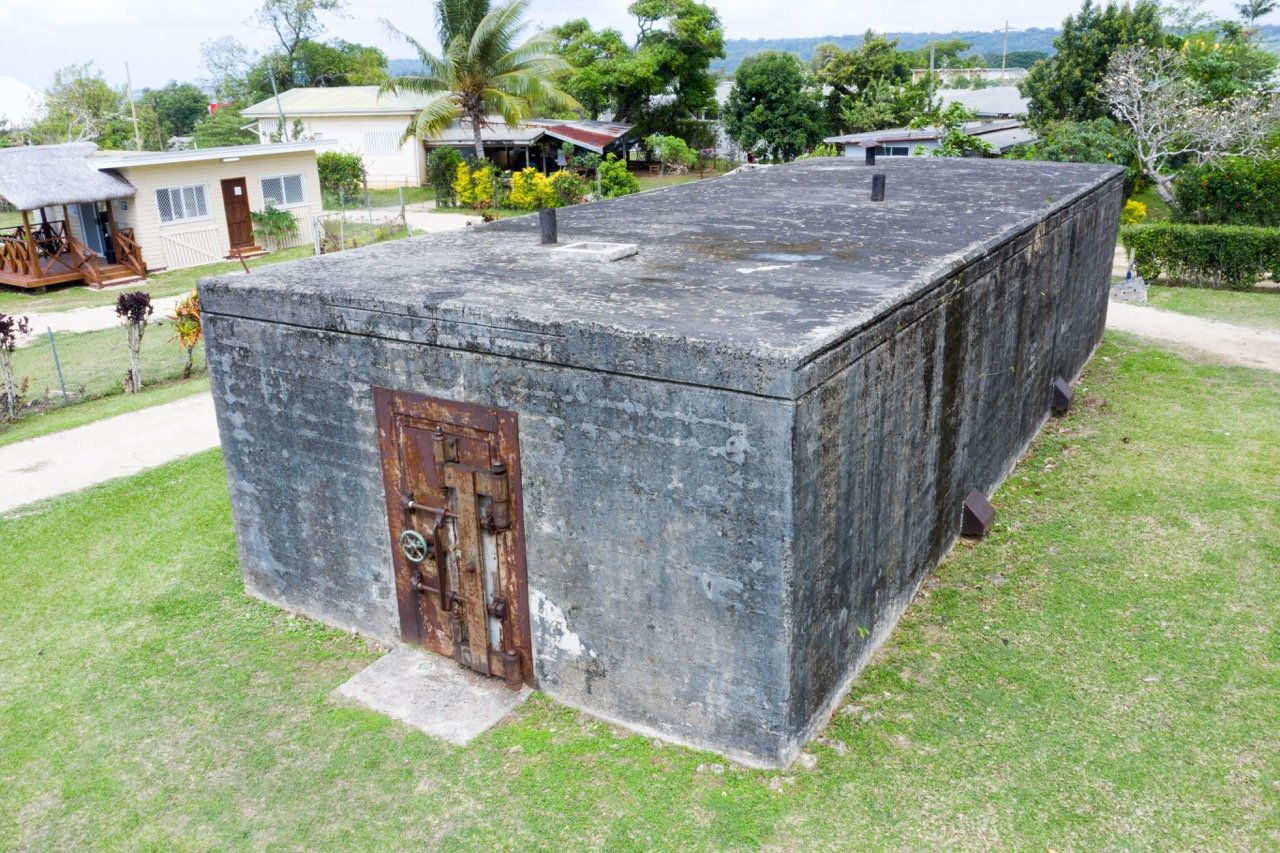
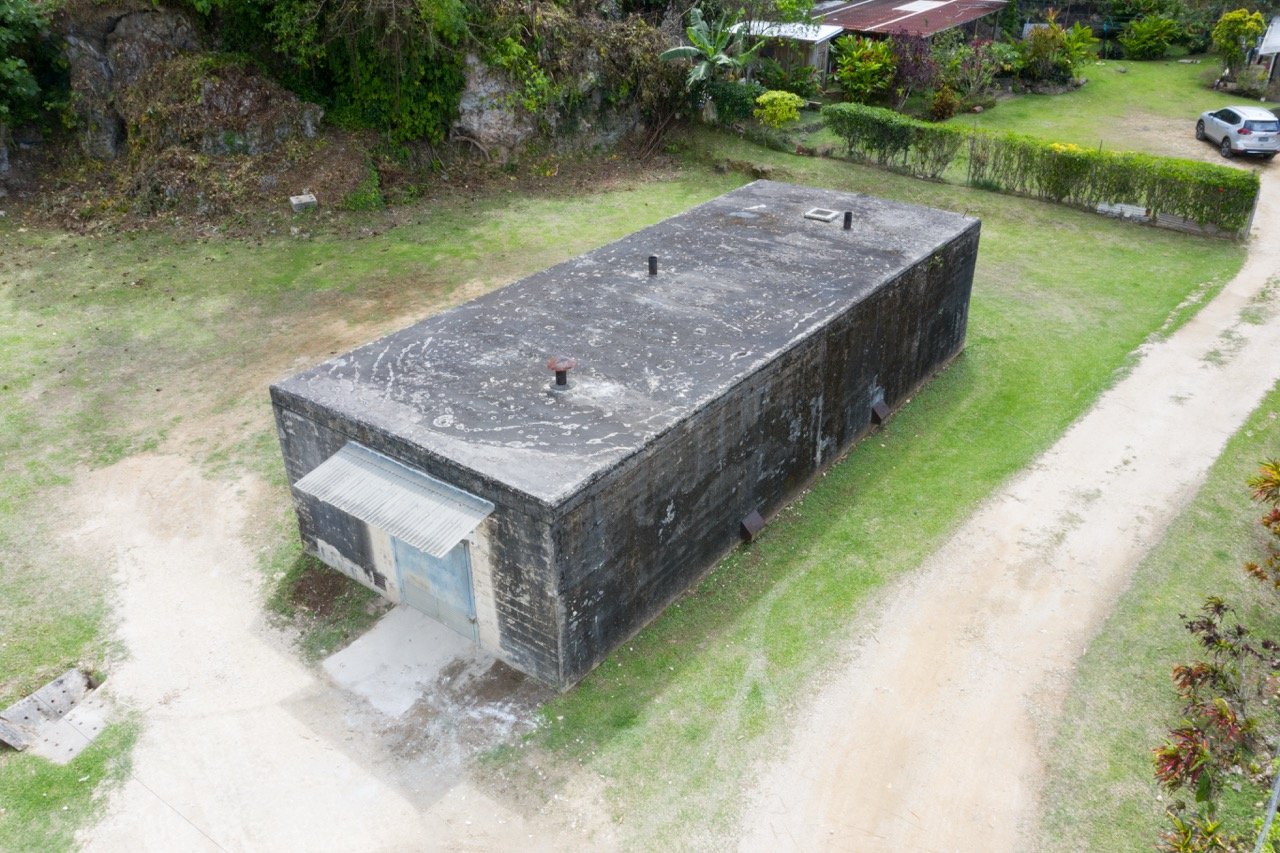
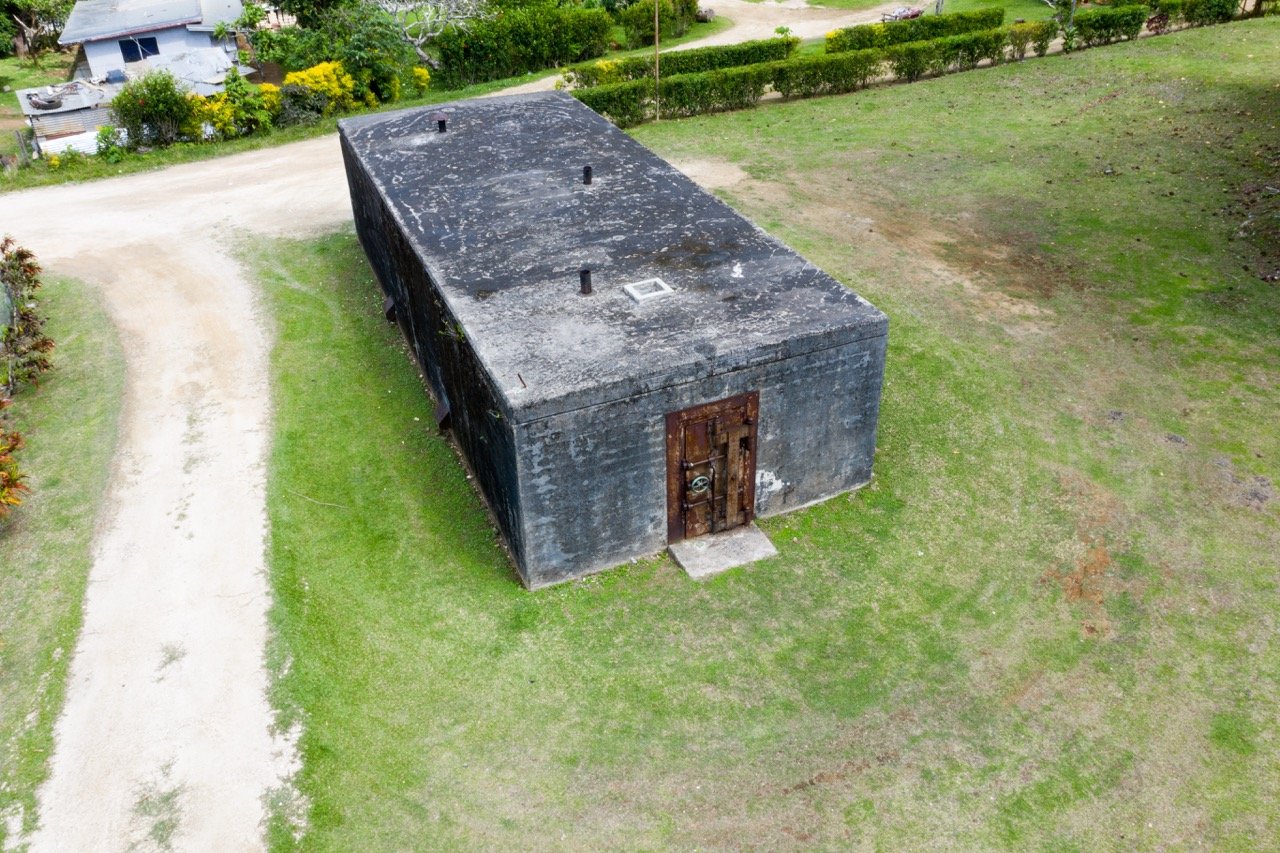
For decades, the door remained hidden, still affixed to a former bank vault in central Luganville, largely forgotten and embedded concrete and steel. But when redevelopment plans threatened the site, the Museum knew the vault door had to be saved.
Thankfully, Rosemary and Richard Lo from the LCM Group acted quickly, securing the door on behalf of the Museum before it could disappear forever.
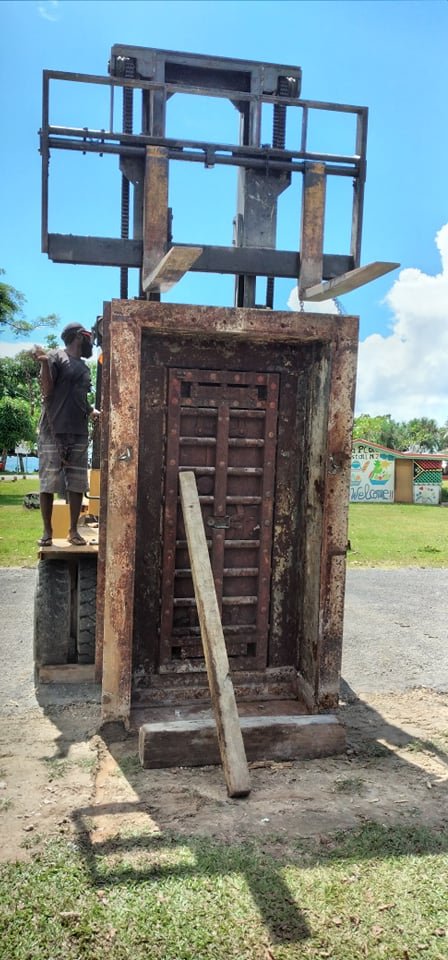
What followed was a remarkable recovery operation involving Santo Hardware staff, heavy machinery, reinforced concrete foundations, and an extraordinary amount of determination.
Today, the vault door has become one of the Museum’s most photographed exhibits — not simply because of its enormous size, but because of the story hidden behind it.
Moving 2.5 Tonnes Of History
Removing the vault door was no simple task.
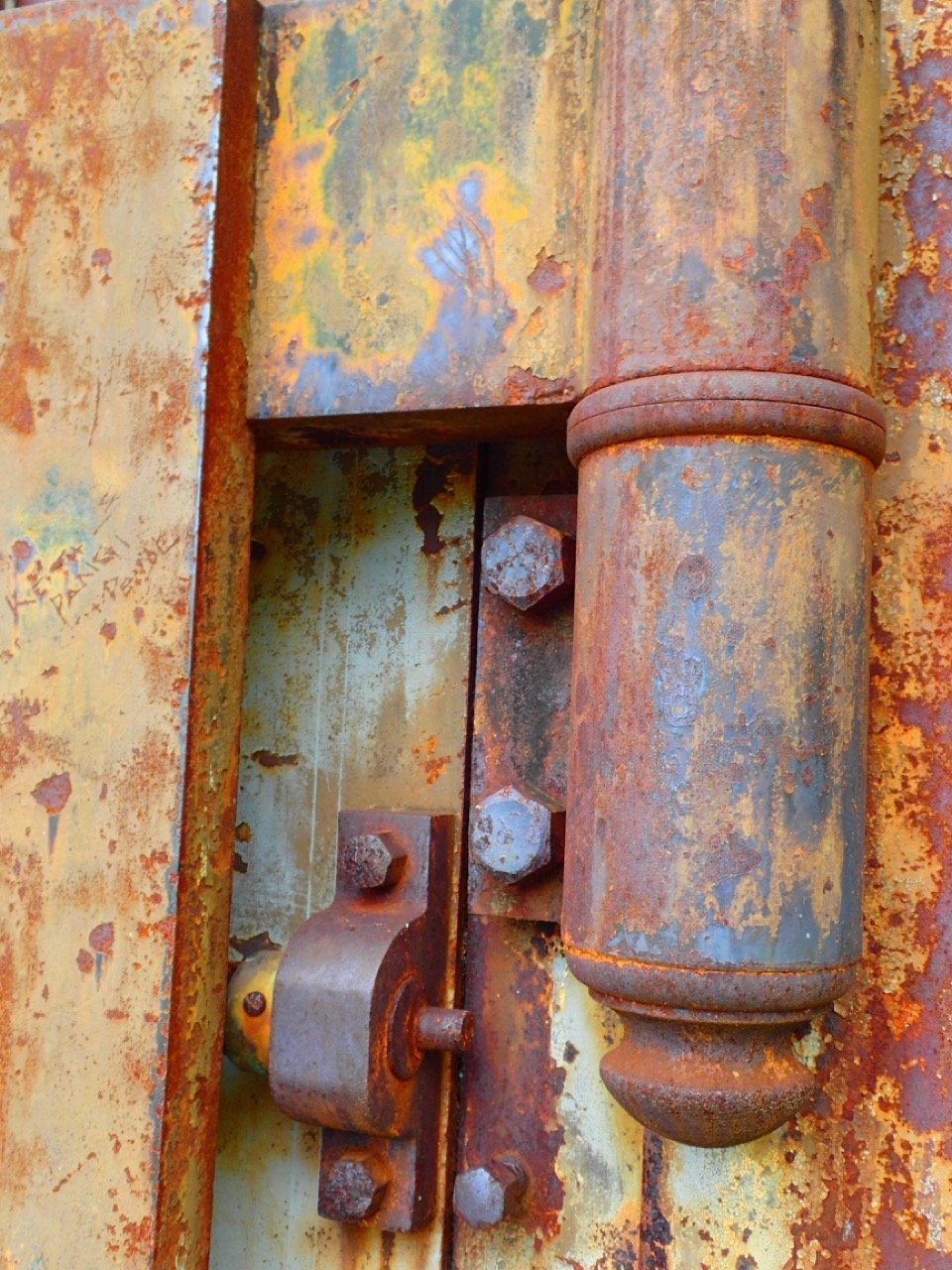
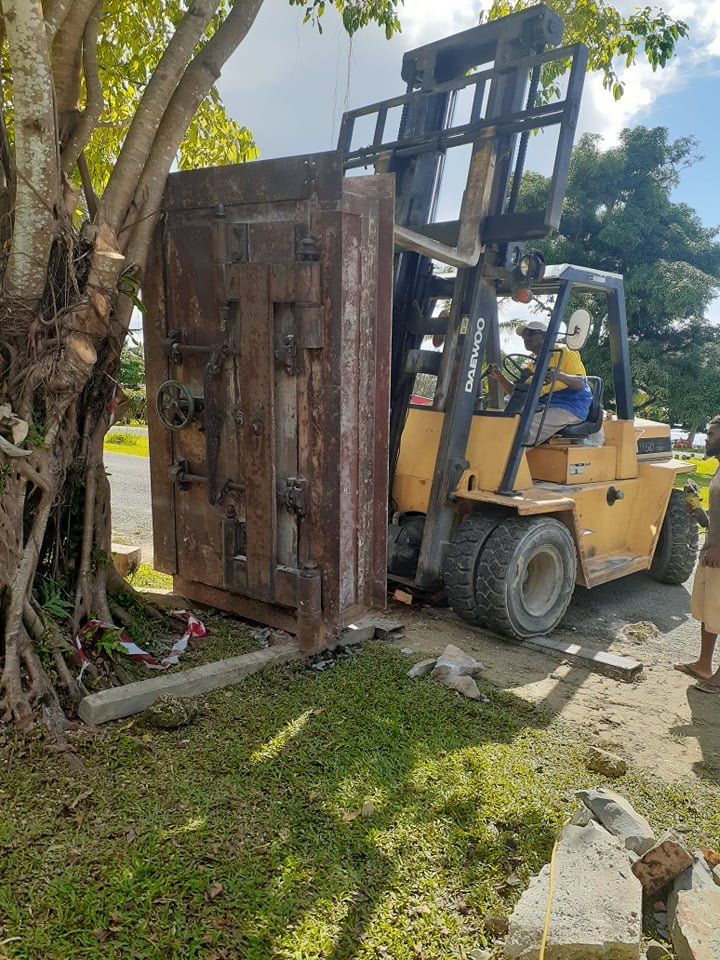
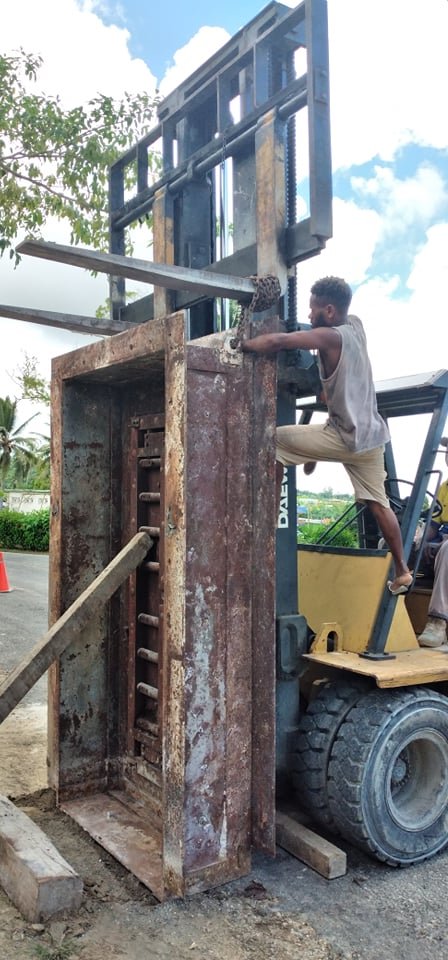
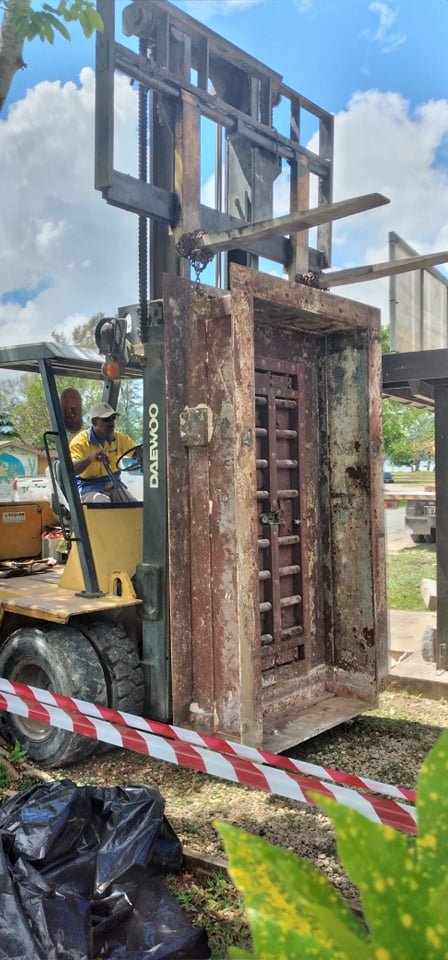
The enormous steel frame had been locked into reinforced concrete for almost eighty years. Separating it from the original structure required careful cutting, lifting, and coordination by the Santo Hardware team under the guidance of Museum Chairman Bradley Wood.
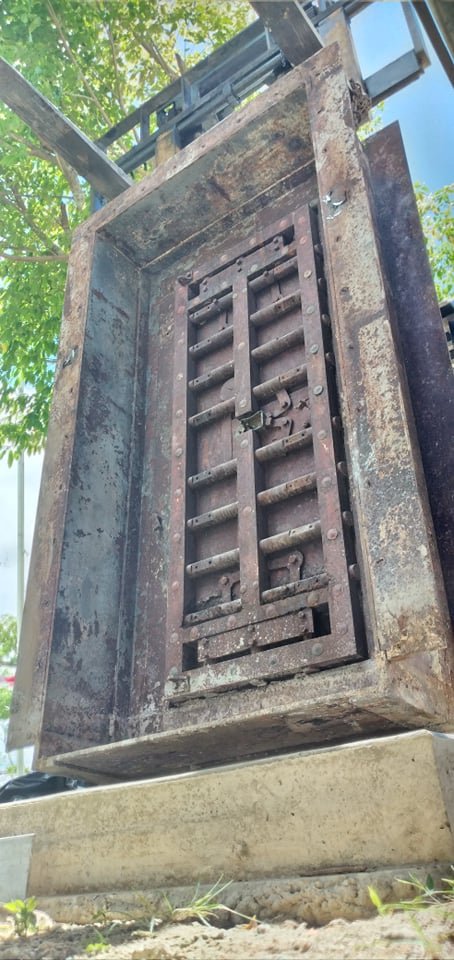
Once freed, the door was transported through Luganville on the back of a Santo Hardware truck before being carefully lowered into position outside the Museum using heavy lifting equipment.
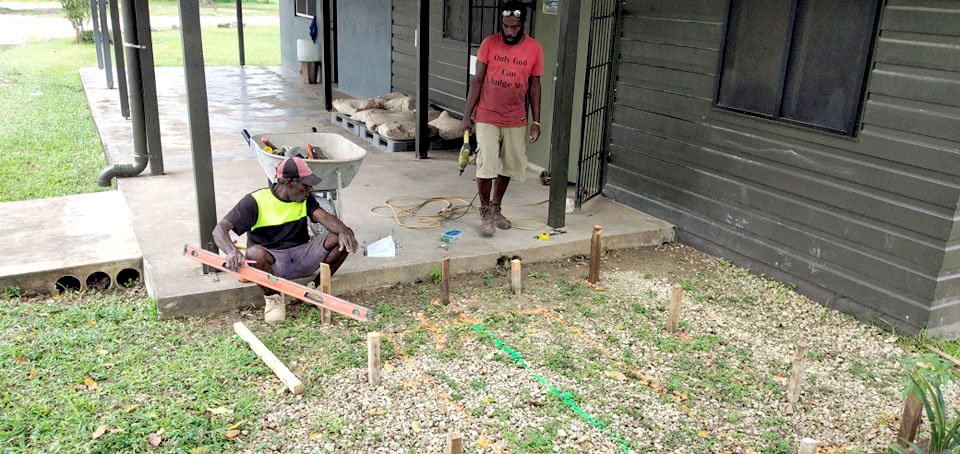
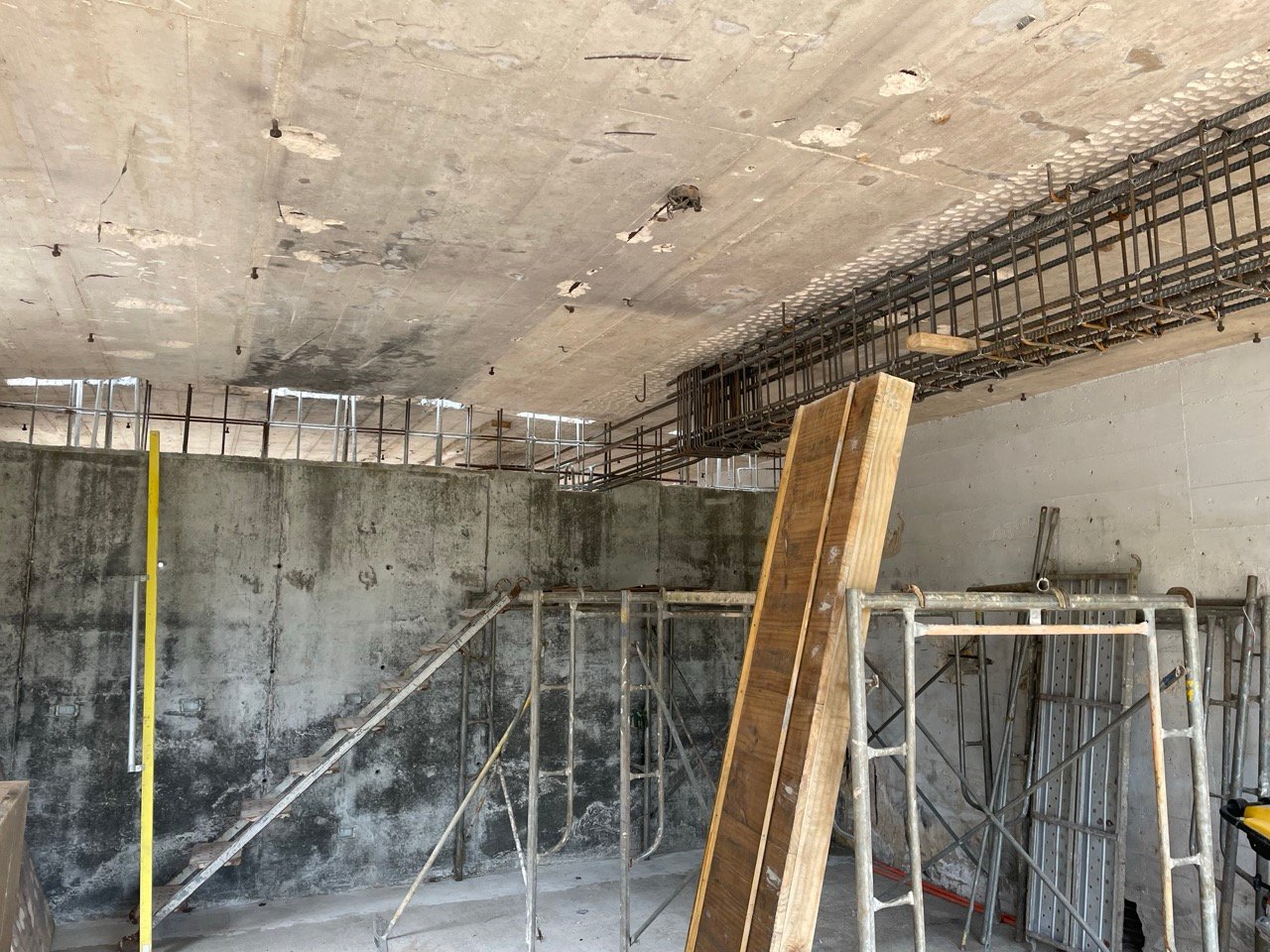
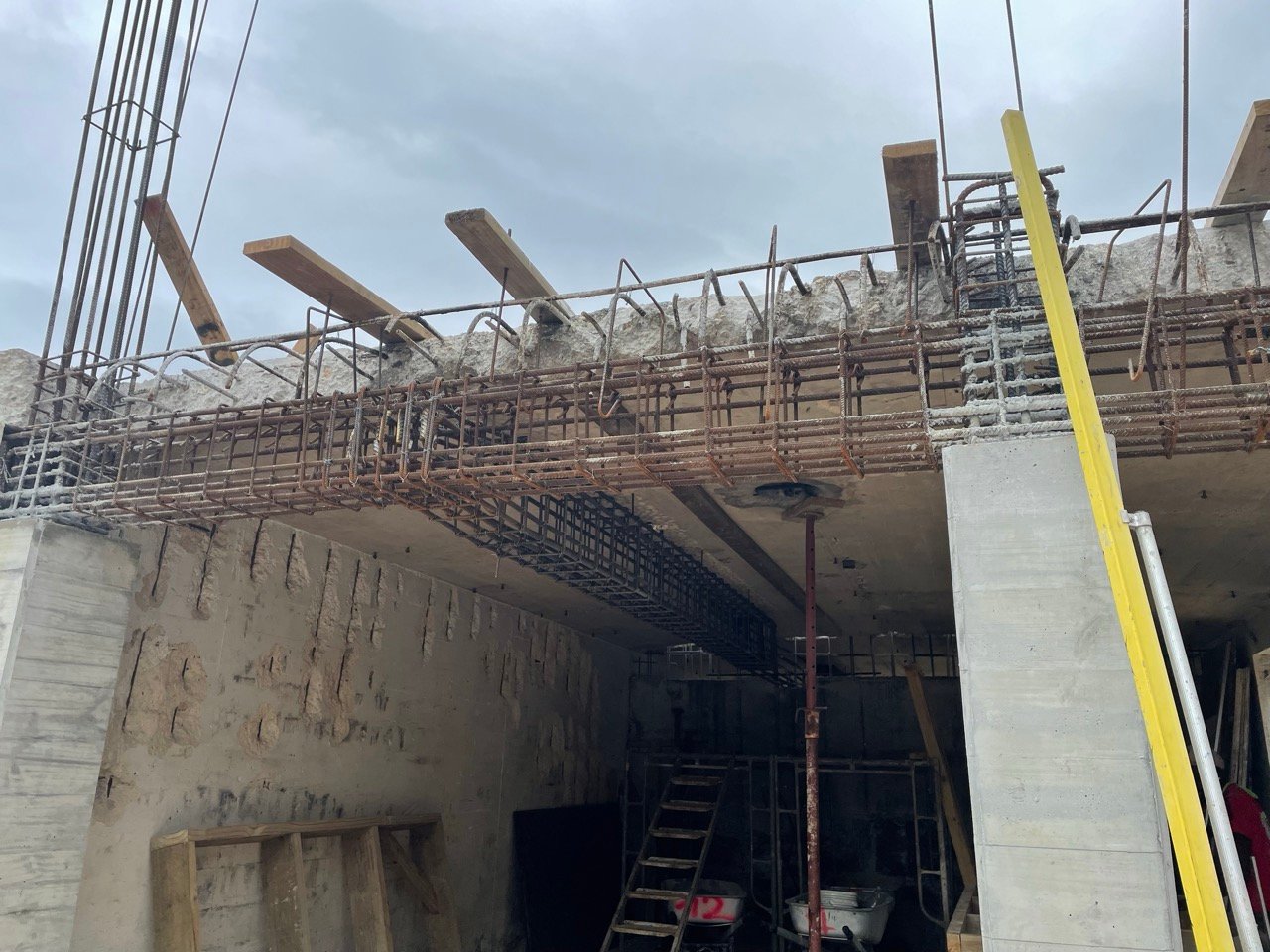
A specially reinforced concrete foundation had already been prepared outside the Museum entrance, with additional roof supports later added to safely stabilise the immense weight of the door and frame.
The operation itself quickly became something of a local spectacle.
One Of The World’s Finest Vaults
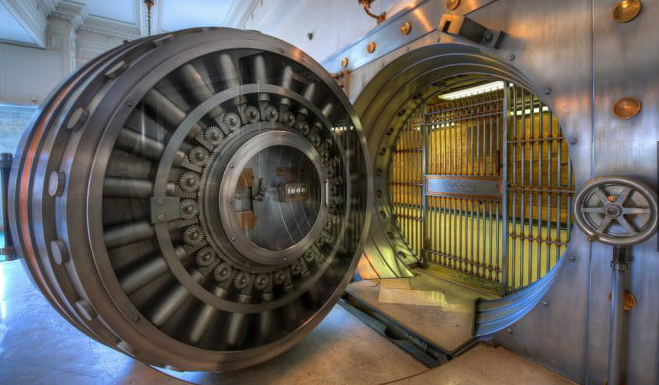
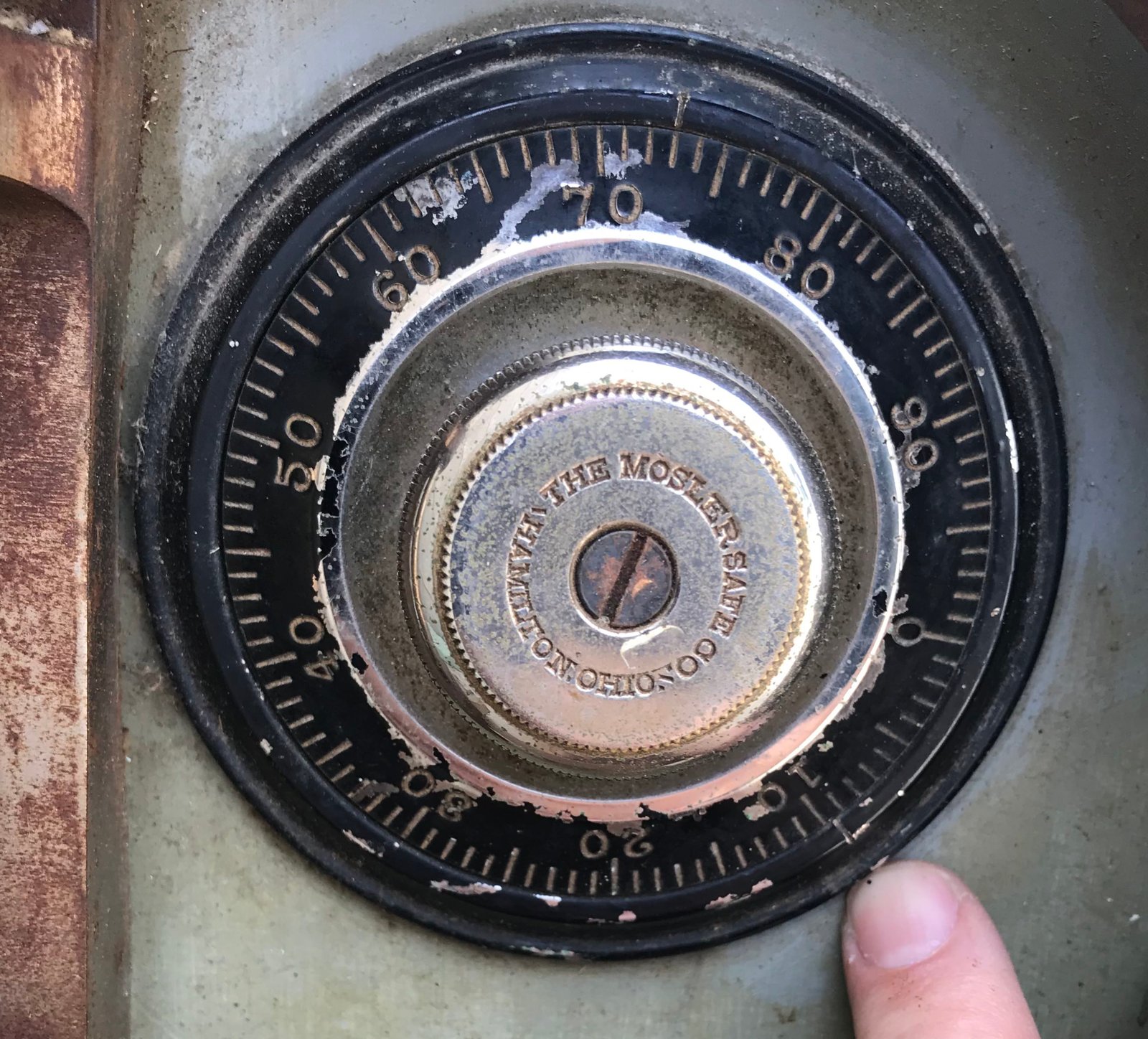
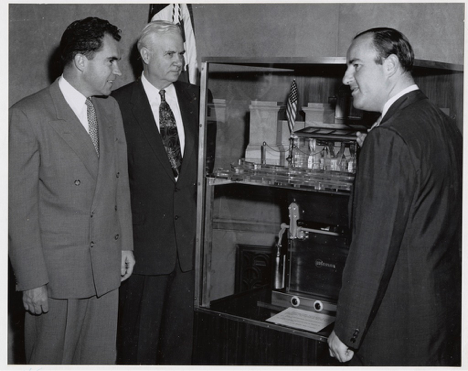
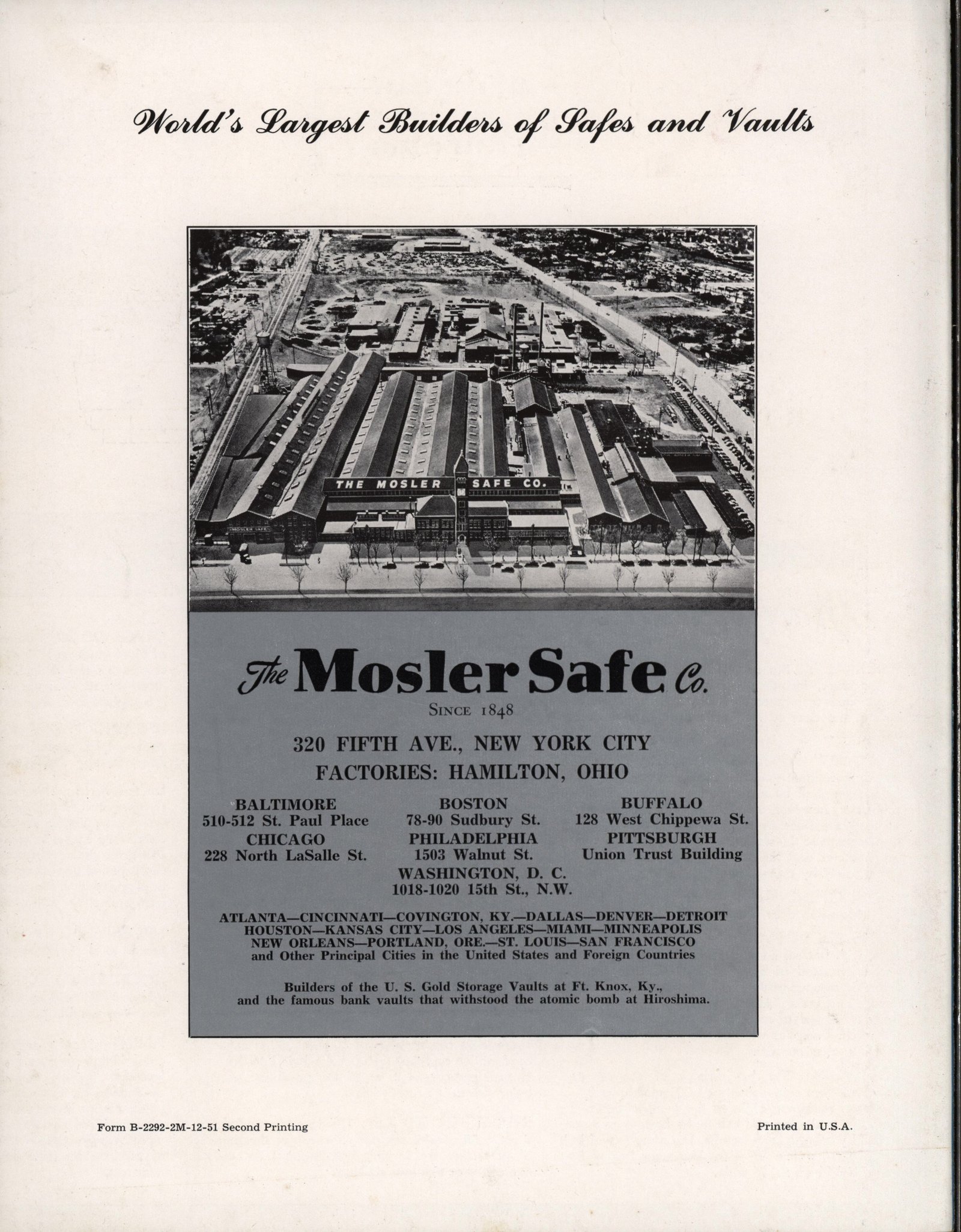
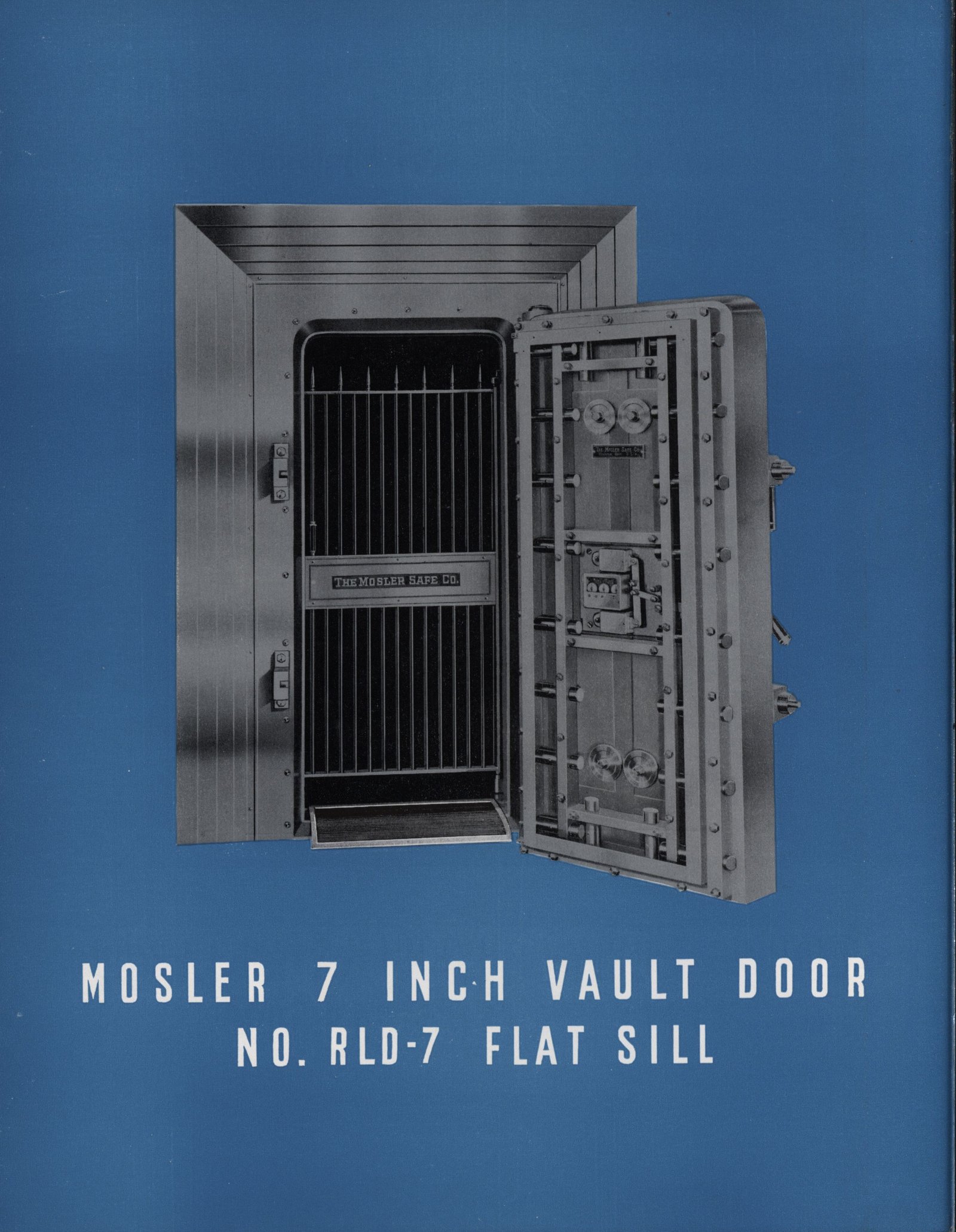
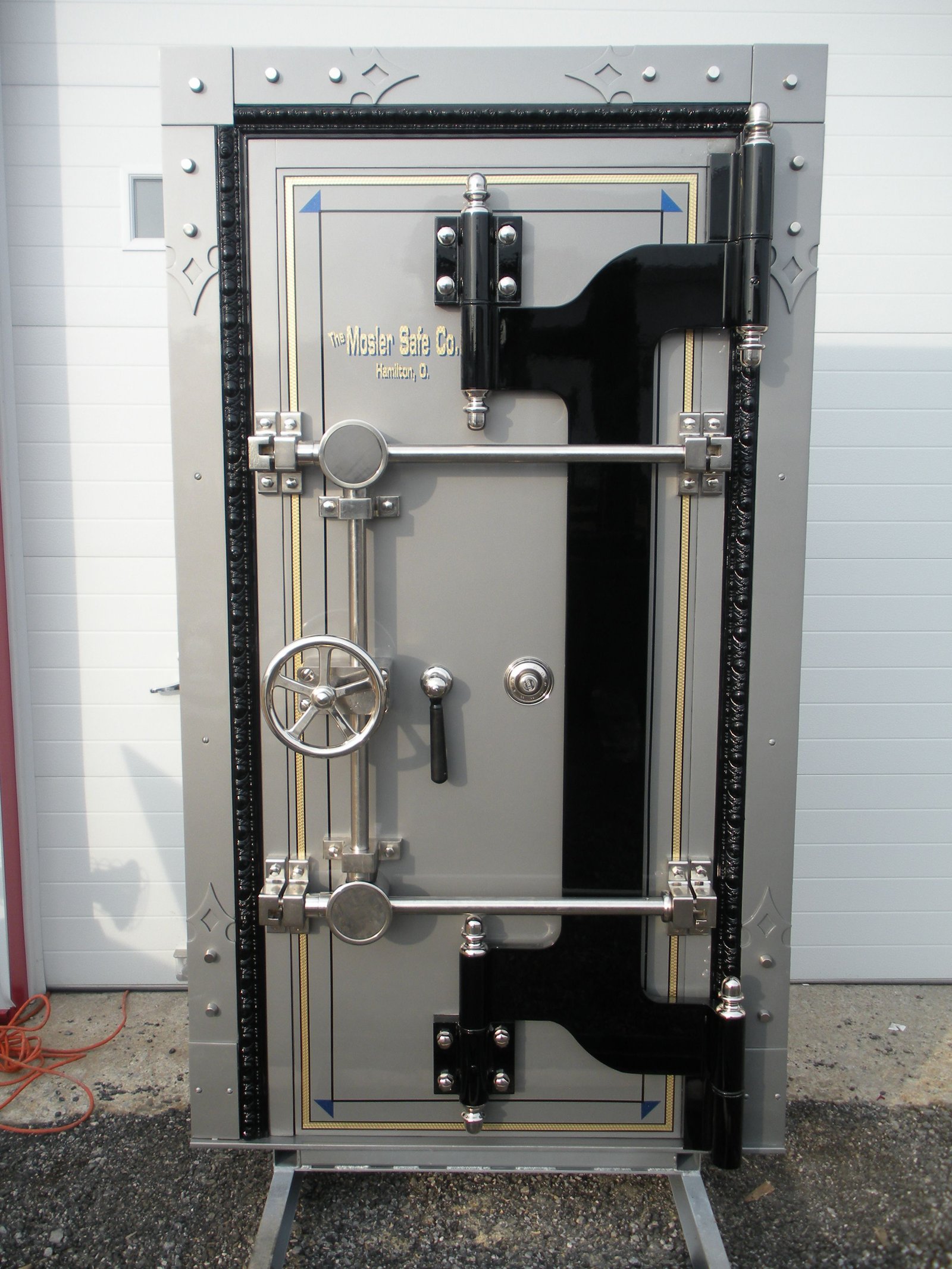
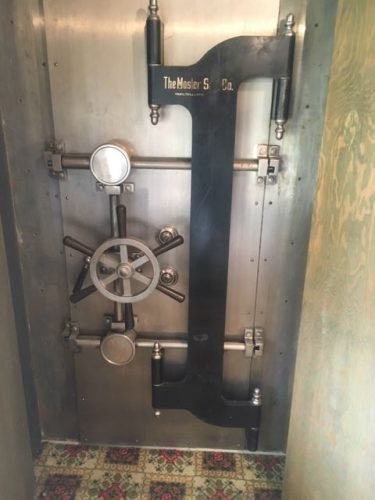
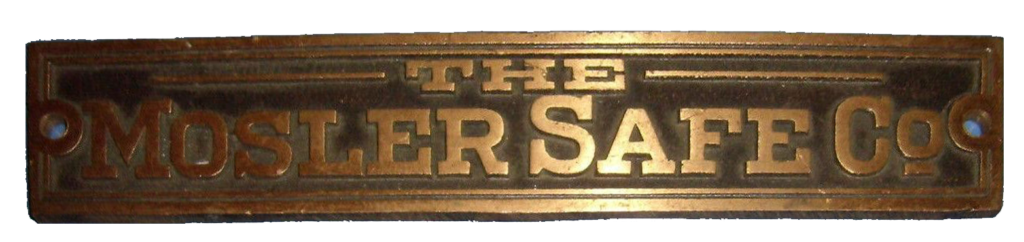
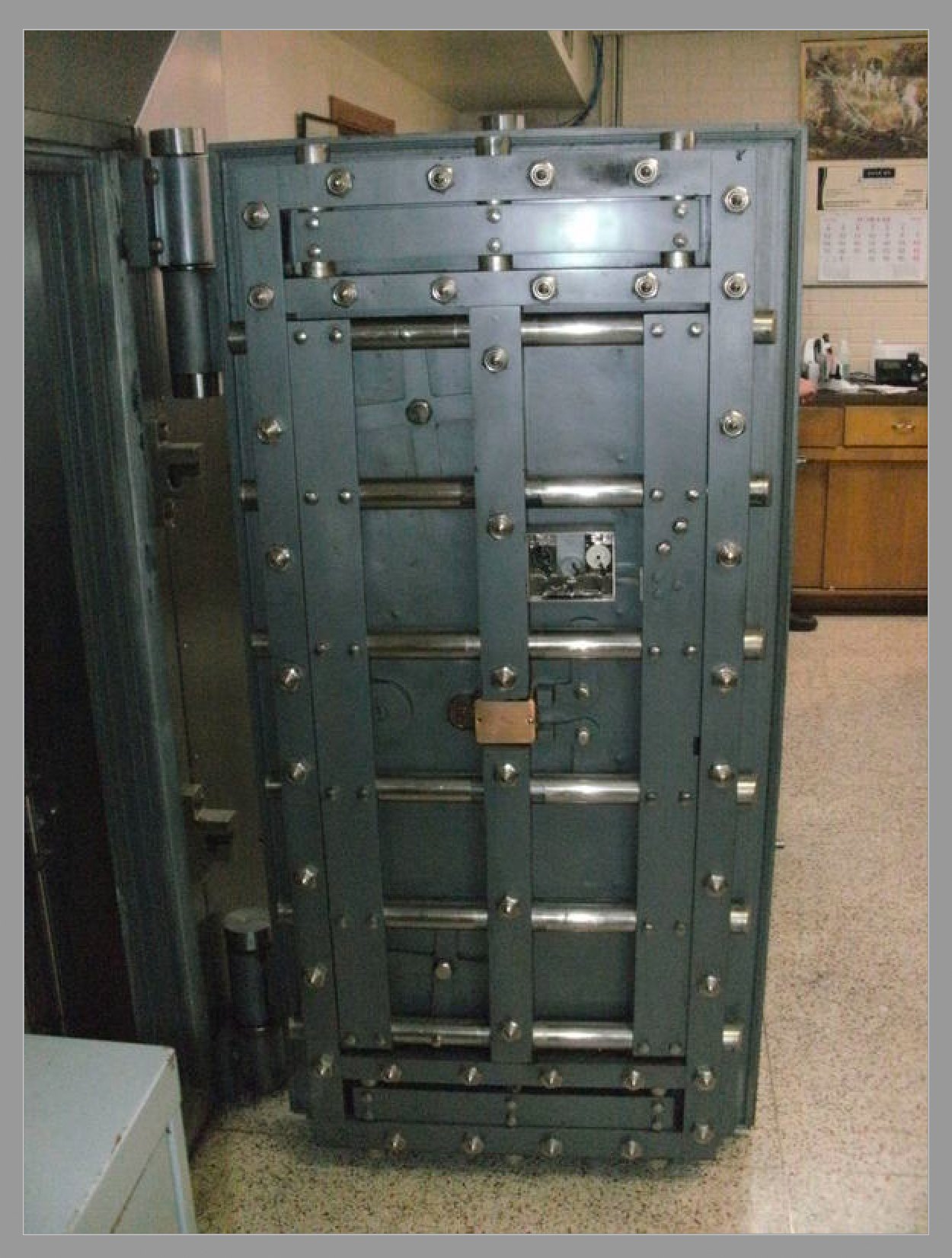
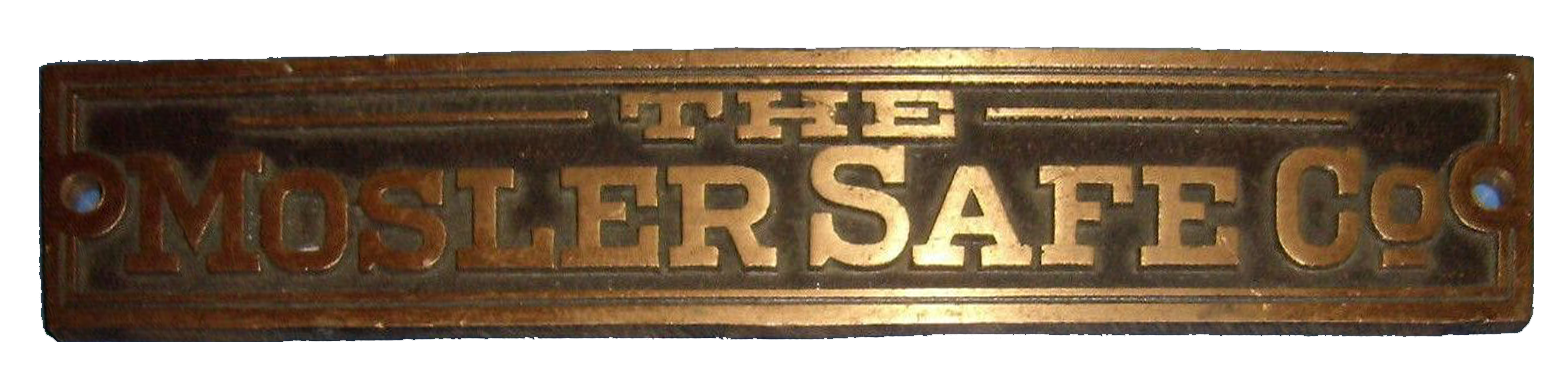
Research soon revealed that the Museum’s vault door was almost certainly manufactured by the legendary Mosler Safe Company — regarded for decades as one of the finest vault manufacturers in the world.
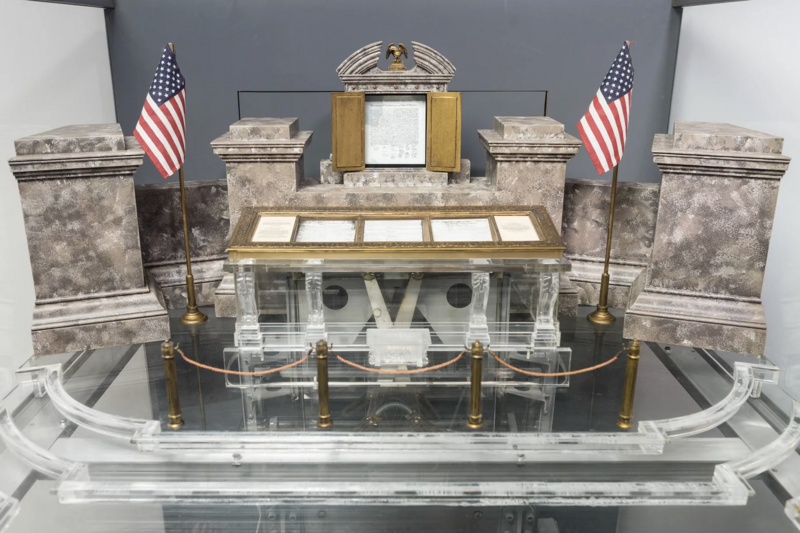
Mosler vaults protected some of America’s most important assets, including the famous Fort Knox gold depository and the heavily protected vault housing the United States Constitution, Declaration of Independence and Bill of Rights inside the National Archives in Washington DC.
Perhaps even more remarkably, a Mosler vault installed inside Hiroshima’s Teikoku Bank survived the atomic bombing in 1945 despite being located only a few hundred metres from the blast hypocentre.
To discover that one of these extraordinary vault doors had found its way to wartime Espiritu Santo was an astonishing revelation.
Cracking The Mystery
When the vault door first arrived at the Museum, very little was known about it.
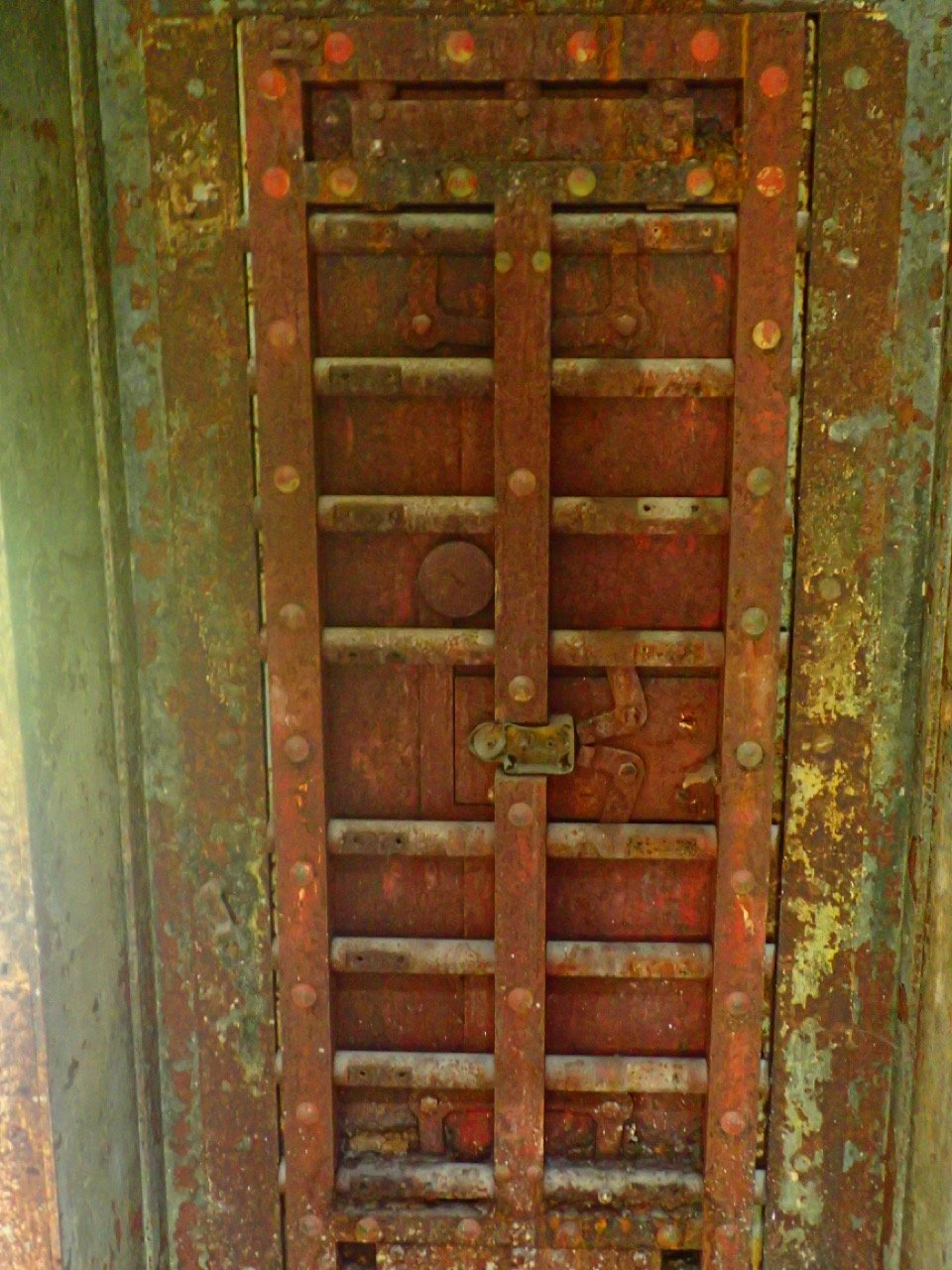
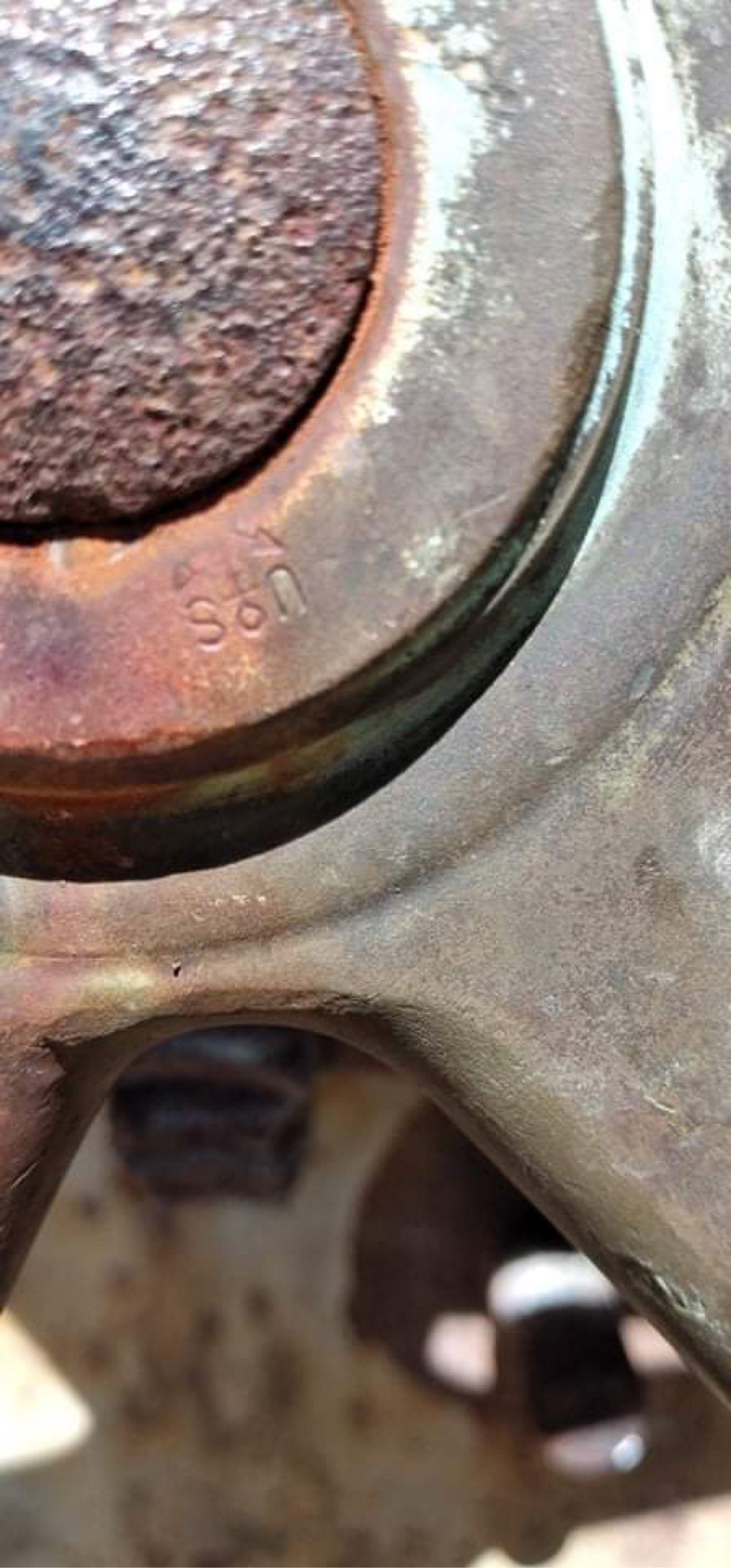
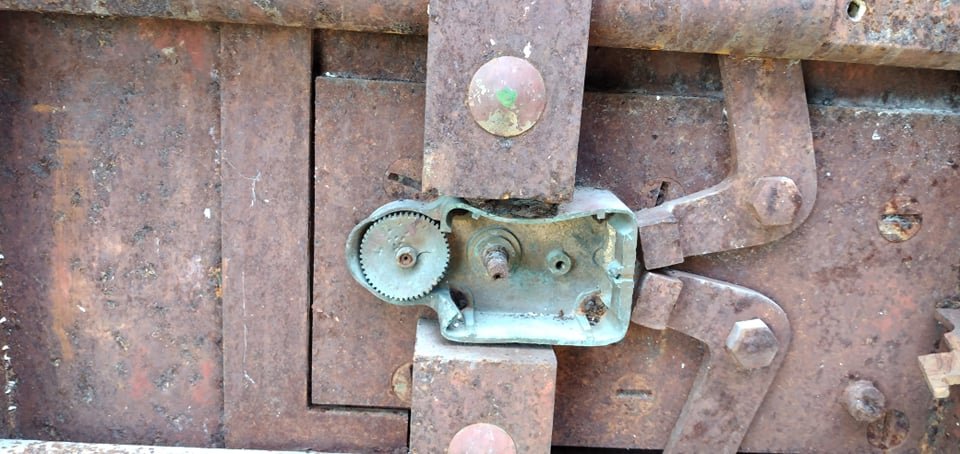
There were no manufacturer’s plates, no identifying markings, and much of the locking mechanism had been damaged or removed many years earlier. Determined to learn more, Museum Project Manager Jimmy Carter began researching the door’s origins.
Emails to vault manufacturers produced little response, but an online trail eventually led to the Lock Picking 101 forum and later the Safe and Vault Collectors group on Facebook — where the Museum suddenly found itself connected with some of the world’s leading experts on safes and vaults.
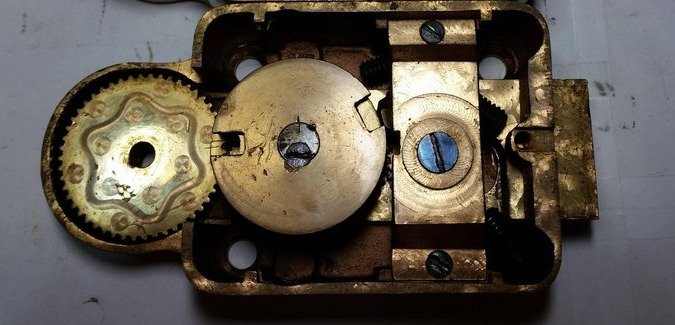
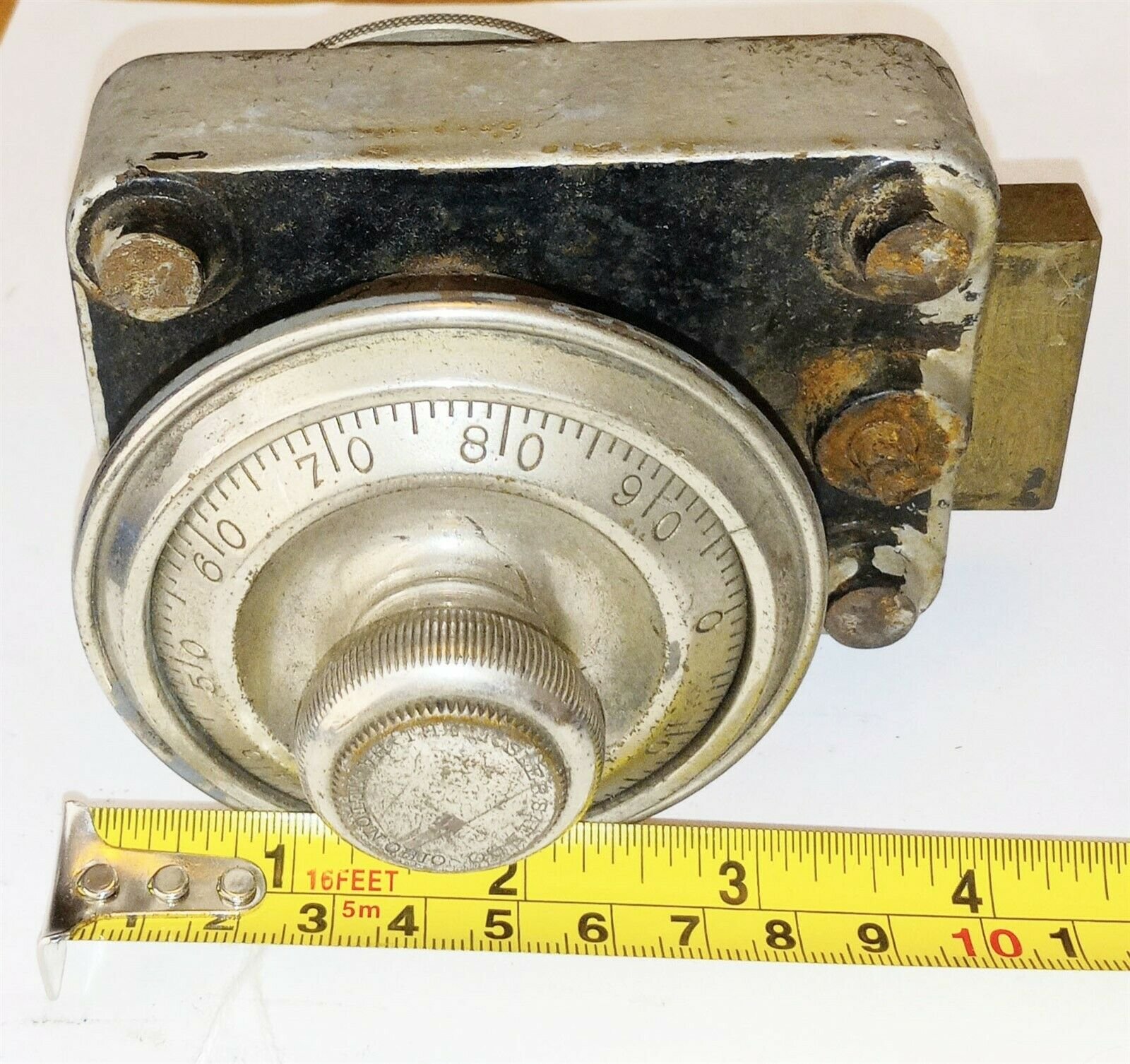
Using photographs of the damaged lock and surviving internal mechanisms, members of the group gradually pieced together the vault’s identity.
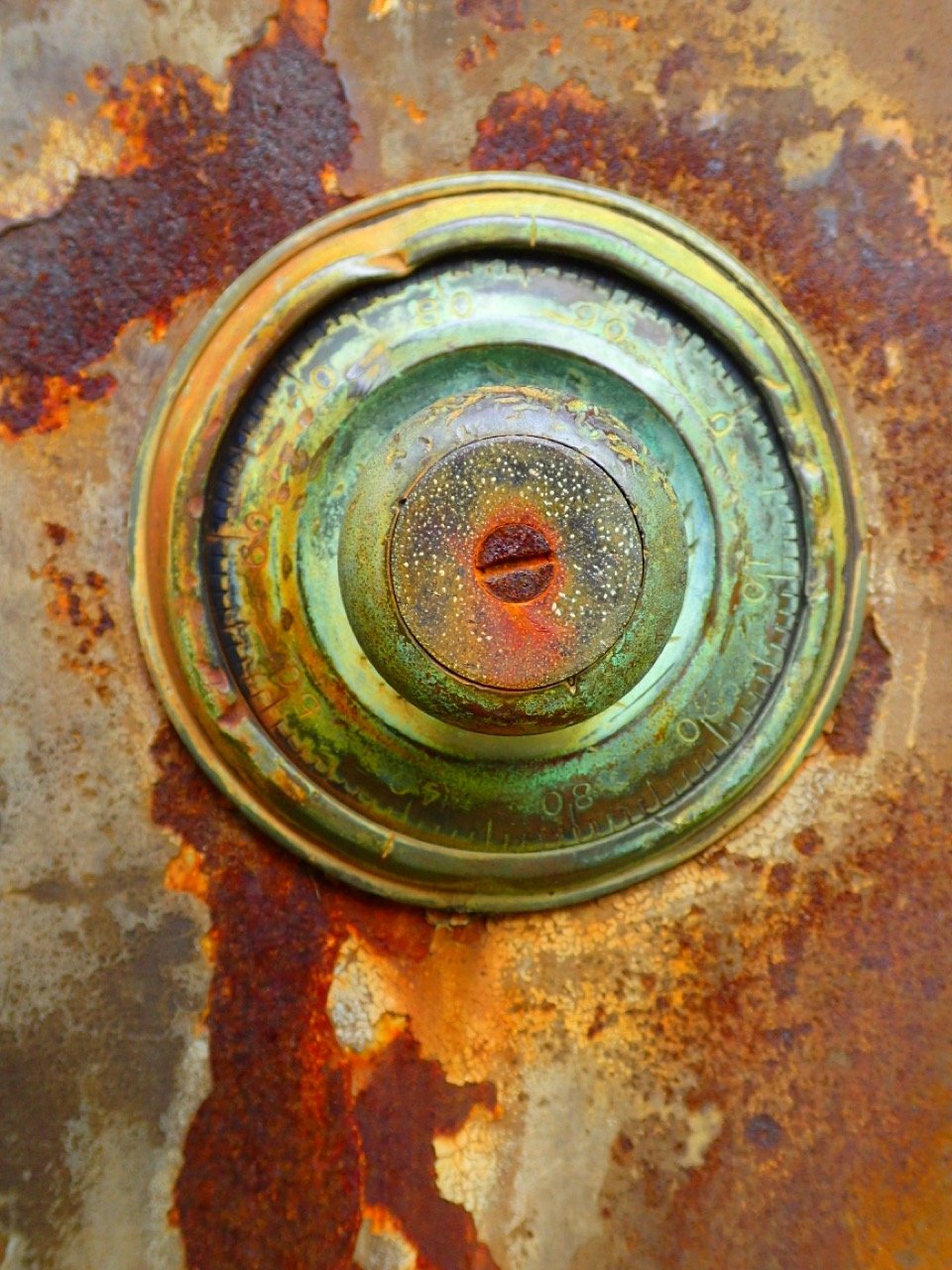
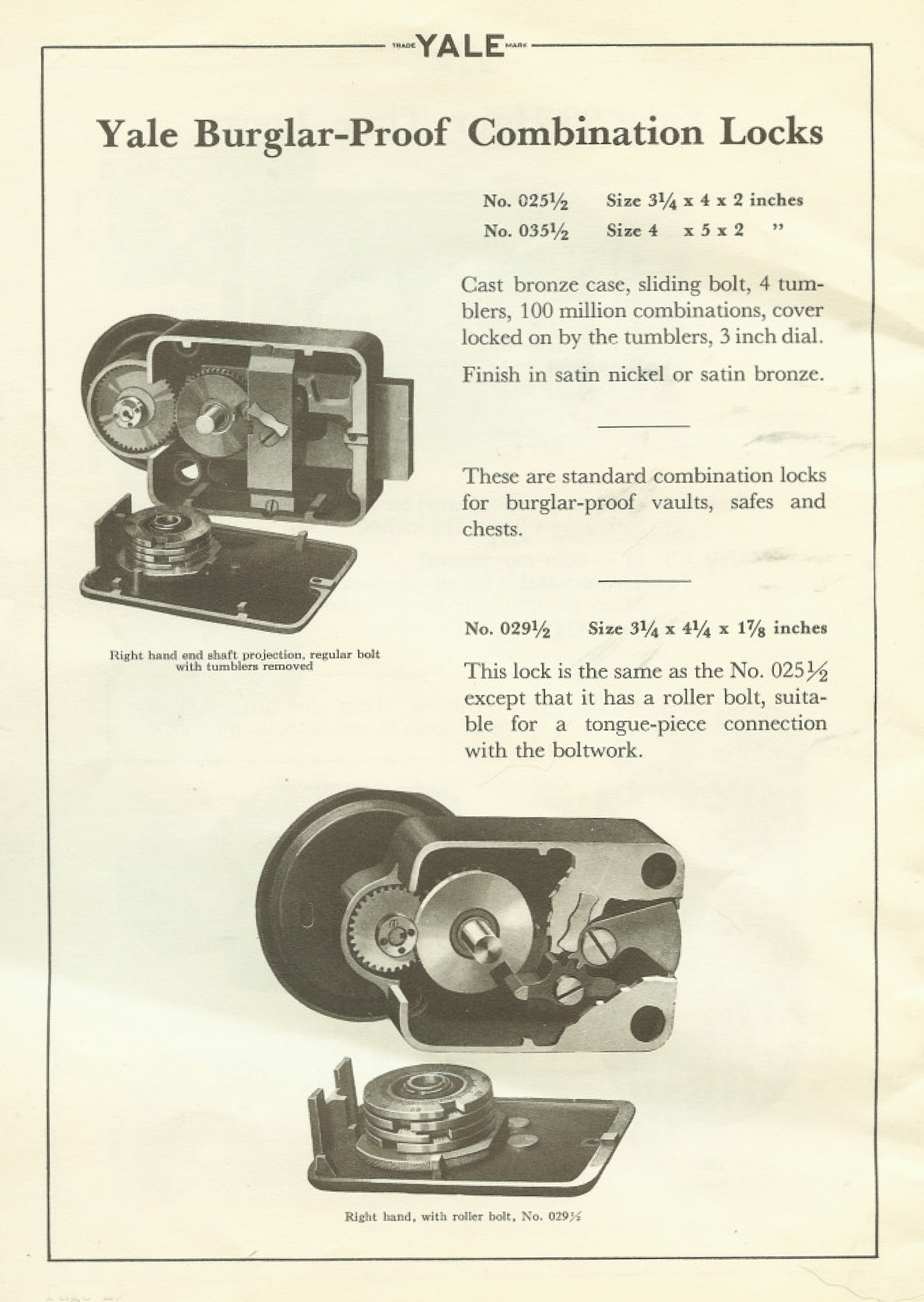
One collector known as “Squelchtone” identified the remains of the lock as a rare Mosler Bahmann indirect drive mechanism manufactured by Yale for Mosler. Further investigation eventually led to internationally respected vault specialist Dave McOmie, who confirmed the Museum’s door was indeed a Mosler vault.
After months of research, the mystery had finally been solved.
How The Vault Worked
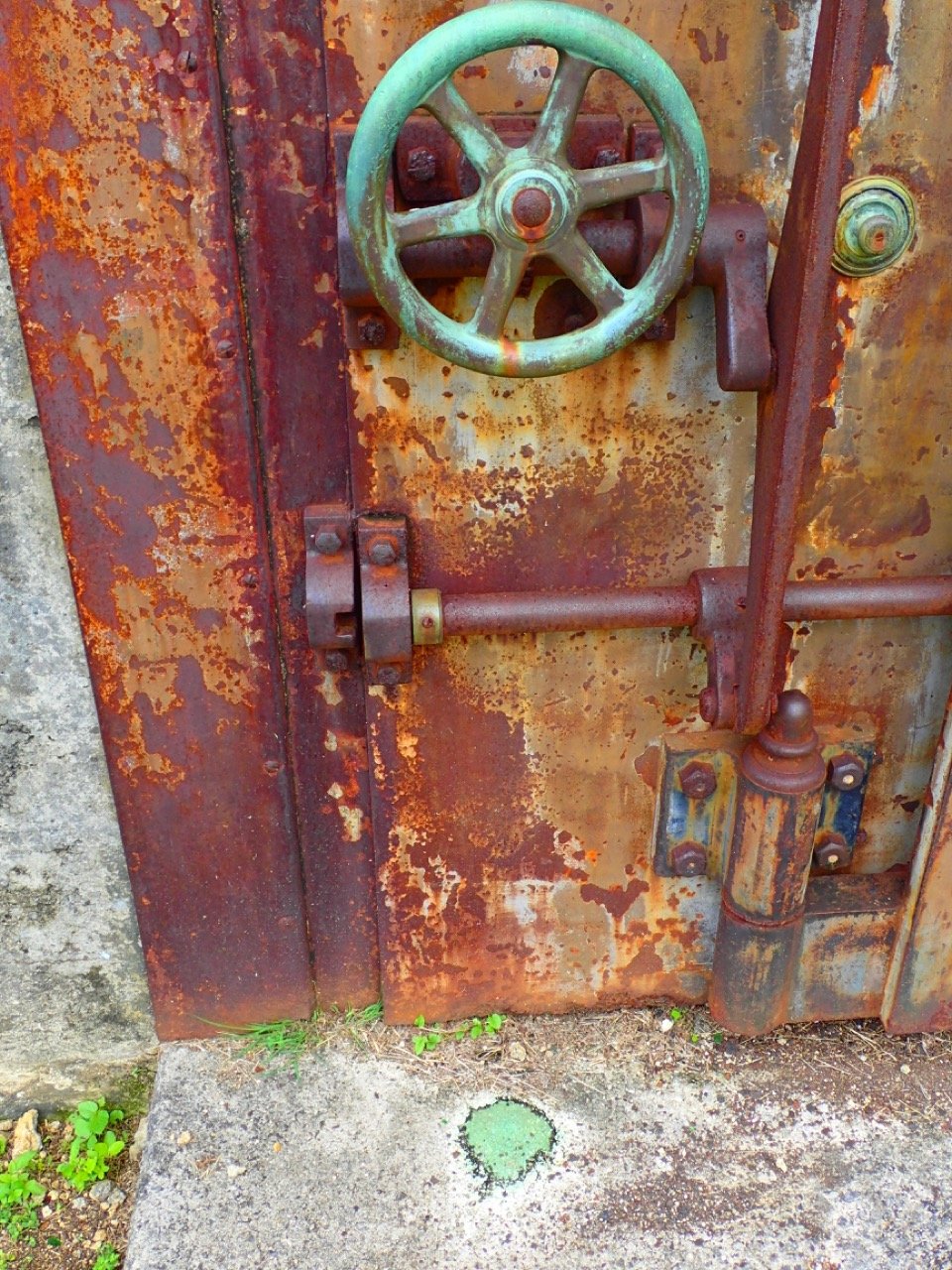
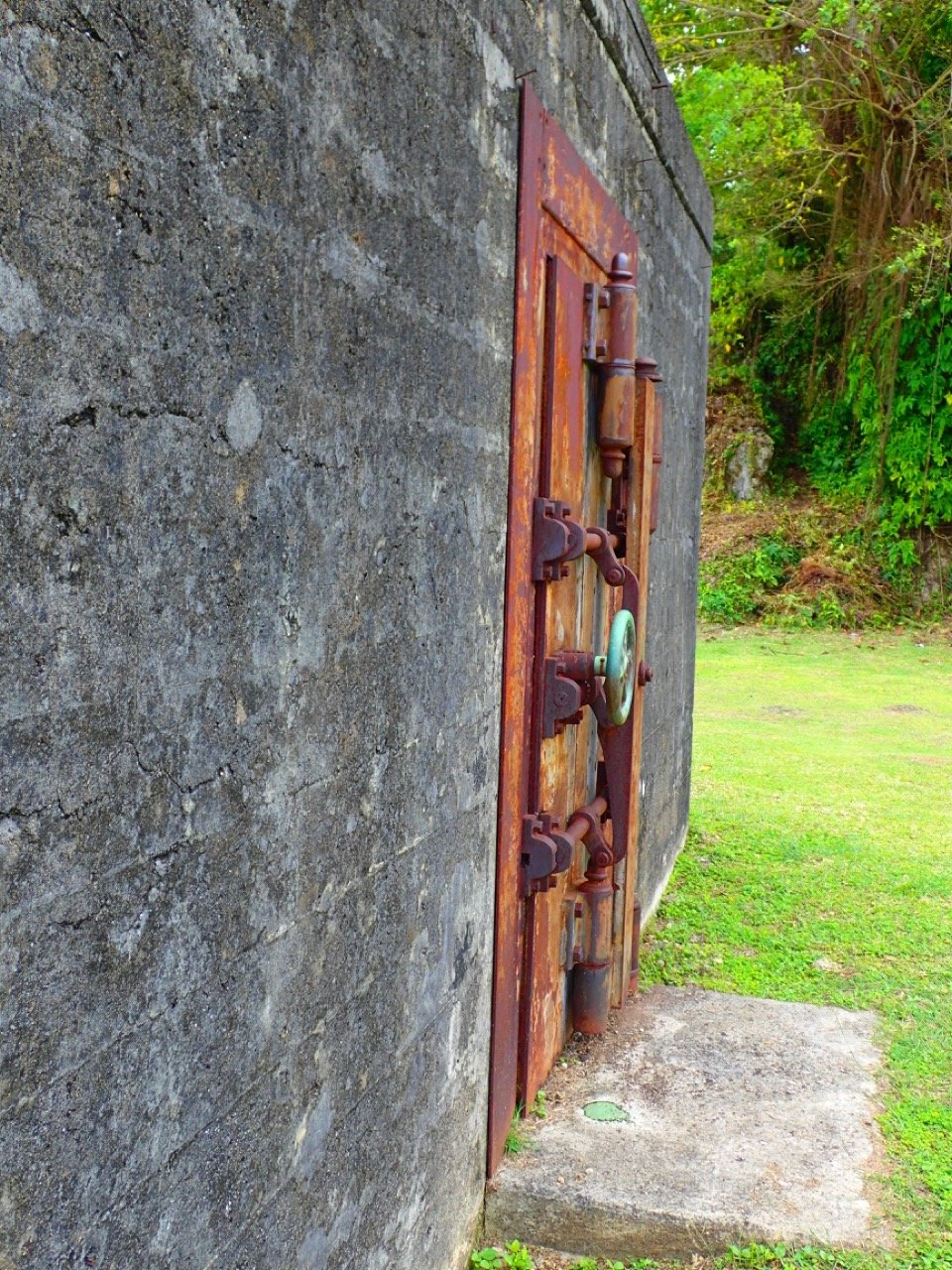
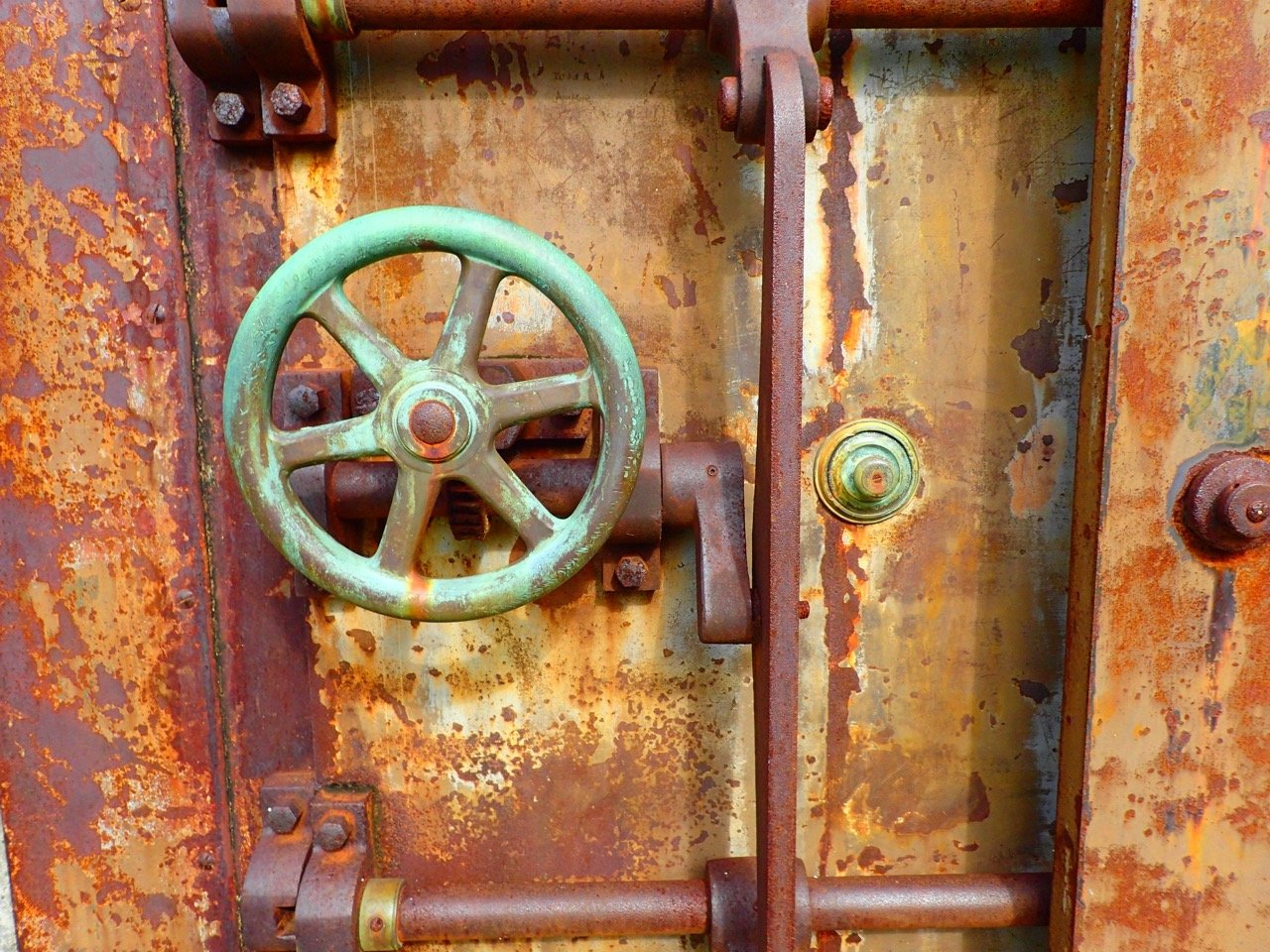
Although parts of the locking system are now missing, much of the original mechanism remains intact and still provides an extraordinary glimpse into how the vault once operated.
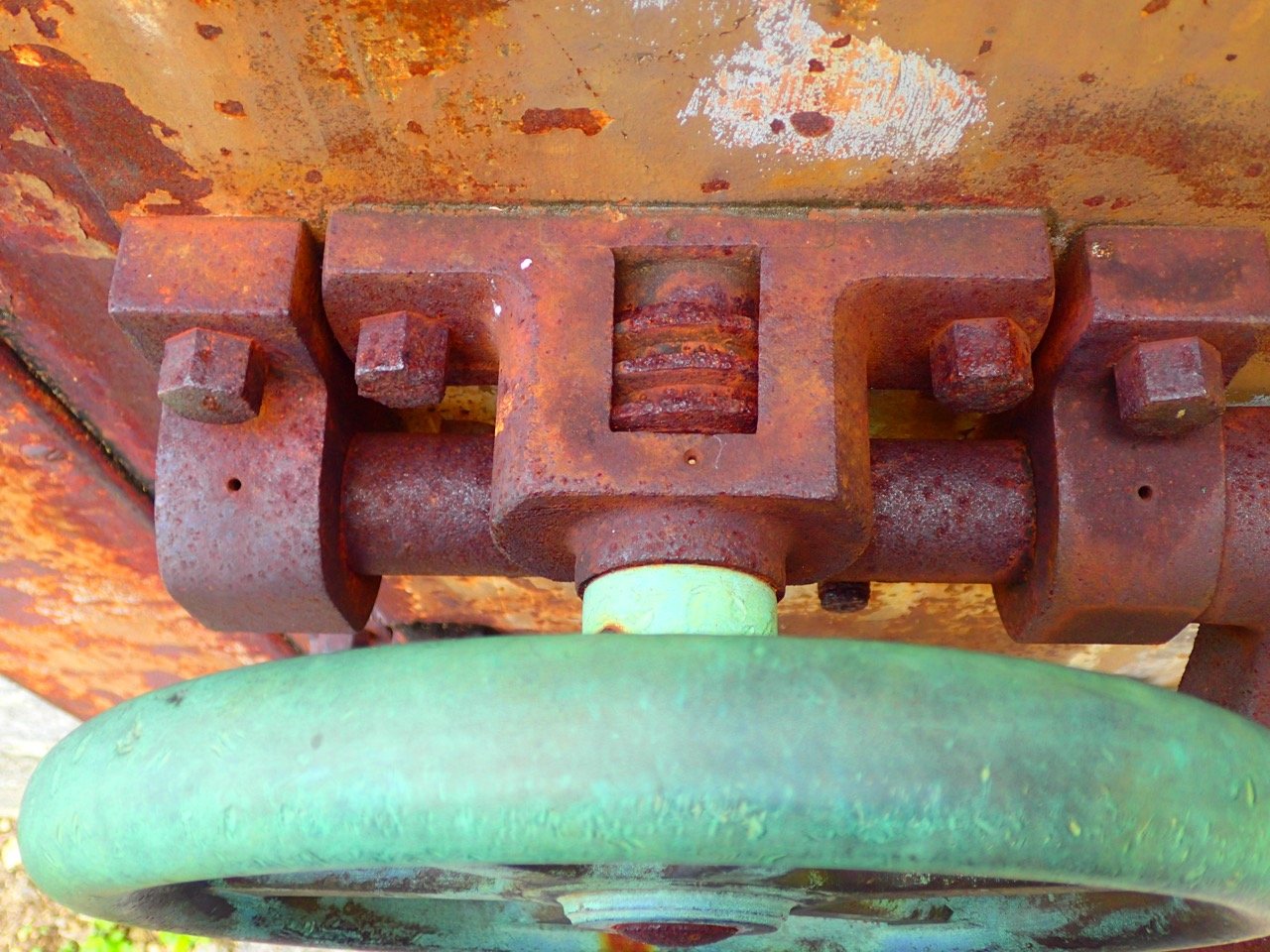
Once the correct combination was entered, an internal mechanism retracted a series of enormous steel locking bolts hidden within the door itself. A large pressure wheel would then slowly pull the heavy door away from its frame before it could finally swing open.
Experts assisting the Museum even provided videos and technical explanations of similar restored Mosler vaults, allowing the Museum team to better understand the engineering hidden inside the massive steel structure.
Even in its damaged state, the craftsmanship and complexity of the vault remains remarkable.
A Remarkable Survivor
Today, the vault door stands outside the Museum not simply as a relic of wartime Santo, but as a reminder of the extraordinary infrastructure that once existed here during World War II.
It is a piece of industrial engineering, a surviving fragment of Base Button, and an unexpected connection between Espiritu Santo and some of the most famous vaults in the world.
And perhaps most remarkably of all, after decades hidden away behind concrete walls in Luganville, its story is finally being told once again.